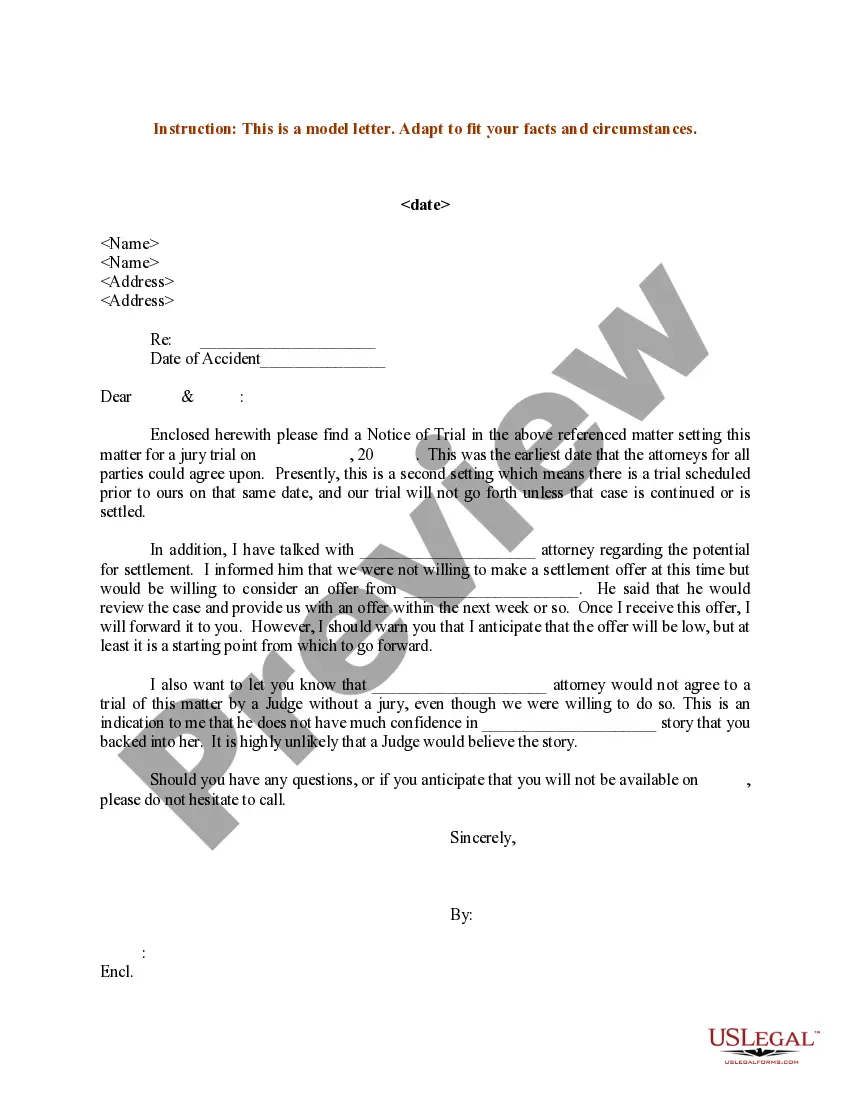
Trial Would Attorney Withdraw In Houston
Description
Get your form ready online
Our built-in tools help you complete, sign, share, and store your documents in one place.
Make edits, fill in missing information, and update formatting in US Legal Forms—just like you would in MS Word.
Download a copy, print it, send it by email, or mail it via USPS—whatever works best for your next step.
Sign and collect signatures with our SignNow integration. Send to multiple recipients, set reminders, and more. Go Premium to unlock E-Sign.
If this form requires notarization, complete it online through a secure video call—no need to meet a notary in person or wait for an appointment.
We protect your documents and personal data by following strict security and privacy standards.

Make edits, fill in missing information, and update formatting in US Legal Forms—just like you would in MS Word.

Download a copy, print it, send it by email, or mail it via USPS—whatever works best for your next step.

Sign and collect signatures with our SignNow integration. Send to multiple recipients, set reminders, and more. Go Premium to unlock E-Sign.

If this form requires notarization, complete it online through a secure video call—no need to meet a notary in person or wait for an appointment.

We protect your documents and personal data by following strict security and privacy standards.
Looking for another form?

Form popularity
FAQ
The judge will allow an attorney to withdraw if they have a good reason. This rule is in Rule 10 of the Texas Rules of Civil Procedure. If a lawyer quits, they must notify you and provide any important documents and information.
The most common complaints include: Costs: the costs were unclear or different from the original estimate. Delay: no clear reason for the work taking longer than expected. Poor information: a process wasn't well explained, or there wasn't enough information for a consumer to make an informed choice.
Ing to the article, some of these fears are: Feeling their offices or cases are out of control. Looking foolish when asking questions. Seeming “too nice” Being blamed. Speaking in public. Lacking skill or confidence. Intimidation by superiors and judges. Suffering pain, humiliation and shame if defeated.
You can't fire your attorney. You can only ask the judge to discharge the public defender. So, it depends on whether or not the judge would be willing to continue your case, or not. If the judge does not want to continue your case, he/she can refuse your request to discharge the public defender and hire a private one.
The revocation becomes effective only after you notify all third parties who have been using the power of attorney. Important: You can revoke verbally, but professionals strongly suggest creating a written revocation document. Written documentation proves your intentions and protects your interests going forward.
A judge dismisses charges after they have been filed, and the judge does so for many of the reasons listed above. Charges, however, that are dropped are typically dropped by a prosecutor who may do so for some of the reasons above or for other reasons, like victims who will not cooperate.
An attorney may withdraw from representing a party only upon written motion for good cause shown.