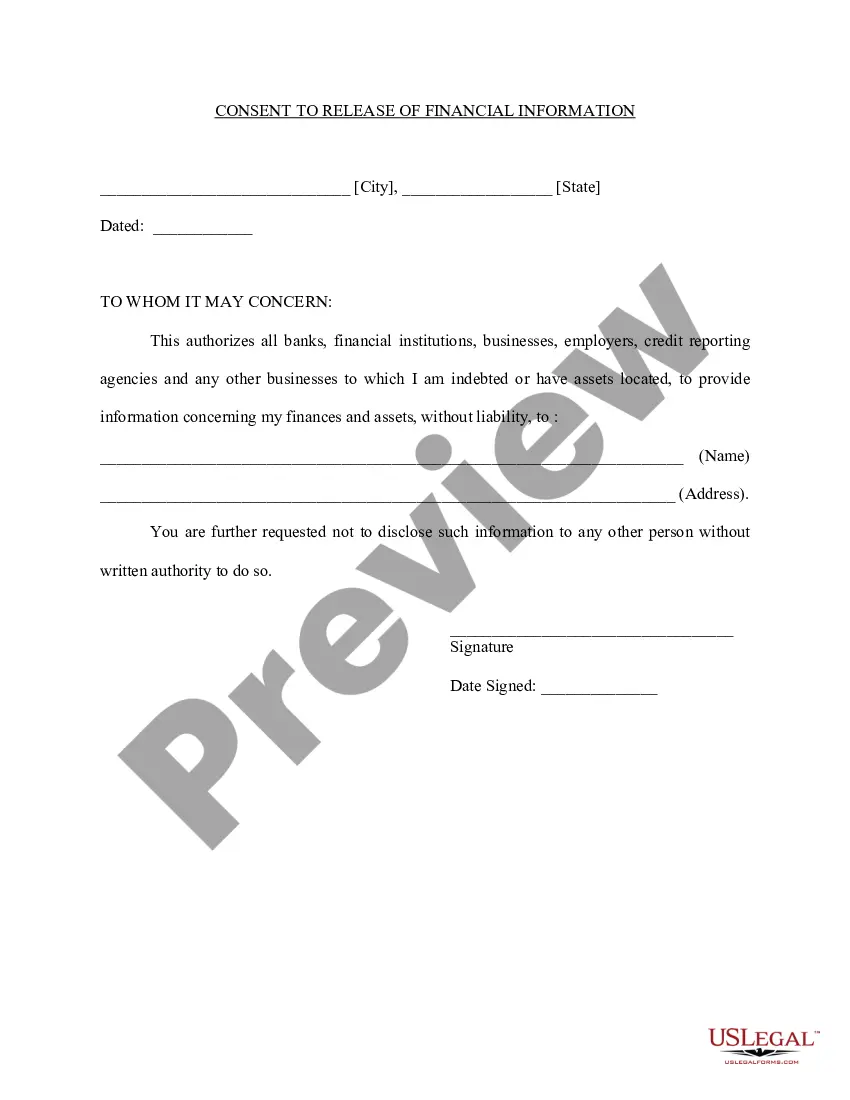
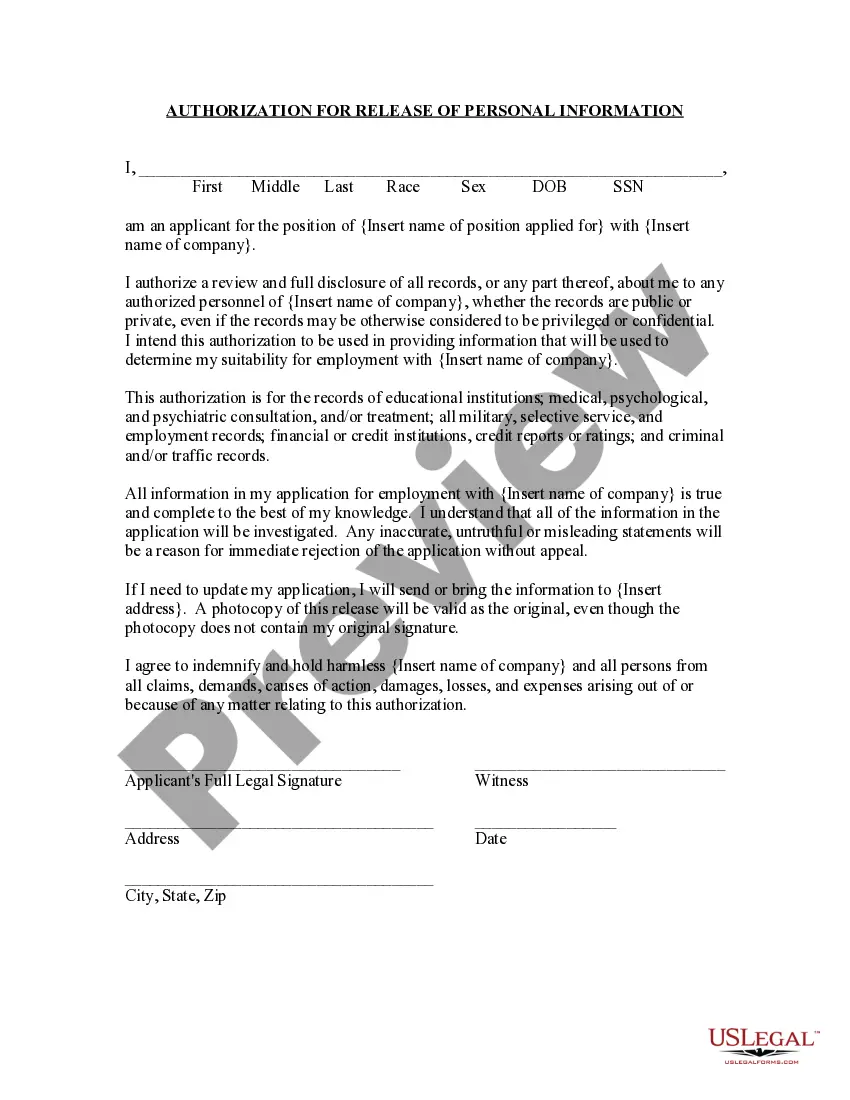
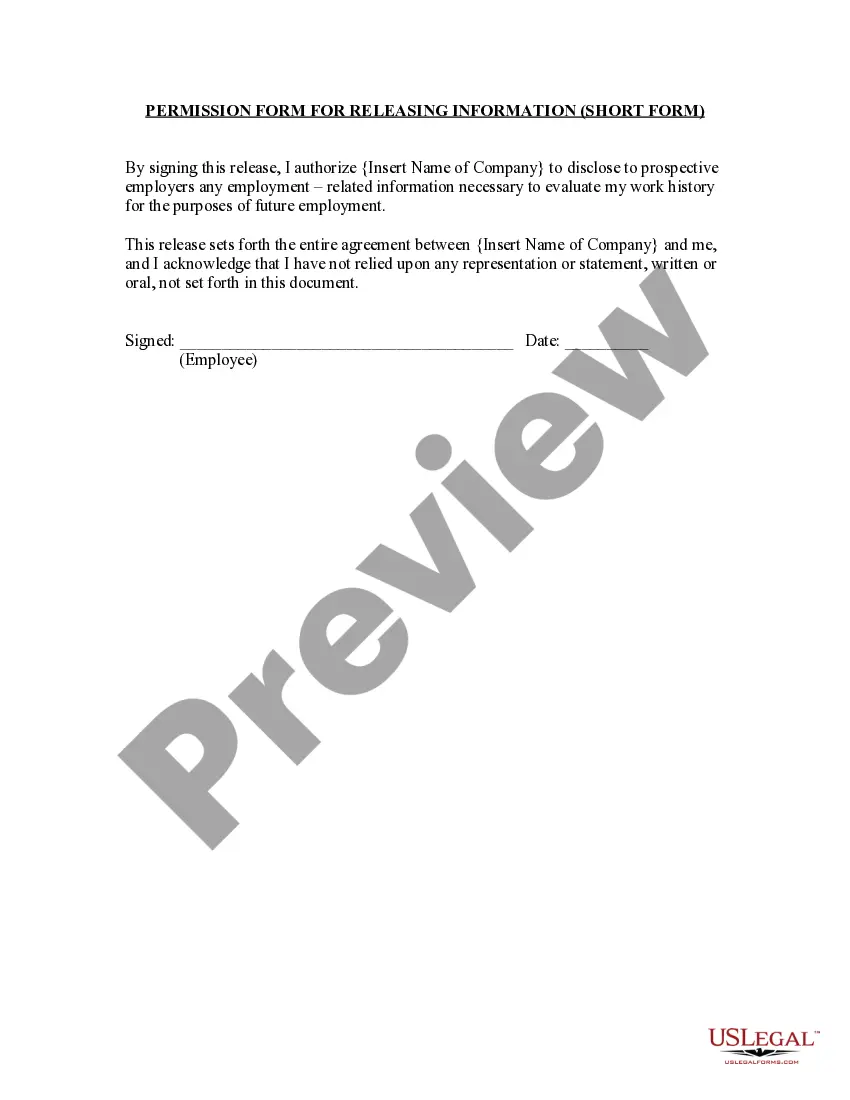
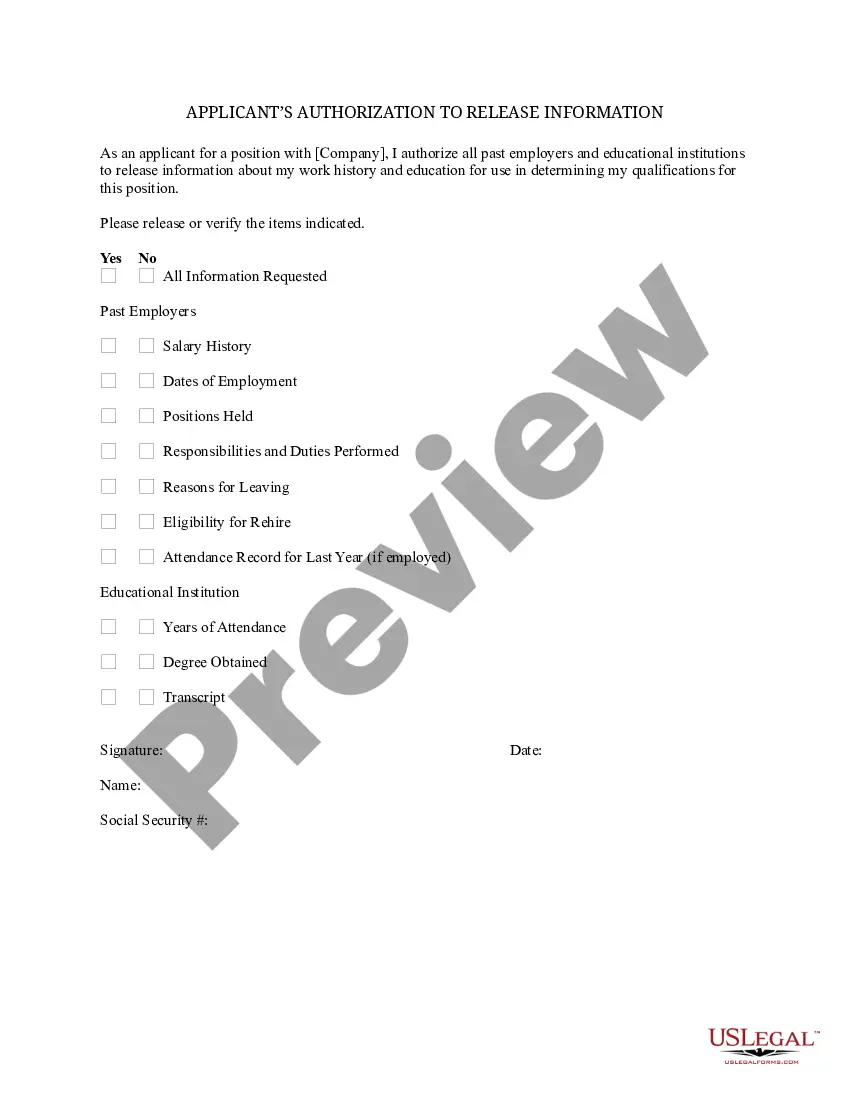
Release Records Without Consent In Texas
Description

Get your form ready online
Our built-in tools help you complete, sign, share, and store your documents in one place.
Make edits, fill in missing information, and update formatting in US Legal Forms—just like you would in MS Word.
Download a copy, print it, send it by email, or mail it via USPS—whatever works best for your next step.
Sign and collect signatures with our SignNow integration. Send to multiple recipients, set reminders, and more. Go Premium to unlock E-Sign.
If this form requires notarization, complete it online through a secure video call—no need to meet a notary in person or wait for an appointment.
We protect your documents and personal data by following strict security and privacy standards.

Make edits, fill in missing information, and update formatting in US Legal Forms—just like you would in MS Word.

Download a copy, print it, send it by email, or mail it via USPS—whatever works best for your next step.

Sign and collect signatures with our SignNow integration. Send to multiple recipients, set reminders, and more. Go Premium to unlock E-Sign.

If this form requires notarization, complete it online through a secure video call—no need to meet a notary in person or wait for an appointment.

We protect your documents and personal data by following strict security and privacy standards.
Looking for another form?








Form popularity
FAQ
Texas abides by the “one-party consent” rule when it comes to capturing people on camera in public areas. This means that recording a conversation or making a video recording is usually acceptable as long as one of the participants grants permission.
You may be wondering, “Are voice recordings admissible in Texas court?” Yes, recording conversations in Texas is permissible if at least one party involved is aware of the recording.
The Texas Recording Act is a “notice” statute, meaning a subsequent bona fide purchaser, without actual or constructive notice, will receive superior title to the property.
Exempt: Over 30 exemptions including: Confidential information as defined by law; personnel information; litigation or settlement negotiations involving state, competition or bidding information; certain real estate information; certain legislative documents; certain investigation or prosecution documents; certain ...
Texas physicians do not have a statutory duty to warn potential victims of their patients' violent conduct but may warn medical or law enforcement authorities if the patient is a danger to himself, to the treating physician, or to others.
Texas Government Code, Chapter 552, gives you the right to access government records; and an officer for public information and the officer's agent may not ask why you want them. All government information is presumed to be available to the public.