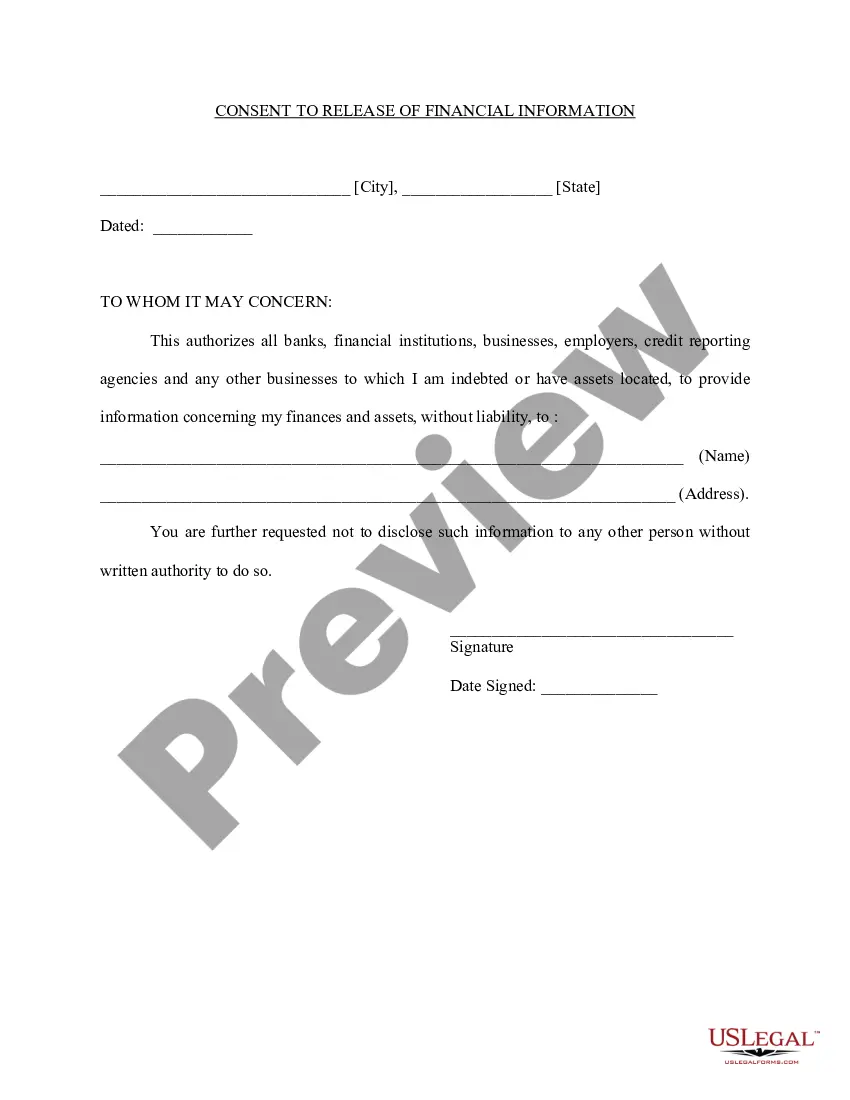
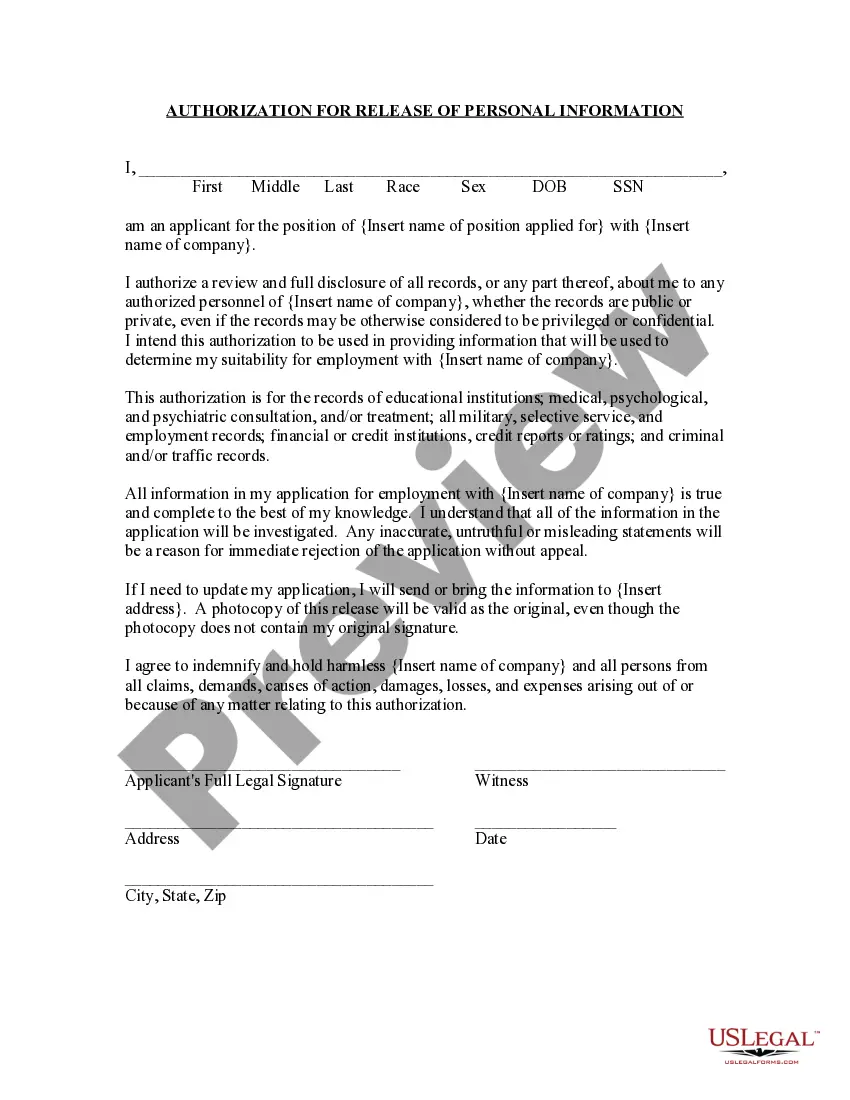
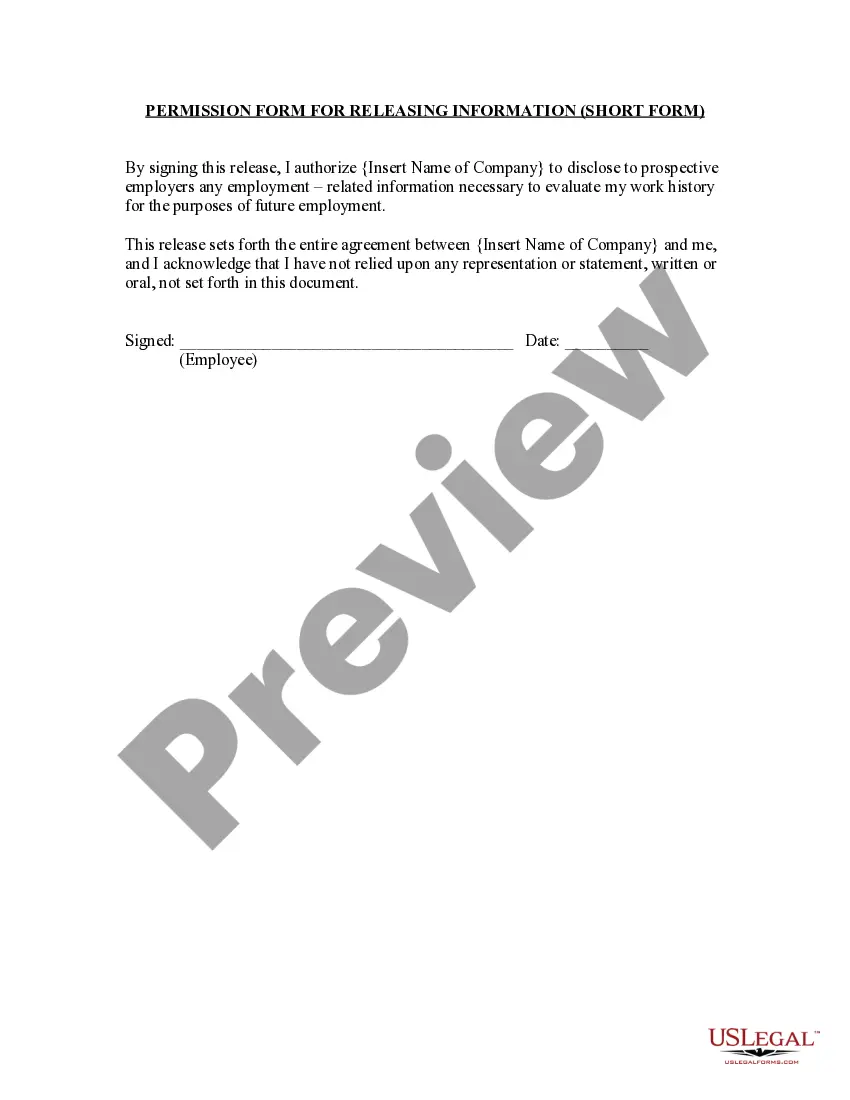
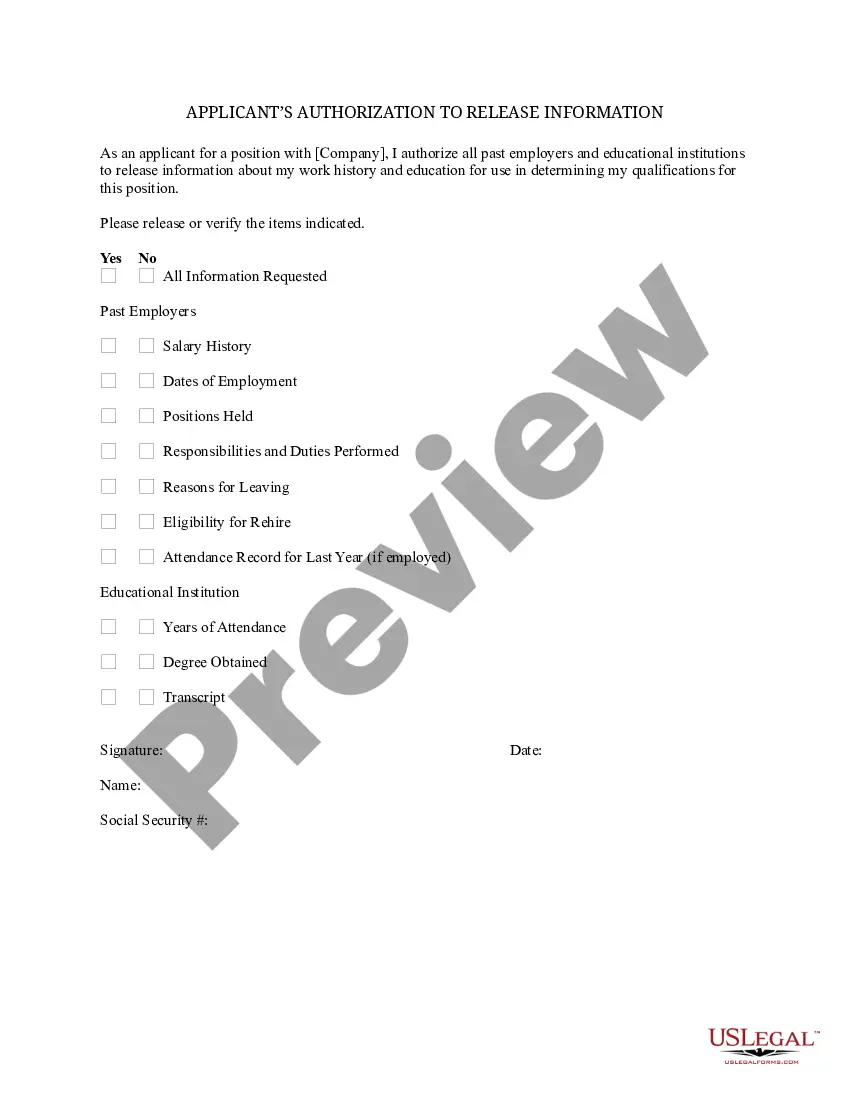
Ferpa Release Information Without Consent In Texas
Description

Get your form ready online
Our built-in tools help you complete, sign, share, and store your documents in one place.
Make edits, fill in missing information, and update formatting in US Legal Forms—just like you would in MS Word.
Download a copy, print it, send it by email, or mail it via USPS—whatever works best for your next step.
Sign and collect signatures with our SignNow integration. Send to multiple recipients, set reminders, and more. Go Premium to unlock E-Sign.
If this form requires notarization, complete it online through a secure video call—no need to meet a notary in person or wait for an appointment.
We protect your documents and personal data by following strict security and privacy standards.

Make edits, fill in missing information, and update formatting in US Legal Forms—just like you would in MS Word.

Download a copy, print it, send it by email, or mail it via USPS—whatever works best for your next step.

Sign and collect signatures with our SignNow integration. Send to multiple recipients, set reminders, and more. Go Premium to unlock E-Sign.

If this form requires notarization, complete it online through a secure video call—no need to meet a notary in person or wait for an appointment.

We protect your documents and personal data by following strict security and privacy standards.
Looking for another form?









Form popularity
FAQ
Texas Education Code 25.085 (Compulsory School Attendance) states that a child who is at least six years of age, or who is younger than six years of age and has previously been enrolled in first grade, and who has not yet reached the child's 19th birthday shall attend school.
Final answer: School officials can release identifiable information without parental consent when required by law, in emergencies or to school officials with legitimate interests.
The Texas Data Privacy and Security Act (TDPSA) establishes new laws for collecting, storing, processing, and selling consumer information linked to a specific individual.
The Family Educational Rights and Privacy Act (FERPA) is a federal law that affords parents the right to have access to their children's education records, the right to seek to have the records amended, and the right to have some control over the disclosure of personally identifiable information from the education ...
These responsibilities include: TOPS will not use students' personal information to create an online profile for a particular student, unless this profile is strictly used for a school purpose, as defined under the law. TOPS will not use students' personal information for the purposes of targeted advertising.
Chapter 37 of the Texas Education Code (TEC) gives teachers the authority to remove disruptive students from their classrooms. The law allows teachers two types of removals: a discretionary removal and a mandatory removal.