Release Records Without Consent In San Jose
Description

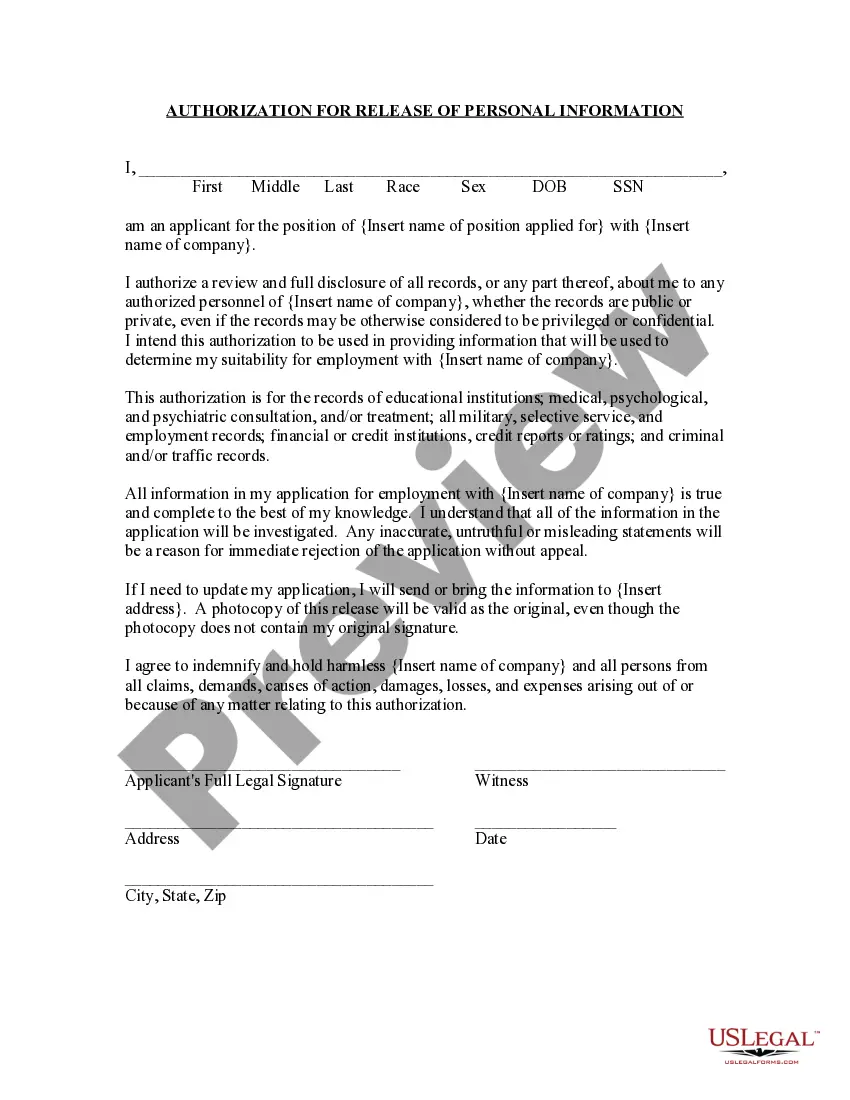
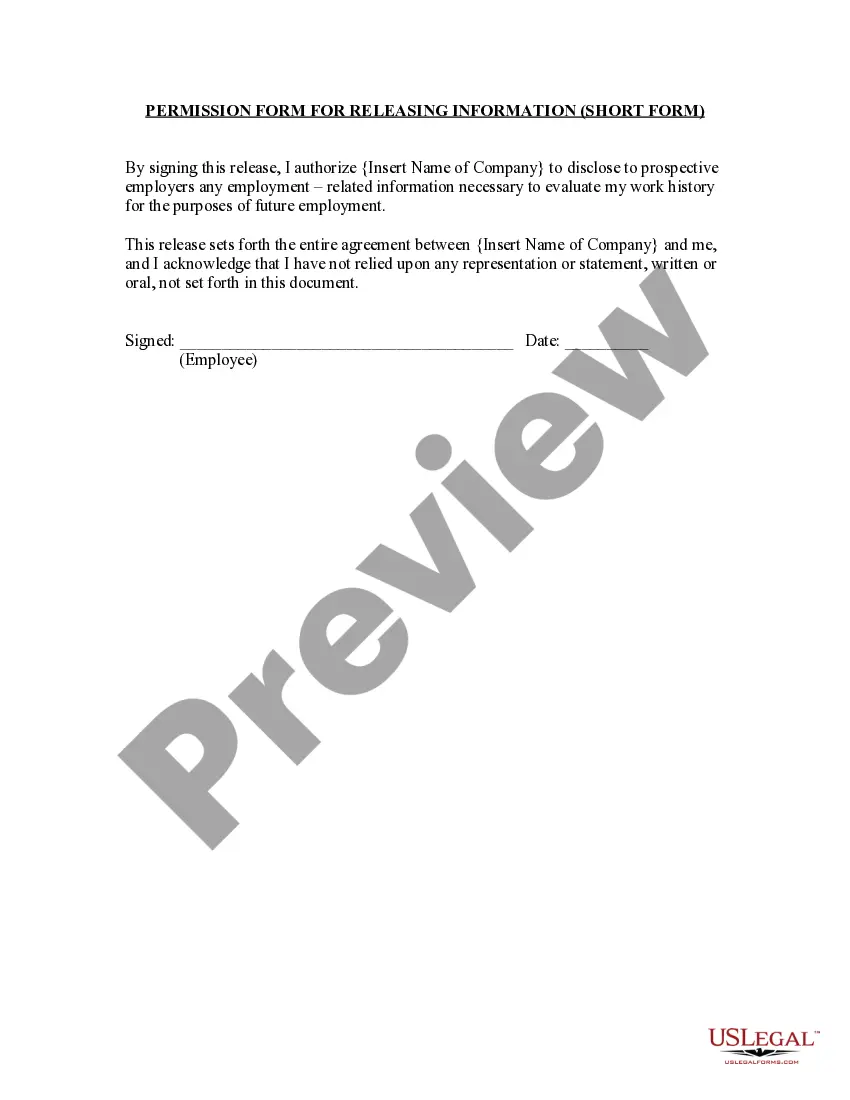
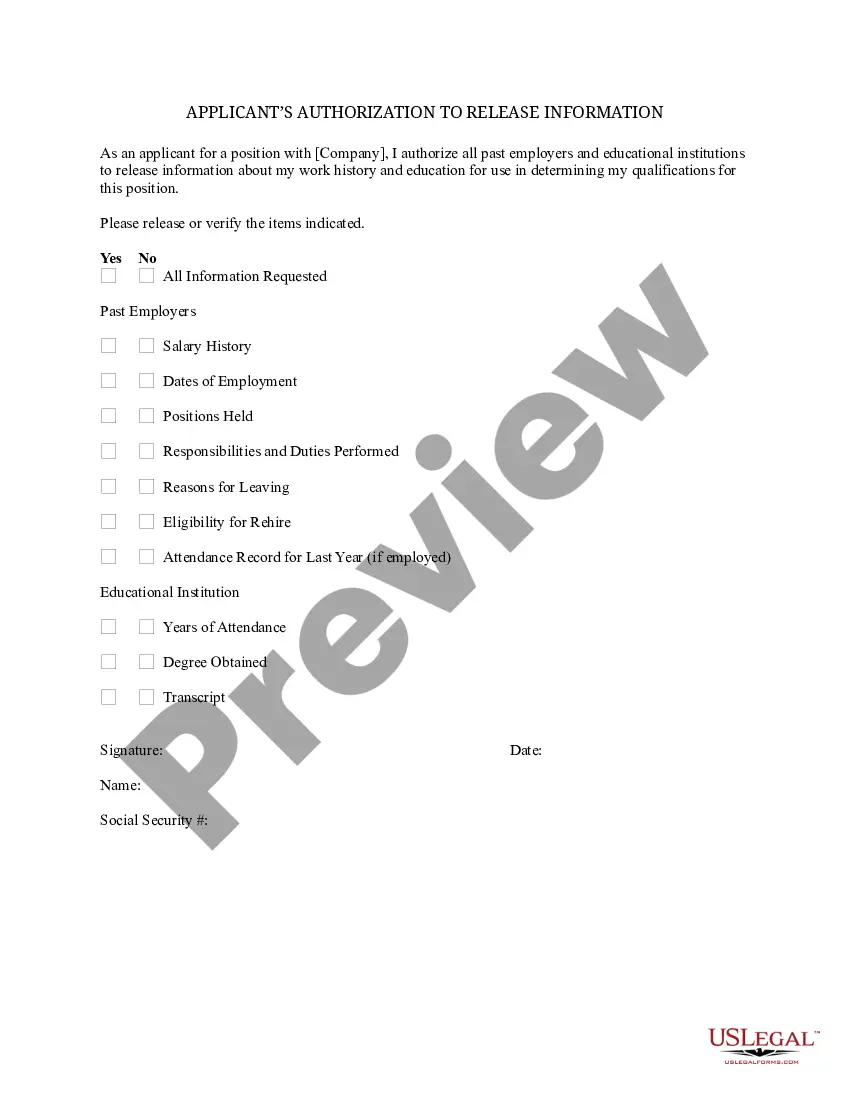
Get your form ready online
Our built-in tools help you complete, sign, share, and store your documents in one place.
Make edits, fill in missing information, and update formatting in US Legal Forms—just like you would in MS Word.
Download a copy, print it, send it by email, or mail it via USPS—whatever works best for your next step.
Sign and collect signatures with our SignNow integration. Send to multiple recipients, set reminders, and more. Go Premium to unlock E-Sign.
If this form requires notarization, complete it online through a secure video call—no need to meet a notary in person or wait for an appointment.
We protect your documents and personal data by following strict security and privacy standards.

Make edits, fill in missing information, and update formatting in US Legal Forms—just like you would in MS Word.

Download a copy, print it, send it by email, or mail it via USPS—whatever works best for your next step.

Sign and collect signatures with our SignNow integration. Send to multiple recipients, set reminders, and more. Go Premium to unlock E-Sign.

If this form requires notarization, complete it online through a secure video call—no need to meet a notary in person or wait for an appointment.

We protect your documents and personal data by following strict security and privacy standards.
Looking for another form?





Form popularity
FAQ
The City of San Jose makes a lot of information available online. Public Records can also be requested in writing, via the mail, email, or fax or verbally on the phone or in person. However, to avoid confusion and to make certain that you obtain the records you want, it is best to put your request in writing.
The California Public Records Act does not regulate the use of records obtained from public agencies. One should allow 10 days for an agency to comply with a records request. Exempt: Law enforcement investigations: litigation; and proprietary business data and personal privacy.
(2024-09-25: Chaptered by Secretary of State - Chapter 551, Statutes of 2024.) The California Public Records Act requires state and local agencies to make their records available for public inspection, unless an exemption from disclosure applies.
6250. In enacting this chapter, the Legislature, mindful of the right of individuals to privacy, finds and declares that access to information concerning the conduct of the people's business is a fundamental and necessary right of every person in this state. 6251.
The California Public Records Act (CPRA) was passed by the California Legislature in 1968 for government agencies and requires that government records be disclosed to the public, upon request, unless there are privacy and/or public safety exemptions which would prevent doing so.
Records of documents covered by the attorney work product privilege, or any other judicially recognized privilege, including but not limited to, the deliberative process privilege (Government Code Section 6254(k), C.C.P. Section 2018, Ev. Code Section 952). Records which relate to Grand Jury testimony.
Prompt access to public records is required by the CPRA (Government Code 6253). However, the agency has 10 days to respond to the request, either providing the information, or may provide a detailed explanation as to what information may be released or what cannot because it is protected by law.

