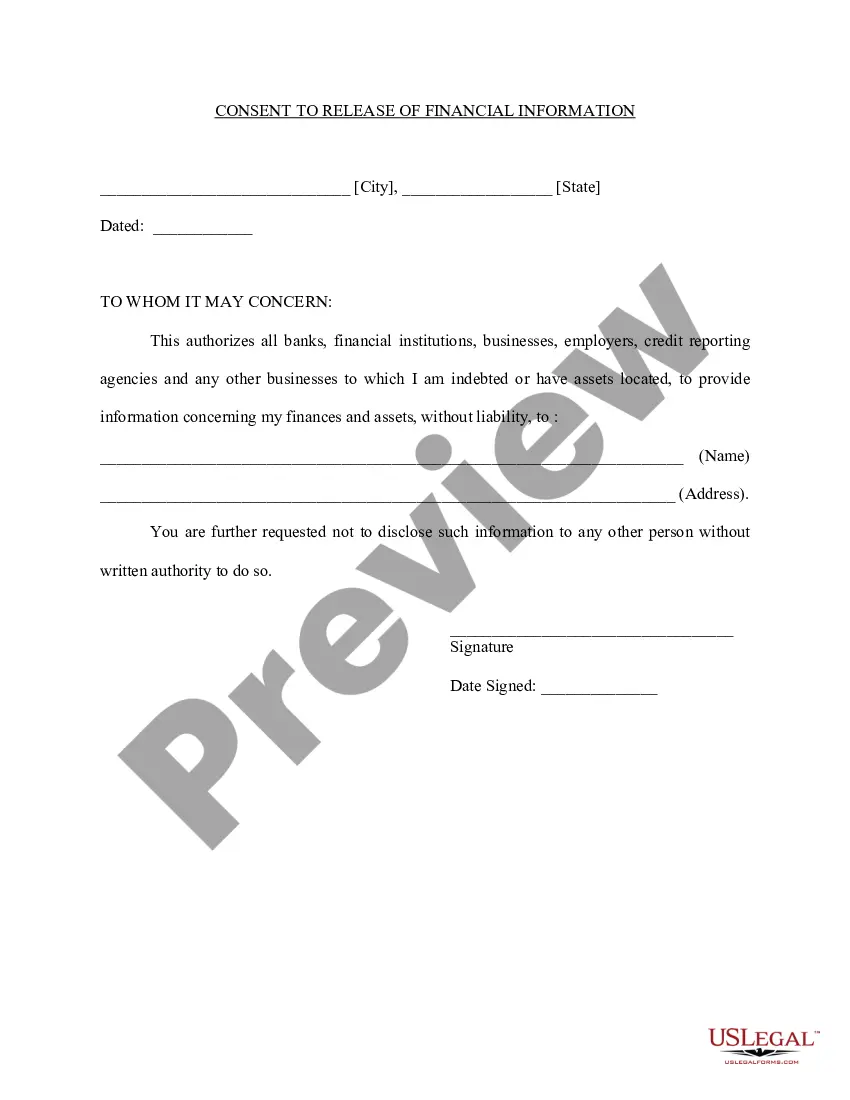
Release Records Without Consent In San Bernardino
Description

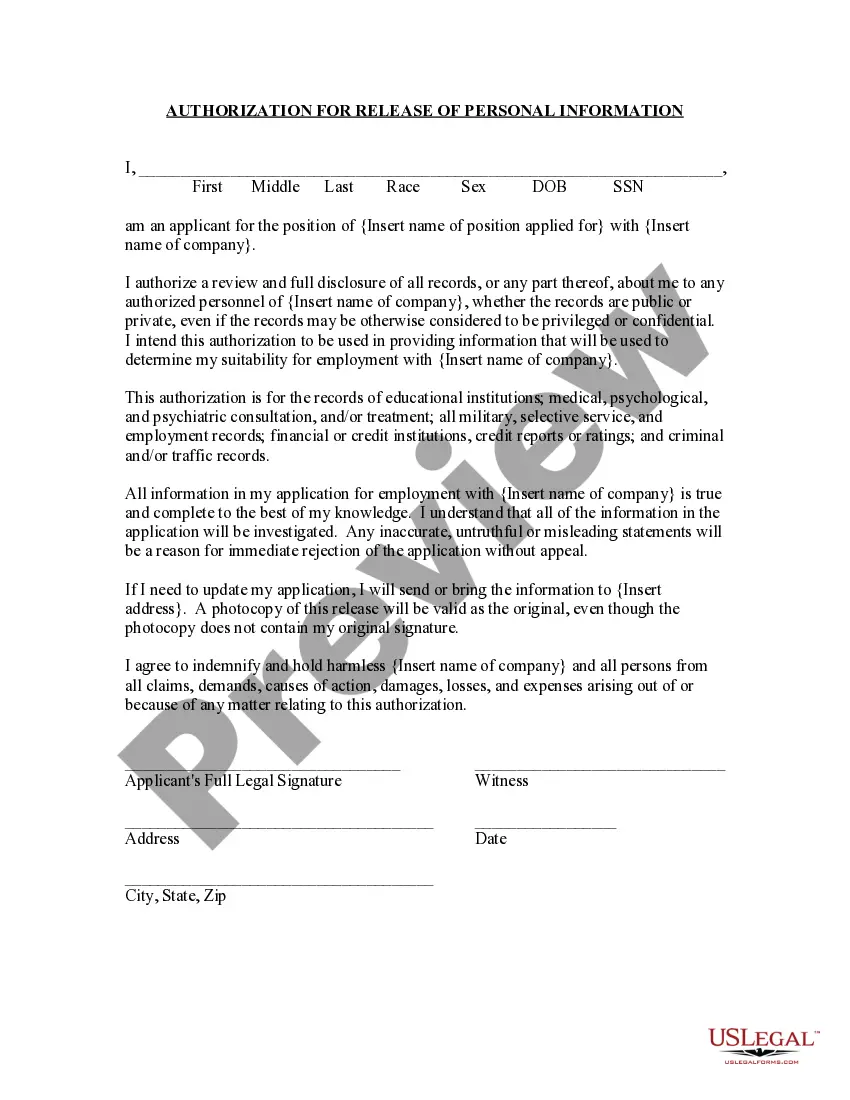
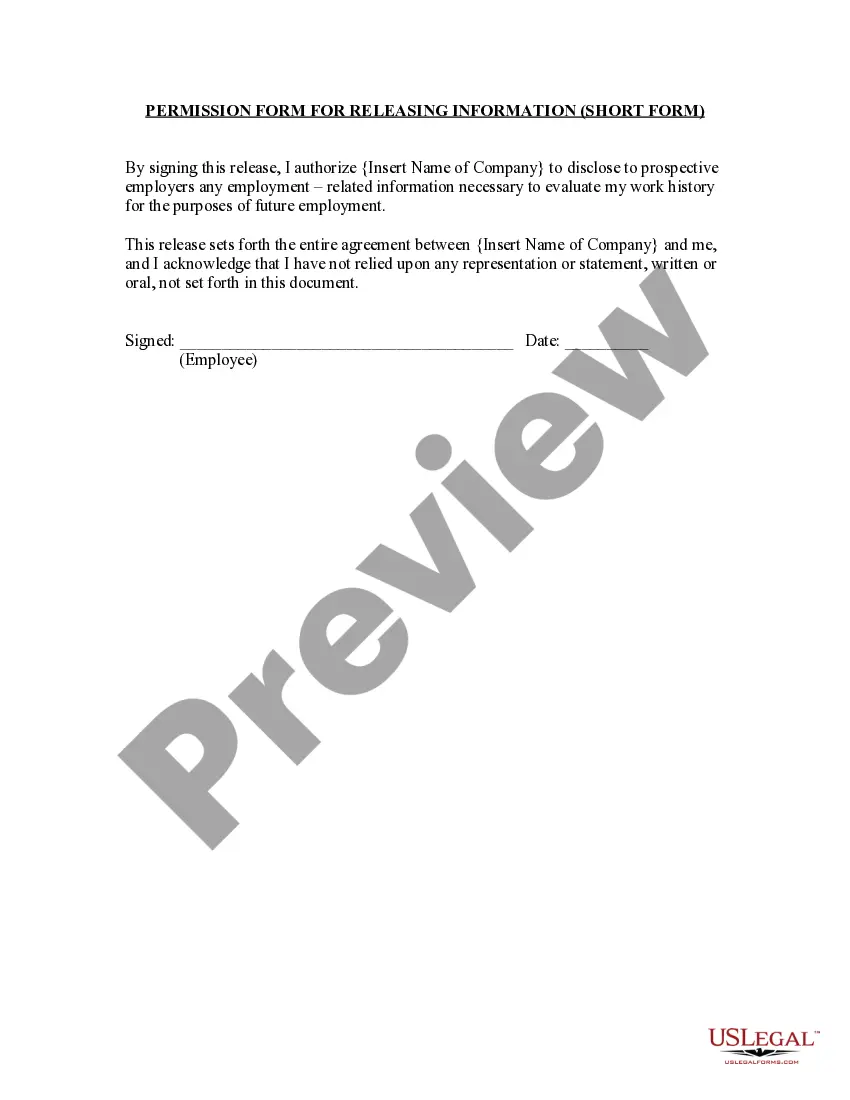
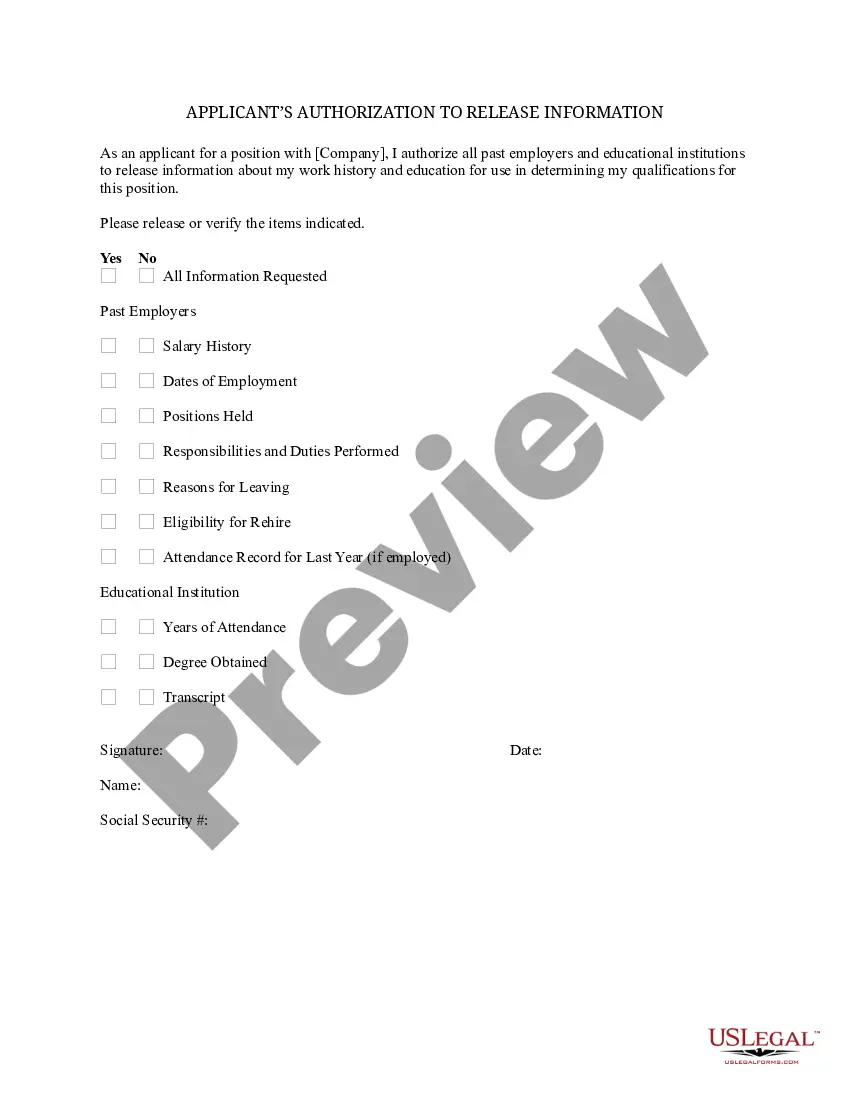
Get your form ready online
Our built-in tools help you complete, sign, share, and store your documents in one place.
Make edits, fill in missing information, and update formatting in US Legal Forms—just like you would in MS Word.
Download a copy, print it, send it by email, or mail it via USPS—whatever works best for your next step.
Sign and collect signatures with our SignNow integration. Send to multiple recipients, set reminders, and more. Go Premium to unlock E-Sign.
If this form requires notarization, complete it online through a secure video call—no need to meet a notary in person or wait for an appointment.
We protect your documents and personal data by following strict security and privacy standards.

Make edits, fill in missing information, and update formatting in US Legal Forms—just like you would in MS Word.

Download a copy, print it, send it by email, or mail it via USPS—whatever works best for your next step.

Sign and collect signatures with our SignNow integration. Send to multiple recipients, set reminders, and more. Go Premium to unlock E-Sign.

If this form requires notarization, complete it online through a secure video call—no need to meet a notary in person or wait for an appointment.

We protect your documents and personal data by following strict security and privacy standards.
Looking for another form?

Form popularity
FAQ
Divorce records- please visit sb-court for divorce records.
To submit a request, complete the public records request form and email it to cpra@fppc.ca.
Confidential communications between the District and its attorneys (Ev. Code Sec. 954). Records of documents covered by the attorney work product privilege, or any other judicially recognized privilege, including but not limited to, the deliberative process privilege (Government Code Section 6254(k), C.C.P.
Requests for record searches may be made in person in the Criminal Operations Department at any Justice Center. Additionally, Online Case and Calendar access will now allow you to conduct record searches online by case number, person name or business name.
A: Divorce records are generally considered public records in California. However, certain information within those records may be kept confidential or sealed, especially if it involves sensitive or private details.
California Court Rule 8.83 outlines the records that should be accessible only via a local court. Under this rule, divorce, legal separation, annulments, child and spousal support cases, and other family law matters are included among the cases that should be accessible to the public at local courthouses.
California divorce records are not maintained centrally but by an individual trial court in each county. Hence are provided by the Clerk of each Superior Court. Divorce records are court records that may be found on the court case information portal provided by each Superior Court on its local website.
Search the official website of the relevant state's vital records office or the county clerk's office where the individual likely resides. Online Databases: Websites like Ancestry, FamilySearch, or other genealogy sites may have access to divorce records. Some of these services may require a subscription.
Birth and Death Certificates / Marriage and Divorce documents: The California Department of Public Health — Vital Records issues certified copies of California vital records. The fastest way to request a copy of a birth or death certificate or marriage or divorce documents is to order online at CDPH-VR.