Medical Information Released Without Consent In Salt Lake
Description

Get your form ready online
Our built-in tools help you complete, sign, share, and store your documents in one place.
Make edits, fill in missing information, and update formatting in US Legal Forms—just like you would in MS Word.
Download a copy, print it, send it by email, or mail it via USPS—whatever works best for your next step.
Sign and collect signatures with our SignNow integration. Send to multiple recipients, set reminders, and more. Go Premium to unlock E-Sign.
If this form requires notarization, complete it online through a secure video call—no need to meet a notary in person or wait for an appointment.
We protect your documents and personal data by following strict security and privacy standards.

Make edits, fill in missing information, and update formatting in US Legal Forms—just like you would in MS Word.

Download a copy, print it, send it by email, or mail it via USPS—whatever works best for your next step.

Sign and collect signatures with our SignNow integration. Send to multiple recipients, set reminders, and more. Go Premium to unlock E-Sign.

If this form requires notarization, complete it online through a secure video call—no need to meet a notary in person or wait for an appointment.

We protect your documents and personal data by following strict security and privacy standards.
Looking for another form?










Form popularity
FAQ
In no case shall the record be retained less than seven years. (8) All patient records shall be retained within the clinic upon change of ownership. (9) Provision shall be made for filing, safe storage, security, and easy accessibility of medical records. (10) Medical record information shall be confidential.
HIPAA states that the patient owns their own information, with very few exceptions, and they have the right to receive a copy of the information. In the states that fall under Federal Guidelines, the medical records belong to the provider, practice or facility that created the record.
Although a patient owns the PHI contained within the personal health records, it is the custodian who owns the actual records and is ultimately responsible for implementing measures to safeguard the information. With few exceptions, a patient has a right of access to their own PHI.
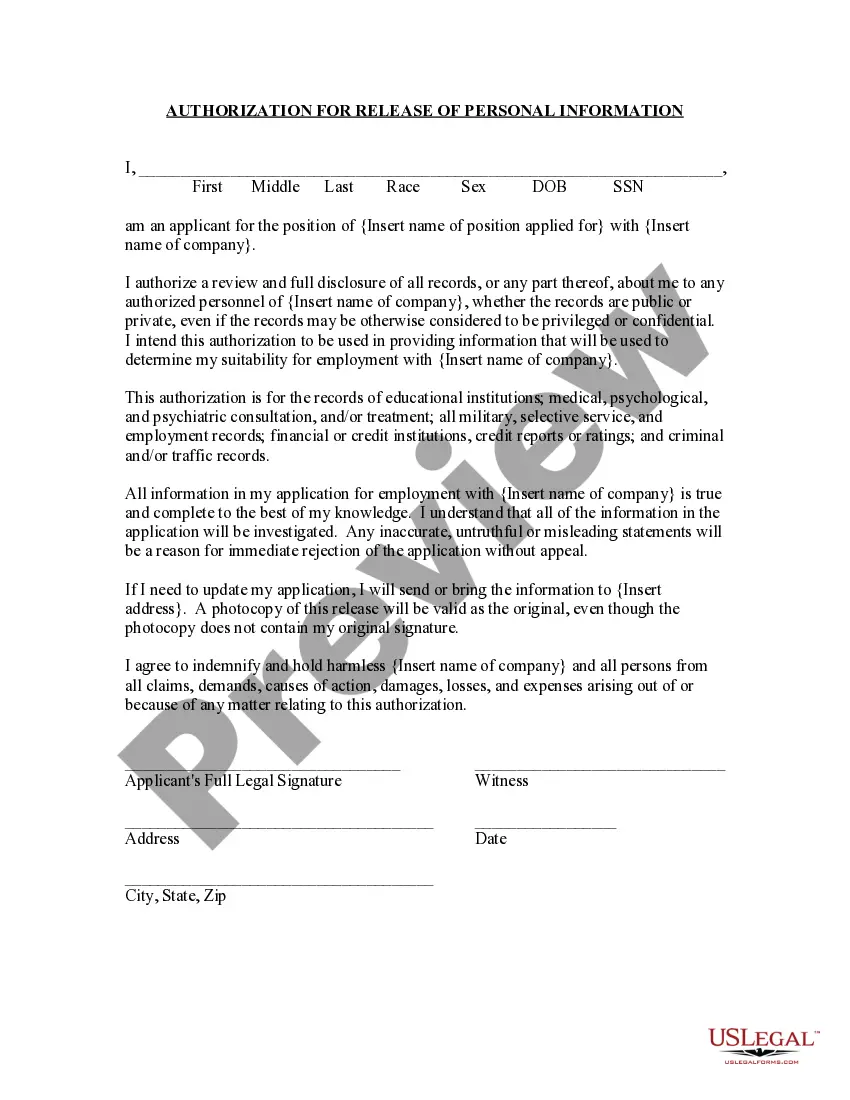
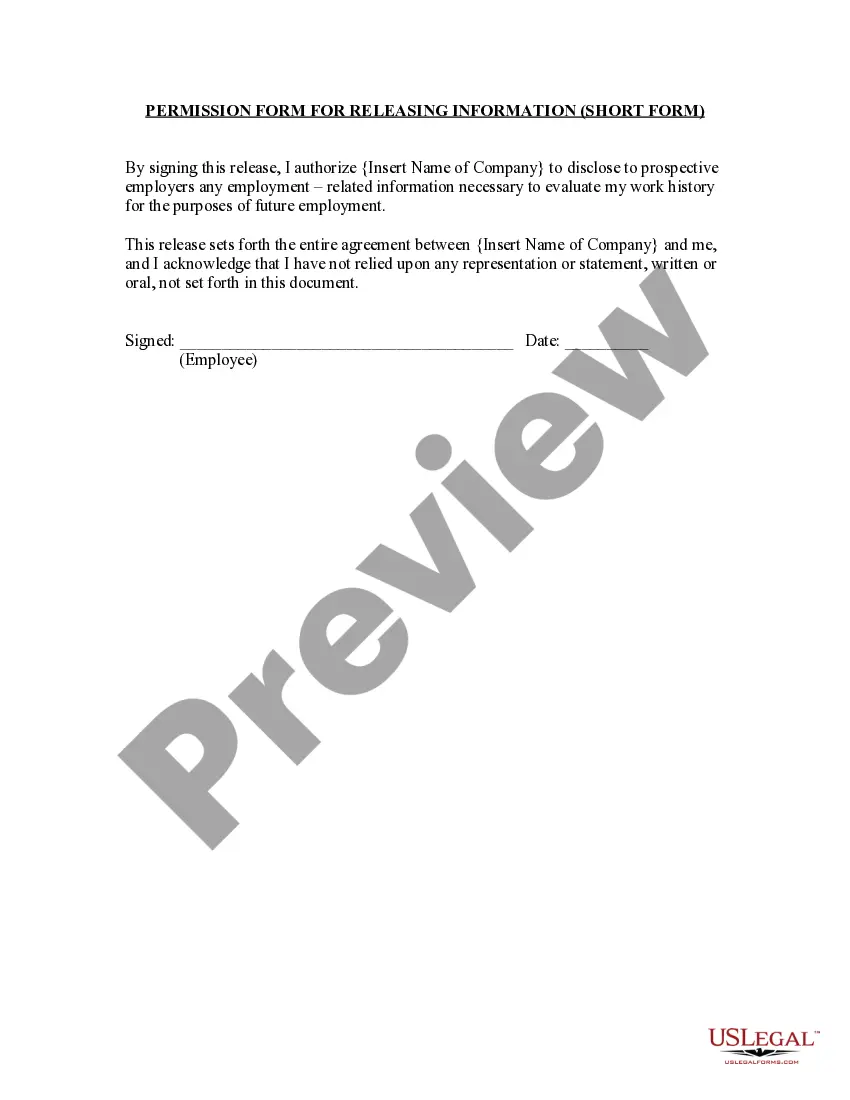
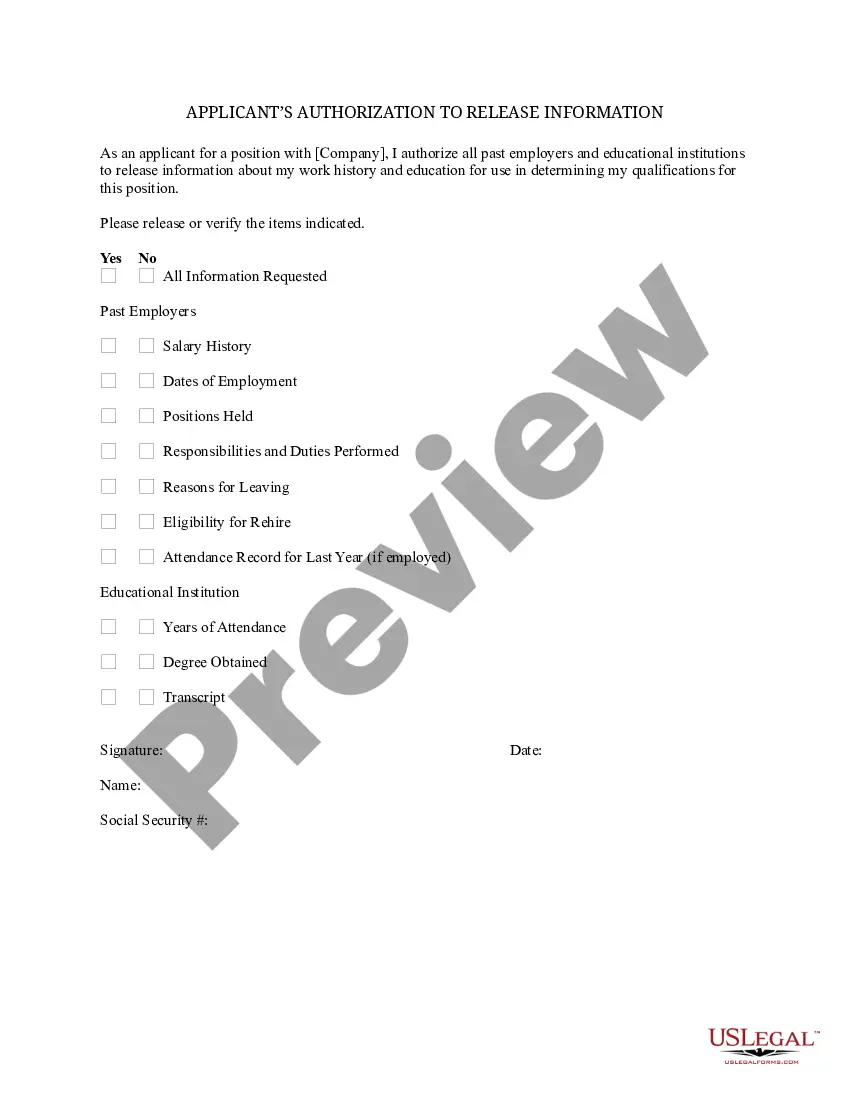
Release of Information Authorization Under the HIPAA Privacy Rule, when a release of information is intended for purposes other than medical treatment, healthcare operations, or payment, you'll need to sign an authorization for ROI.
In Utah, where I practice, the physician and/or hospital owns the record, meaning that a patient must go through a hospital medical records department, oftentimes with considerable delay, to get their own information. Many systems provide limited access to information through Web portals such as MyChart.
If you are seeking an abortion, to meet the State of Utah informed consent law and begin the 72-hour waiting period, you are required to complete this education module. At the end of each section, there will be questions to verify your understanding of the information.
Your doctor, insurance company, and other healthcare providers have to ask for your written permission before they can release your personal health information. This is true unless the release is for the purpose of treatment, payment, or healthcare operations.