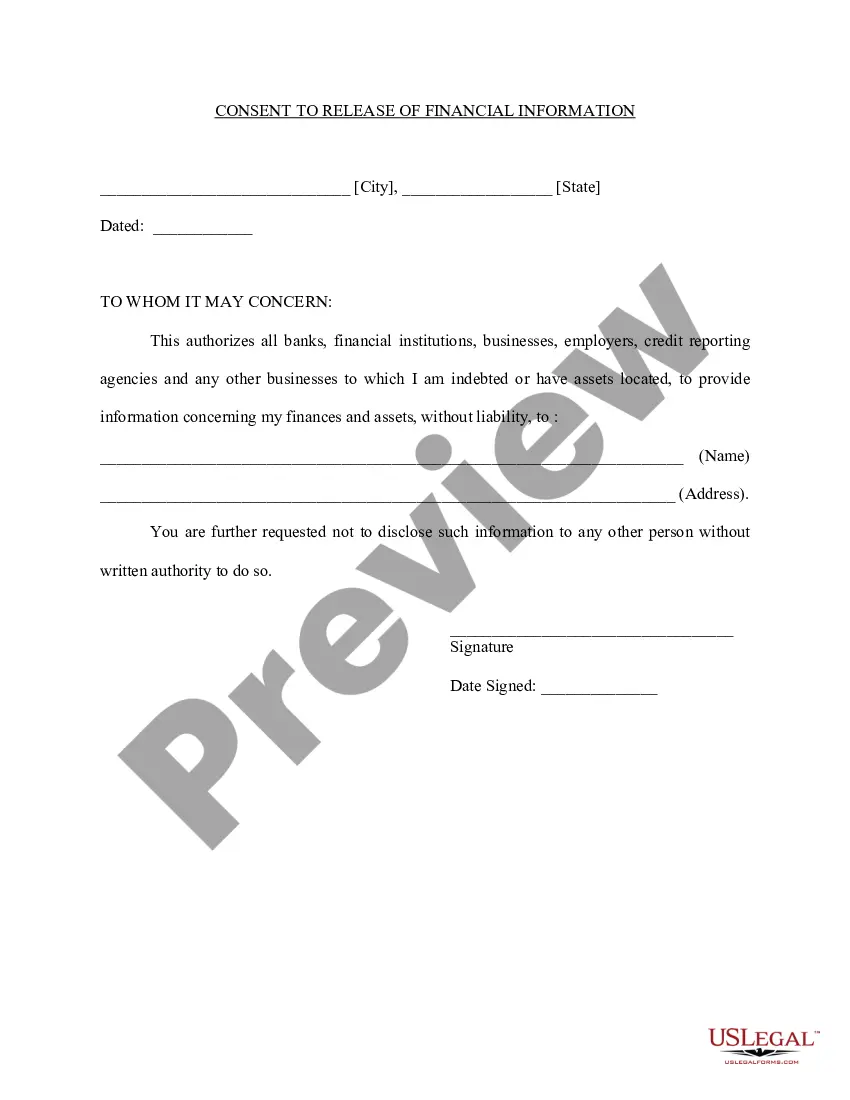
Ferpa Release Information Without Consent In Phoenix
Description

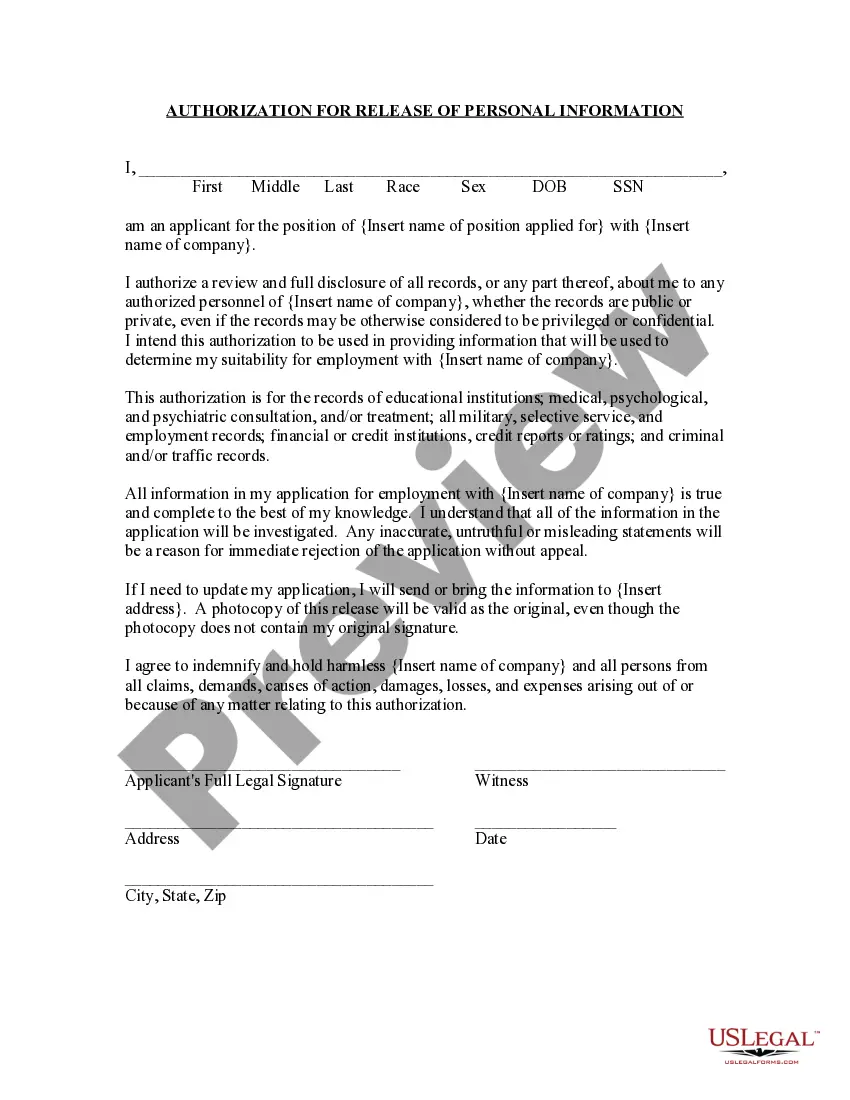
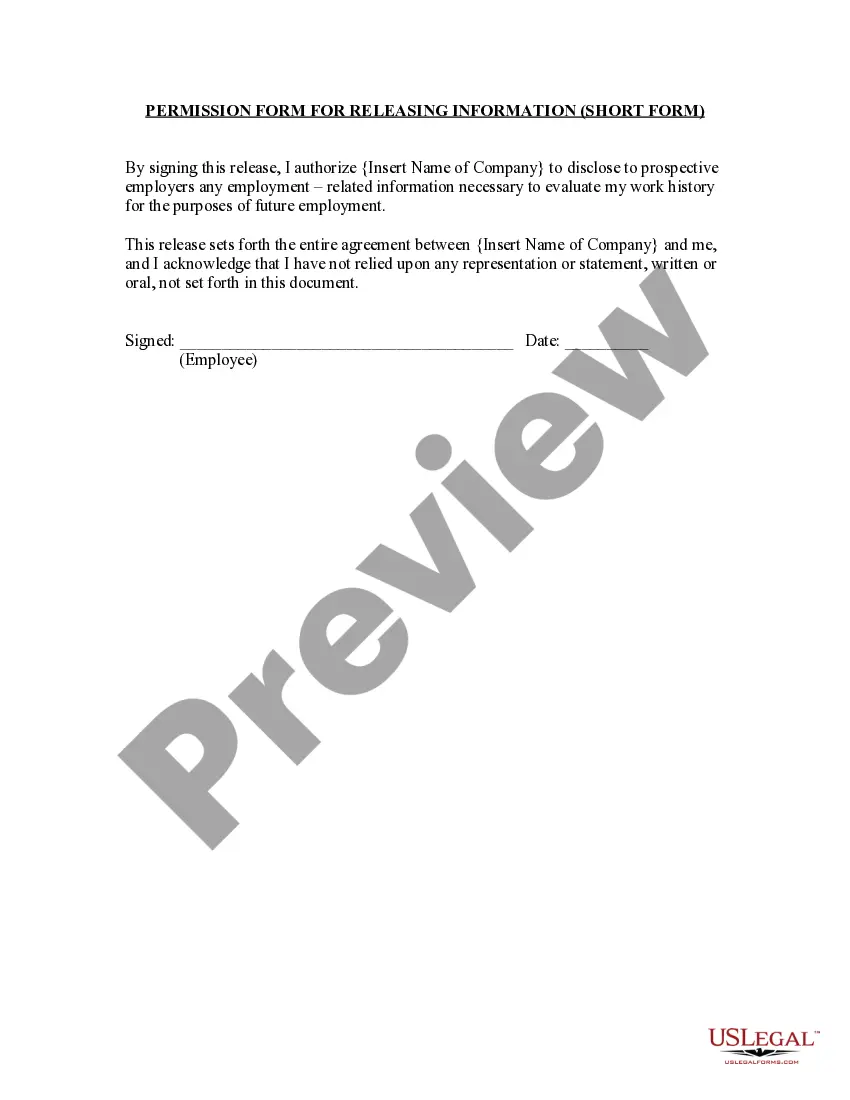
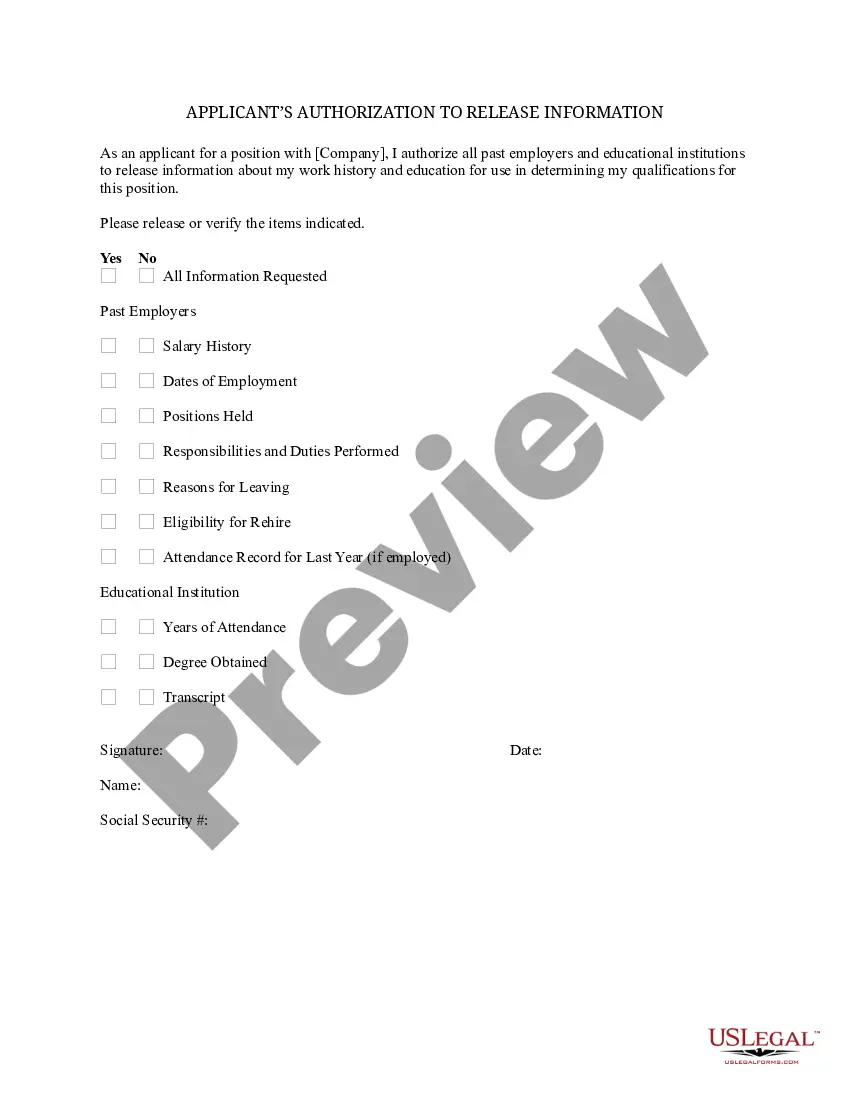
Get your form ready online
Our built-in tools help you complete, sign, share, and store your documents in one place.
Make edits, fill in missing information, and update formatting in US Legal Forms—just like you would in MS Word.
Download a copy, print it, send it by email, or mail it via USPS—whatever works best for your next step.
Sign and collect signatures with our SignNow integration. Send to multiple recipients, set reminders, and more. Go Premium to unlock E-Sign.
If this form requires notarization, complete it online through a secure video call—no need to meet a notary in person or wait for an appointment.
We protect your documents and personal data by following strict security and privacy standards.

Make edits, fill in missing information, and update formatting in US Legal Forms—just like you would in MS Word.

Download a copy, print it, send it by email, or mail it via USPS—whatever works best for your next step.

Sign and collect signatures with our SignNow integration. Send to multiple recipients, set reminders, and more. Go Premium to unlock E-Sign.

If this form requires notarization, complete it online through a secure video call—no need to meet a notary in person or wait for an appointment.

We protect your documents and personal data by following strict security and privacy standards.
Looking for another form?






Form popularity
FAQ
Under Arizona law, every child between the ages of six and sixteen must attend a school and be provided instruction in at least reading, grammar, mathematics, social studies, and science (A.R.S. § 15-802(A)). The instruction may take place in a district, private, charter, homeschool or through the ESA program (A.R.S.
Directory Information — Information that may be released to anyone without the consent of the student, unless the student indicates otherwise, except to the extent that FERPA authorizes disclosure without consent: Student name. Addresses (e.g., local, home, mailing and ASU e-mail, including directory number)
Arizona's compulsory education laws apply to children between the ages of six and 16. Home schooled children must receive an education that is equal to what they would otherwise receive in a public school.
Final answer: School officials can release identifiable information without parental consent when required by law, in emergencies or to school officials with legitimate interests.
Every child between the ages of six and sixteen years shall attend a school and shall be provided instruction in at least the subjects of reading, grammar, mathematics, social studies and science.
Arizona has unrestricted open enrollment for public schools, meaning a student can attend any public school, regardless of their school district, as long as their school of choice has the capacity.
As a general matter, FERPA: (1) requires schools to provide parents and eligible students an opportunity to inspect and review the student's education records; and (2) prohibits schools from disclosing personally identifiable information from a student's education records to a third party unless the parent or eligible ...
The Federal Educational Rights Privacy Act (FERPA) is the federal law that protects personally identifiable information included in student educational records.
Final answer: School officials can release identifiable information without parental consent when required by law, in emergencies or to school officials with legitimate interests.