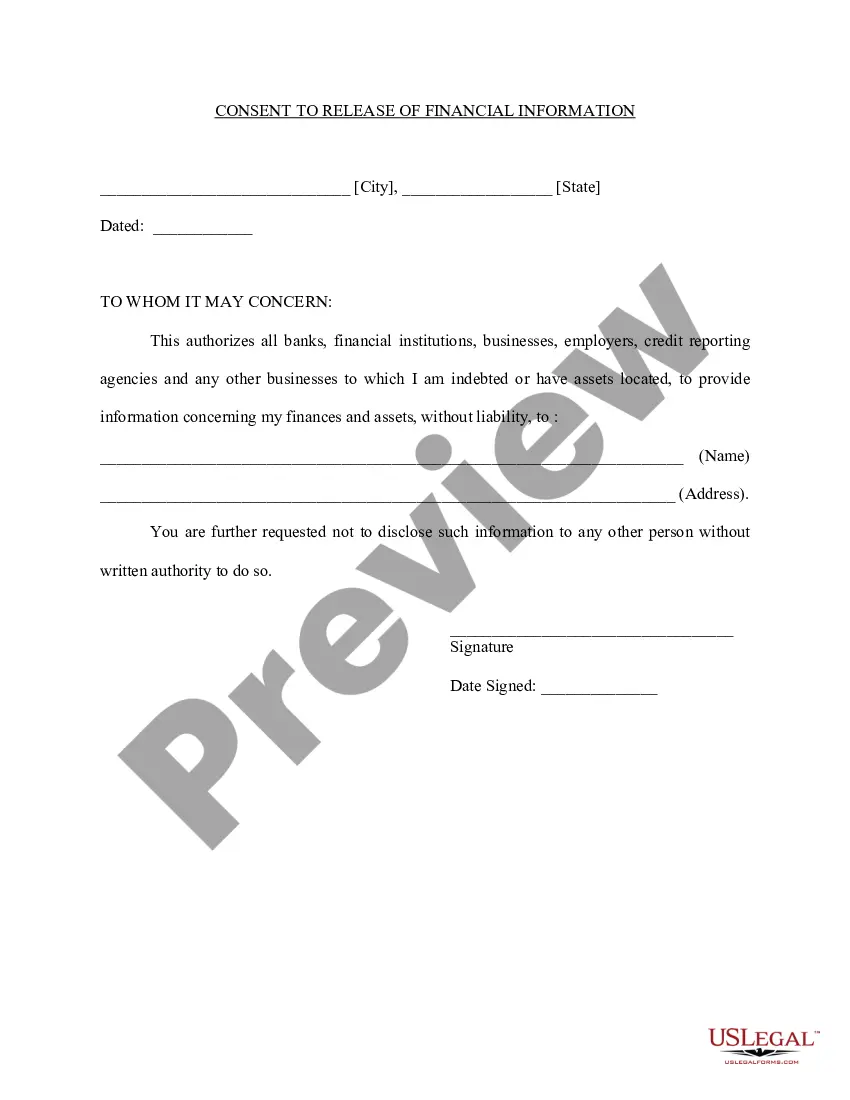
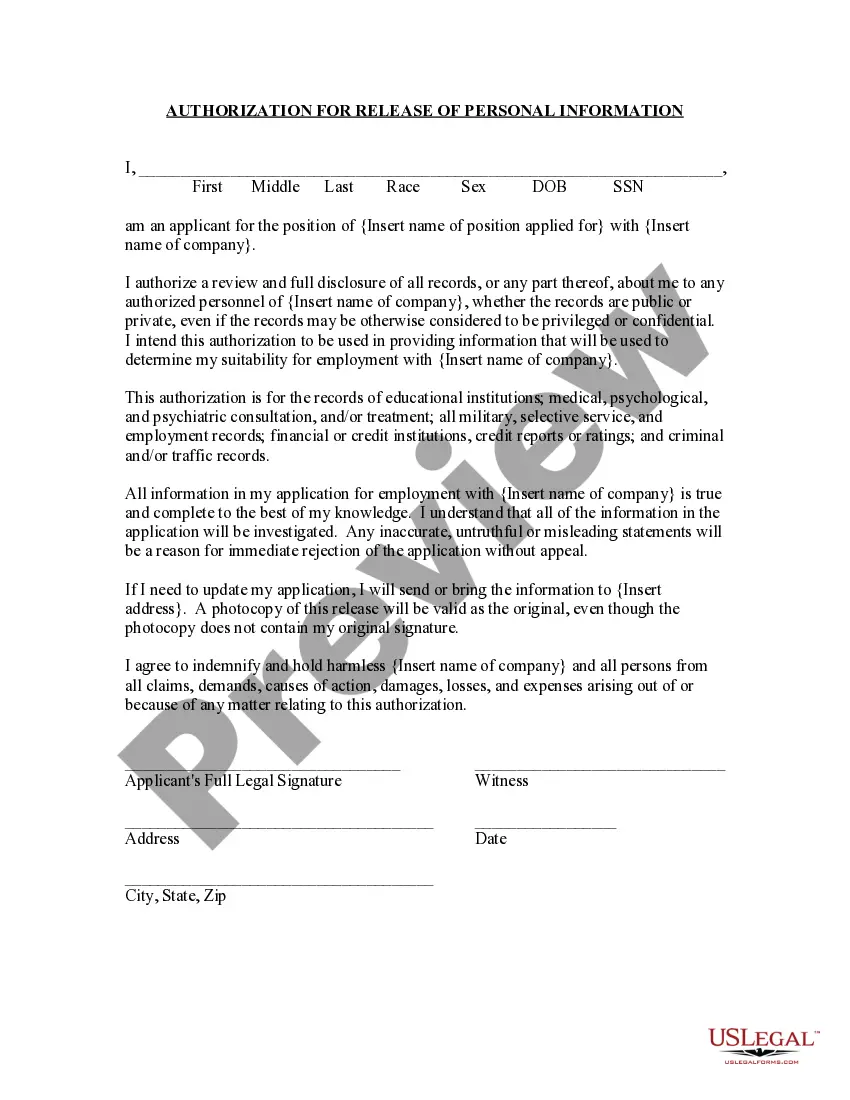
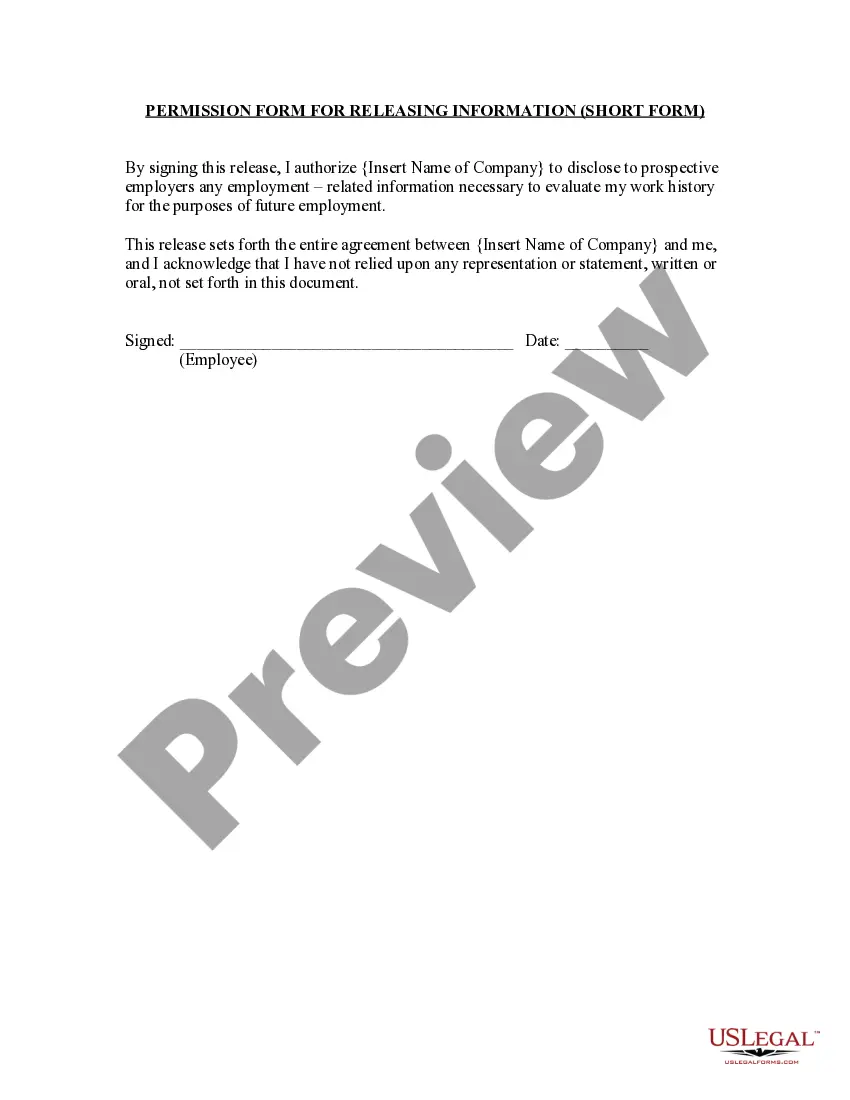
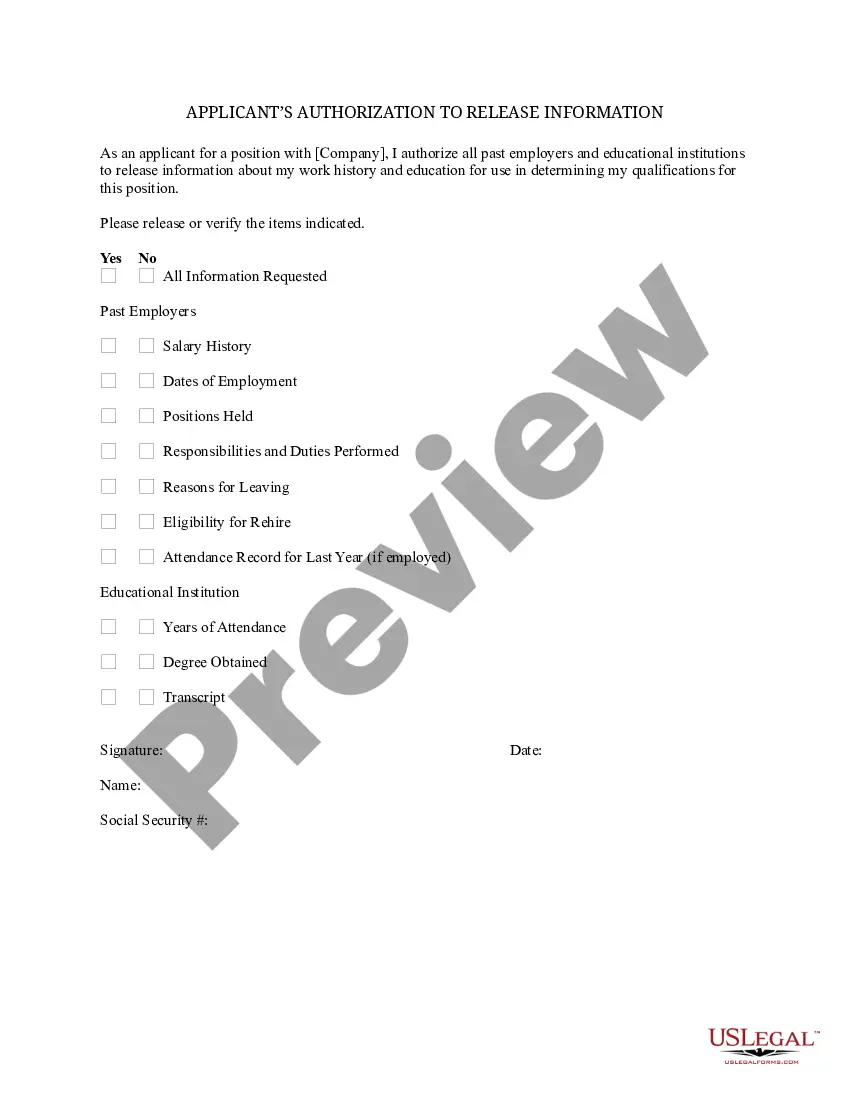
Medical Information Release Consent Form In Pennsylvania
Description

Get your form ready online
Our built-in tools help you complete, sign, share, and store your documents in one place.
Make edits, fill in missing information, and update formatting in US Legal Forms—just like you would in MS Word.
Download a copy, print it, send it by email, or mail it via USPS—whatever works best for your next step.
Sign and collect signatures with our SignNow integration. Send to multiple recipients, set reminders, and more. Go Premium to unlock E-Sign.
If this form requires notarization, complete it online through a secure video call—no need to meet a notary in person or wait for an appointment.
We protect your documents and personal data by following strict security and privacy standards.

Make edits, fill in missing information, and update formatting in US Legal Forms—just like you would in MS Word.

Download a copy, print it, send it by email, or mail it via USPS—whatever works best for your next step.

Sign and collect signatures with our SignNow integration. Send to multiple recipients, set reminders, and more. Go Premium to unlock E-Sign.

If this form requires notarization, complete it online through a secure video call—no need to meet a notary in person or wait for an appointment.

We protect your documents and personal data by following strict security and privacy standards.
Looking for another form?







Form popularity
FAQ
The limitations deadline for filing a lawsuit for medical malpractice in Pennsylvania is two years from when the malpractice was first discovered or should have been discovered. This law can be found in Title 42 (Judicial Procedure), Chapter 55 (Limitations of Time) of the Pennsylvania Consolidated Statutes. 42 Pa.
Release of Information Authorization Under the HIPAA Privacy Rule, when a release of information is intended for purposes other than medical treatment, healthcare operations, or payment, you'll need to sign an authorization for ROI.
--Consent is informed if the patient or the patient's authorized representative has been given a description of a procedure set forth in subsection (a) and the risks and alternatives that a reasonably prudent patient would require to make an informed decision as to that procedure.
With limited exceptions, the HIPAA Privacy Rule (the Privacy Rule) provides individuals with a legal, enforceable right to see and receive copies upon request of the information in their medical and other health records maintained by their health care providers and health plans.
In Pennsylvania, physicians must retain an adult patient's medical records for at least seven years from the last date of service. Requirements differ slightly for minor patients.
(1) A patient or his designee, including his attorney, shall have the right of access to all of his medical charts and records and to photocopy obtain photocopies of the same, without the use of a subpoena duces tecum, for his own use.
§ 16.95. (a) A physician shall maintain medical records for patients which accurately, legibly and completely reflect the evaluation and treatment of the patient. The components of the records are not required to be maintained at a single location. Entries in the medical record shall be made in a timely manner.
Section 25.213 - Medical records (a) A medical record shall be maintained for each patient, identifying the patient, the person making the entry, the date of each contact, pertinent clinical information, diagnoses, findings, laboratory results and other diagnostic, corrective or therapeutic procedures, including ...
.pcar Children less than 13 years old cannot give consent to sexual activity. Teens ages 13-15 years old cannot consent to sexual activities with anyone who is 4 or more years older than them. People ages 16 years and older can legally consent to sexual activity.