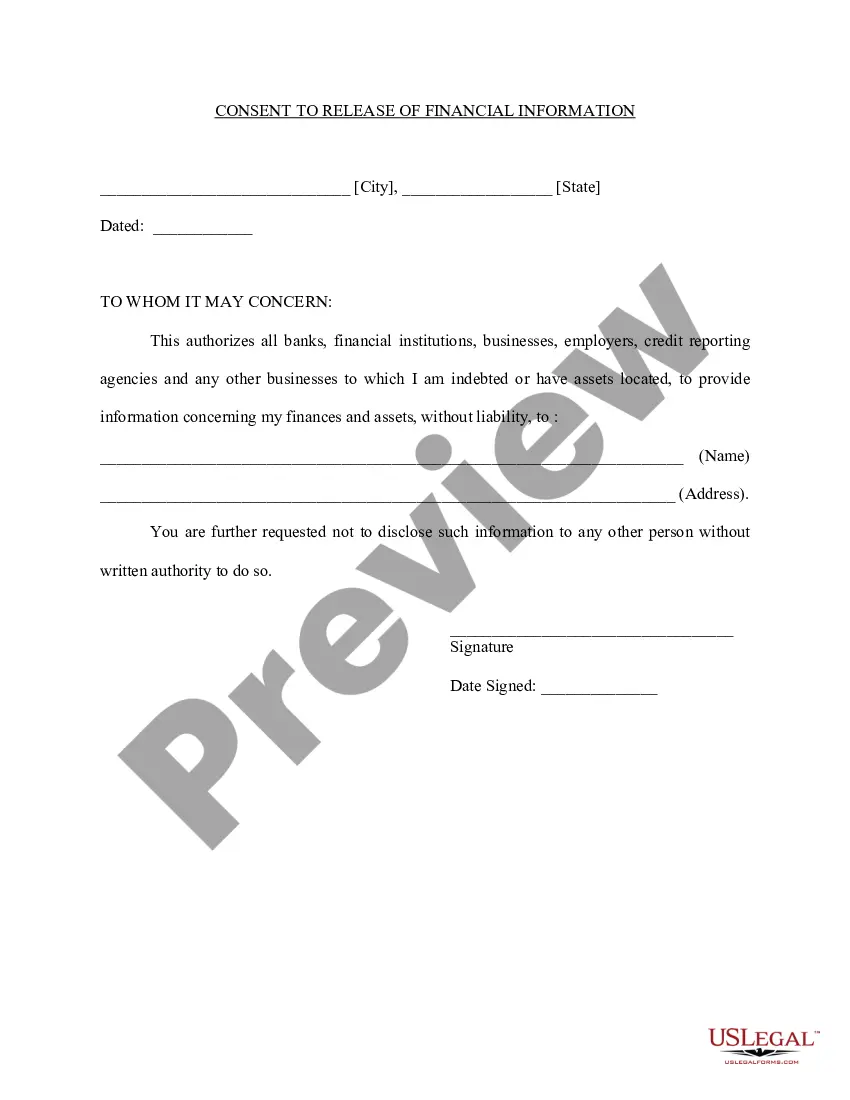
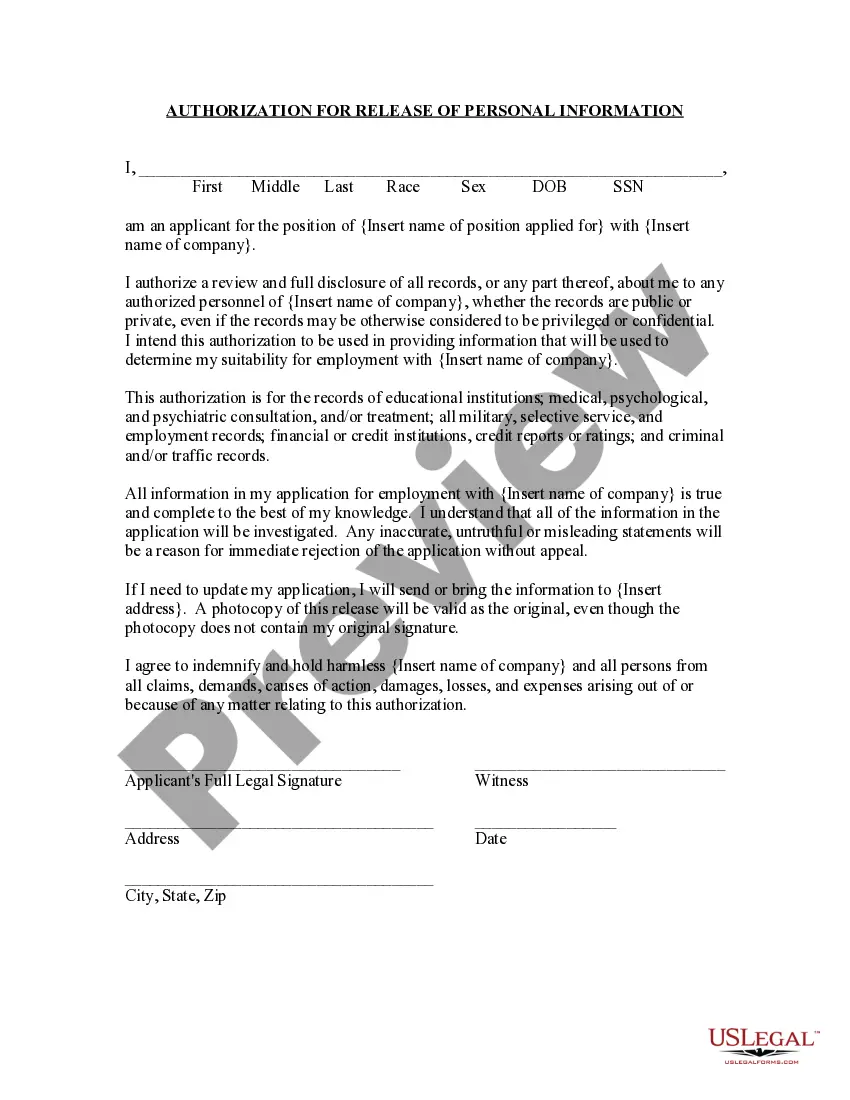
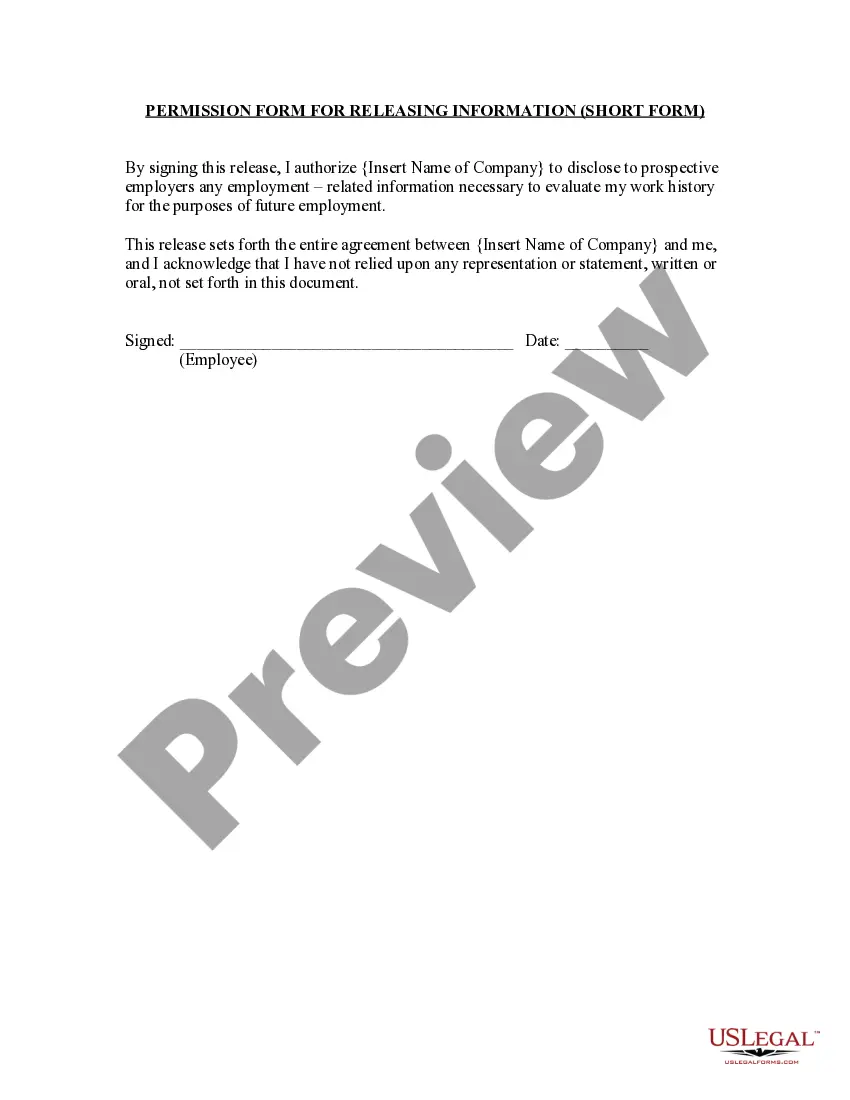
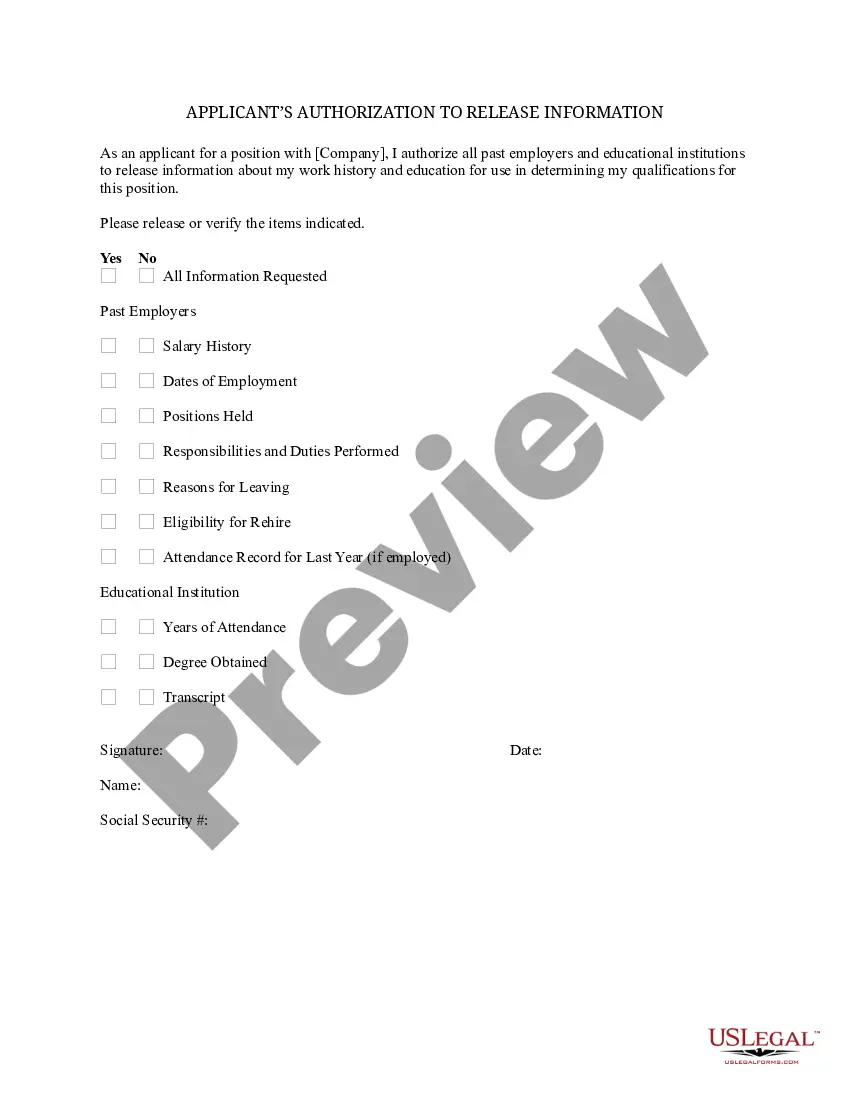
Compulsory Talent Information Release Consent Form In Minnesota
Description

Get your form ready online
Our built-in tools help you complete, sign, share, and store your documents in one place.
Make edits, fill in missing information, and update formatting in US Legal Forms—just like you would in MS Word.
Download a copy, print it, send it by email, or mail it via USPS—whatever works best for your next step.
Sign and collect signatures with our SignNow integration. Send to multiple recipients, set reminders, and more. Go Premium to unlock E-Sign.
If this form requires notarization, complete it online through a secure video call—no need to meet a notary in person or wait for an appointment.
We protect your documents and personal data by following strict security and privacy standards.

Make edits, fill in missing information, and update formatting in US Legal Forms—just like you would in MS Word.

Download a copy, print it, send it by email, or mail it via USPS—whatever works best for your next step.

Sign and collect signatures with our SignNow integration. Send to multiple recipients, set reminders, and more. Go Premium to unlock E-Sign.

If this form requires notarization, complete it online through a secure video call—no need to meet a notary in person or wait for an appointment.

We protect your documents and personal data by following strict security and privacy standards.
Looking for another form?








Form popularity
FAQ
Minnesota Rules 1205.1400, subpart 3, requires that individuals giving informed consent have sufficient mental capacity to understand the consequences of their decision to give consent. Minnesota Rules 1205.1400, subpart 4, requires that a valid informed consent must: Be voluntary and not coerced.
A Child Medical Consent Form, also known as a Child Medical Release Form, is a legal document that grants permission from a child's parent or legal guardian to another adult or healthcare provider to seek medical treatment for the child in case of illness or injury when the parent or guardian is not available.
A minor 15 years of age or older may give consent to hospital care, medical or surgical diagnosis or treatment by a physician, dentist, physician assistant, or nurse practitioner without the consent of a parent or guardian of the minor.
Simply put, a parental consent form is a legal document that requests authorization for your child to participate in one activity or the other.
Any person 16 years or older may request admission to a treatment facility or state-operated treatment program as a voluntary patient for observation or treatment of mental illness, chemical dependency, or developmental disability, and may consent to hospitalization, routine diagnostic evaluation, and emergency or ...
The Minnesota Health Records Act is in Minnesota Statutes 144.291-. 298 (formerly part of Minnesota Statutes 144.335).
Informed consent is the process in which a health care provider educates a patient about the risks, benefits, and alternatives of a treatment. The patient must be competent to make a voluntary decision about the treatment. Written informed consent is required for the use of psychotropic medications.