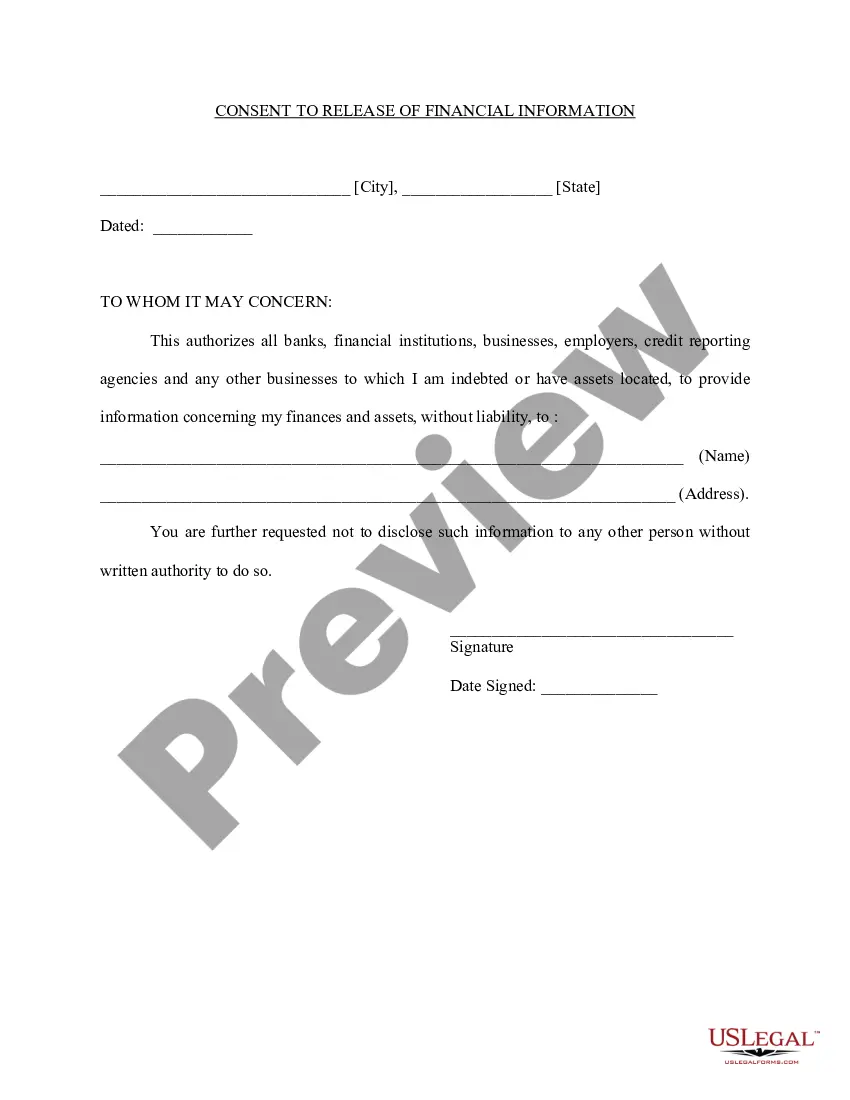
Medical Information Released Without Consent In Michigan
Description

Get your form ready online
Our built-in tools help you complete, sign, share, and store your documents in one place.
Make edits, fill in missing information, and update formatting in US Legal Forms—just like you would in MS Word.
Download a copy, print it, send it by email, or mail it via USPS—whatever works best for your next step.
Sign and collect signatures with our SignNow integration. Send to multiple recipients, set reminders, and more. Go Premium to unlock E-Sign.
If this form requires notarization, complete it online through a secure video call—no need to meet a notary in person or wait for an appointment.
We protect your documents and personal data by following strict security and privacy standards.

Make edits, fill in missing information, and update formatting in US Legal Forms—just like you would in MS Word.

Download a copy, print it, send it by email, or mail it via USPS—whatever works best for your next step.

Sign and collect signatures with our SignNow integration. Send to multiple recipients, set reminders, and more. Go Premium to unlock E-Sign.

If this form requires notarization, complete it online through a secure video call—no need to meet a notary in person or wait for an appointment.

We protect your documents and personal data by following strict security and privacy standards.
Looking for another form?








Form popularity
FAQ
Twelve states (California, Connecticut, Florida, Illinois, Maryland, Massachusetts, Michigan, Montana, New Hampshire, Oregon, Pennsylvania and Washington) require all parties to a conversation to consent to recording.
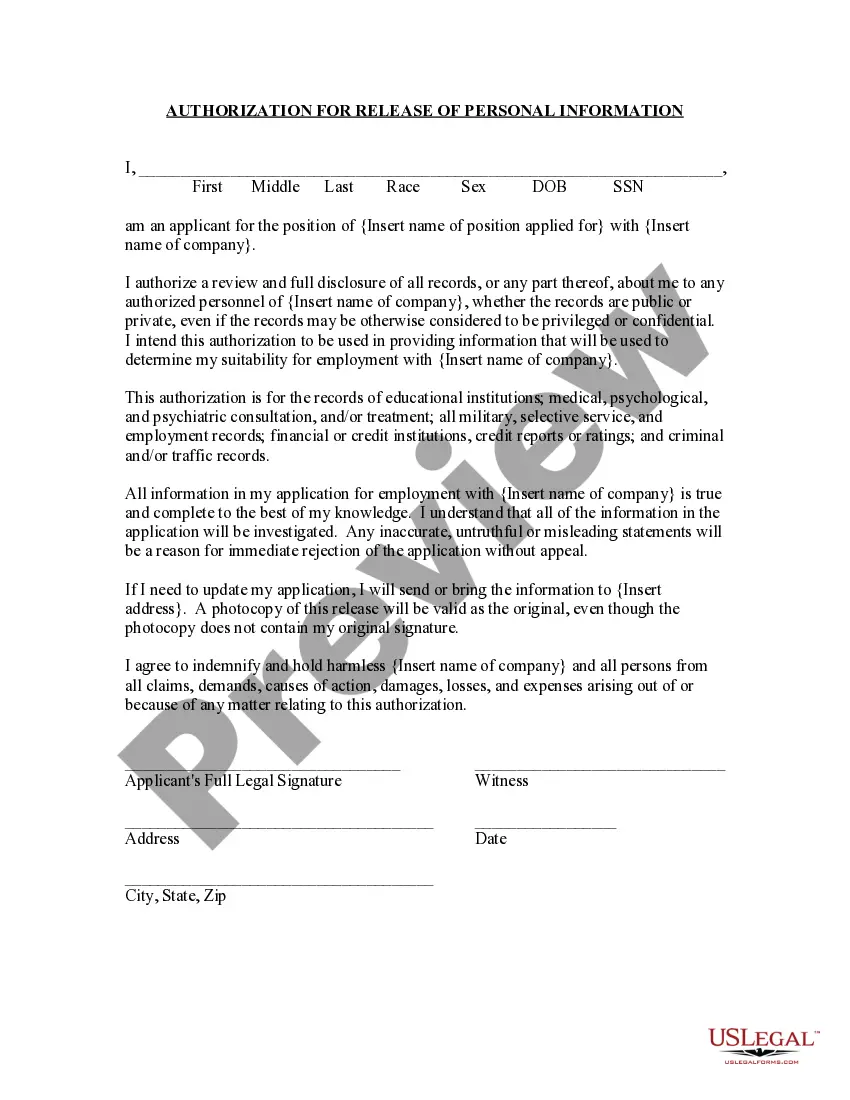
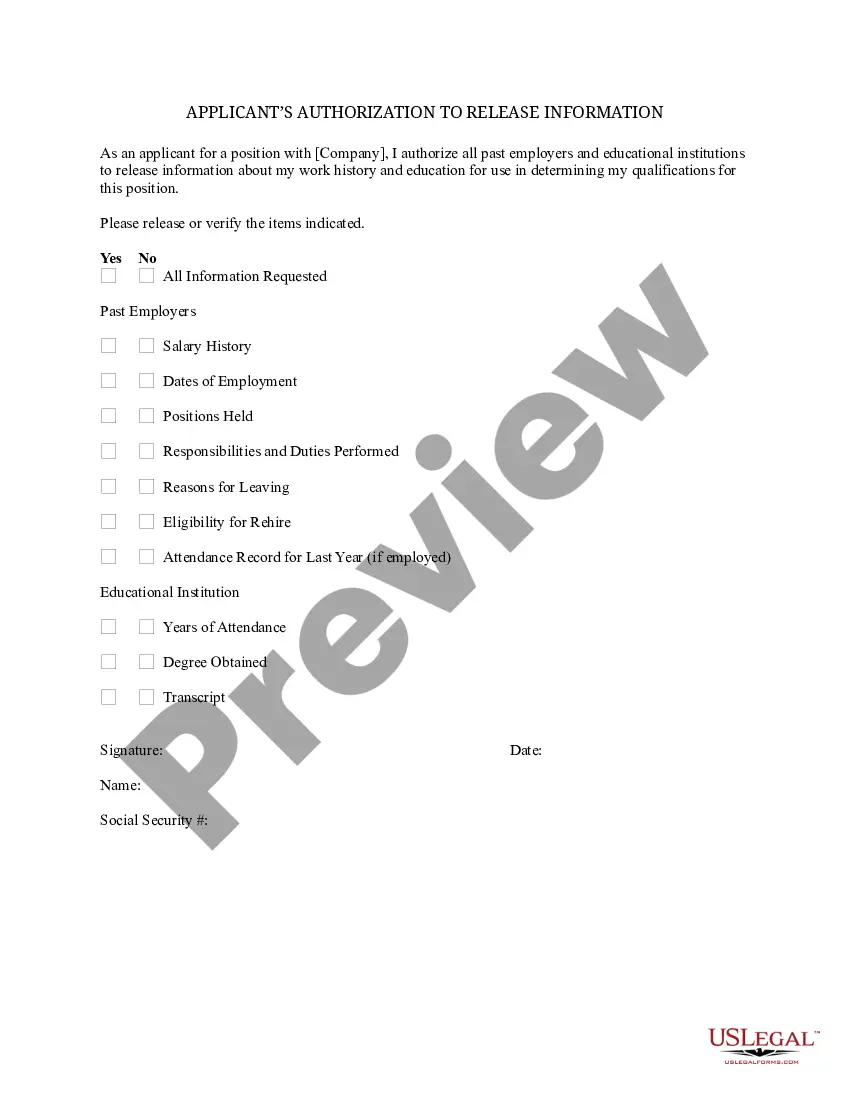
Content for a valid authorization includes: The name of the person or entity authorized to make the request (usually the patient) The complete name of the person or entity to receive the protected health information (PHI) A specific description of the information to be used or disclosed, including the dates of service.
Release of Information Authorization Under the HIPAA Privacy Rule, when a release of information is intended for purposes other than medical treatment, healthcare operations, or payment, you'll need to sign an authorization for ROI.
In the past, this might have been a seemingly insignificant issue, but now, with advancements in technology, eavesdropping is somewhat back in the spotlight. Eavesdropping in Michigan is actually a felony and can subject a person to civil liability.
Michigan is a one-party consent state for recording verbal conversations. As long as the person recording (“recorder”) is also a participant to the conversation, the recorder may record the conversation with “apparent impunity.” You may not employ a third-party to record a conversation.
(1) Except as otherwise provided by law or regulation, a patient or his or her authorized representative has the right to examine or obtain the patient's medical record.
How to Submit Requests and Receive Copies. To request a copy of your medical records (for personal use or for another healthcare provider), download, print and complete the Release of Information Authorization form. Once completed you may FAX or mail your request to the appropriate medical center listed below.
How to Submit Requests and Receive Copies. To request a copy of your medical records (for personal use or for another healthcare provider), download, print and complete the Release of Information Authorization form. Once completed you may FAX or mail your request to the appropriate medical center listed below.
You can download the authorization form here or call Release of Information at 734-936-5490. A valid authorization MUST contain the following information or the request will be returned: Patient's full name and date of birth (list any other names the patient may have had. Hospital registration number (if available)