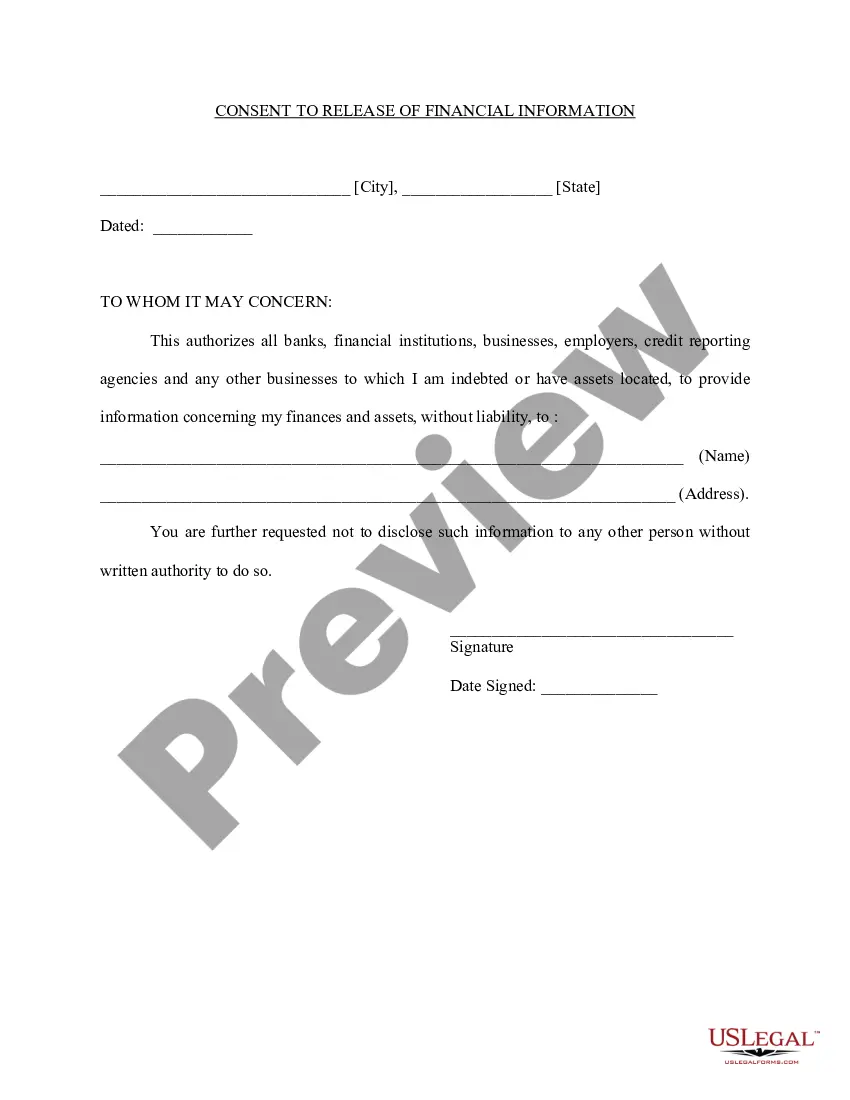
Release Records Without Consent In Massachusetts
Description

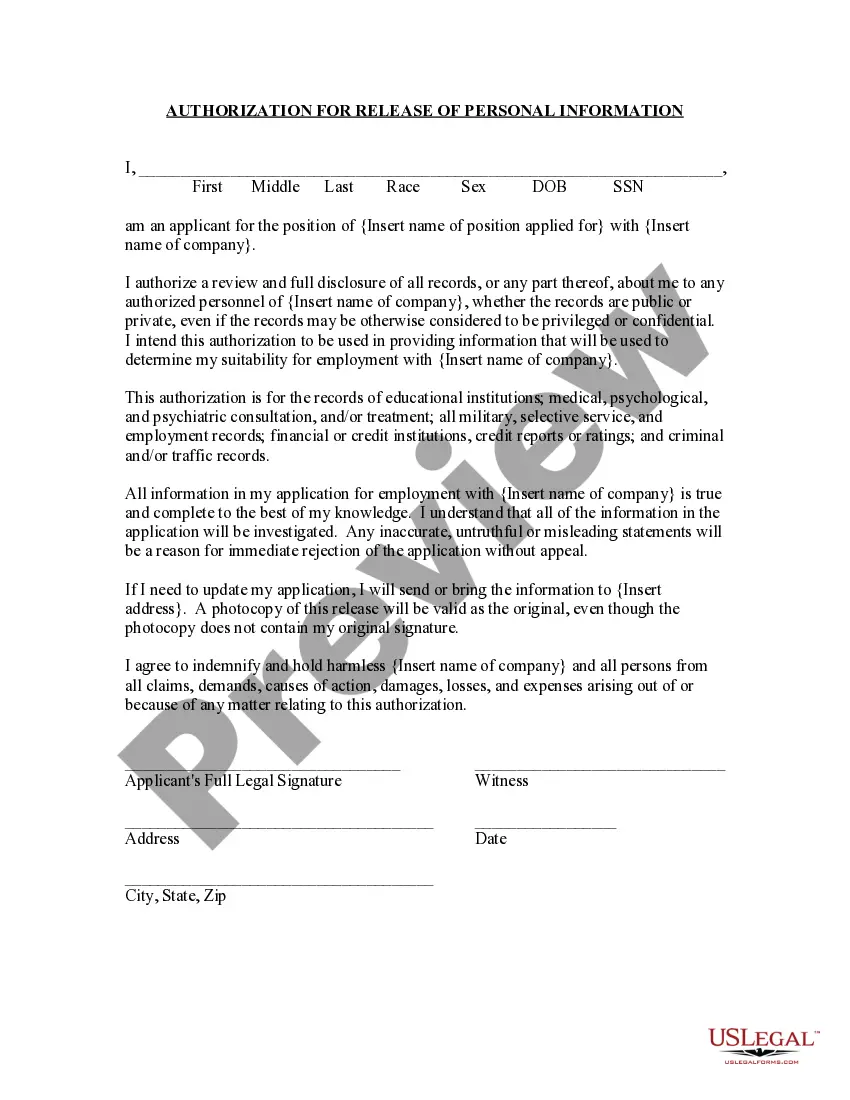
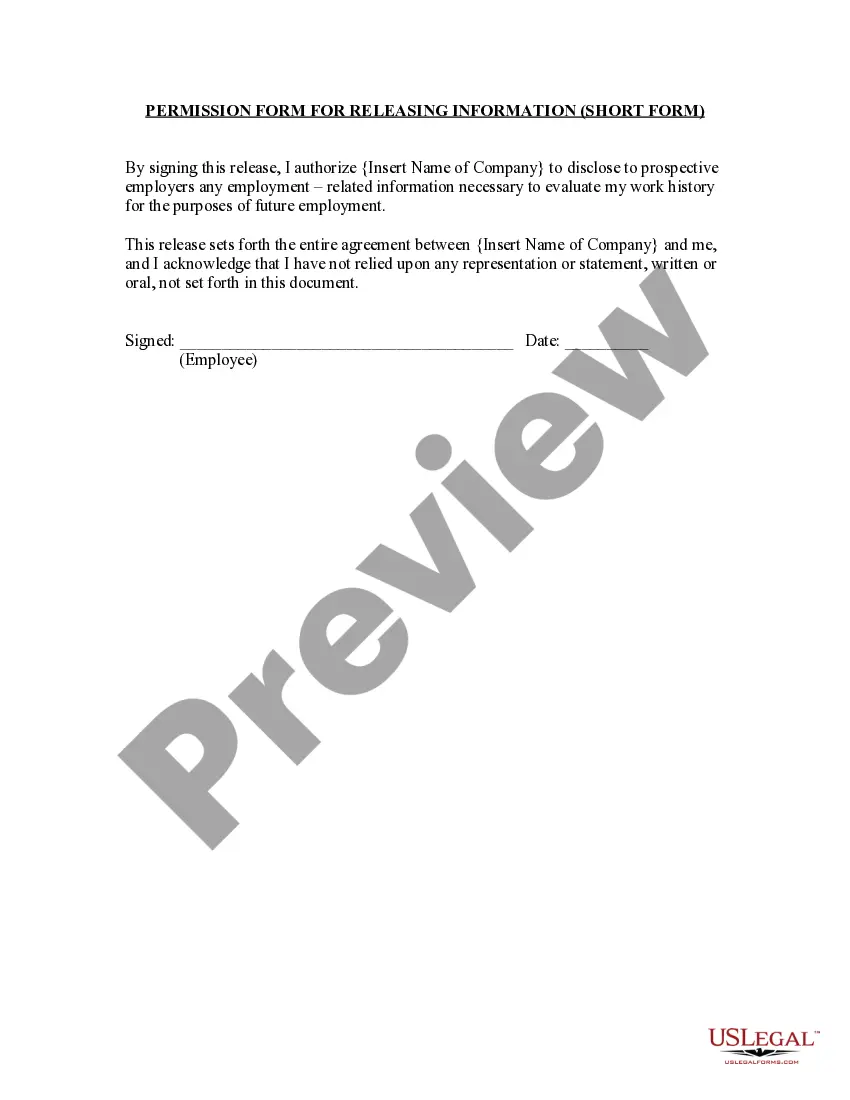
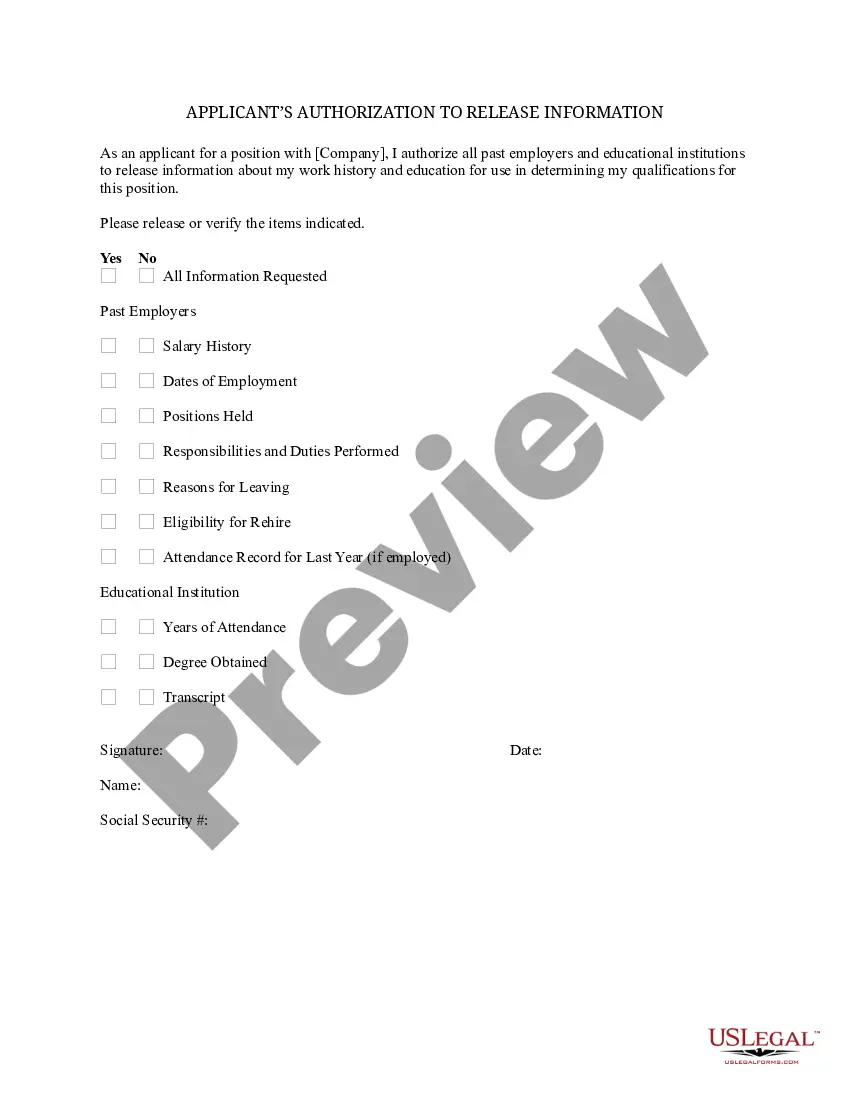
Get your form ready online
Our built-in tools help you complete, sign, share, and store your documents in one place.
Make edits, fill in missing information, and update formatting in US Legal Forms—just like you would in MS Word.
Download a copy, print it, send it by email, or mail it via USPS—whatever works best for your next step.
Sign and collect signatures with our SignNow integration. Send to multiple recipients, set reminders, and more. Go Premium to unlock E-Sign.
If this form requires notarization, complete it online through a secure video call—no need to meet a notary in person or wait for an appointment.
We protect your documents and personal data by following strict security and privacy standards.

Make edits, fill in missing information, and update formatting in US Legal Forms—just like you would in MS Word.

Download a copy, print it, send it by email, or mail it via USPS—whatever works best for your next step.

Sign and collect signatures with our SignNow integration. Send to multiple recipients, set reminders, and more. Go Premium to unlock E-Sign.

If this form requires notarization, complete it online through a secure video call—no need to meet a notary in person or wait for an appointment.

We protect your documents and personal data by following strict security and privacy standards.
Looking for another form?


Form popularity
FAQ
Massachusetts Wiretapping Law Massachusetts's wiretapping law often referred to is a "two-party consent" law. More accurately, Massachusetts makes it a crime to secretly record a conversation, whether the conversation is in-person or taking place by telephone or another medium. See Mass.
In Massachusetts, specifically, wiretapping is a felony. The penalties are as follows: Commiting or attempting to commit the interception - penalty is up to five years in a state prison or up to 2.5 years in jail, or a fine of up to $10,000, or a combination of imprisonment and fine.
Licensed Mental Health Counselors shall not communicate either verbally or in writing with others about a client without the client's express written consent, including any legal proceedings, except when the limits of confidentially may legally be invoked, such as, but not limited to, cases of potential harm to the ...
As noted above, federal law permits one-party consent to record a conversation. That consent can be made implicitly when one party to the communication is recording another. Consent can also be explicit, like when a reporter's source agrees to speak "on the record" for a news story.
Massachusetts law (Chapter 112) and Federal law (45 CFR; HIPAA, 1996) require that you are advised regarding how personal information about you may be used and disclosed and how you can get access to this information.
The only times a psychologist would break confidentiality are in the event of threats of harm to self or other; reports that a child (under 18 years of age) or an elder (60 years and older) is being abused or neglected in some way; or if there is a subpoena or court order.