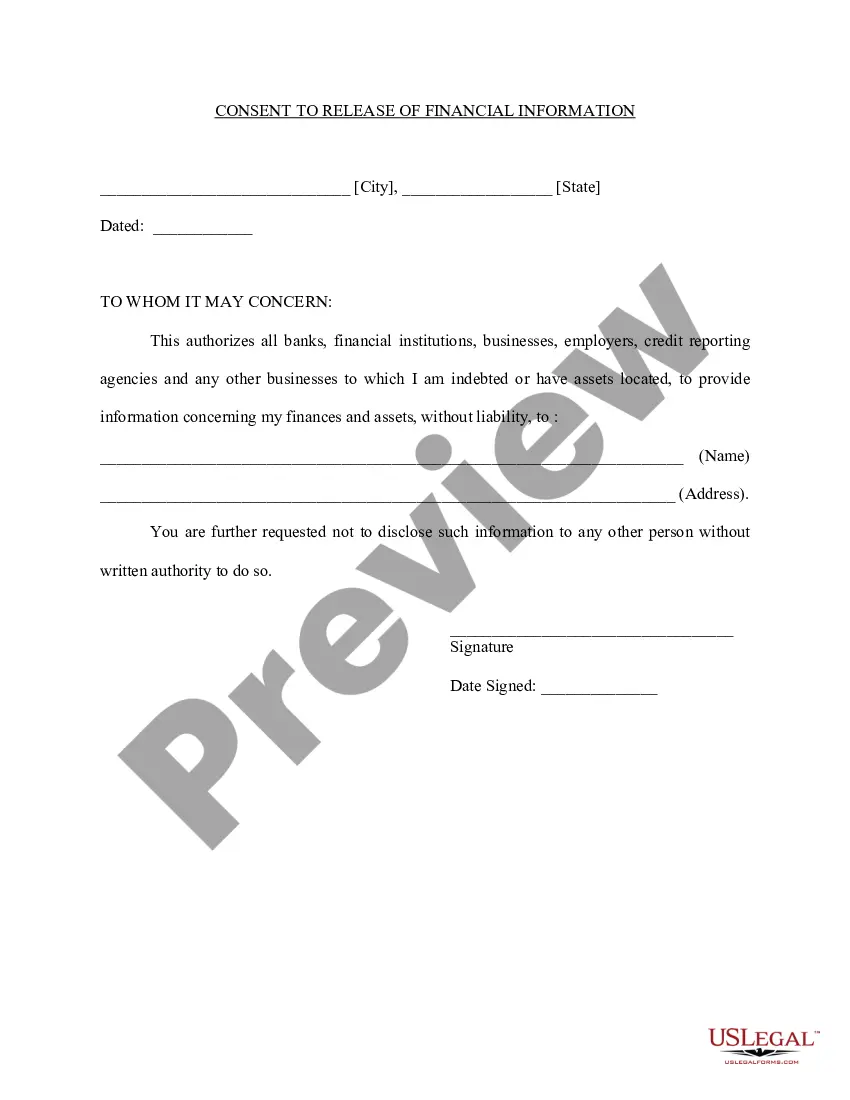
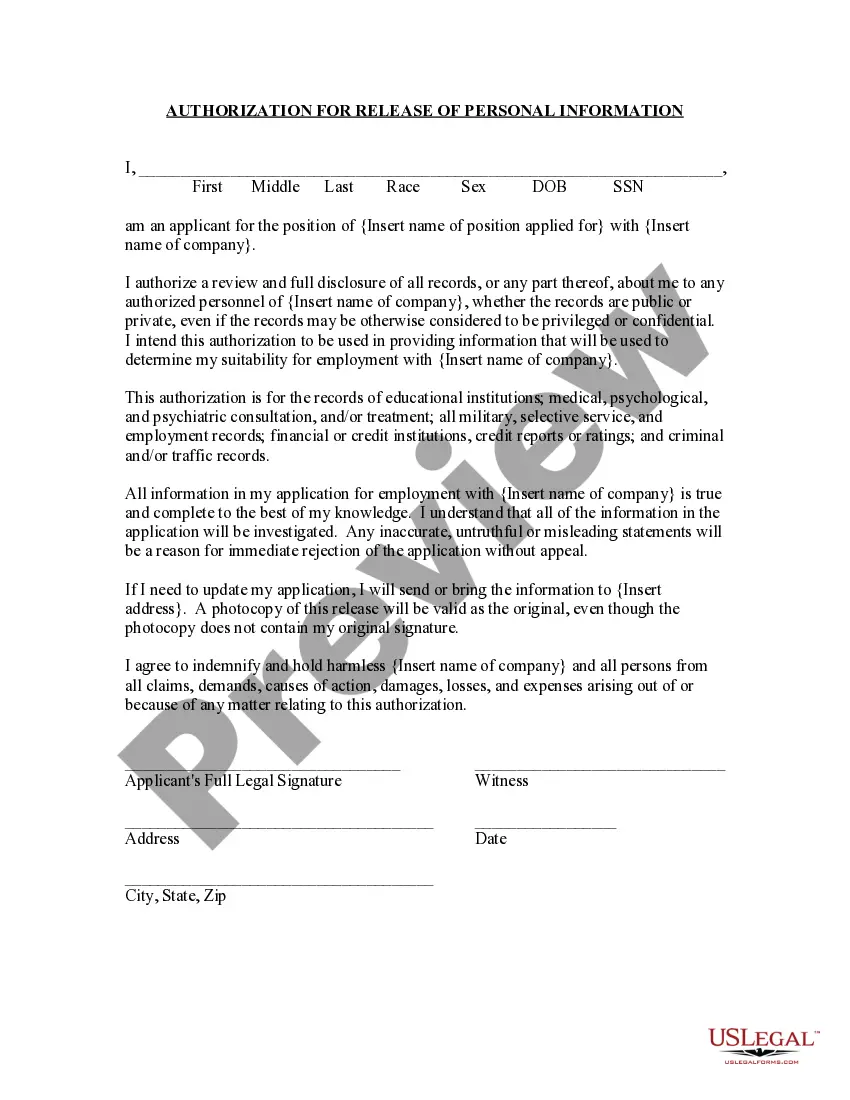
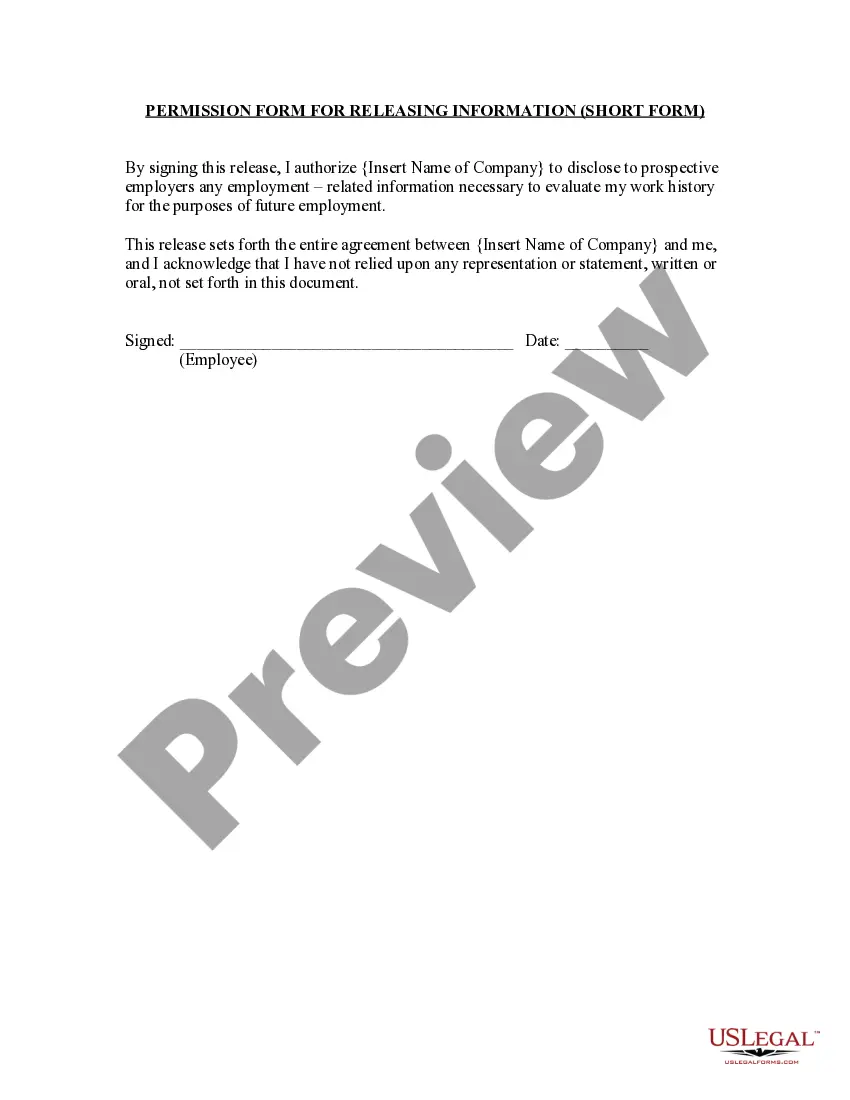
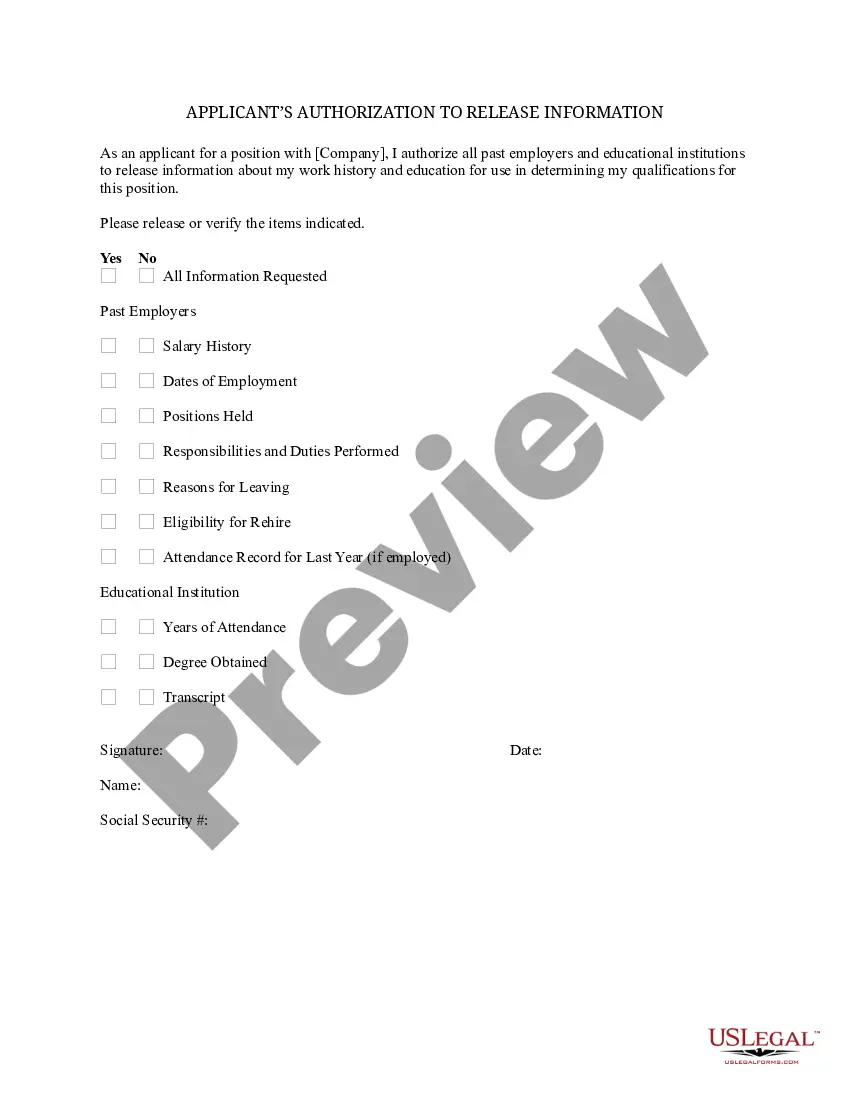
Medical Information Release Consent Form In Kings
Description

Get your form ready online
Our built-in tools help you complete, sign, share, and store your documents in one place.
Make edits, fill in missing information, and update formatting in US Legal Forms—just like you would in MS Word.
Download a copy, print it, send it by email, or mail it via USPS—whatever works best for your next step.
Sign and collect signatures with our SignNow integration. Send to multiple recipients, set reminders, and more. Go Premium to unlock E-Sign.
If this form requires notarization, complete it online through a secure video call—no need to meet a notary in person or wait for an appointment.
We protect your documents and personal data by following strict security and privacy standards.

Make edits, fill in missing information, and update formatting in US Legal Forms—just like you would in MS Word.

Download a copy, print it, send it by email, or mail it via USPS—whatever works best for your next step.

Sign and collect signatures with our SignNow integration. Send to multiple recipients, set reminders, and more. Go Premium to unlock E-Sign.

If this form requires notarization, complete it online through a secure video call—no need to meet a notary in person or wait for an appointment.

We protect your documents and personal data by following strict security and privacy standards.
Looking for another form?








Form popularity
FAQ
Release of Information Authorization Under the HIPAA Privacy Rule, when a release of information is intended for purposes other than medical treatment, healthcare operations, or payment, you'll need to sign an authorization for ROI.
UK law requires that any personal medical records made by the NHS MUST be retained for a minimum of twelve years. This applies to private healthcare providers and employers using medical records as well.
A request for information from medical records has to be made with the organisation that holds your records – the data controller. For example, your GP practice, optician or dentist. For hospital records, contact the records manager or patient services manager at the relevant hospital trust.
You have a legal right to access the personal information held about you by health and care organisations. You can already obtain this information at any time you choose by making a Subject Access Request (SAR), however, it takes up to one calendar month for your GP practice to provide the information.
To obtain a copy of your hospital records you will need to apply in writing to the hospital's records manager at the hospital where you received your treatment. Links to the various NHS hospital trusts: NHS England: NHS Choices website.
Content for a valid authorization includes: The name of the person or entity authorized to make the request (usually the patient) The complete name of the person or entity to receive the protected health information (PHI) A specific description of the information to be used or disclosed, including the dates of service.
? Medical report request letter The letter typically includes the patient's name and date of birth, as well as the dates of service being requested. The letter may also include a release of information form, which the patient must sign in order to authorize the release of their medical records.
Check their website: Information about how to get your health record may be found under the Contact Us section of a provider's website. It may direct you to an online portal, a phone number, an email address, or a form. Phone or visit: You can also call or visit your provider and ask them how to get your health record.