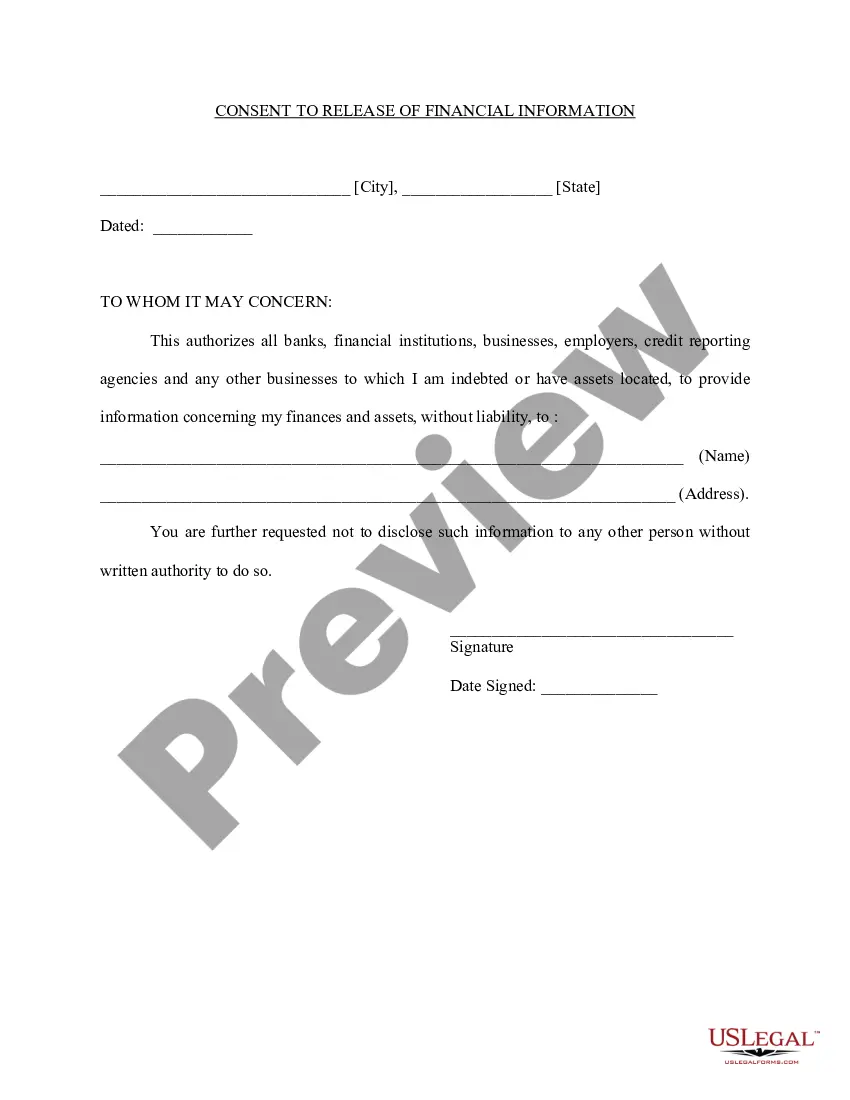
Ferpa Release Information Without Consent In Florida
Description

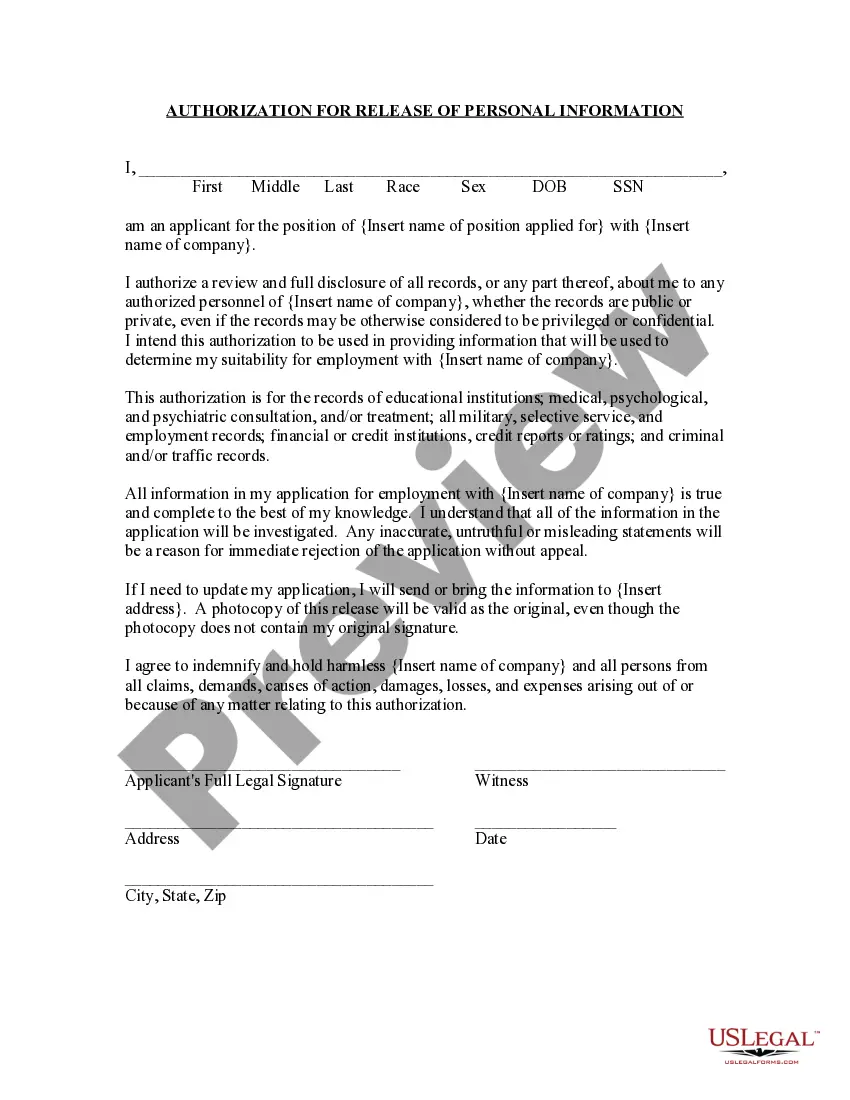
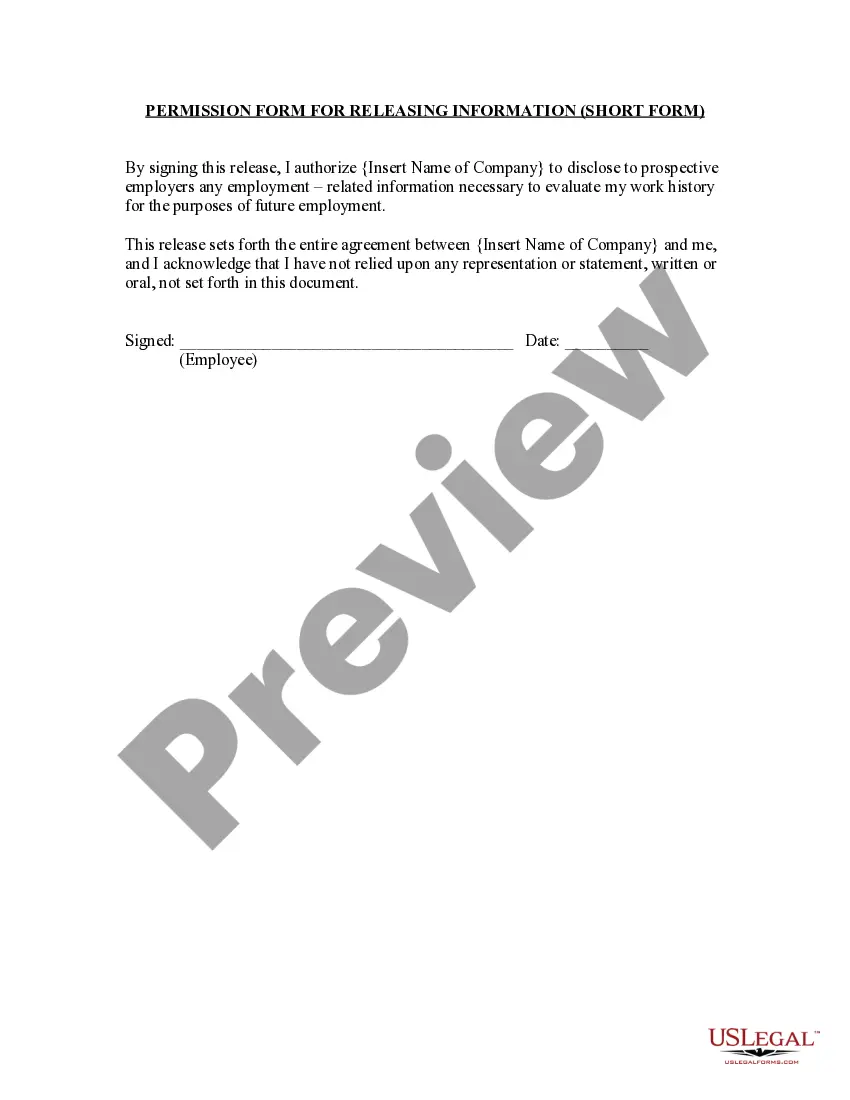
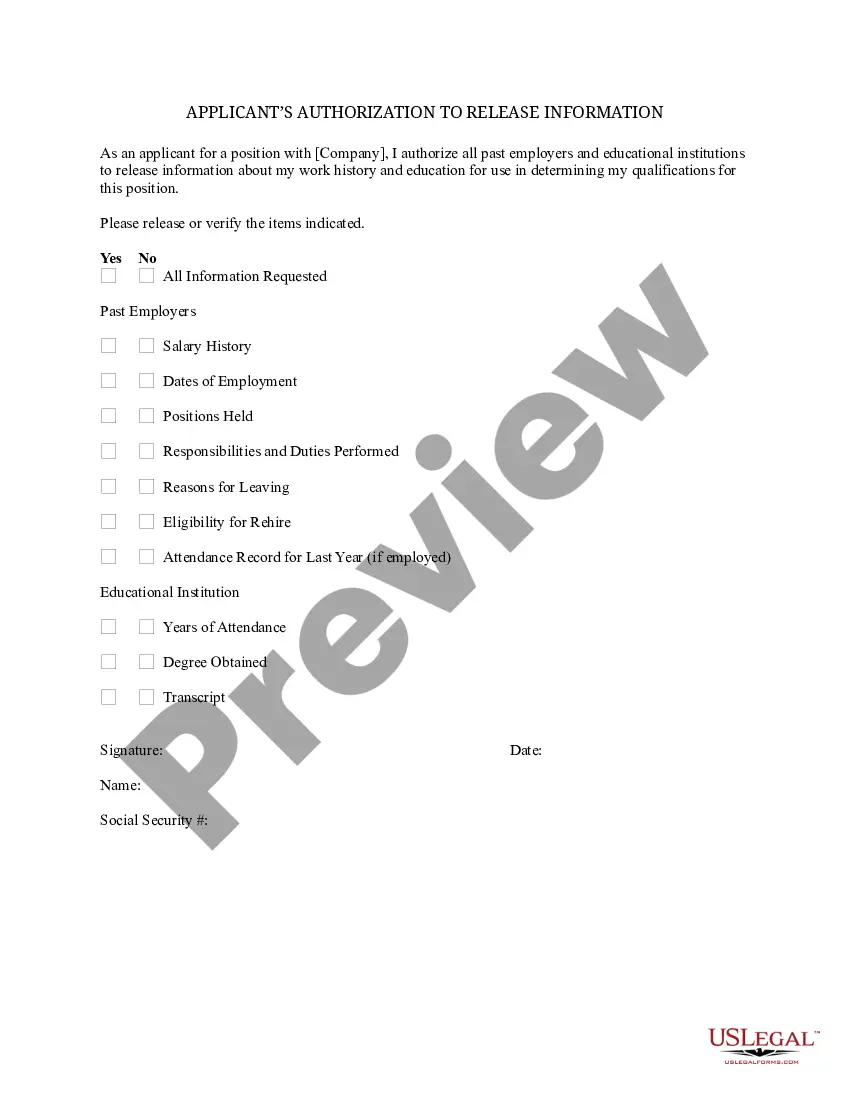
Get your form ready online
Our built-in tools help you complete, sign, share, and store your documents in one place.
Make edits, fill in missing information, and update formatting in US Legal Forms—just like you would in MS Word.
Download a copy, print it, send it by email, or mail it via USPS—whatever works best for your next step.
Sign and collect signatures with our SignNow integration. Send to multiple recipients, set reminders, and more. Go Premium to unlock E-Sign.
If this form requires notarization, complete it online through a secure video call—no need to meet a notary in person or wait for an appointment.
We protect your documents and personal data by following strict security and privacy standards.

Make edits, fill in missing information, and update formatting in US Legal Forms—just like you would in MS Word.

Download a copy, print it, send it by email, or mail it via USPS—whatever works best for your next step.

Sign and collect signatures with our SignNow integration. Send to multiple recipients, set reminders, and more. Go Premium to unlock E-Sign.

If this form requires notarization, complete it online through a secure video call—no need to meet a notary in person or wait for an appointment.

We protect your documents and personal data by following strict security and privacy standards.
Looking for another form?





Form popularity
FAQ
Most private and parochial schools at the elementary and secondary level do not receive these federal funds and, therefore, are not subject to FERPA. Do FERPA regulations apply to charter schools? Yes.
Students can authorize the release of their records in two ways: Come to the Registrar's Office to complete a Records Release Authorization form. Complete it and turn it into the Registrar's Office with a photo ID.
A new state law, House Bill 733 (2023), requires that all middle schools begin no earlier than a.m. and all high schools begin no earlier than a.m. These new start times will also impact elementary schools. The changes will take effect in the 2026-2027 school year, starting August 2026.
The Family Educational Rights and Privacy Act (FERPA) is a Federal law designed to protect the privacy of a student's education records. The law applies to all schools which receive funds under an applicable program of the U.S. Department of Education.
Ferpa is a federal law that does two things: (1) Protects the privacy of student education records (2) Gives parents certain rights related to a student's education records. State and local authorities, within a juvenile justice system, pursuant to specific State law.
The Florida Tax Credit Scholarship (FTC) and the Family Empowerment Scholarship for Educational Options (FES-EO) give your child access to the education that best meets their needs. These scholarships provide on average $8,000 in financial assistance for private school tuition and related costs.
Final answer: School officials can release identifiable information without parental consent when required by law, in emergencies or to school officials with legitimate interests.
Ing to FERPA, student grades must not be released or made available to third parties. UCF policy restricts instructors from posting grades in classrooms, or on Websites unless the student's identity is concealed by a secure password-entry interface (i.e., myUCF).