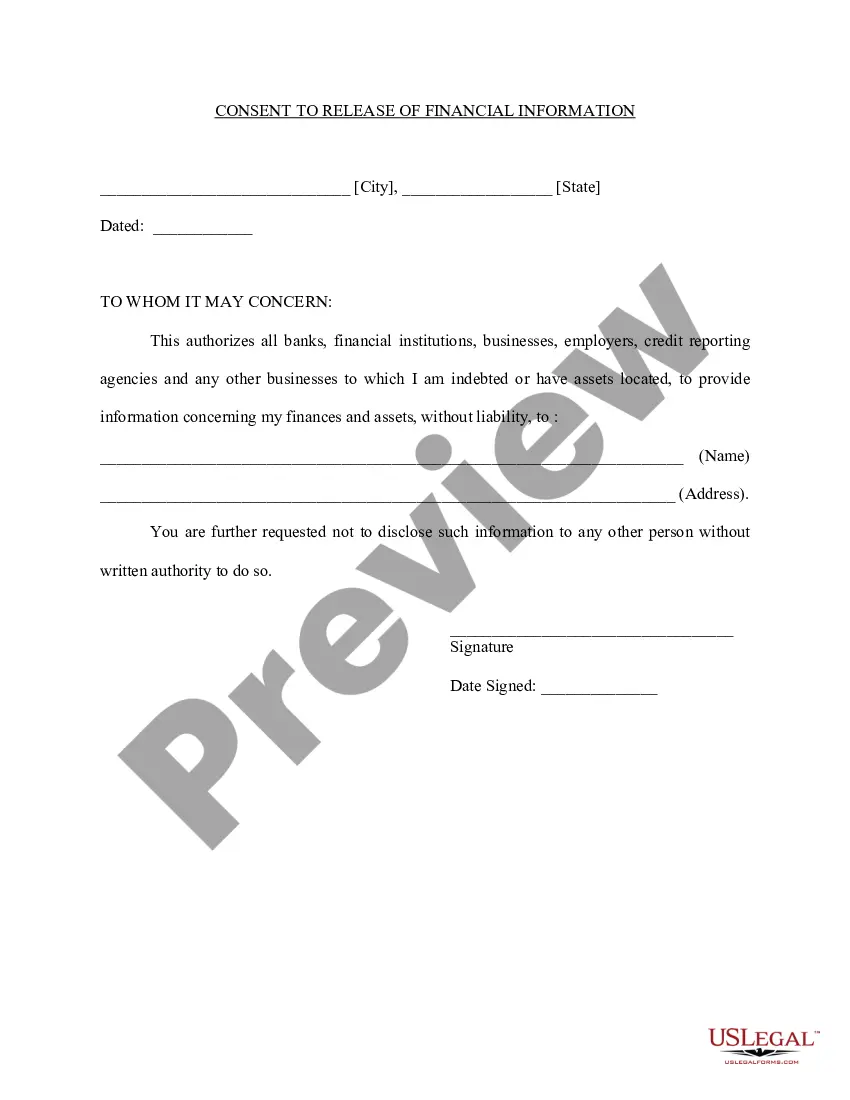
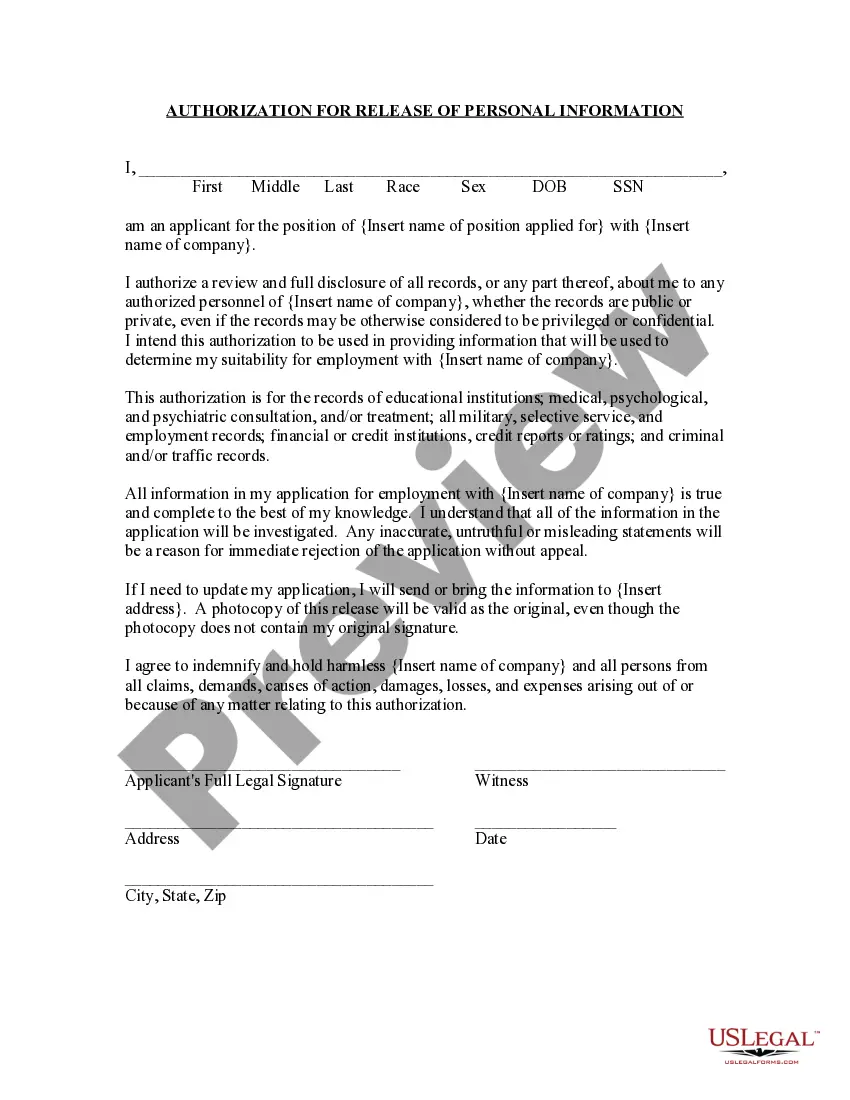
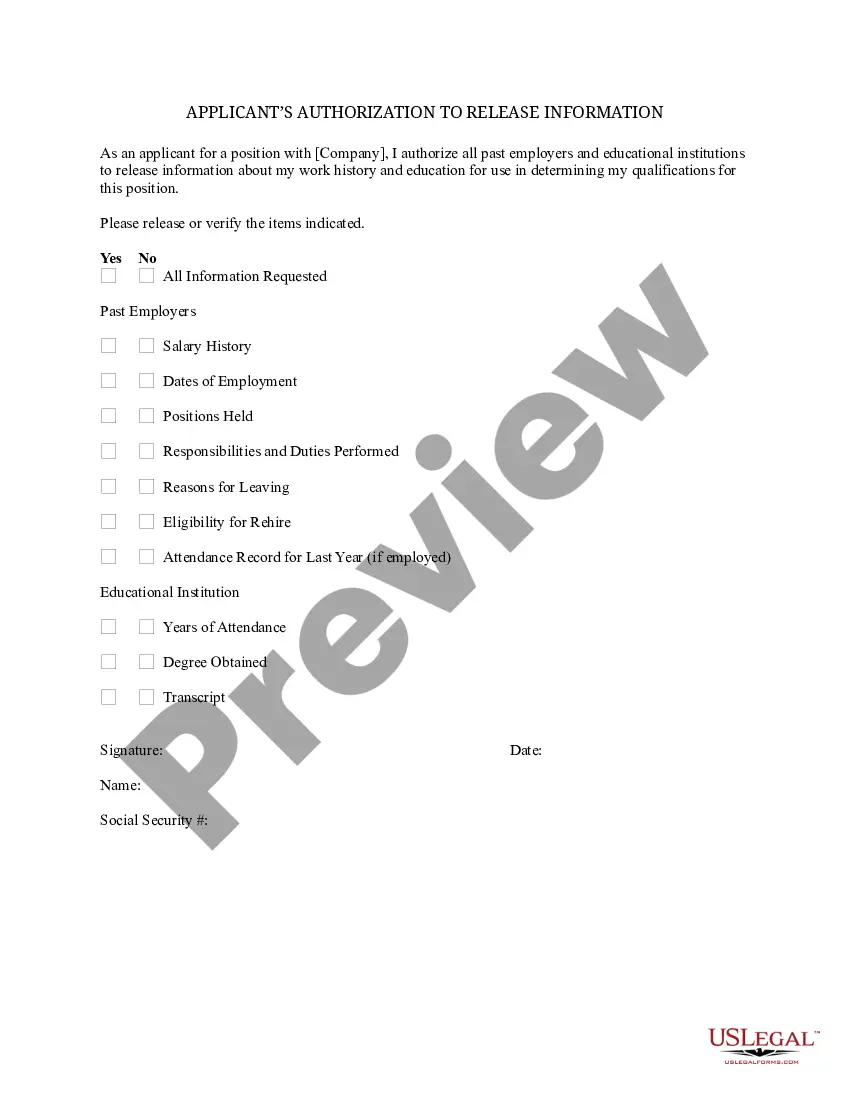
Release Of Medical Information Consent Form Template In Bexar
Description

Get your form ready online
Our built-in tools help you complete, sign, share, and store your documents in one place.
Make edits, fill in missing information, and update formatting in US Legal Forms—just like you would in MS Word.
Download a copy, print it, send it by email, or mail it via USPS—whatever works best for your next step.
Sign and collect signatures with our SignNow integration. Send to multiple recipients, set reminders, and more. Go Premium to unlock E-Sign.
If this form requires notarization, complete it online through a secure video call—no need to meet a notary in person or wait for an appointment.
We protect your documents and personal data by following strict security and privacy standards.

Make edits, fill in missing information, and update formatting in US Legal Forms—just like you would in MS Word.

Download a copy, print it, send it by email, or mail it via USPS—whatever works best for your next step.

Sign and collect signatures with our SignNow integration. Send to multiple recipients, set reminders, and more. Go Premium to unlock E-Sign.

If this form requires notarization, complete it online through a secure video call—no need to meet a notary in person or wait for an appointment.

We protect your documents and personal data by following strict security and privacy standards.
Looking for another form?


Form popularity
FAQ
How do I fill out a HIPAA release form? Provide instructions. Name the patient and individual authorized to use or disclose their PHI. Describe the information. Specify recipients. Specify the purpose of disclosure. Specify the time period. Detail their revocation rights. Obtain the patient's signature.
The Department adopts in paragraph (c)(1), the following core elements for a valid authorization: (1) a description of the information to be used or disclosed, (2) the identification of the persons or class of persons authorized to make the use or disclosure of the protected health information, (3) the identification ...
Notarization and/or a witness' signature is sometimes required for court or legal related releases. For all other releases, the patient's or designated representative's signature is sufficient and notarization and/or a witness signature is not required. 4.
Content for a valid authorization includes: The name of the person or entity authorized to make the request (usually the patient) The complete name of the person or entity to receive the protected health information (PHI) A specific description of the information to be used or disclosed, including the dates of service.
If you are not using a form, be sure to include the full name, address, phone number, and secure fax or secure email address where the provider can send you the records.
A HIPAA release form is a document that – when signed – allows healthcare providers to share a patient's protected health information (PHI) with specified individuals or organizations, ing to the details stipulated in the form.
Each Medical Record shall contain sufficient, accurate information to identify the patient, support the diagnosis, justify the treatment, document the course and results, and promote continuity of care among health care providers.