Application Caregiver Form With 2 Points In Wayne
Description



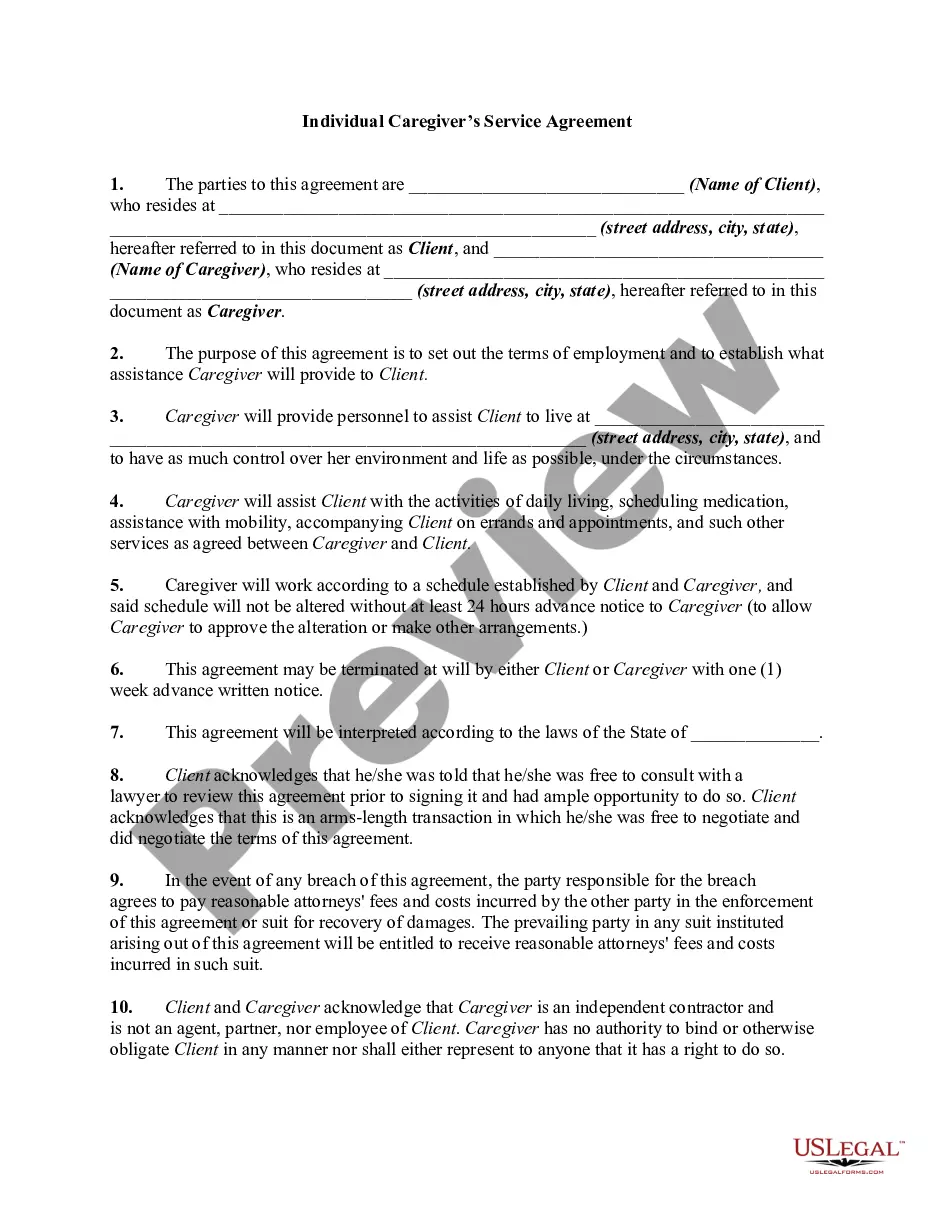


Get your form ready online
Our built-in tools help you complete, sign, share, and store your documents in one place.
Make edits, fill in missing information, and update formatting in US Legal Forms—just like you would in MS Word.
Download a copy, print it, send it by email, or mail it via USPS—whatever works best for your next step.
Sign and collect signatures with our SignNow integration. Send to multiple recipients, set reminders, and more. Go Premium to unlock E-Sign.
If this form requires notarization, complete it online through a secure video call—no need to meet a notary in person or wait for an appointment.
We protect your documents and personal data by following strict security and privacy standards.

Make edits, fill in missing information, and update formatting in US Legal Forms—just like you would in MS Word.

Download a copy, print it, send it by email, or mail it via USPS—whatever works best for your next step.

Sign and collect signatures with our SignNow integration. Send to multiple recipients, set reminders, and more. Go Premium to unlock E-Sign.

If this form requires notarization, complete it online through a secure video call—no need to meet a notary in person or wait for an appointment.

We protect your documents and personal data by following strict security and privacy standards.
Looking for another form?










Form popularity
FAQ
One alternative name for a caregiver is a "care provider." This term emphasizes the role of the caregiver in providing essential care and assistance to individuals in need. Care providers offer support, comfort, and aid to individuals who require assistance with daily tasks or specialized care.
Emphasis on Role: “Caregiver” and “carer” emphasize the act of giving care, with a focus on the practical and emotional work involved. “Caretaker” suggests a more functional or managerial role, often with a broader focus on property or task management.
The Difference Between Them Caretaking can often become overbearing and foster dependency, while caregiving respects the person's autonomy and encourages self-reliance. Caregivers understand the importance of empowering the person to manage their own life, even when they're there to assist.
Apply for this visa if you currently work for, or have a job offer from, an accredited employer, and you have worked in a care workforce role for 24 months.
In both countries the people who provide most of the care are family members and friends. In the United Kingdom, that person is called a “carer.” In the United States, the most common designation is “family caregiver,” with “family” interpreted broadly. The differences go deeper than terminology.
There are no specific requirements to become a health care assistant. However, employers usually prefer you to have, or work towards, a qualification such as: Aged Care, Home and Community Support: New Zealand Certificate in Health and Wellbeing (Level 2)
Caregiver: Primarily focuses on personal care and medical needs of individuals. Caretaker: This can include care for property, animals, and broader non-personal care roles.
The CRA is a multidimensional instrument for assessing family caregivers' risk of excessive burden. Adult caregivers (family members, friends, related persons) of people receiving professional home care.
As you will all probably know, there is a shortage of caregivers and nurses in the aged care sector throughout New Zealand.
