Caregiver Form Template For Elderly In Wake
Description

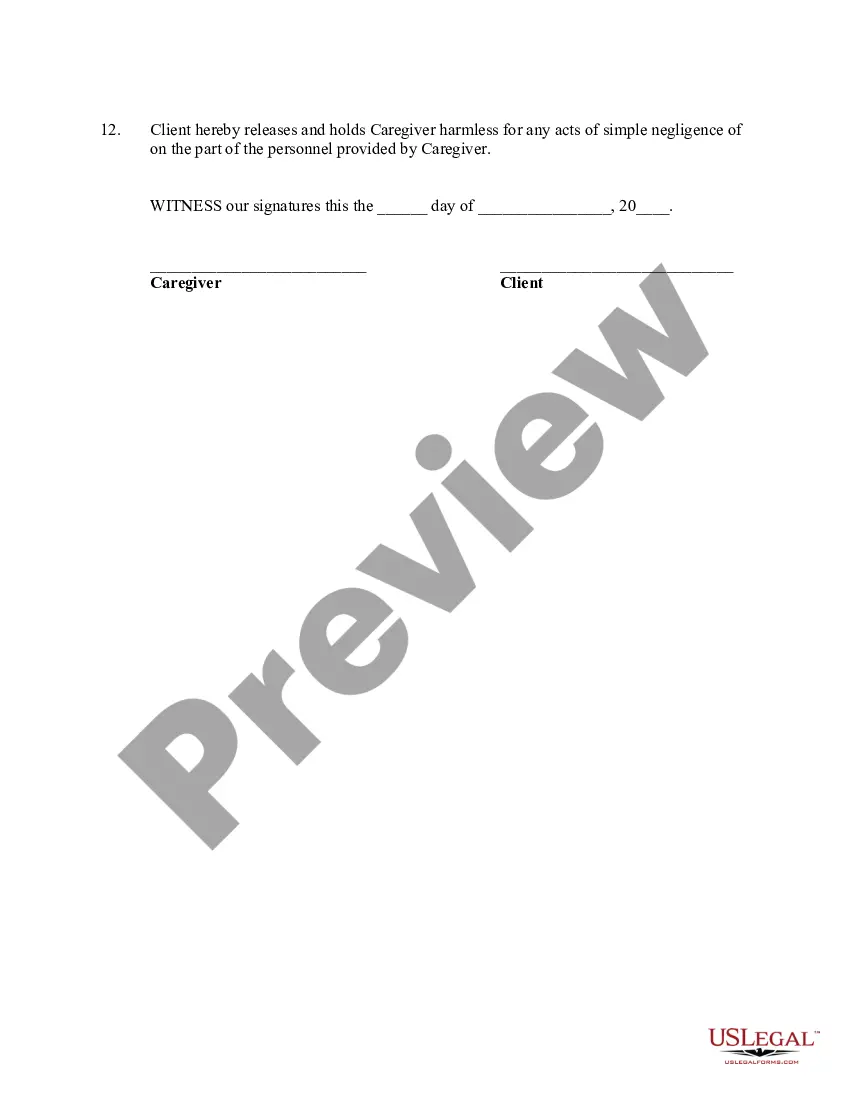
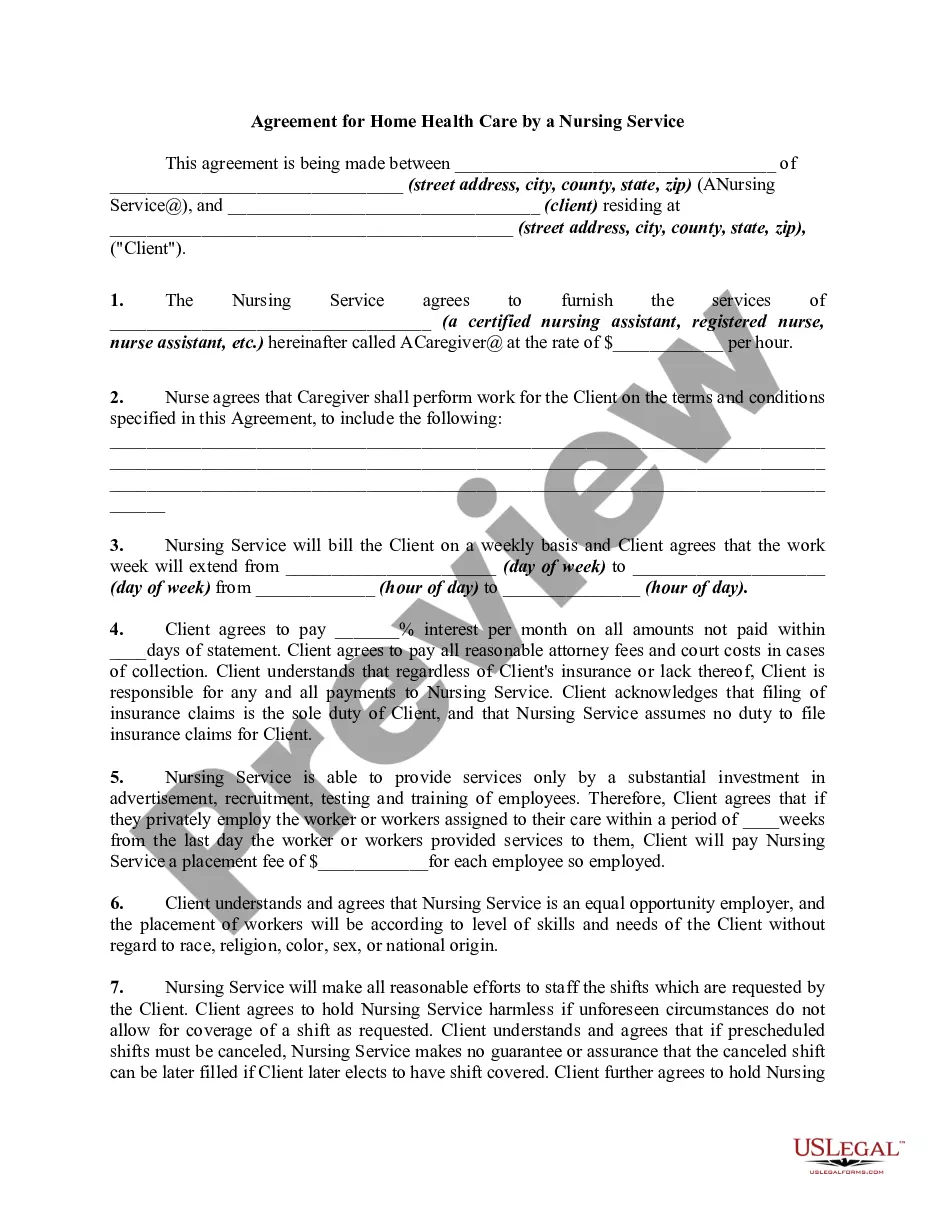
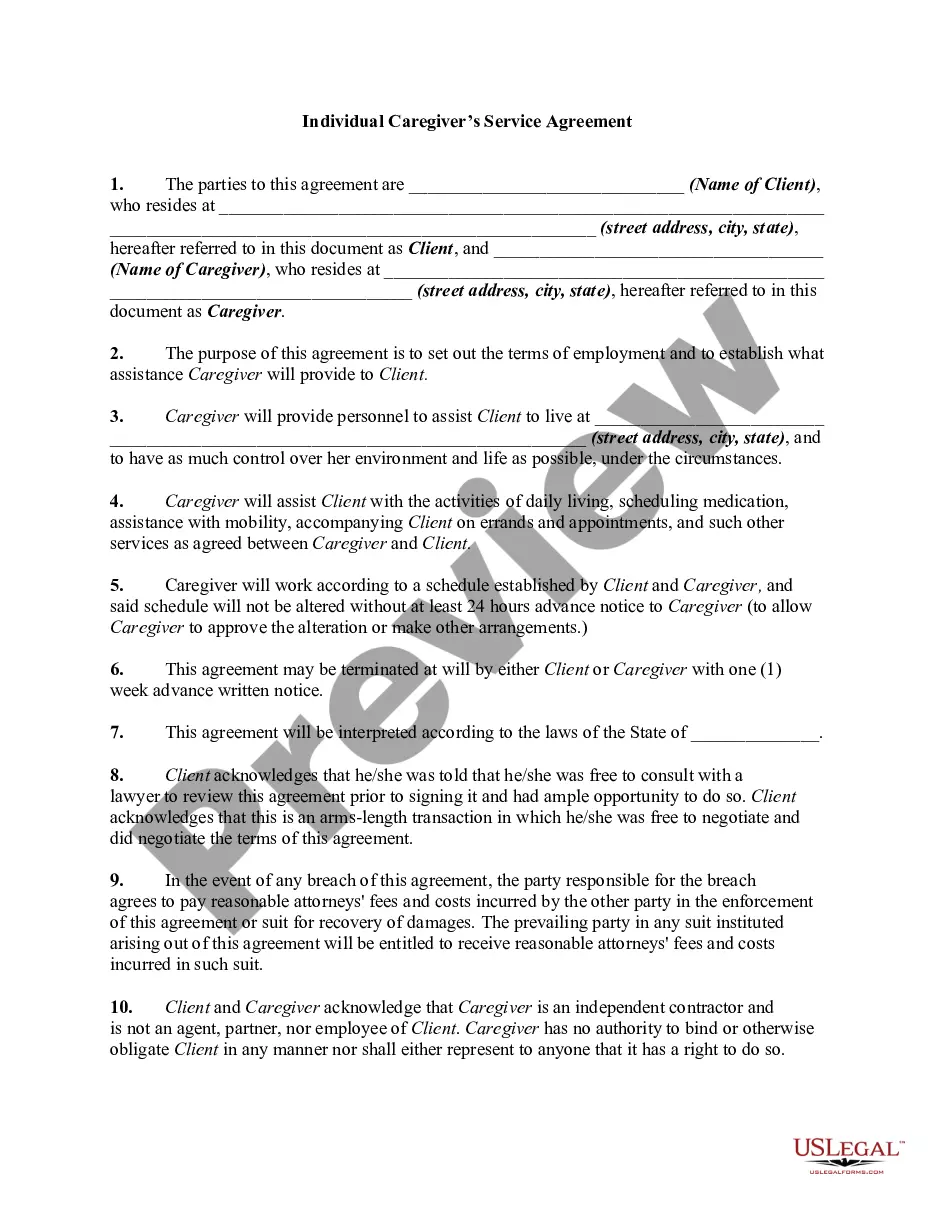
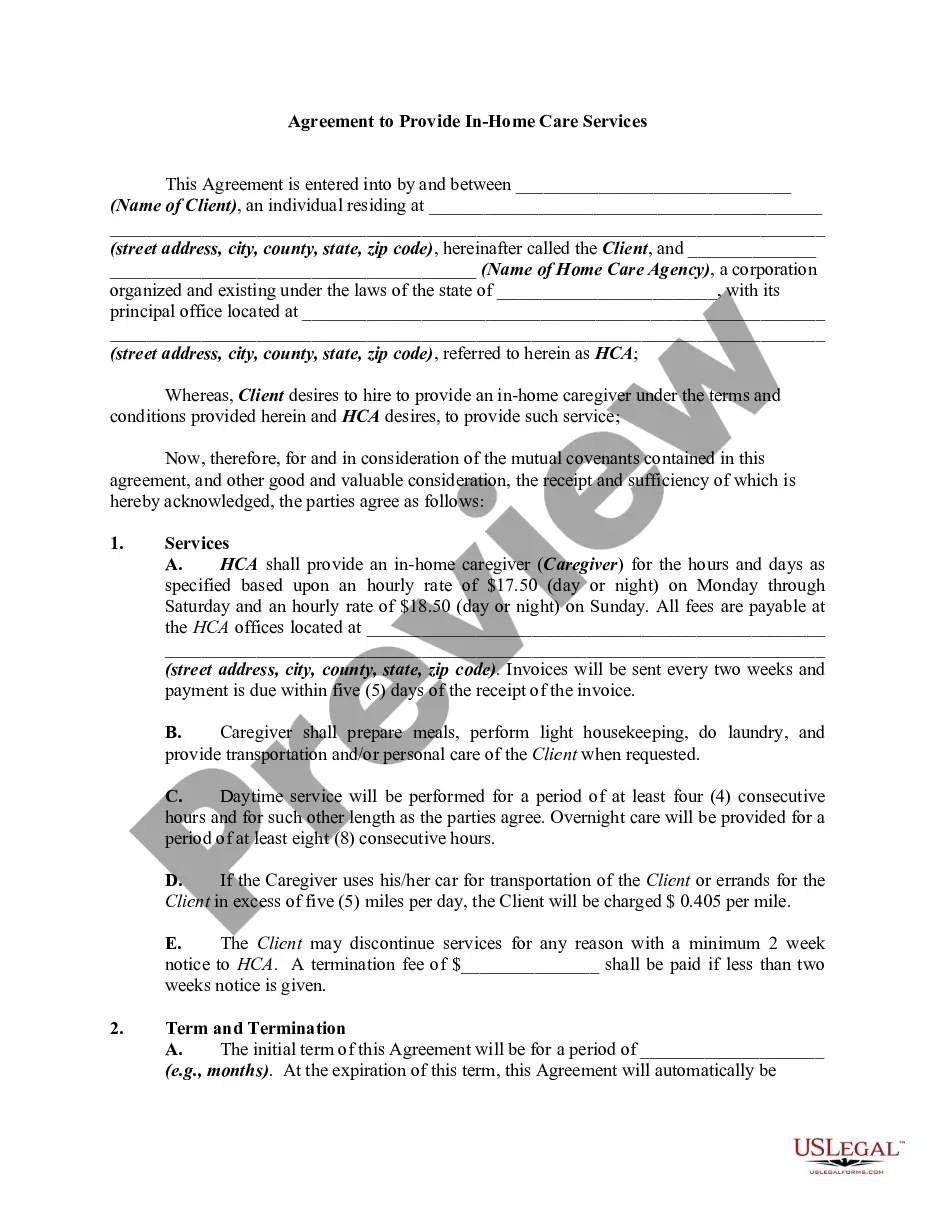
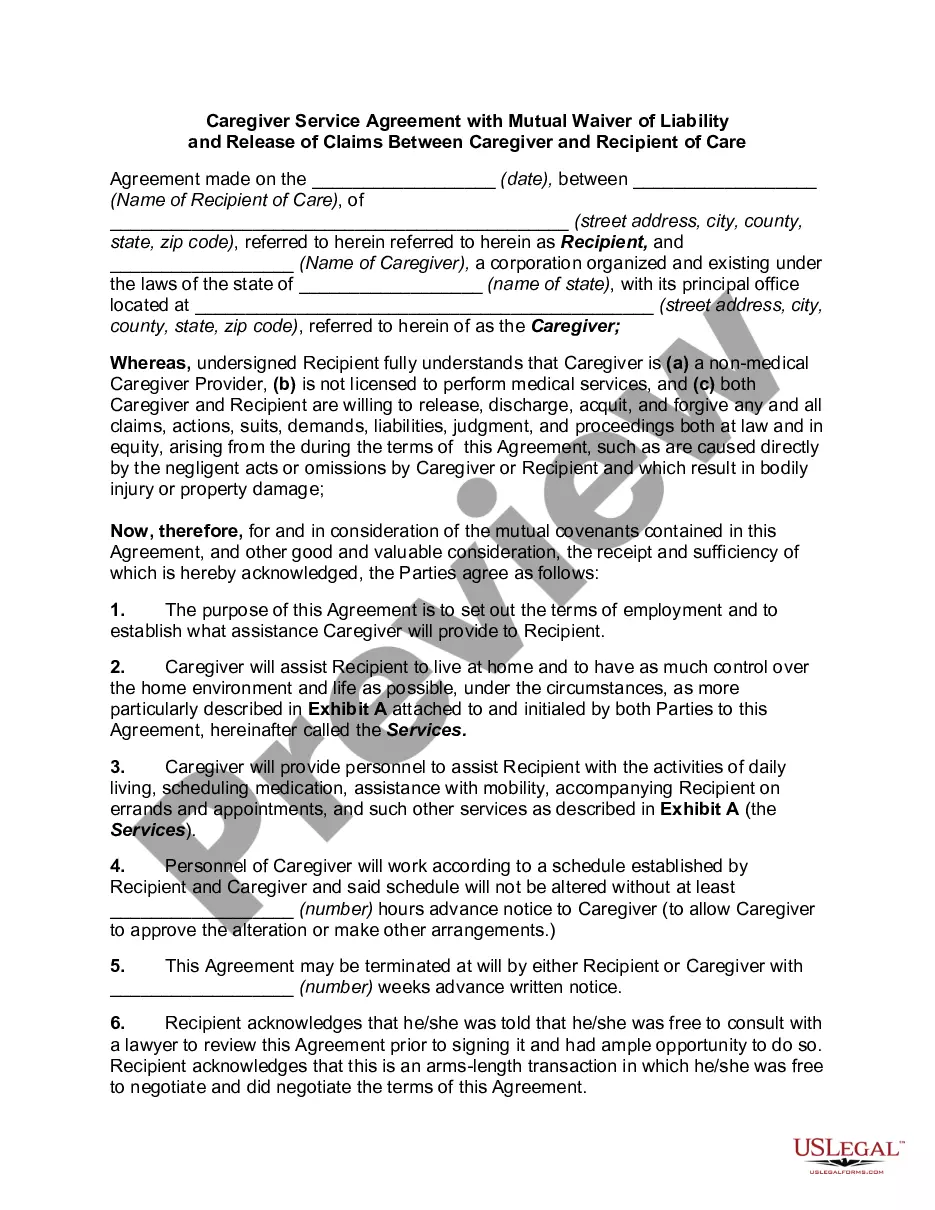
Get your form ready online
Our built-in tools help you complete, sign, share, and store your documents in one place.
Make edits, fill in missing information, and update formatting in US Legal Forms—just like you would in MS Word.
Download a copy, print it, send it by email, or mail it via USPS—whatever works best for your next step.
Sign and collect signatures with our SignNow integration. Send to multiple recipients, set reminders, and more. Go Premium to unlock E-Sign.
If this form requires notarization, complete it online through a secure video call—no need to meet a notary in person or wait for an appointment.
We protect your documents and personal data by following strict security and privacy standards.

Make edits, fill in missing information, and update formatting in US Legal Forms—just like you would in MS Word.

Download a copy, print it, send it by email, or mail it via USPS—whatever works best for your next step.

Sign and collect signatures with our SignNow integration. Send to multiple recipients, set reminders, and more. Go Premium to unlock E-Sign.

If this form requires notarization, complete it online through a secure video call—no need to meet a notary in person or wait for an appointment.

We protect your documents and personal data by following strict security and privacy standards.
Looking for another form?








Form popularity
FAQ
Avoid providing diagnoses for someone; instead, describe the observed behaviors. Avoid exaggerating or embellishing. Write as if the individual may read the report.
Thus, in addition to informing the evaluator's understanding of the child's behavior, caregiver reports provide data on the caregiver's percep- tions and allow for assessment of whether the caregiver has overly negative views or unrealis- tic expectations that may be a useful target for intervention (e.g., Bugental et ...
Avoid providing diagnoses for someone; instead, describe the observed behaviors. Avoid exaggerating or embellishing. Write as if the individual may read the report.
What to Include in a Checklist for Caregivers Name of caregiver on duty. Date the checklist is being used. Name of patients. Patient's morning, afternoon, and evening routines, such as: Taking medication and vital signs. Eating food and drinking water. Housekeeping tasks to do. Changes in patient's condition, if any.
Help the care partners by presenting information as clearly as possible. Be specific Avoid vague words like a little, a lot, a long time. Always write exactly what happened.
Here are some steps to follow when writing a report: Decide on terms of reference. Conduct your research. Create a report outline. Write the first draft. Analyze data and record findings. Recommend a course of action. Edit and distribute the report.
Empathy, patience, and adaptability are the three main strengths that distinguish exceptional caregivers. By embodying these qualities, caregivers not only meet the physical needs of their clients but also provide emotional support, foster meaningful connections, and enhance overall well-being.
Best Practices for Caregiver Notes Use Standardized Formats. Document Observations & Actions Clearly. Maintain Objectivity & Avoid Personal Bias. Include Specifics for Follow-Up Actions. Regularly Review & Update Notes. Ensure Compliance With Regulations. Use Digital Tools for Efficient Data Management.
In conclusion, there are 4 types of caregivers: family caregivers, professional caregivers, volunteer caregivers, and informal caregivers. Each caregiver faces unique challenges, including physical and emotional exhaustion, financial strain, and balancing personal and caregiving responsibilities.
