Caregiver Form Template For Child In Wake
Description

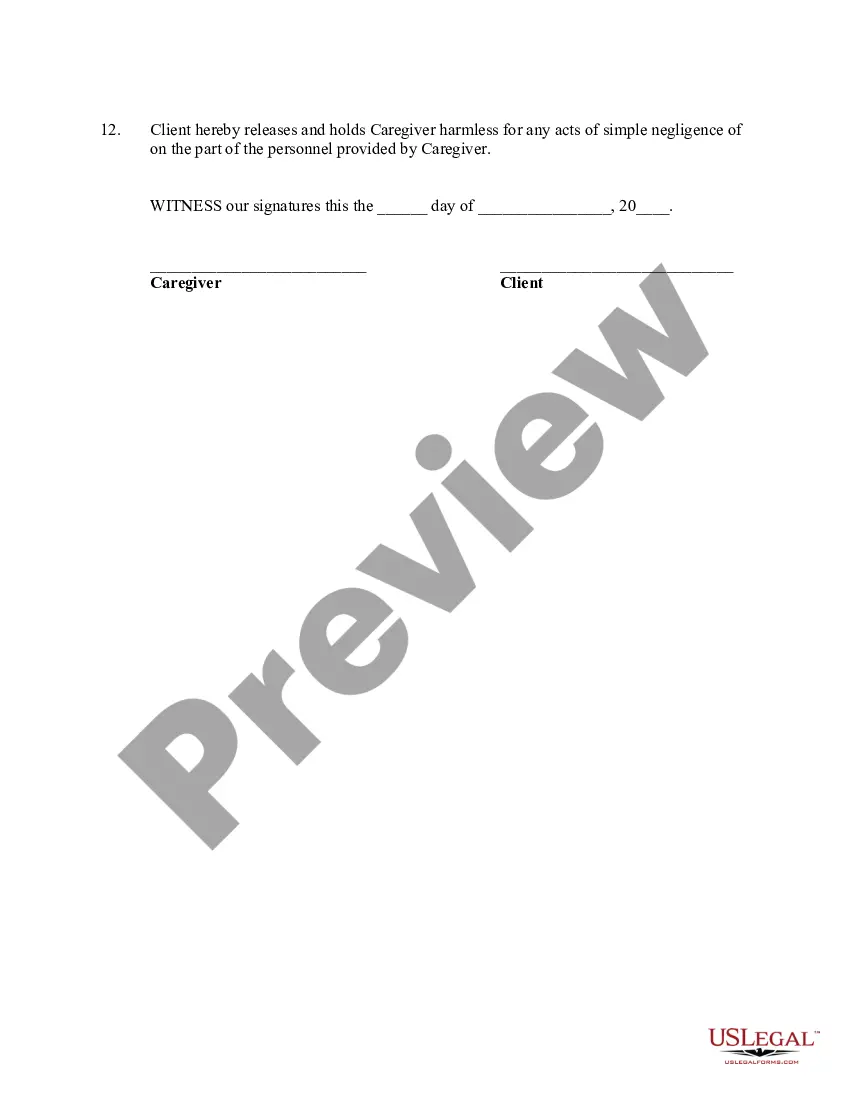
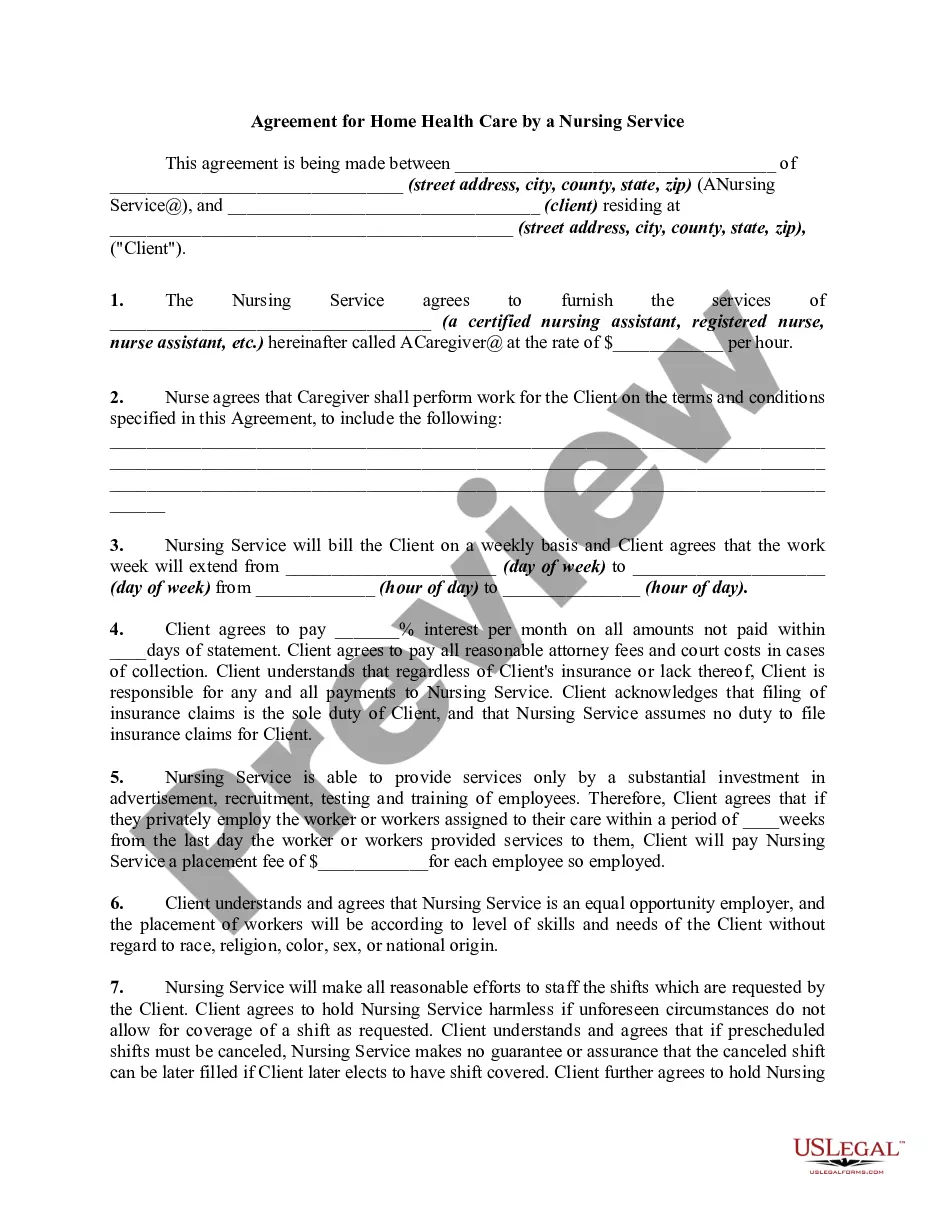
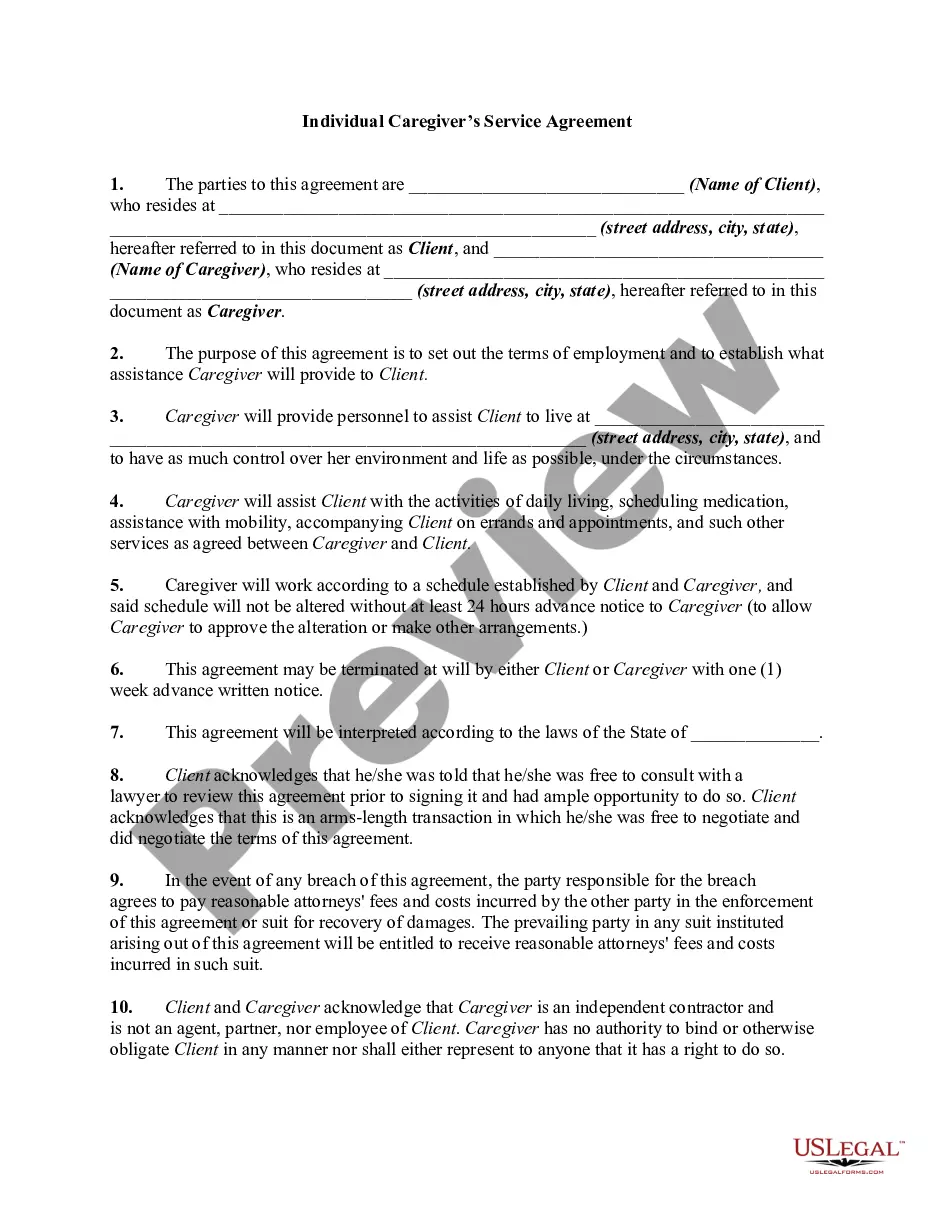
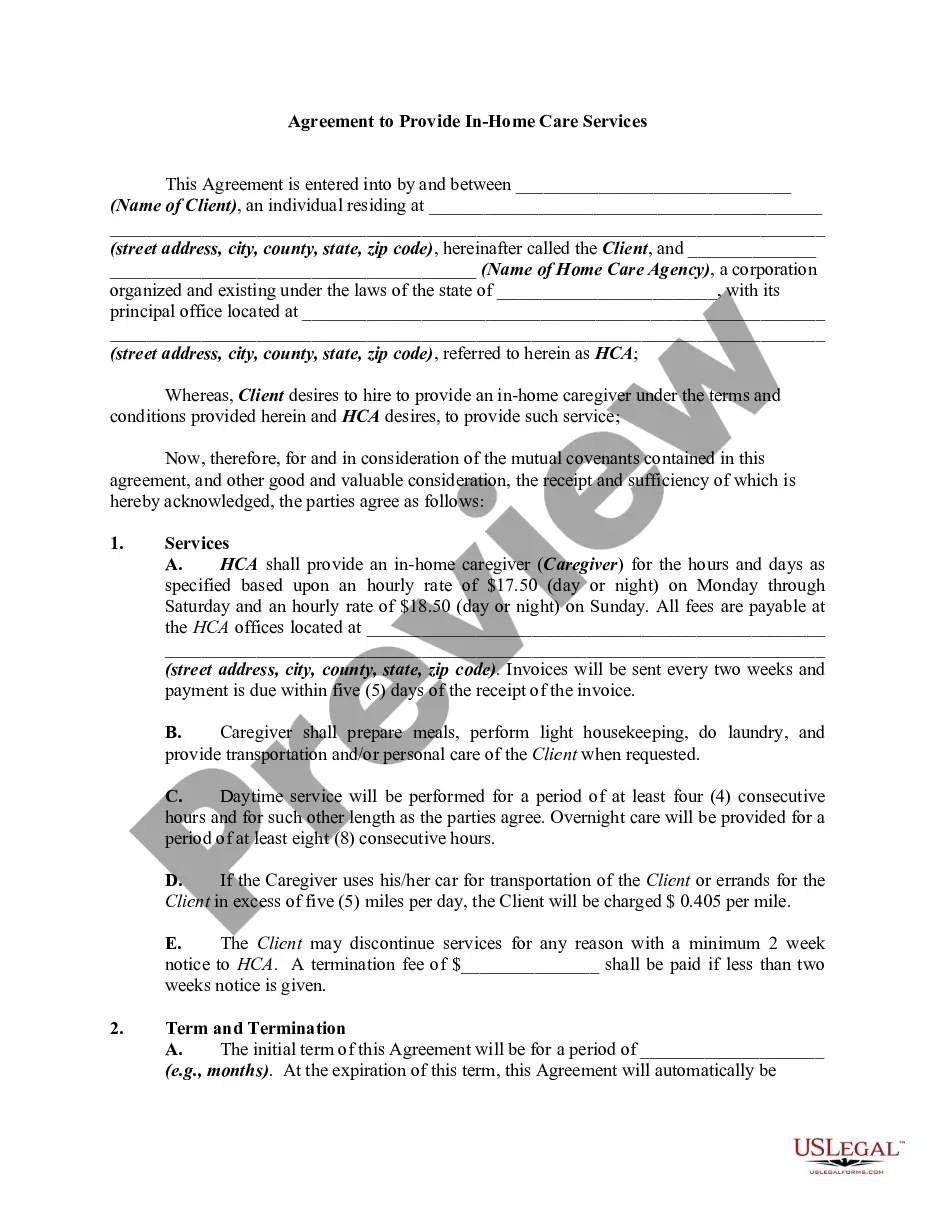
Get your form ready online
Our built-in tools help you complete, sign, share, and store your documents in one place.
Make edits, fill in missing information, and update formatting in US Legal Forms—just like you would in MS Word.
Download a copy, print it, send it by email, or mail it via USPS—whatever works best for your next step.
Sign and collect signatures with our SignNow integration. Send to multiple recipients, set reminders, and more. Go Premium to unlock E-Sign.
If this form requires notarization, complete it online through a secure video call—no need to meet a notary in person or wait for an appointment.
We protect your documents and personal data by following strict security and privacy standards.

Make edits, fill in missing information, and update formatting in US Legal Forms—just like you would in MS Word.

Download a copy, print it, send it by email, or mail it via USPS—whatever works best for your next step.

Sign and collect signatures with our SignNow integration. Send to multiple recipients, set reminders, and more. Go Premium to unlock E-Sign.

If this form requires notarization, complete it online through a secure video call—no need to meet a notary in person or wait for an appointment.

We protect your documents and personal data by following strict security and privacy standards.
Looking for another form?










Form popularity
FAQ
Best Practices for Caregiver Notes Use Standardized Formats. Document Observations & Actions Clearly. Maintain Objectivity & Avoid Personal Bias. Include Specifics for Follow-Up Actions. Regularly Review & Update Notes. Ensure Compliance With Regulations. Use Digital Tools for Efficient Data Management.
These five principles are safety, dignity, independence, privacy, and communication. Nurse assistants keep these five principles in mind as they perform all of their duties and actions for the patients in their care.
The CQC regulates and inspects health and care providers in England. They assess services against five fundamental standards for high-quality care. The standards cover safety, effectiveness, caring, responsiveness, and leadership.
You could say something like, “Hello, my name is Name and I have Number of years years of experience as a caregiver. I have worked with clients of all ages and backgrounds, and I am passionate about providing compassionate care and support to those who need it.”
At the core of nursing are these values—compassion, integrity, autonomy, altruism, and social justice—that shape our practice and define who we are as caregivers.
Five key principles Principle 1: A presumption of capacity. Principle 2: Individuals being supported to make their own decisions. Principle 3: Unwise decisions. Principle 4: Best interests. Principle 5: Less restrictive option.
What to Include in a Checklist for Caregivers Name of caregiver on duty. Date the checklist is being used. Name of patients. Patient's morning, afternoon, and evening routines, such as: Taking medication and vital signs. Eating food and drinking water. Housekeeping tasks to do. Changes in patient's condition, if any.
These five principles are safety, dignity, independence, privacy, and communication. Nurse assistants keep these five principles in mind as they perform all of their duties and actions for the patients in their care.
