Care Caregiver Form For Child In Virginia
Description

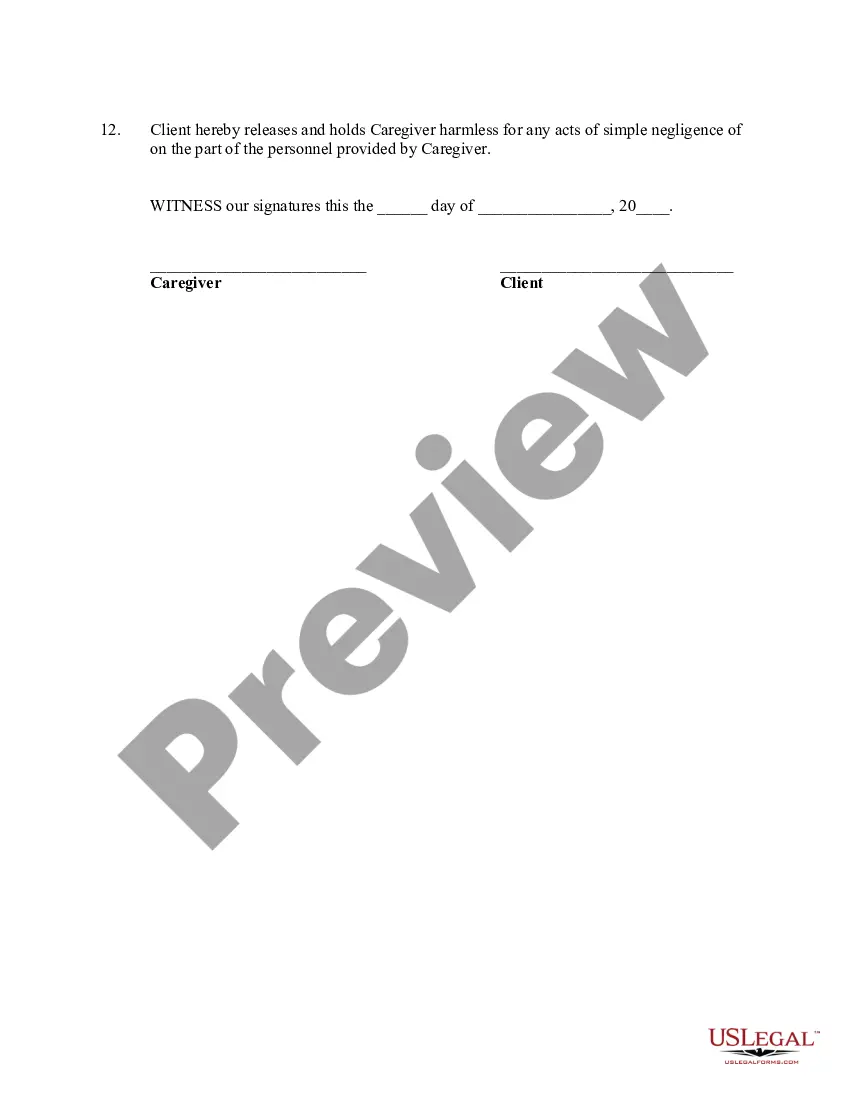
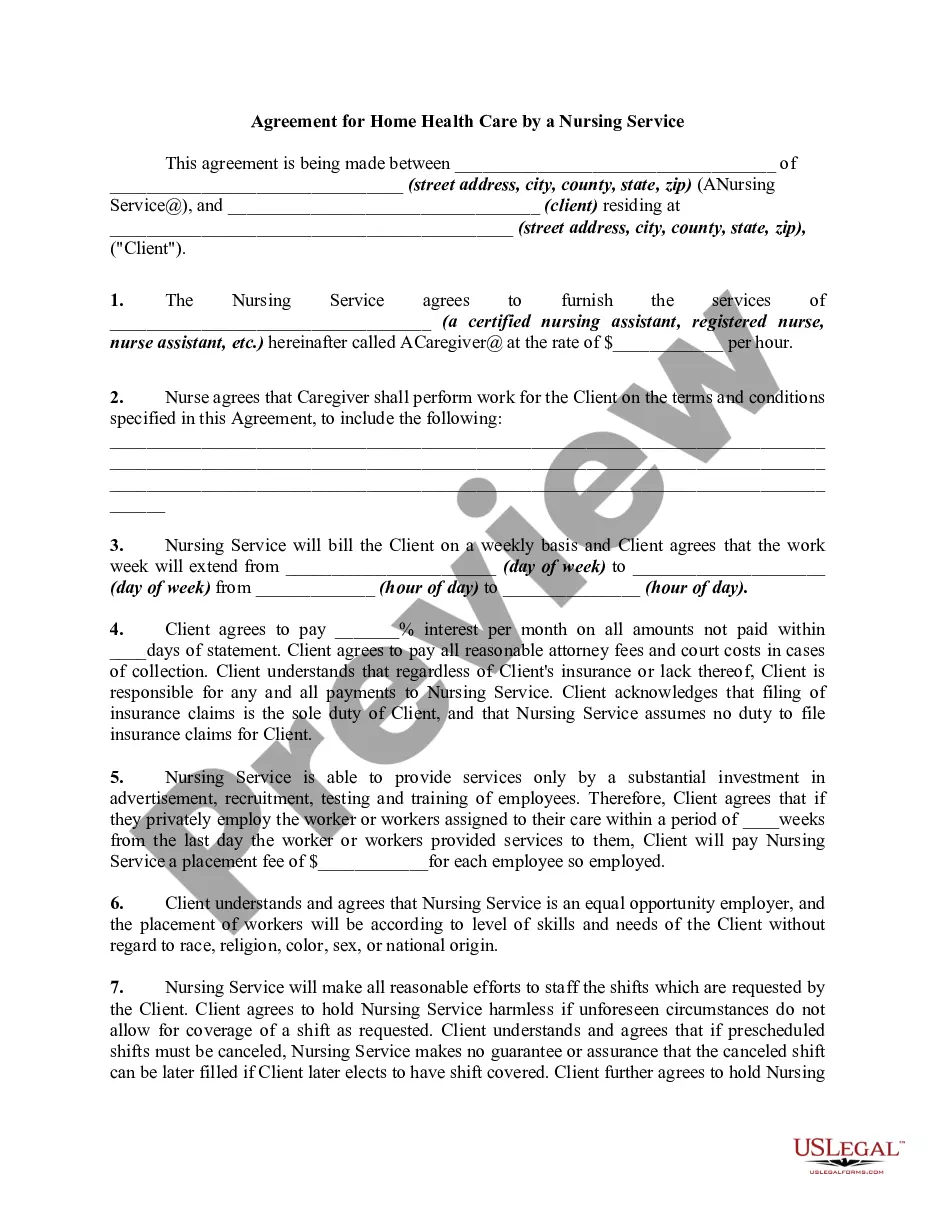
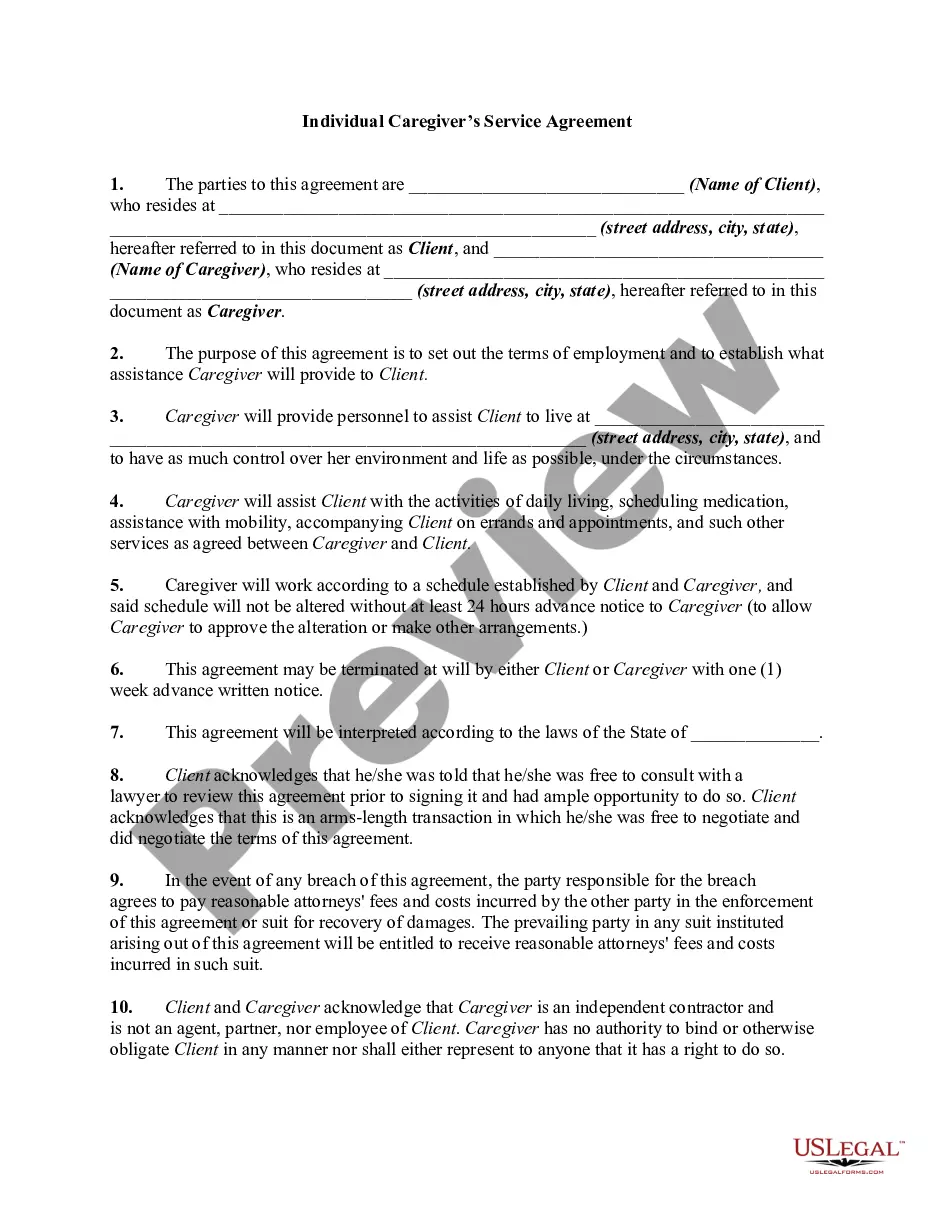
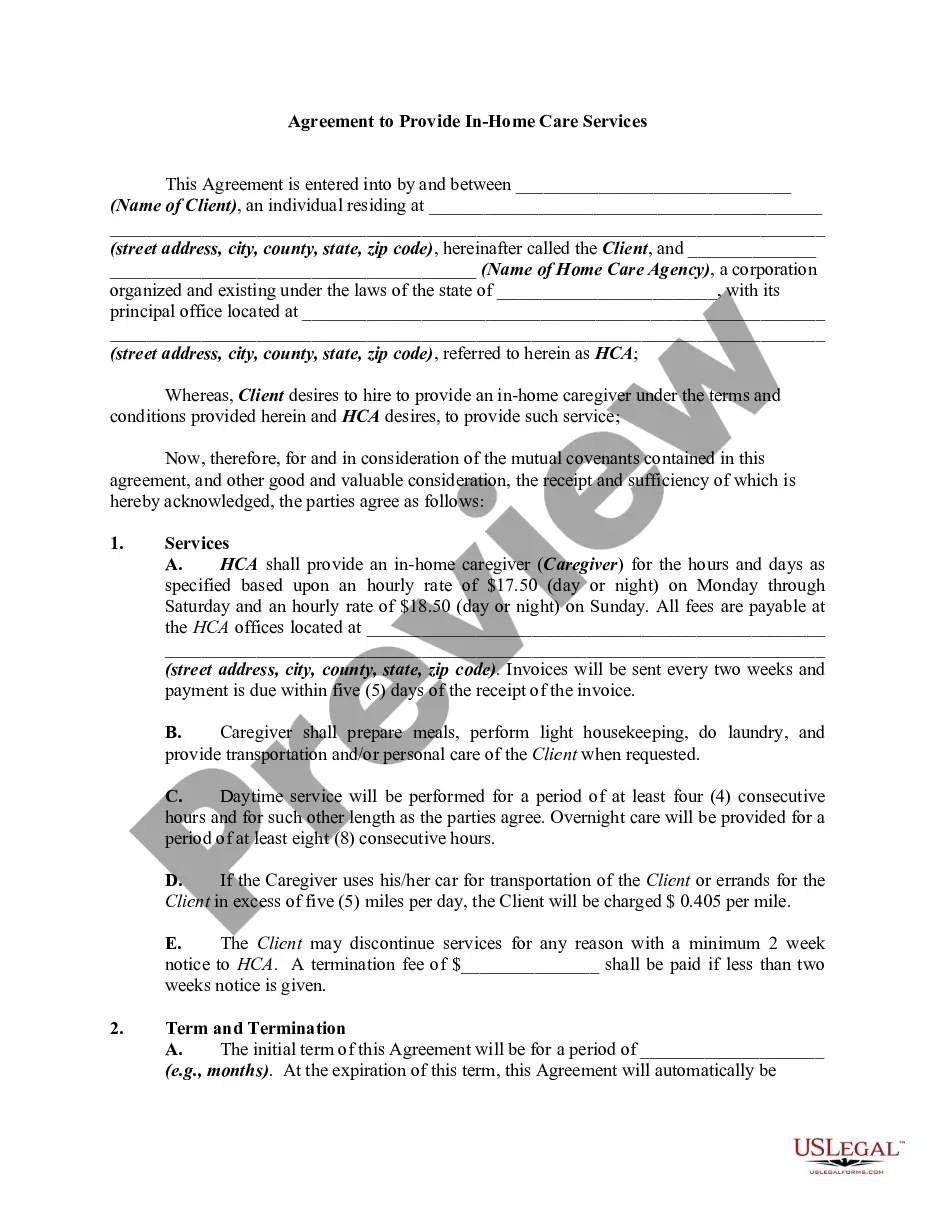
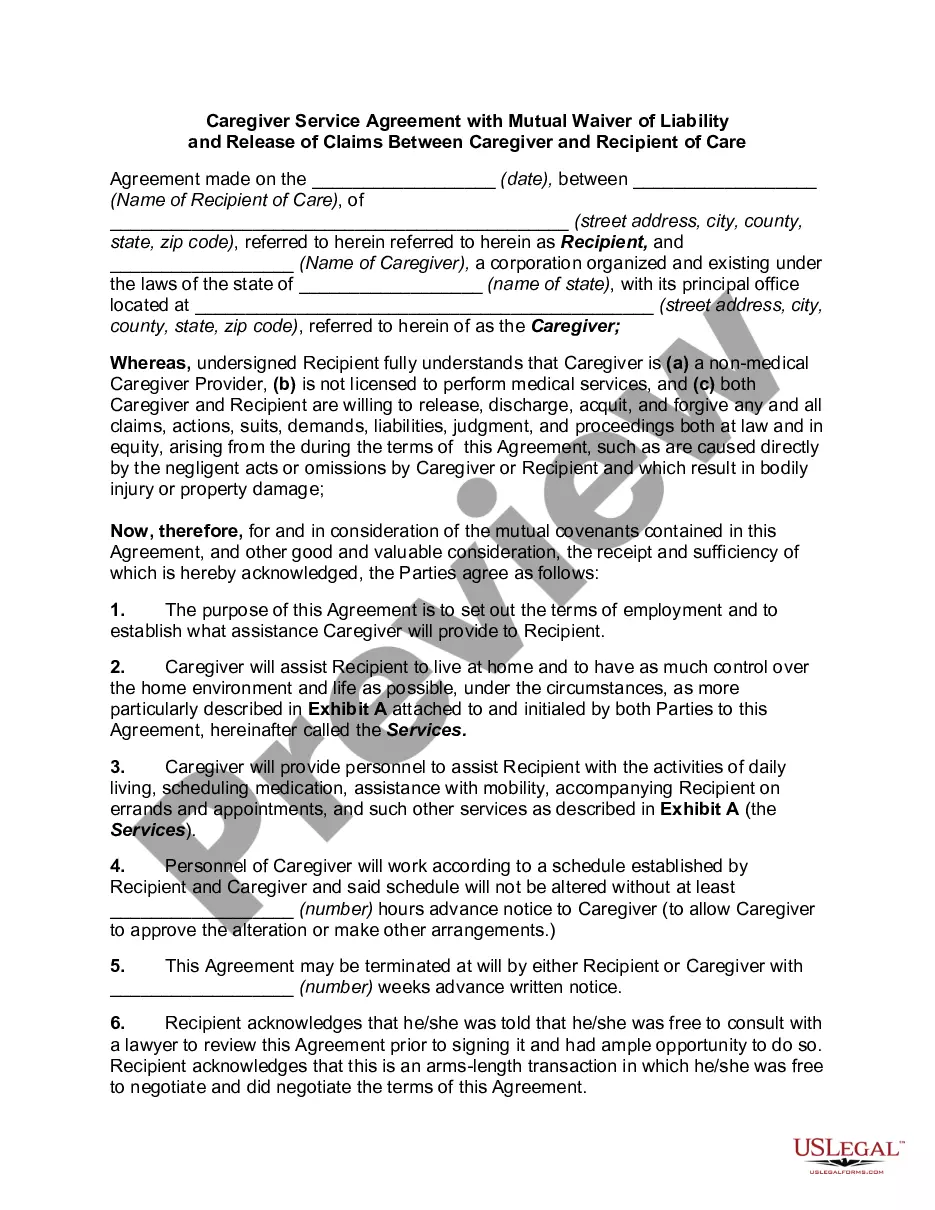
Get your form ready online
Our built-in tools help you complete, sign, share, and store your documents in one place.
Make edits, fill in missing information, and update formatting in US Legal Forms—just like you would in MS Word.
Download a copy, print it, send it by email, or mail it via USPS—whatever works best for your next step.
Sign and collect signatures with our SignNow integration. Send to multiple recipients, set reminders, and more. Go Premium to unlock E-Sign.
If this form requires notarization, complete it online through a secure video call—no need to meet a notary in person or wait for an appointment.
We protect your documents and personal data by following strict security and privacy standards.

Make edits, fill in missing information, and update formatting in US Legal Forms—just like you would in MS Word.

Download a copy, print it, send it by email, or mail it via USPS—whatever works best for your next step.

Sign and collect signatures with our SignNow integration. Send to multiple recipients, set reminders, and more. Go Premium to unlock E-Sign.

If this form requires notarization, complete it online through a secure video call—no need to meet a notary in person or wait for an appointment.

We protect your documents and personal data by following strict security and privacy standards.
Looking for another form?
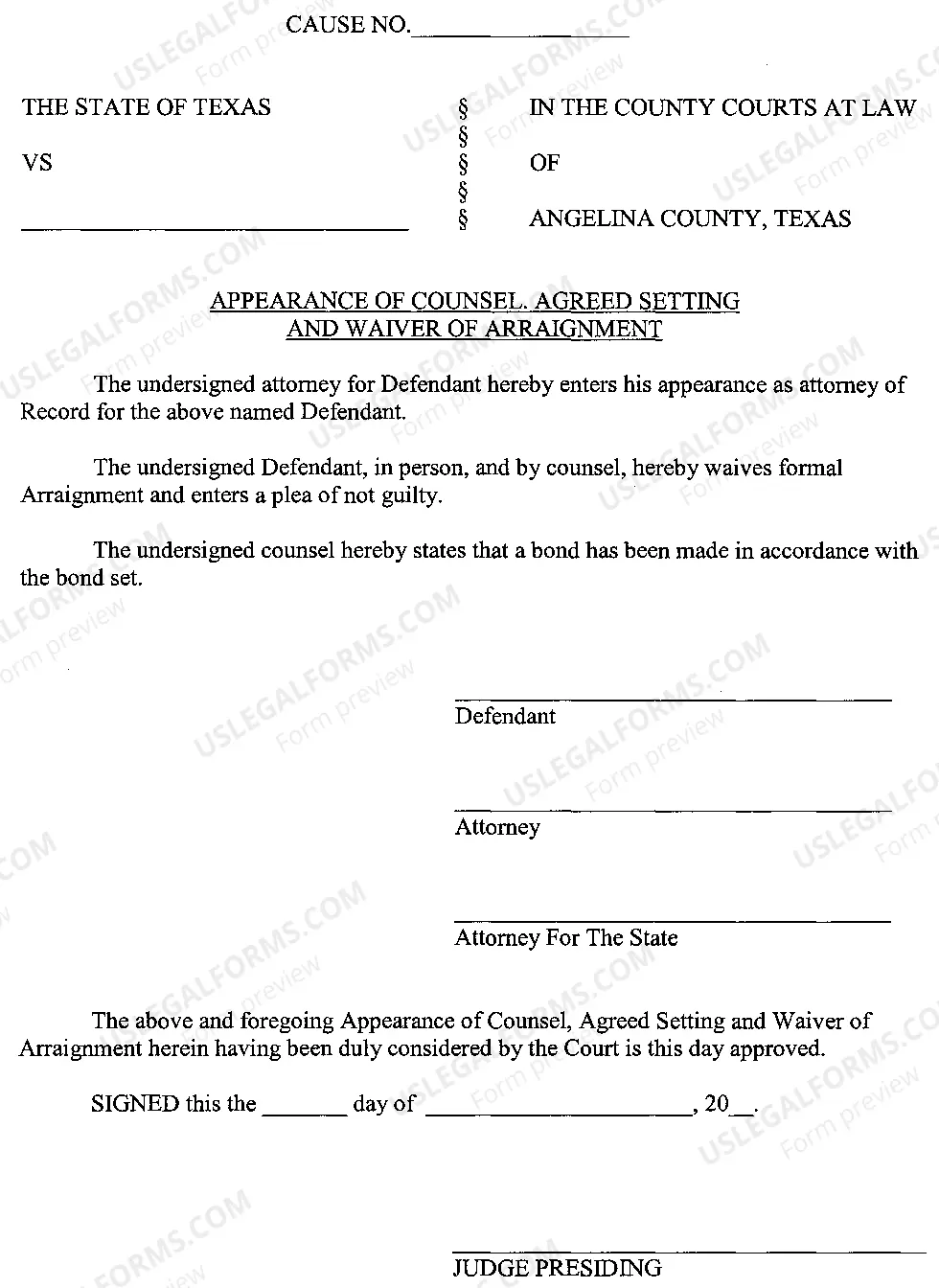
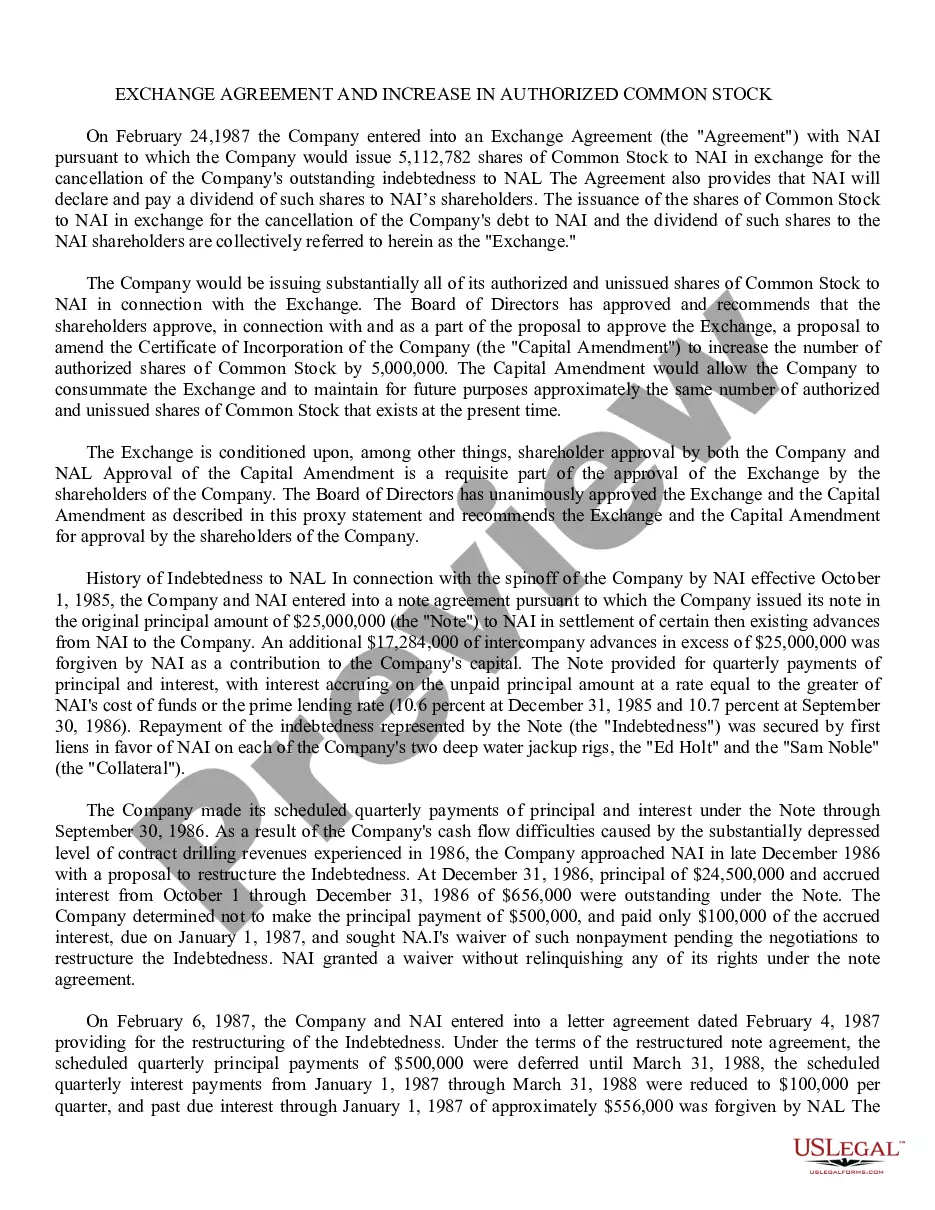
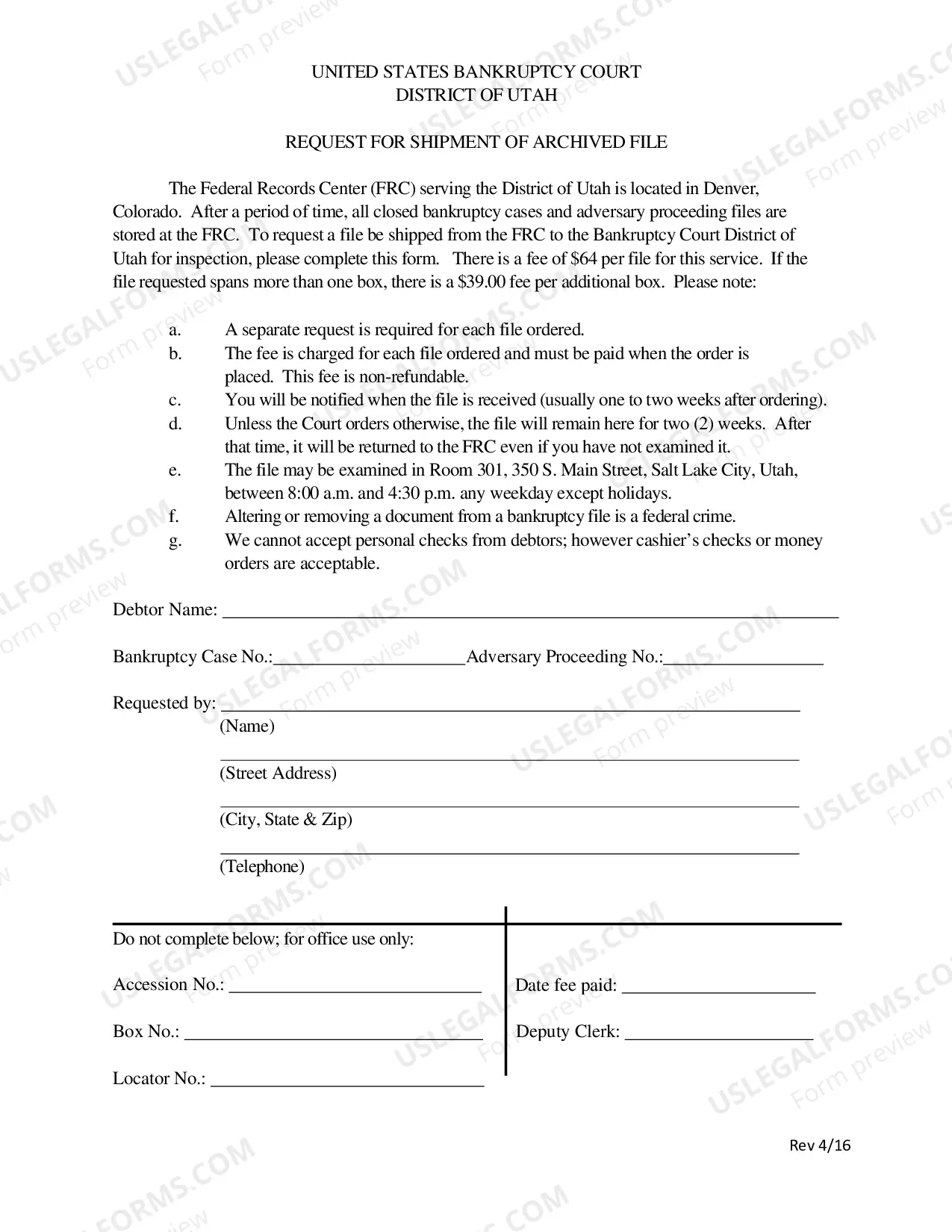



Form popularity
FAQ
"Caregiver" means an adult who is a single person with a Virginia adjusted gross income of not more than $50,000, or married and the combined Virginia adjusted gross income of both spouses is not more than $75,000 who provides care for a mentally or physically impaired person within the Commonwealth.
Virginia Caregiver Training Requirements Home Attendant/Home Health Aide: Must complete a state approved 40-hour curriculum or HHA program of 75 hours and 12 hours CE annually. Certified Nurse Assistants: After completing a state approved CNA school program, CNAs in Virginia must complete 12 hours of CE annually.
Most states, like Virginia, provide a “child caretaker exception” under Medicaid policy that permits a parent to transfer their primary residence to an adult child, either biological or adopted, who resided in the home with their parent for the two years prior to requiring Medicaid.
You must be at least 18 years old. And at least one of these must be true for you: You're a spouse, son, daughter, parent, stepfamily member, or extended family member of the Veteran, or. You live full time with the Veteran, or you're willing to live full time with the Veteran if we designate you as a family caregiver.
Two ways to apply for the Child Care Subsidy Program Apply online, or screen for eligibility through CommonHelp, a self-service portal available 24 hours a day, 7 days a week. Submit a Child Care Service Application and Redetermination Form to your local department of social services.
Home Respite Care is a service that pays for a person to come to a Veteran's home or for a Veteran to go to an adult day care program while their family caregiver takes a break or runs errands. Home respite is available for 6 hours at a time.
Northern Virginia Family Service Provides therapeutic respite care to biological, foster, and adoptive families. The program serves children from birth to 17 years old.
"Caregiver" means an adult who is a single person with a Virginia adjusted gross income of not more than $50,000, or married and the combined Virginia adjusted gross income of both spouses is not more than $75,000 who provides care for a mentally or physically impaired person within the Commonwealth.
(UCPA) defines respite care as “a system of temporary supports for families of developmentally disabled individuals which provides the family with relief. 'Temporary' may mean anything from an hour to three months. It may also mean 'periodi- cally or on a regular basis.
Virginia Caregiver Training Requirements Homemakers: Must complete 16 hours of topic specific training and 8 hours of CE annually. Home Attendant/Home Health Aide: Must complete a state approved 40-hour curriculum or HHA program of 75 hours and 12 hours CE annually.
