Caregiver Form Printable With Holidays In Utah
Description


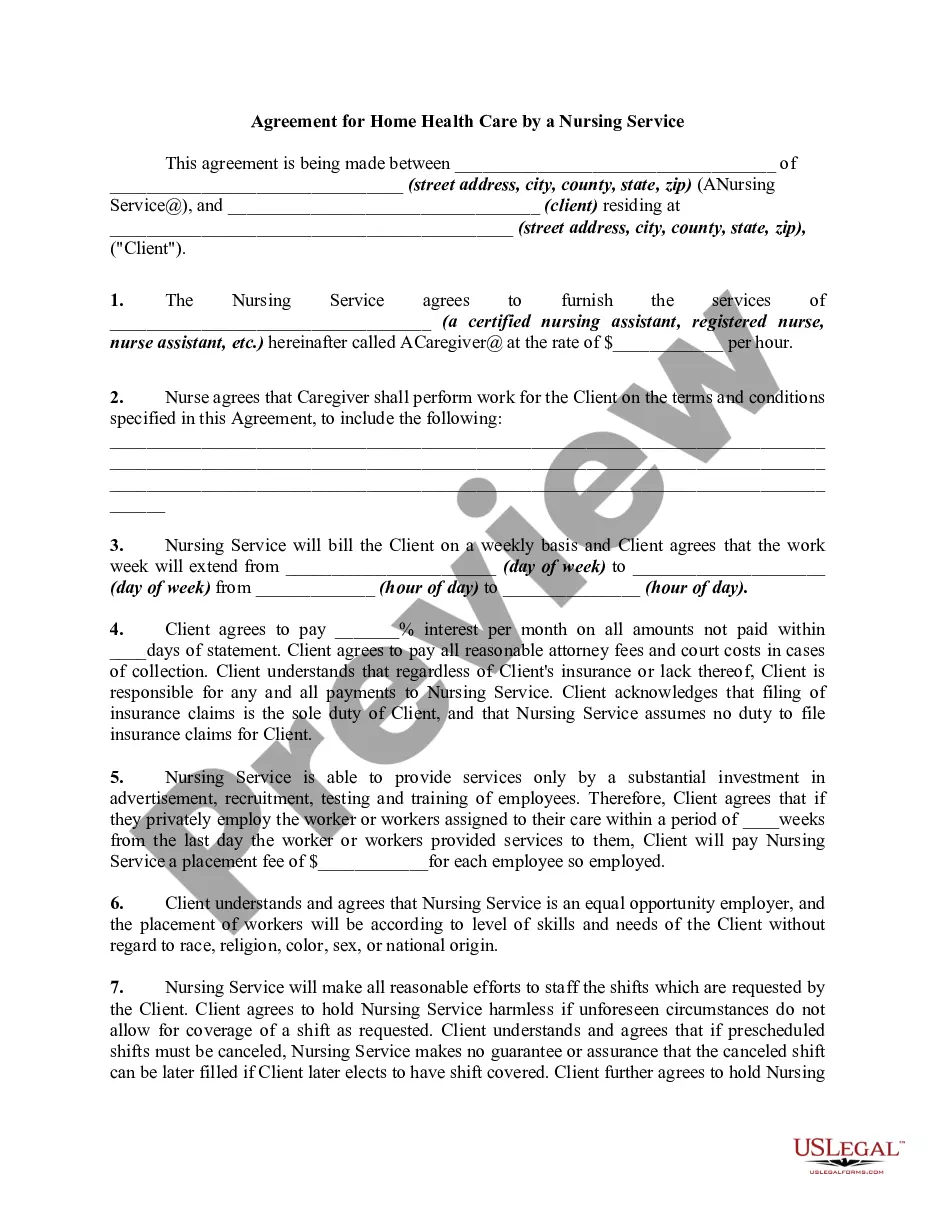
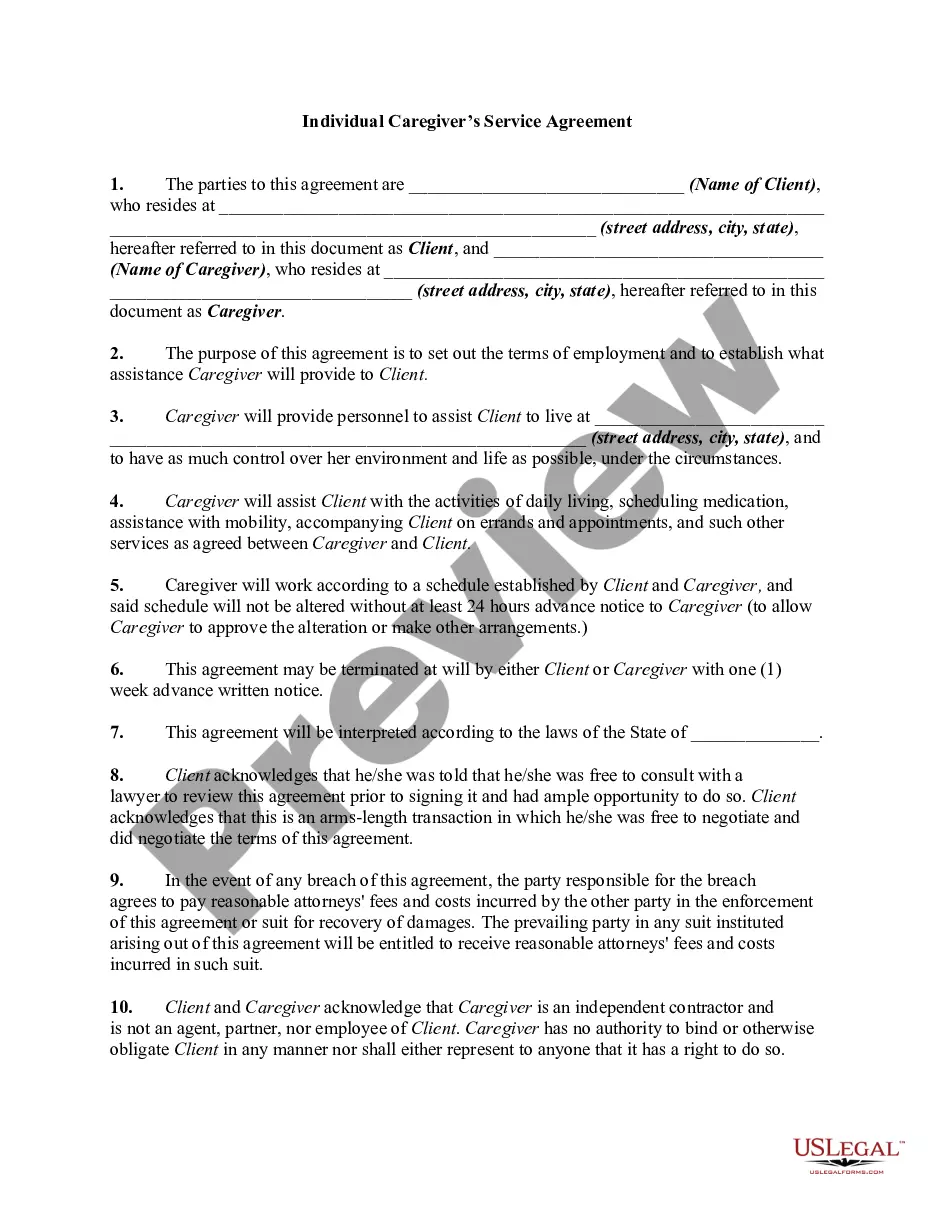
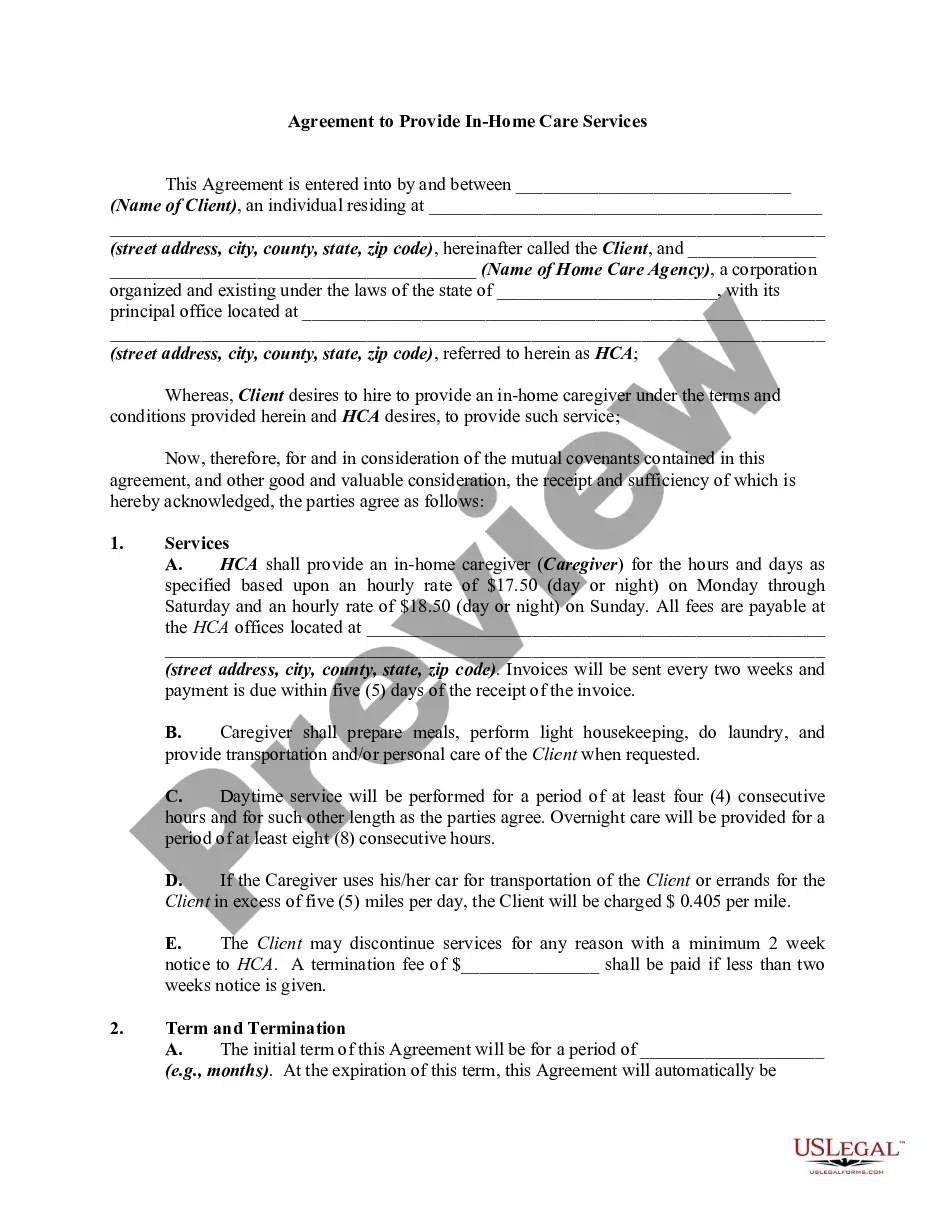
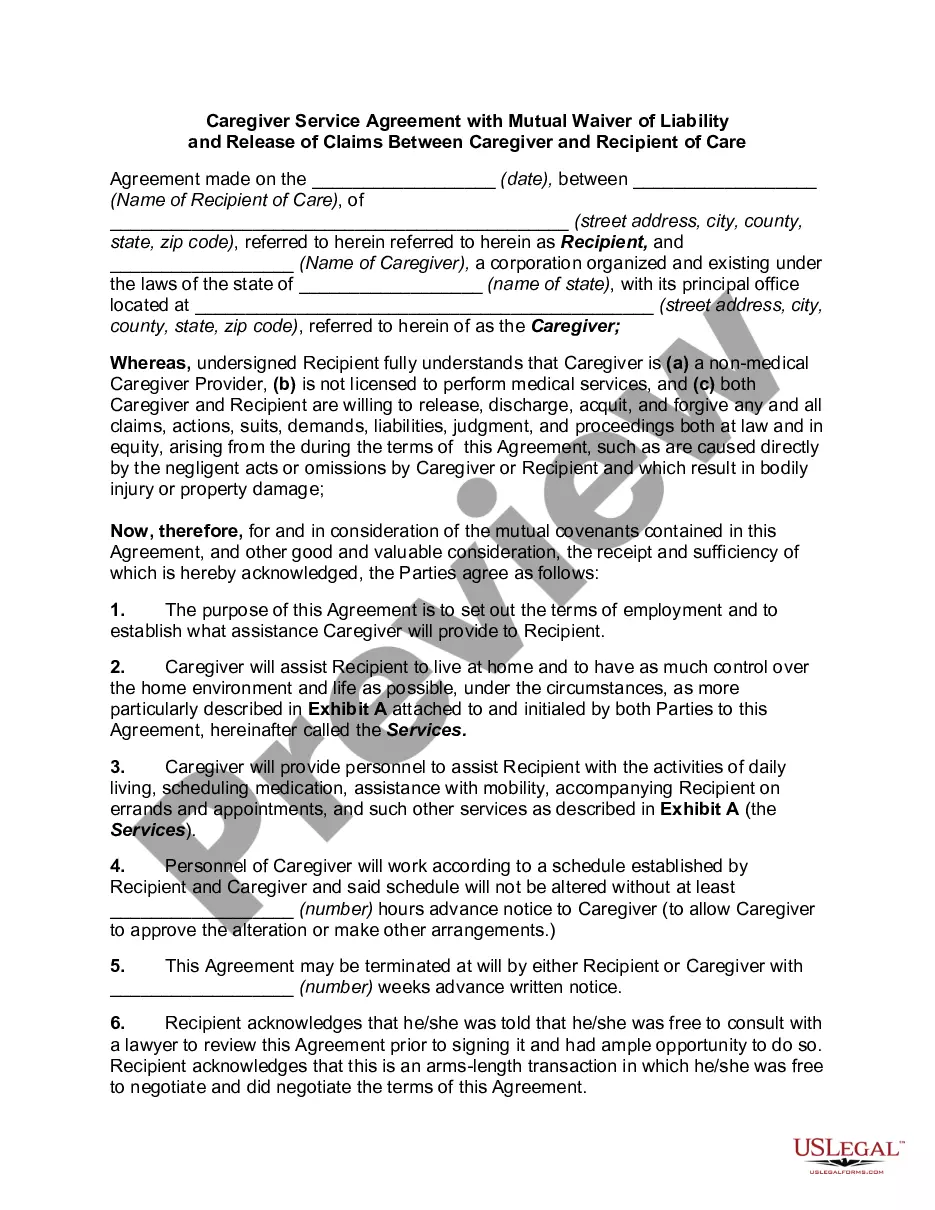
Get your form ready online
Our built-in tools help you complete, sign, share, and store your documents in one place.
Make edits, fill in missing information, and update formatting in US Legal Forms—just like you would in MS Word.
Download a copy, print it, send it by email, or mail it via USPS—whatever works best for your next step.
Sign and collect signatures with our SignNow integration. Send to multiple recipients, set reminders, and more. Go Premium to unlock E-Sign.
If this form requires notarization, complete it online through a secure video call—no need to meet a notary in person or wait for an appointment.
We protect your documents and personal data by following strict security and privacy standards.

Make edits, fill in missing information, and update formatting in US Legal Forms—just like you would in MS Word.

Download a copy, print it, send it by email, or mail it via USPS—whatever works best for your next step.

Sign and collect signatures with our SignNow integration. Send to multiple recipients, set reminders, and more. Go Premium to unlock E-Sign.

If this form requires notarization, complete it online through a secure video call—no need to meet a notary in person or wait for an appointment.

We protect your documents and personal data by following strict security and privacy standards.
Looking for another form?









Form popularity
FAQ
The Utah Caregiver Support Program offers in-home services that support family caregivers of individuals with health, mobility, neurological or functional limitations in hopes of enabling them to care for their loved one as long as possible and delay facility placement. There is no low income requirement.
Requirements to Become a Caregiver in Utah High school diploma or GED: Most employers require caregivers to have at least a high school diploma or GED equivalent. Background check: Caregivers in Utah must undergo a background check, including a criminal history check, to ensure the safety of their clients.
Personal Care Aides: Must complete an agency specific orientation, demonstrate proficiency in all areas of training for personal care, and complete 6 hours of CE annually. Certified Nurse Assistants: After completing a state approved CNA school program, CNAs in Utah must complete 12 hours of CE annually.
Physical exhaustion, declining health, or limitations that hinder the ability to provide adequate care are key indicators. Emotional and mental strain, feeling overwhelmed, and a significant decline in personal well-being are signs that it may be time to reconsider the caregiving role.
In some situations, you might find that the condition of the person you're caring for is getting worse. They may need more help than they used to. Or, you might find that your own health (physical or mental) is declining. This could mean that you're not able to give the same time and energy to caring as you used to.
Feeling Like Your Life Revolves Around Care You deserve to have joy and life outside of care too. If you feel as though you're losing touch with yourself and who you are, giving up hobbies and relationships that matter to you, or dreading the start of each day, it may be time to stop caregiving.
Some of the most common signs of caregiver burn out include: No time left for a balance—social life, fitness, personal time. Changes in your appetite, resulting in either weight loss or weight gain. Decreased immunity. Depression. Moodiness and increased irritability. Extreme sense of being overwhelmed.
Months and Years Providing Care Only 30% of caregivers provide care for less than a year. 24% of caregivers provide care for more than 5 years. 15% of caregivers provide care for 10 or more years. Higher-hour caregivers are twice as likely to have been in their caregiving role for 10 years or more.
