Caregiver Form Printable Format In Travis
Description

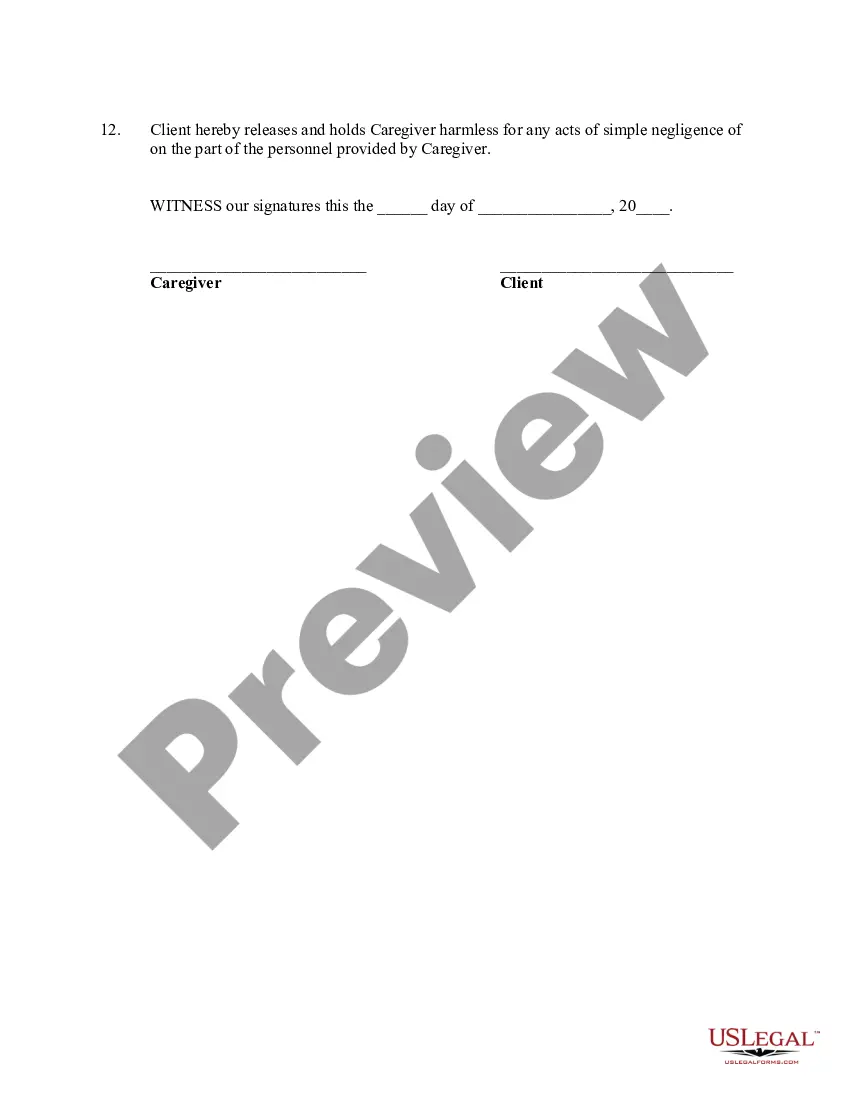
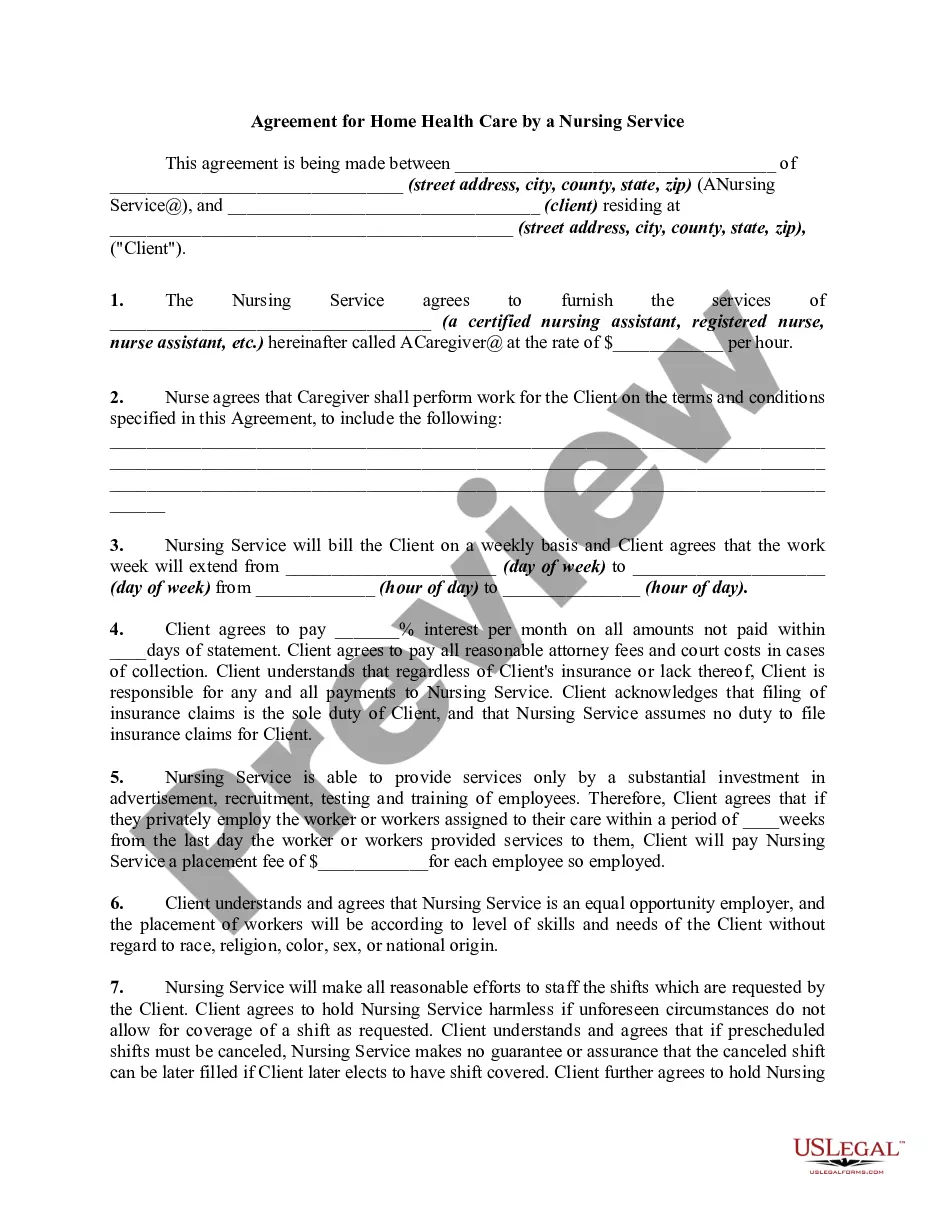
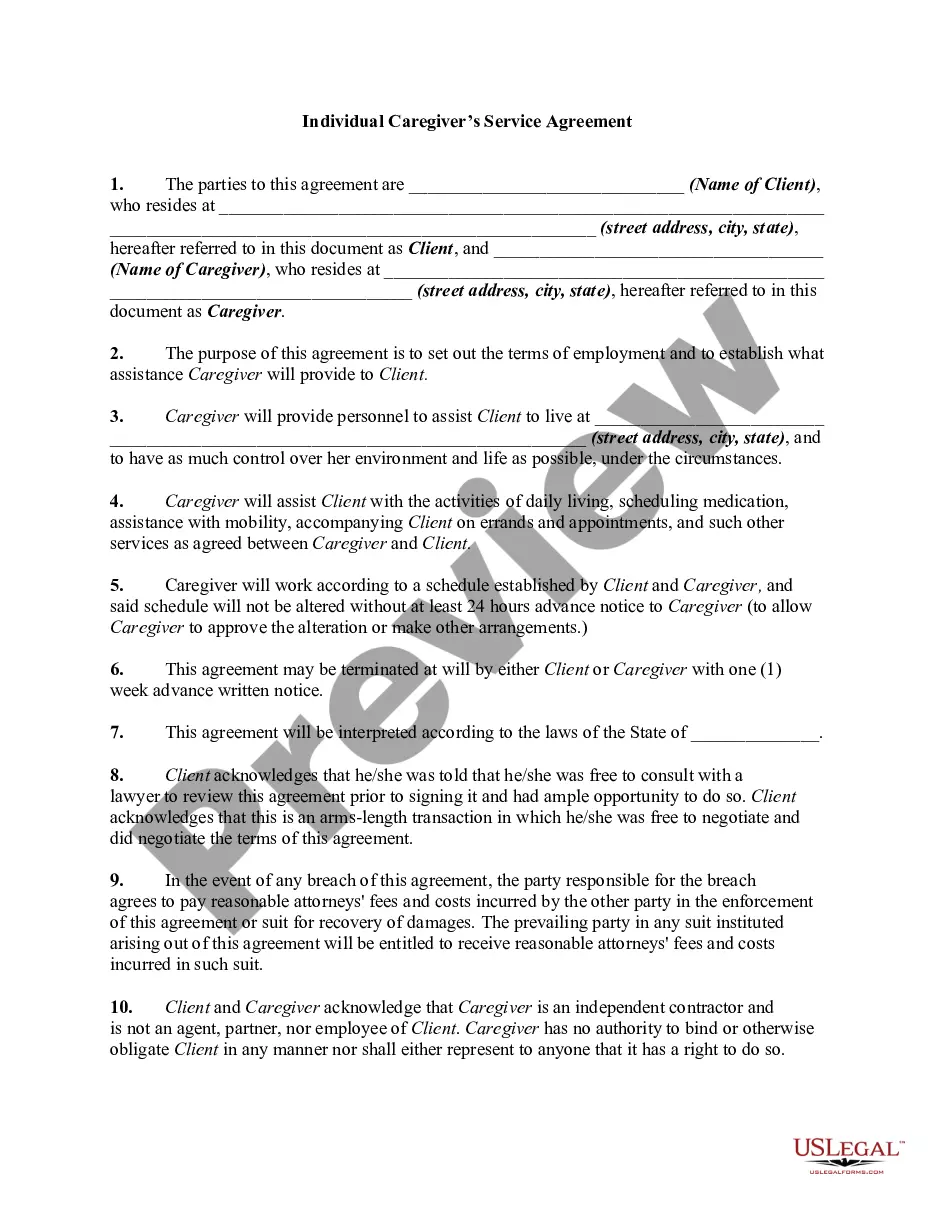
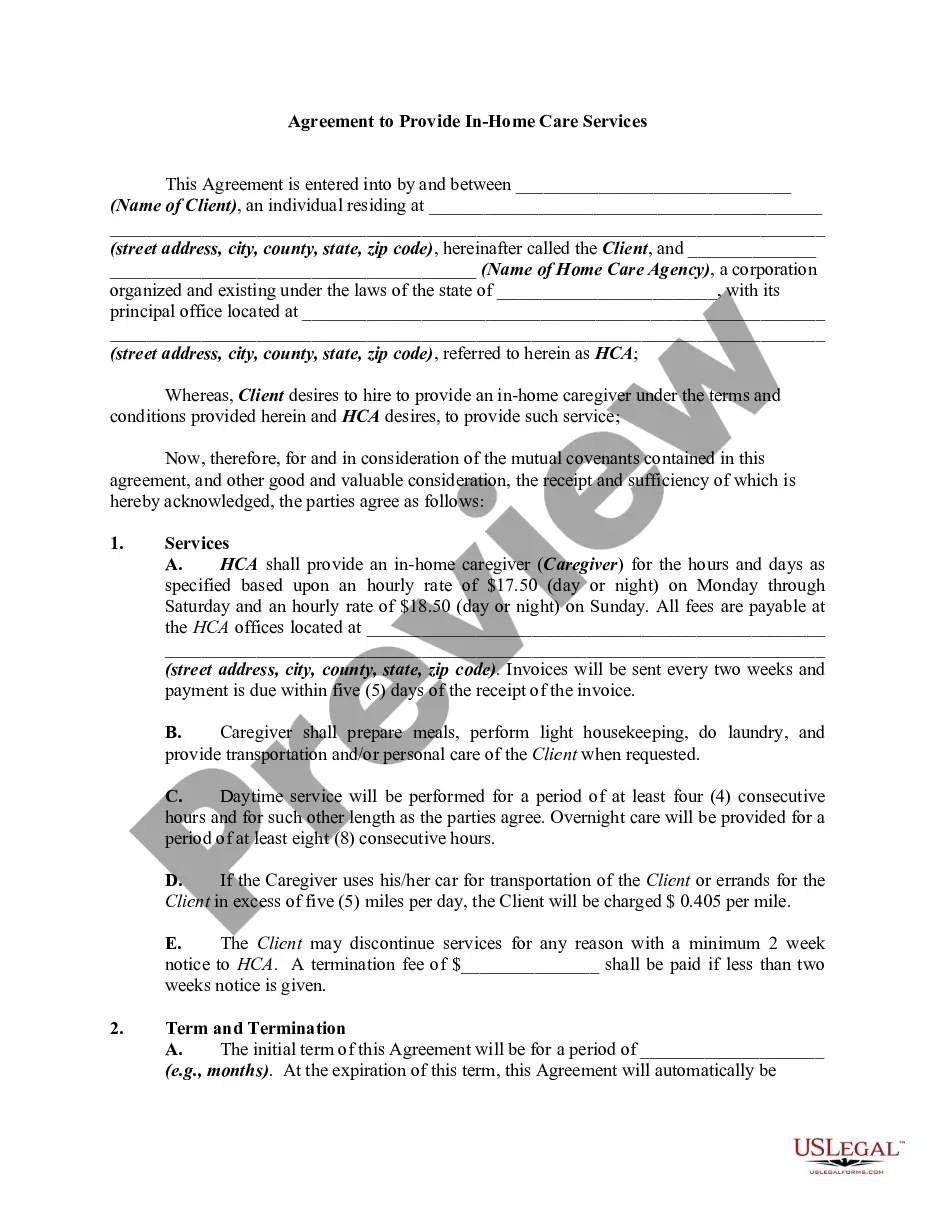
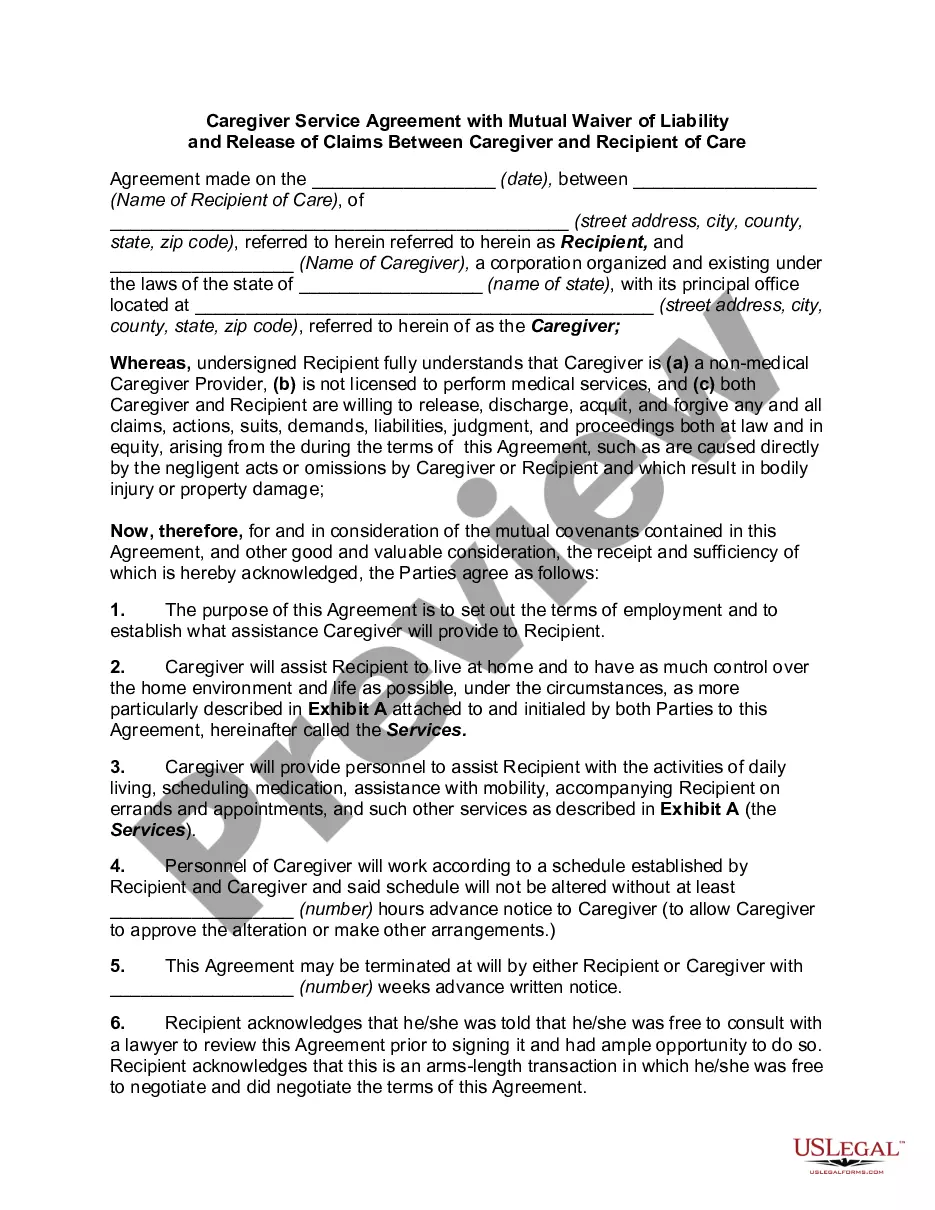
Get your form ready online
Our built-in tools help you complete, sign, share, and store your documents in one place.
Make edits, fill in missing information, and update formatting in US Legal Forms—just like you would in MS Word.
Download a copy, print it, send it by email, or mail it via USPS—whatever works best for your next step.
Sign and collect signatures with our SignNow integration. Send to multiple recipients, set reminders, and more. Go Premium to unlock E-Sign.
If this form requires notarization, complete it online through a secure video call—no need to meet a notary in person or wait for an appointment.
We protect your documents and personal data by following strict security and privacy standards.

Make edits, fill in missing information, and update formatting in US Legal Forms—just like you would in MS Word.

Download a copy, print it, send it by email, or mail it via USPS—whatever works best for your next step.

Sign and collect signatures with our SignNow integration. Send to multiple recipients, set reminders, and more. Go Premium to unlock E-Sign.

If this form requires notarization, complete it online through a secure video call—no need to meet a notary in person or wait for an appointment.

We protect your documents and personal data by following strict security and privacy standards.
Looking for another form?









Form popularity
FAQ
Adequate support helps ensure caregivers continue to provide high-quality care to their loved ones while maintaining their own mental and physical health. This support can take many forms, including emotional support, education and training, and access to resources.
Scoring is 2 points for each 'yes', and 1 point for each 'sometimes' response. The higher the score, the higher the level of caregiver strain. VALIDITY AND RELIABILITY: Internal reliability coefficient is slightly higher (=. 90) than the coefficient originally reported for the CSI in 1983 (=.
The Caregiver Reaction Assessment Scale (CRA) is an instrument designed to assess specific aspects of the caregiving situation, including both negative and positive dimensions of caregiving reactions.
The Carer Experience Scale (CES) is measure of the experience of providing informal or unpaid care. (It is not a capability measure.) The descriptive system was developed using a meta-ethnography of existing qualitative data, followed by semi-structured interviews with carers of older people analysed using Framework.
The Caregiver Preparedness Scale (CPS) was originally developed in the United States and is used to assess caregivers' readiness (Archbold et al., 1990). The scale includes eight items, each rated on a 5‐point Likert‐type scale ranging from 'not at all prepared' (0) to 'very well‐prepared' (4).
The ZBI is a 22-item self-report measure of perceived caregiver burden. Caregivers were asked to rate their degree of burden on a Likert scale, with higher scores indicating higher levels of burden.
A Caregiver Assessment is a systematic process of gathering information that describes a caregiving situation and identifies the particular problems, needs, resources and strengths of the family caregiver.
The Carer Burden Scale is a reflective tool designed to assess the impact of caregiving responsibilities on the mental, emotional, and physical well-being of carers. If your occupational therapist has suggested completing this scale, it's an opportunity to take stock of the load you're carrying.
BEST TOOL: The Modified Caregiver Strain Index (MCSI) is an easy-to-use tool that can quickly screen for caregiver strain in long-term caregivers. The tool has 13 questions that measure strain related to care provision.
