Caregiver Form Sample For Elderly In San Jose
Description



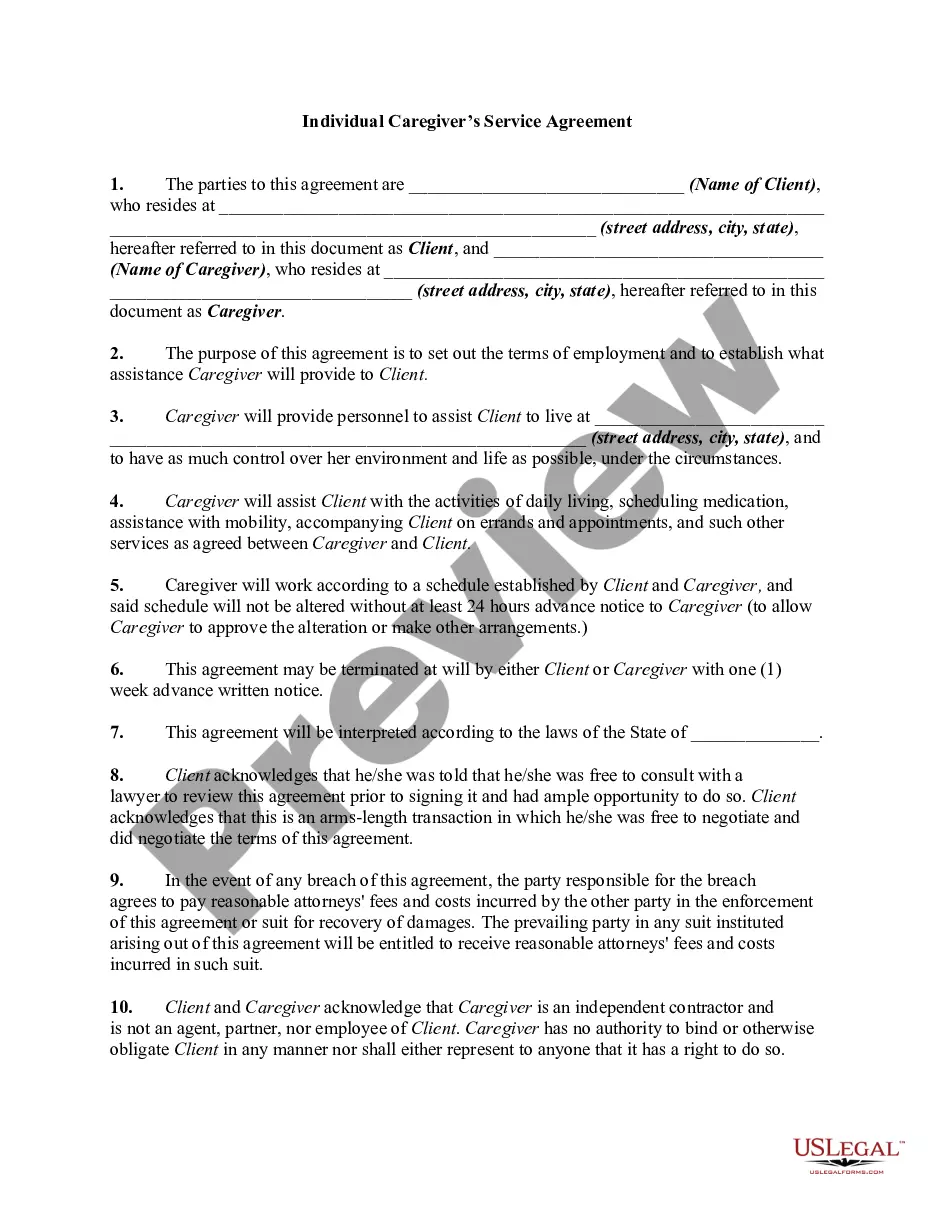


Get your form ready online
Our built-in tools help you complete, sign, share, and store your documents in one place.
Make edits, fill in missing information, and update formatting in US Legal Forms—just like you would in MS Word.
Download a copy, print it, send it by email, or mail it via USPS—whatever works best for your next step.
Sign and collect signatures with our SignNow integration. Send to multiple recipients, set reminders, and more. Go Premium to unlock E-Sign.
If this form requires notarization, complete it online through a secure video call—no need to meet a notary in person or wait for an appointment.
We protect your documents and personal data by following strict security and privacy standards.

Make edits, fill in missing information, and update formatting in US Legal Forms—just like you would in MS Word.

Download a copy, print it, send it by email, or mail it via USPS—whatever works best for your next step.

Sign and collect signatures with our SignNow integration. Send to multiple recipients, set reminders, and more. Go Premium to unlock E-Sign.

If this form requires notarization, complete it online through a secure video call—no need to meet a notary in person or wait for an appointment.

We protect your documents and personal data by following strict security and privacy standards.
Looking for another form?










Form popularity
FAQ
In conclusion, there are 4 types of caregivers: family caregivers, professional caregivers, volunteer caregivers, and informal caregivers. Each caregiver faces unique challenges, including physical and emotional exhaustion, financial strain, and balancing personal and caregiving responsibilities.
What to Include in a Checklist for Caregivers Name of caregiver on duty. Date the checklist is being used. Name of patients. Patient's morning, afternoon, and evening routines, such as: Taking medication and vital signs. Eating food and drinking water. Housekeeping tasks to do. Changes in patient's condition, if any.
This journey can be challenging but also rewarding, as it offers an opportunity to enhance the quality of life through caregiving. The Humanitude methodology provides a structured approach, based on four key pillars—Gaze, Speech, Touch, and Verticality—to address these changing needs effectively.
What Am I Not Allowed To Do As Caregiver? One of the most critical limitations for caregivers is completing medical tasks that can only be performed by a licensed professional, such as: Giving out medications, including injections or IV treatments, without certification or direction from a healthcare professional.
What are common caregiver qualifications? Having relevant work experience and skills. Completing any required training. Passing a background check and general health check. Earning basic health certifications. Meeting age requirements. Possessing a valid driver's license, insurance and a good driving record.
By providing emotional support, offering specific help with daily tasks, giving them time to rest, and helping them prioritize their own health, you can make a big difference in a caregiver's life.
Medicare pays for caregivers when: a person is under the care of a doctor. a doctor has certified a person as homebound. the care delivered is through a written plan that the doctor regularly reviews.
Some Golden Rules of Caregiving Identify yourself as a caregiver. A caregiver is anyone who provides unpaid care for someone who is ill, frail or disabled. Know your right to benefits. If you feel you need help, ask. Tell your doctor. Take breaks. Eat well. Get adequate sleep. Get a hobby.
Typical duties of a caregiver might include taking care of someone who has a chronic illness or disease; managing medications or talking to doctors and nurses on someone's behalf; helping to bathe or dress someone who is frail or disabled; or taking care of household chores, meals, or processes both formal and informal ...
