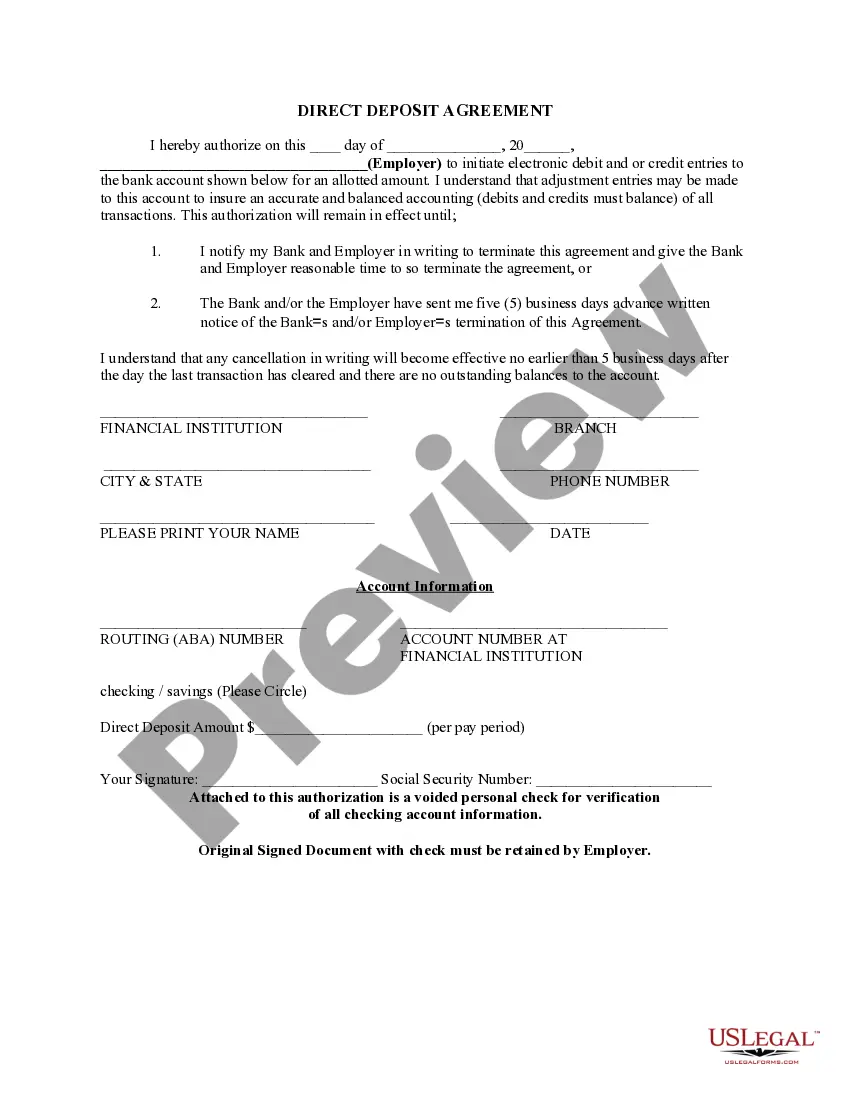
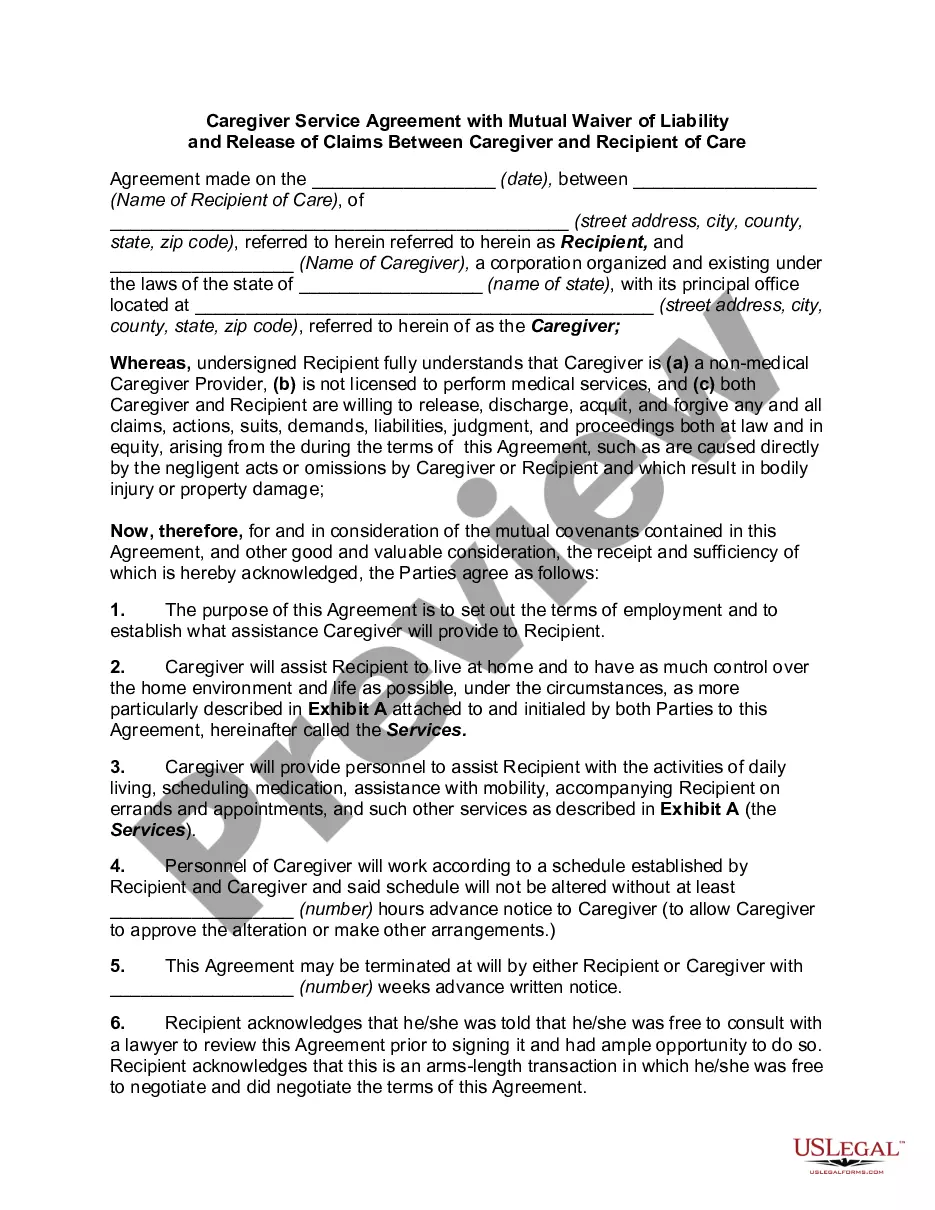
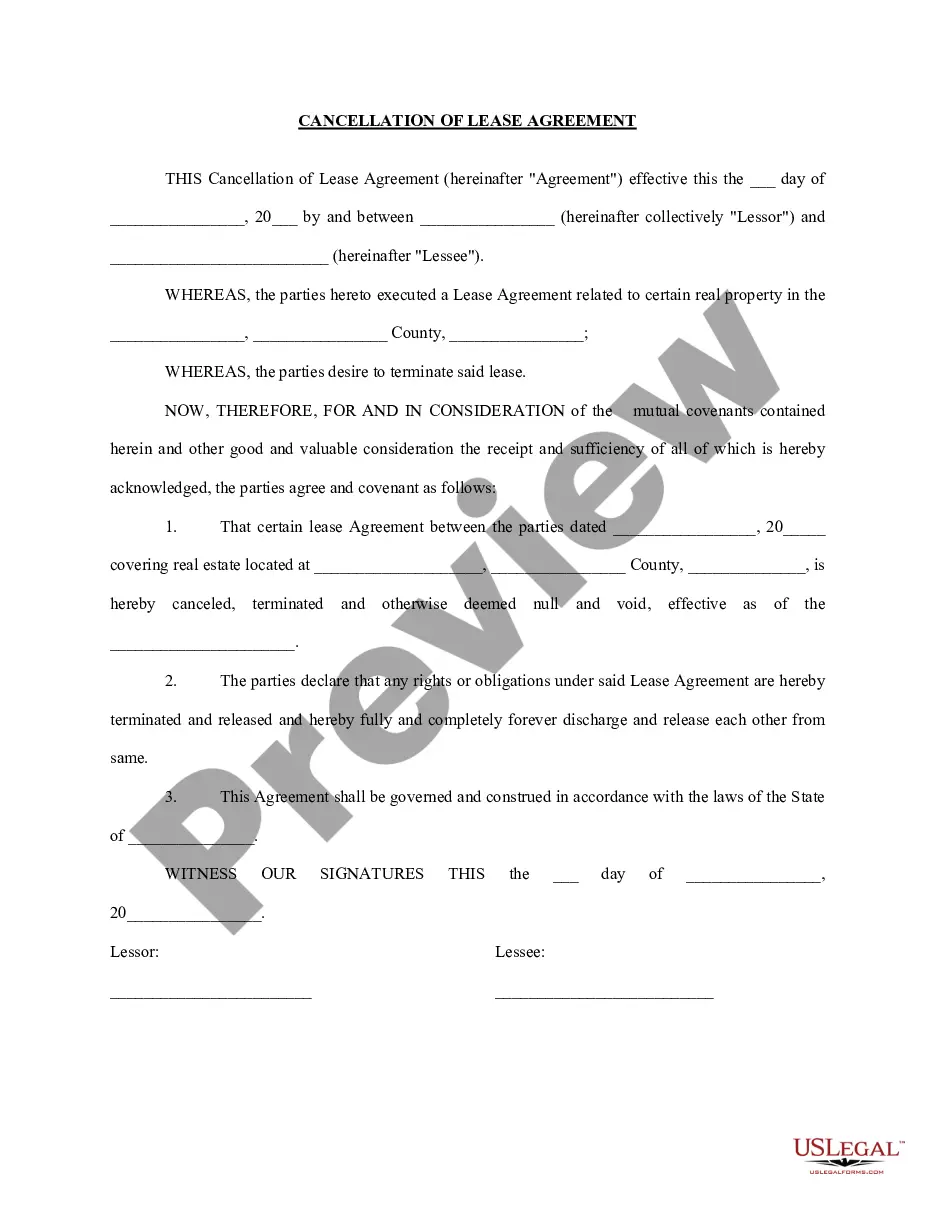
Caregiver Form Sample With Time In San Diego
Description


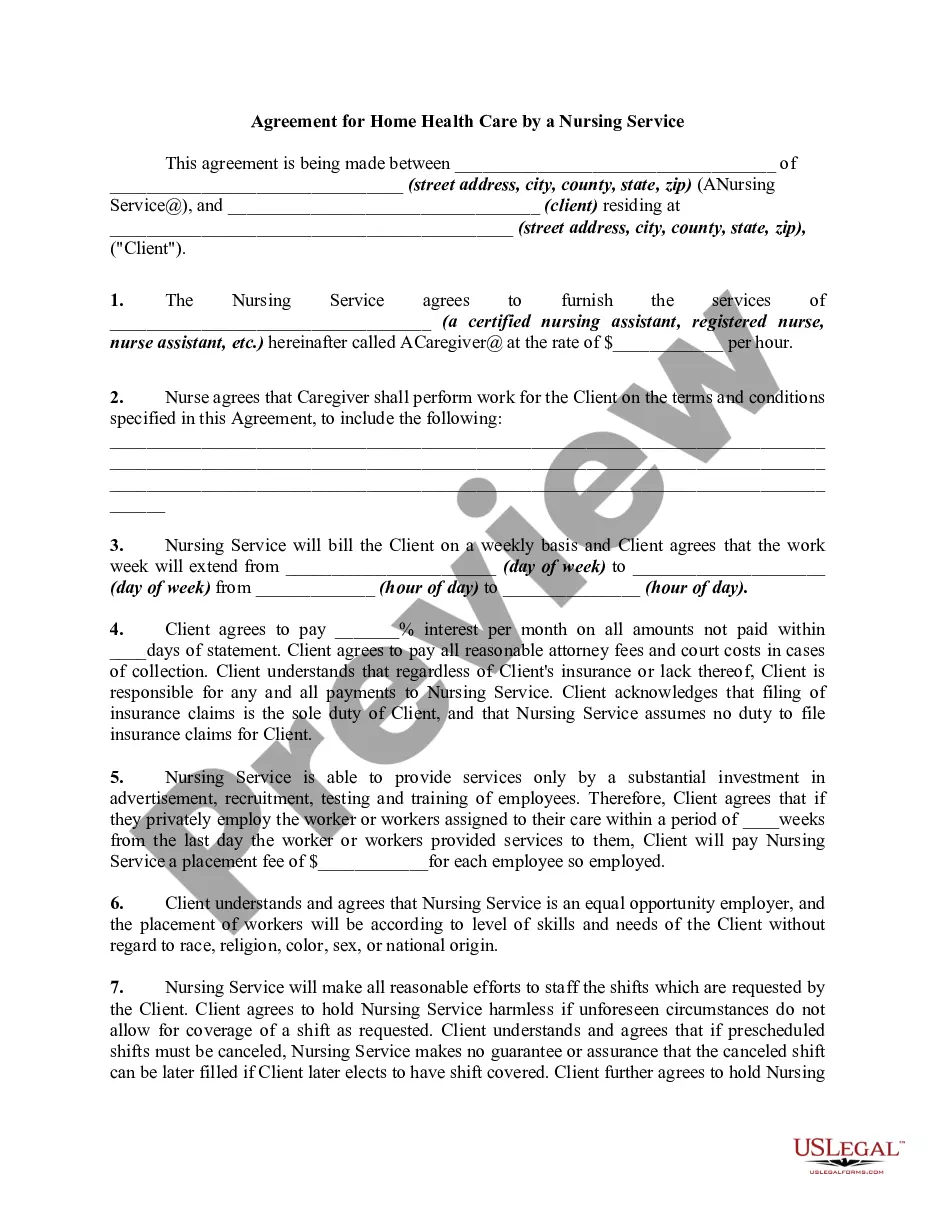
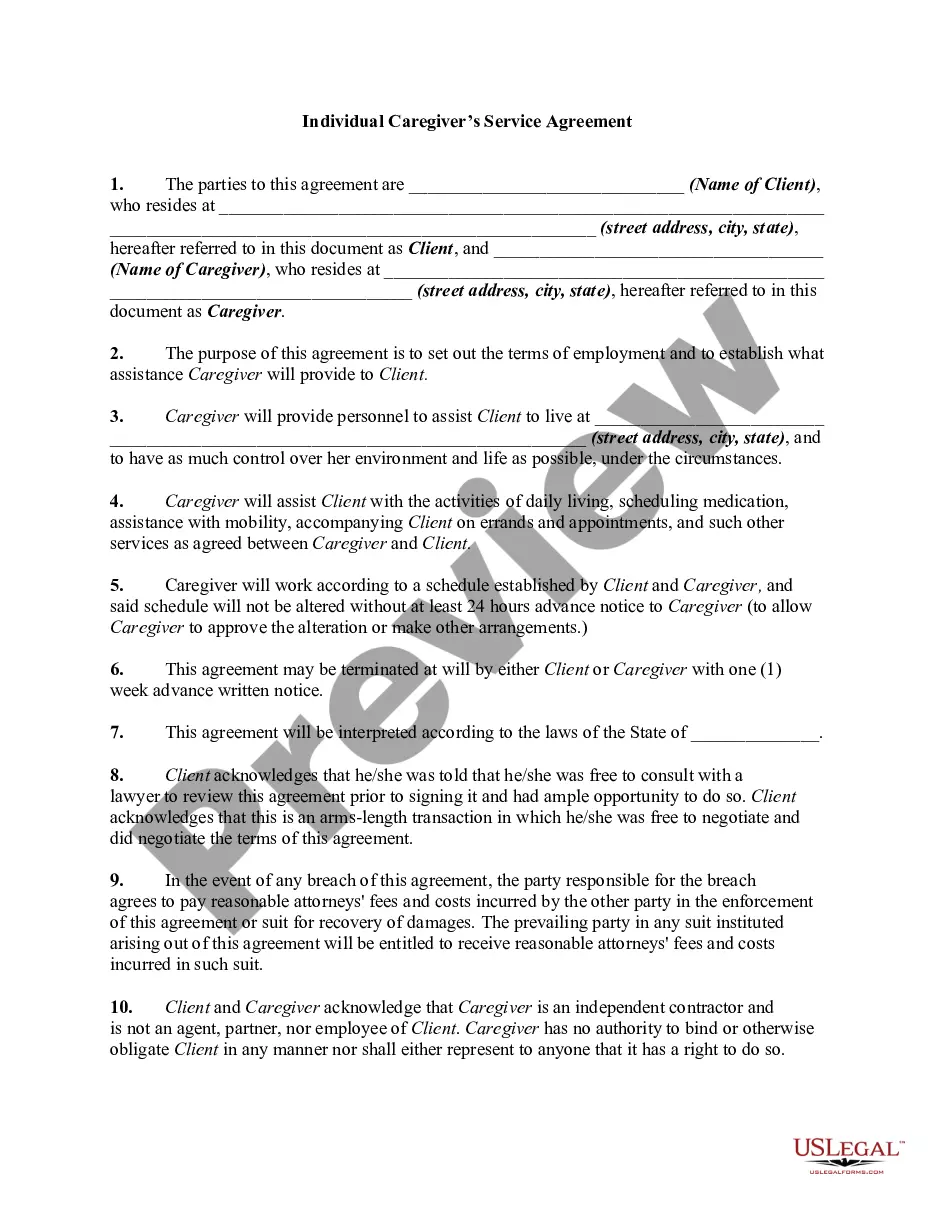
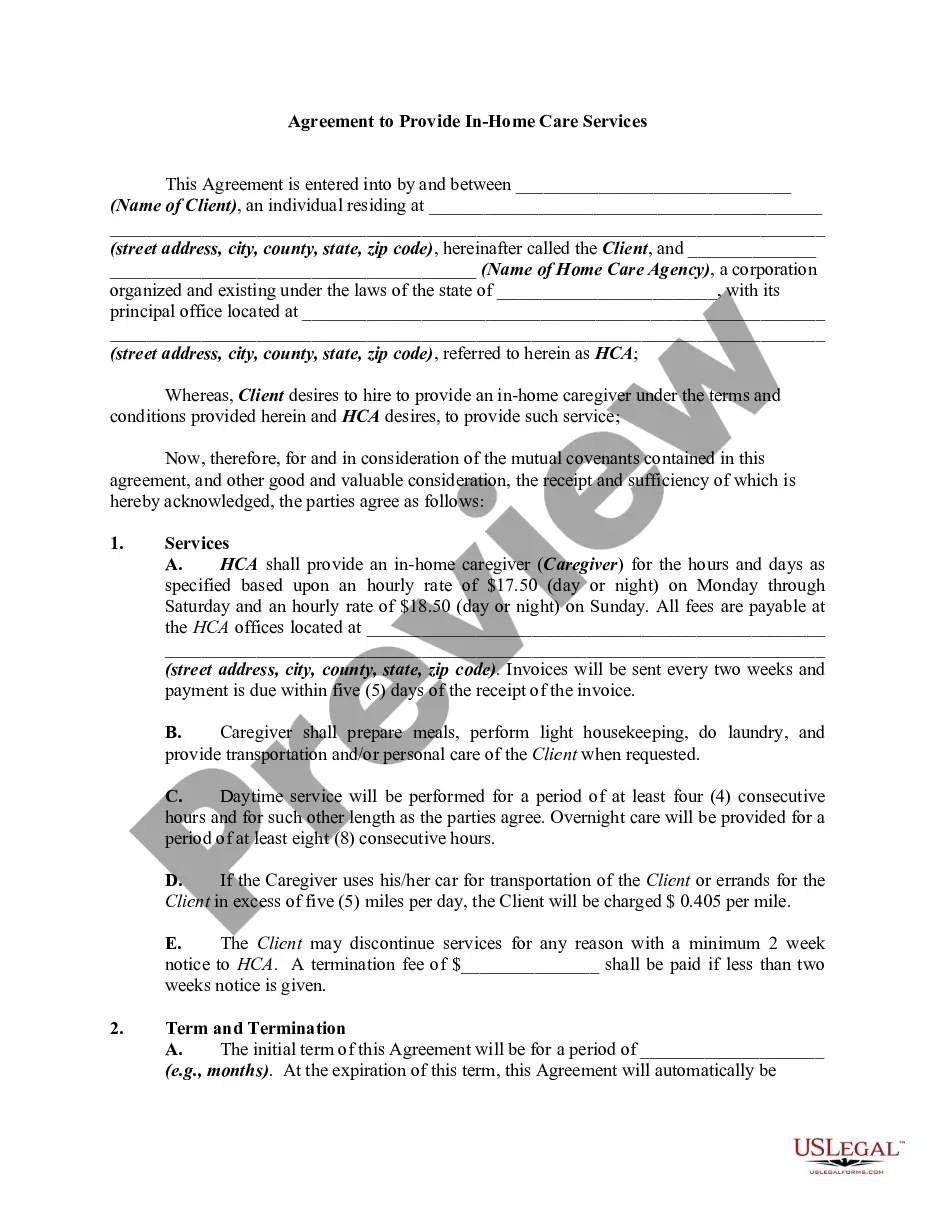
Get your form ready online
Our built-in tools help you complete, sign, share, and store your documents in one place.
Make edits, fill in missing information, and update formatting in US Legal Forms—just like you would in MS Word.
Download a copy, print it, send it by email, or mail it via USPS—whatever works best for your next step.
Sign and collect signatures with our SignNow integration. Send to multiple recipients, set reminders, and more. Go Premium to unlock E-Sign.
If this form requires notarization, complete it online through a secure video call—no need to meet a notary in person or wait for an appointment.
We protect your documents and personal data by following strict security and privacy standards.

Make edits, fill in missing information, and update formatting in US Legal Forms—just like you would in MS Word.

Download a copy, print it, send it by email, or mail it via USPS—whatever works best for your next step.

Sign and collect signatures with our SignNow integration. Send to multiple recipients, set reminders, and more. Go Premium to unlock E-Sign.

If this form requires notarization, complete it online through a secure video call—no need to meet a notary in person or wait for an appointment.

We protect your documents and personal data by following strict security and privacy standards.
Looking for another form?









Form popularity
FAQ
To become a caregiver in California, meet state requirements (work authorization, background check, good health), complete a Home Care Aide certification course and provide proof of vaccinations and a negative TB test.
A caregiver provides assistance in meeting the daily needs of another person. Responsibilities may range from bathing, dressing, feeding, transportation, grocery shopping, housework, managing incontinence, assisting with mobility, preparing meals, dispensing medicines, and communicating with medical staff.
How to become a caregiver Evaluate whether being a caregiver suits you. Determine whether offering care to vulnerable people is right for you. Obtain education and training. Seek a part-time role or apprenticeship. Gain experience. Develop care skills. Find a caregiver role.
In conclusion, there are 4 types of caregivers: family caregivers, professional caregivers, volunteer caregivers, and informal caregivers. Each caregiver faces unique challenges, including physical and emotional exhaustion, financial strain, and balancing personal and caregiving responsibilities.
To get IHSS, you need to: Be blind, disabled, or age 65 or older. Meet full-scope requirements for Medi-Cal. AND be unable to live at home safely without help.
To become a caregiver in California, meet state requirements (work authorization, background check, good health), complete a Home Care Aide certification course and provide proof of vaccinations and a negative TB test.
Listen to their concerns without judgment or advice. It's the best way to let them know that you care about how they feel and that you want to help. Show understanding, empathy, and compassion for them as a caregiver and as a person. Be supportive by asking ``how can I help?'' or ``what do you need me to do?''
To become a caregiver in California, meet state requirements (work authorization, background check, good health), complete a Home Care Aide certification course and provide proof of vaccinations and a negative TB test.
Self-Care for Caregivers Take time for yourself and your own needs. Eat a well-balanced diet. Exercise by taking short walks daily or at least three times a week. Listen to guided relaxation recordings or relaxing music. Schedule short rest periods between activities. Set limits for what you can do.