Care Caregiver Form With Child Support In San Antonio
Description

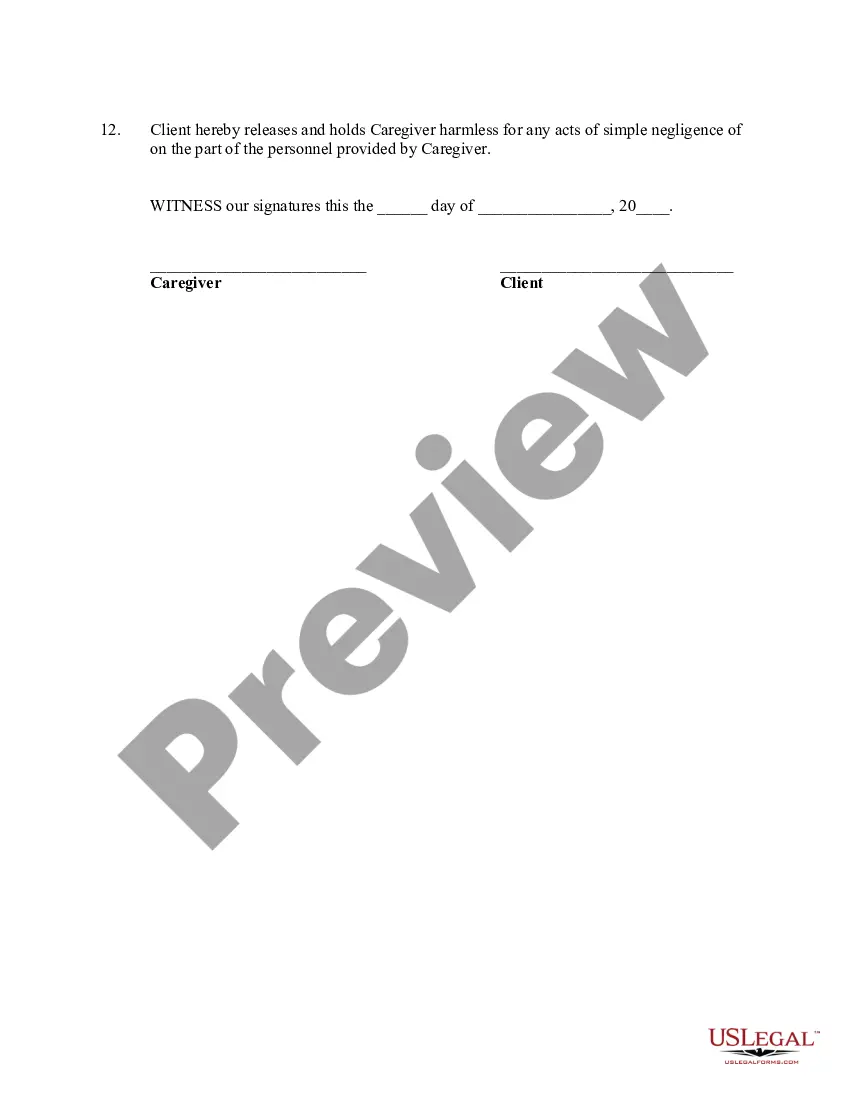
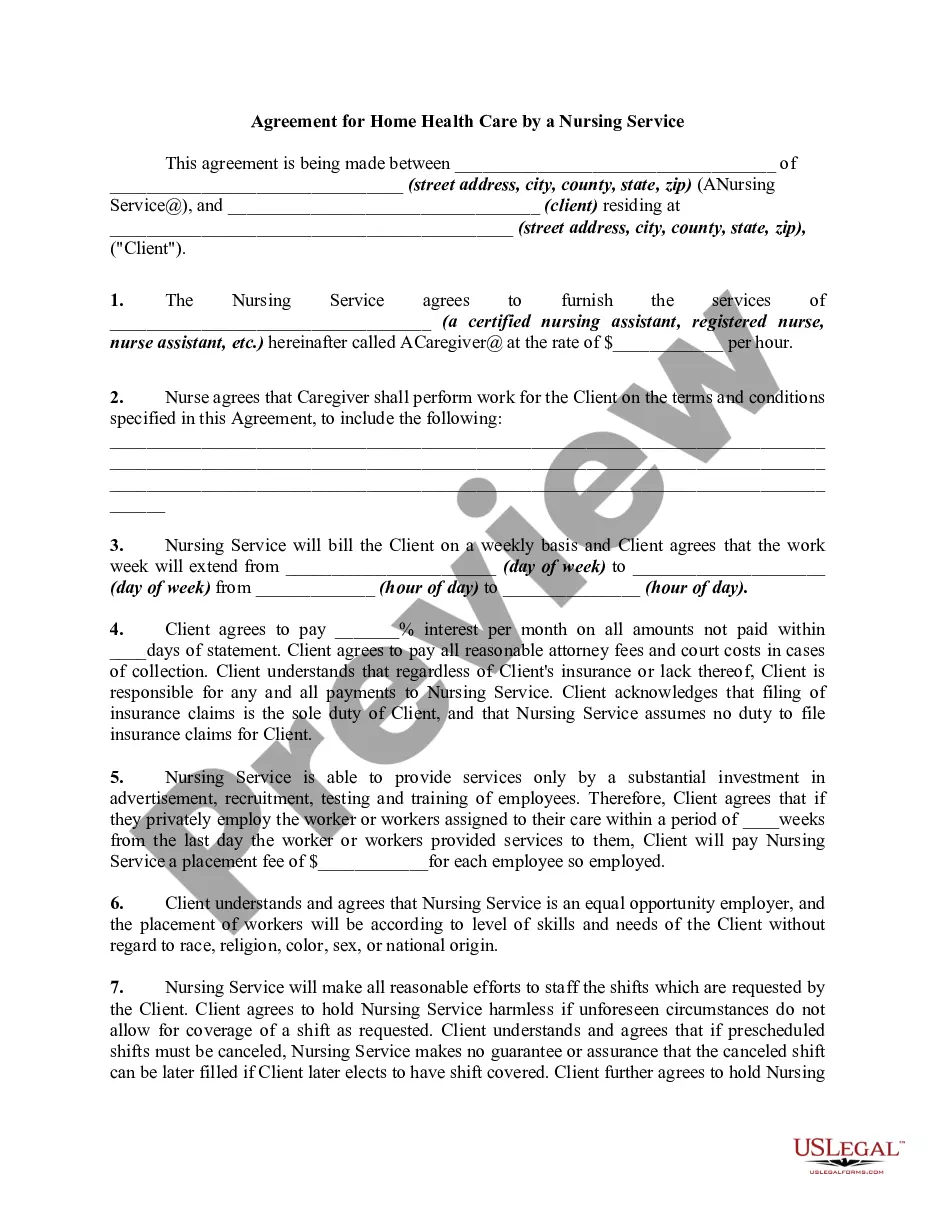
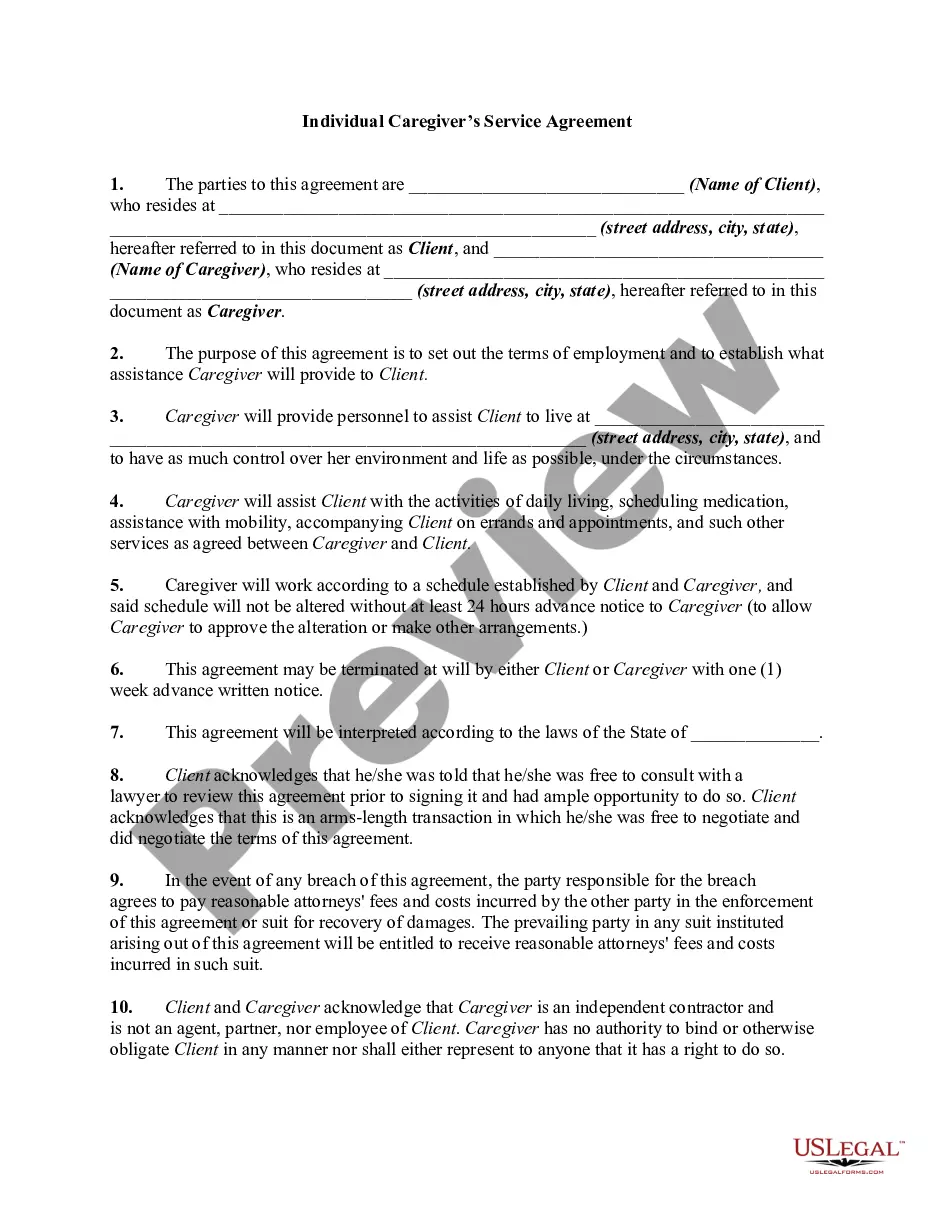
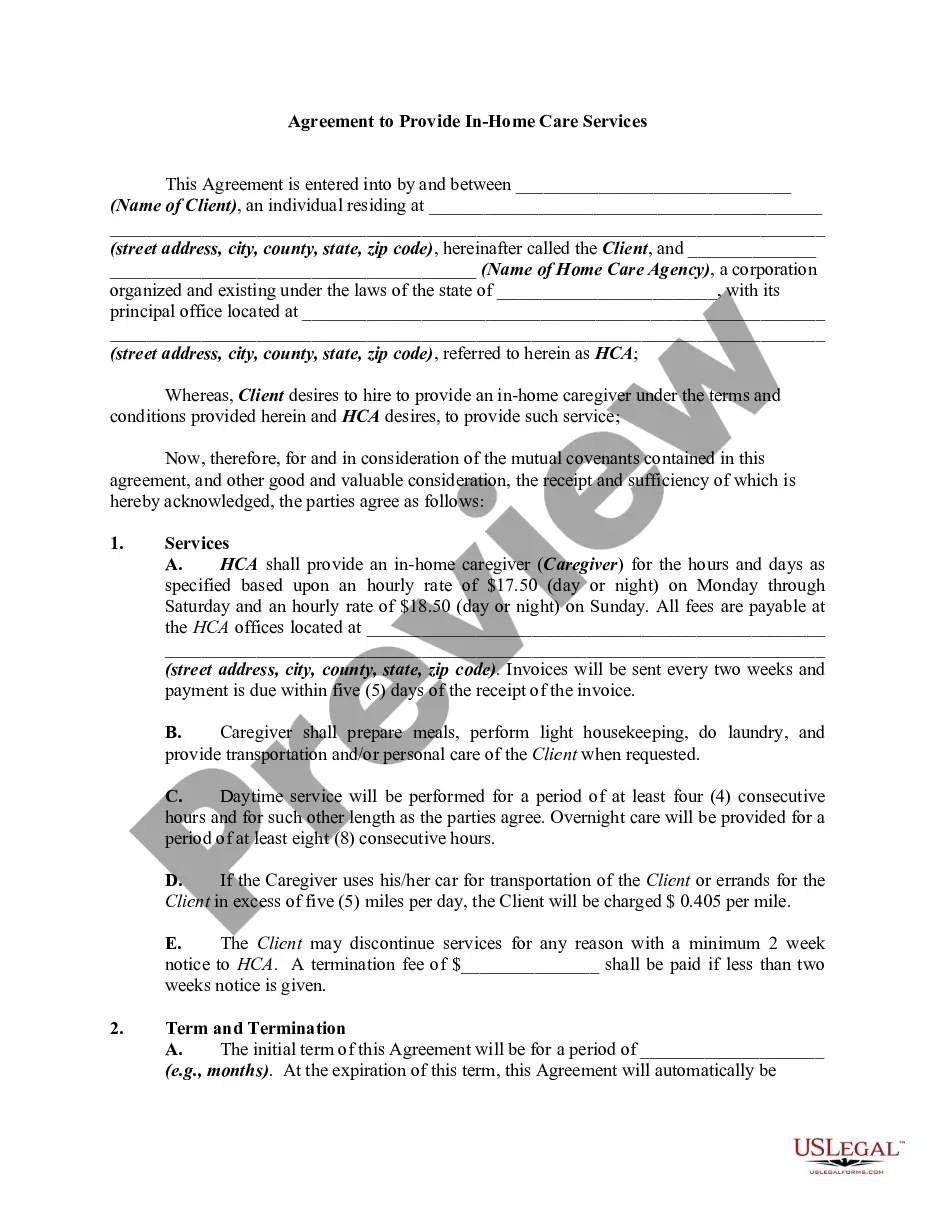
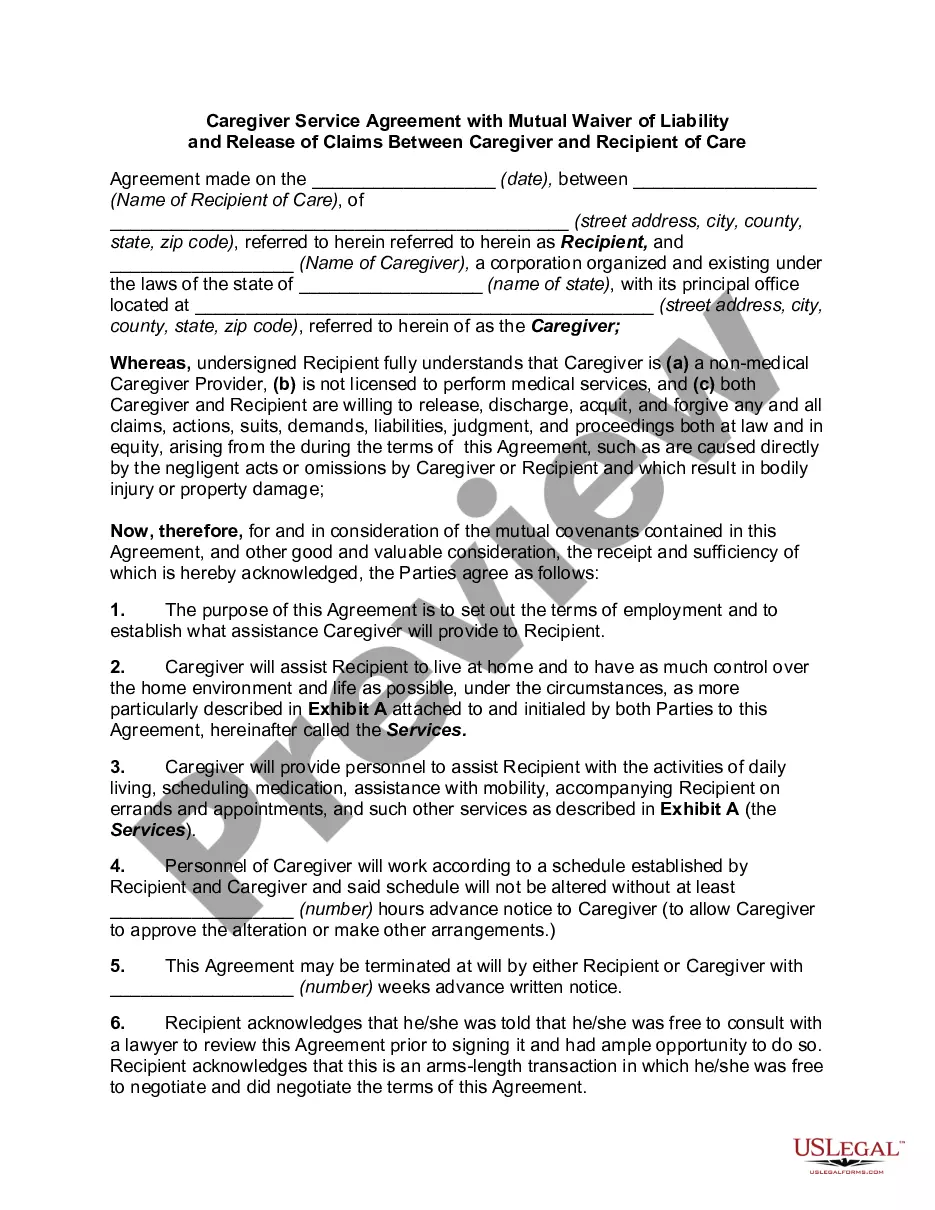
Get your form ready online
Our built-in tools help you complete, sign, share, and store your documents in one place.
Make edits, fill in missing information, and update formatting in US Legal Forms—just like you would in MS Word.
Download a copy, print it, send it by email, or mail it via USPS—whatever works best for your next step.
Sign and collect signatures with our SignNow integration. Send to multiple recipients, set reminders, and more. Go Premium to unlock E-Sign.
If this form requires notarization, complete it online through a secure video call—no need to meet a notary in person or wait for an appointment.
We protect your documents and personal data by following strict security and privacy standards.

Make edits, fill in missing information, and update formatting in US Legal Forms—just like you would in MS Word.

Download a copy, print it, send it by email, or mail it via USPS—whatever works best for your next step.

Sign and collect signatures with our SignNow integration. Send to multiple recipients, set reminders, and more. Go Premium to unlock E-Sign.

If this form requires notarization, complete it online through a secure video call—no need to meet a notary in person or wait for an appointment.

We protect your documents and personal data by following strict security and privacy standards.
Looking for another form?


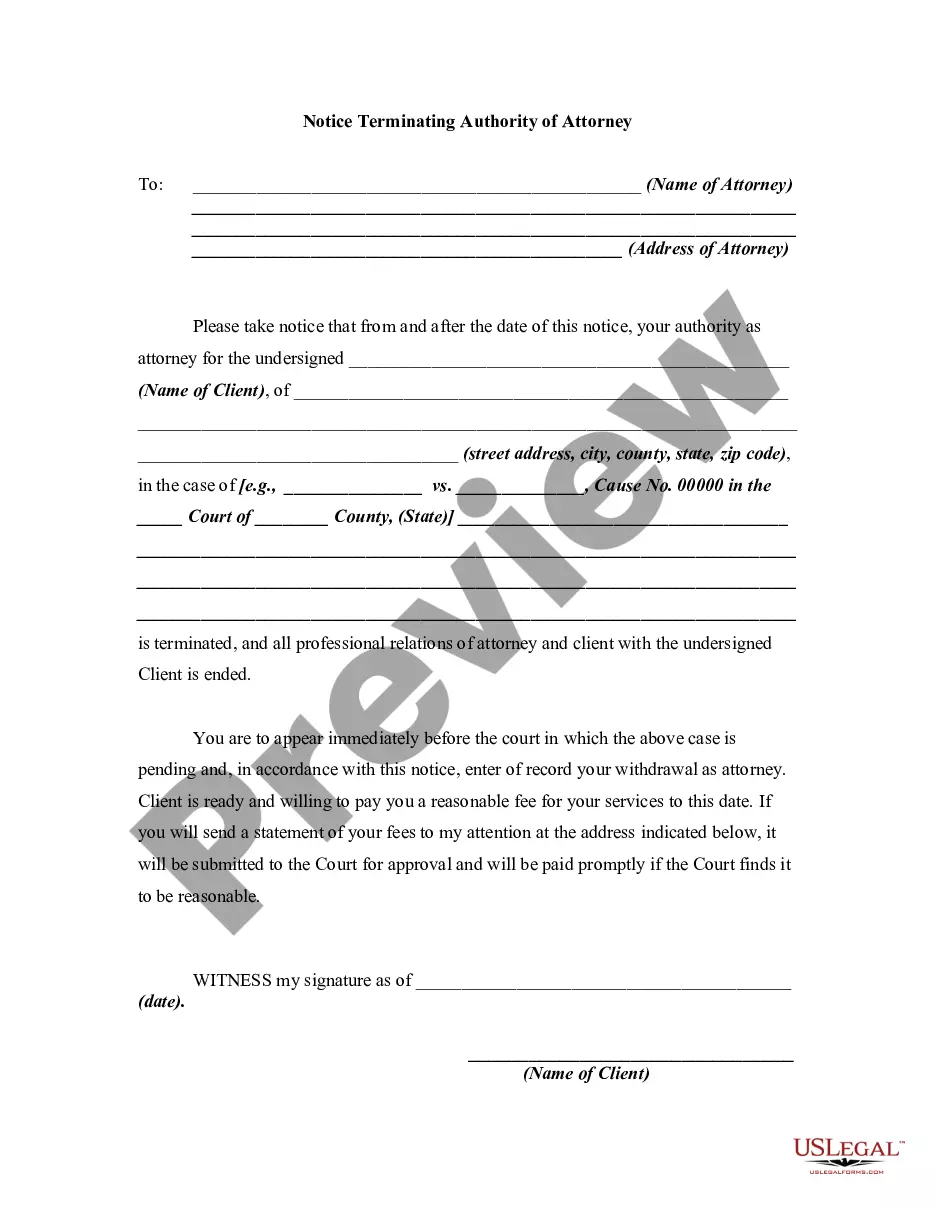
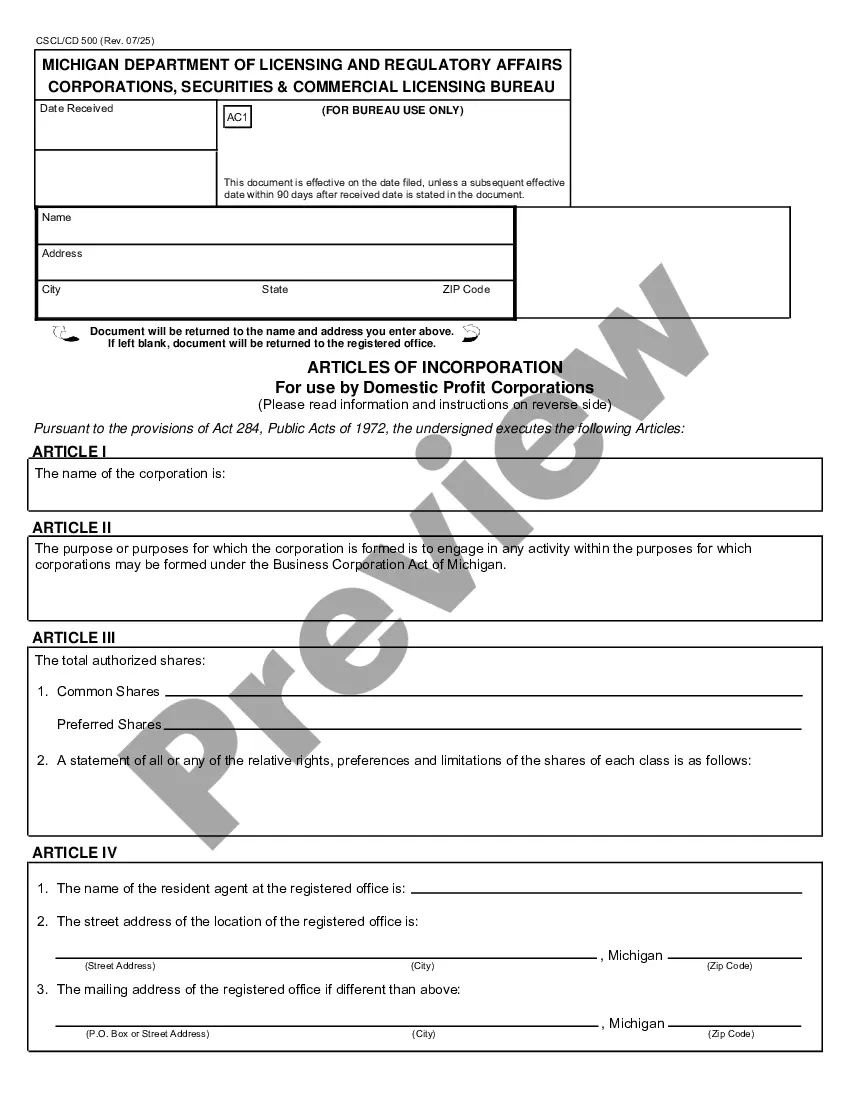

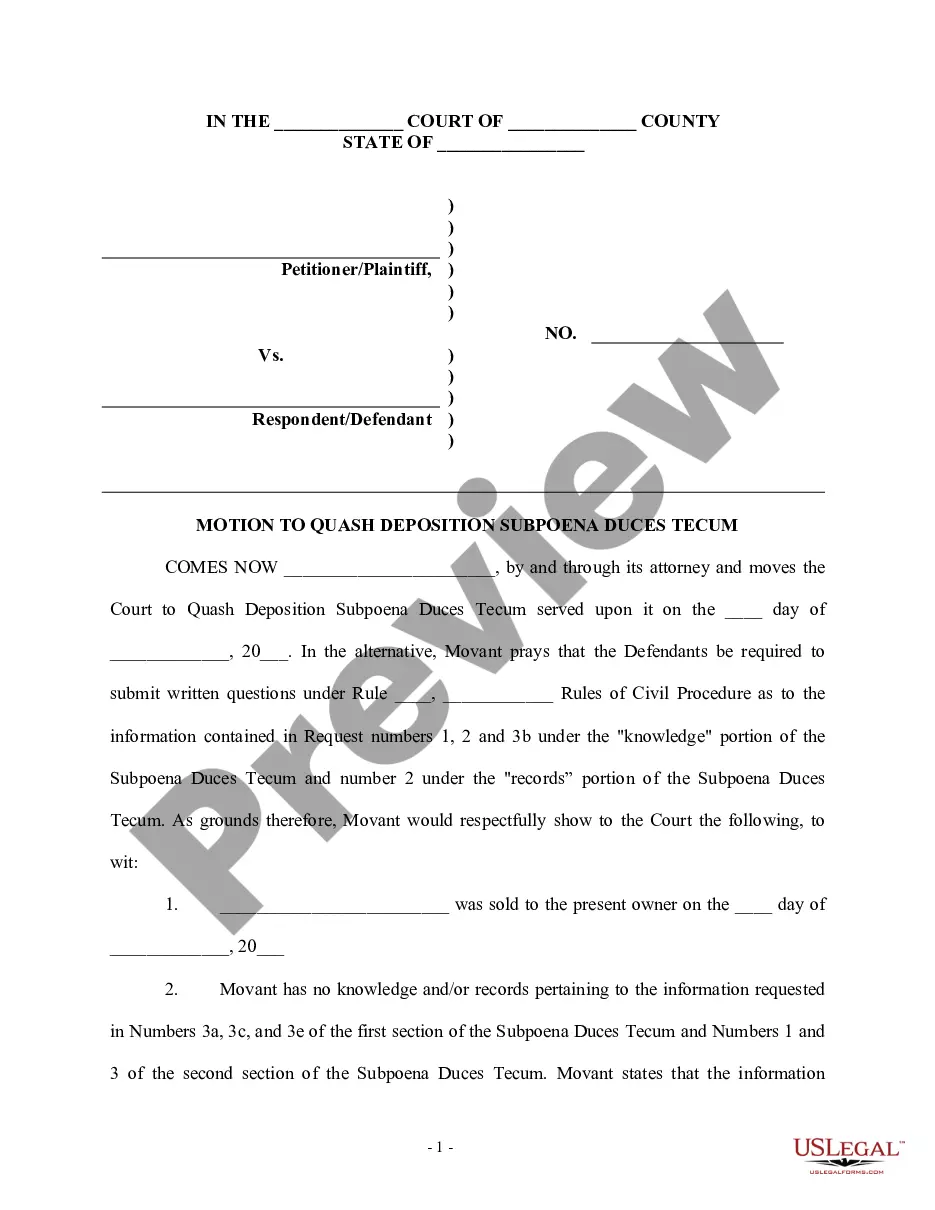


Form popularity
FAQ
Understand training requirements for Texas Home Health Aides (HHAs) need 120 hours of certification training and 12 hours annually thereafter. CareAcademy offers annual training for HHAs. Certified Nursing Assistant (CNAs) need 120 hours of certification training and are not required to take annual training.
What are common caregiver qualifications? Having relevant work experience and skills. Completing any required training. Passing a background check and general health check. Earning basic health certifications. Meeting age requirements. Possessing a valid driver's license, insurance and a good driving record.
A caregiver must: (1) Be at least 18 years of age; (2) Have a high school diploma or its equivalent, and upon request verify completion of any high school equivalency program with original documentation to us. (3) Meet the requirements in Subchapter F of Chapter 745 of this title (relating to Background Checks);
How Do You Enforce Child Support in Texas? Establishing a Child Support Order. Gather Evidence of Communication and Payments. File a Petition to Enforce Child Support. Serve the Other Party With the Petition. The Final Hearing.
Upon filing for child support, the noncustodial parent must be officially notified of the case – a process known as “service of process.” This step can take anywhere from a few weeks to several months, depending on the ease of locating and serving the noncustodial parent.
You can apply for child support services in several ways — but applying online is the fastest, easiest method. Social Security number. Driver's License number. Phone number. Employment history. Alternative contact information. Attorney information (if you have one representing you)
Typically, a parent must be behind on payments for three to six months before the state considers issuing a warrant for their arrest. When payments are overdue, the Texas Child Support Division can escalate enforcement measures by utilizing wage garnishment, suspending driver's licenses, or seizing tax refunds.
Laws dealing with child support in Texas state that deadbeat dads who owe more than three months of past-due child support, and who do not have a voluntary repayment schedule, face mandatory license suspension.
There are specific circumstances under which child support can be canceled, such as if the child dies, becomes self-supporting (gets married or enlists in the military), or graduates high school and turns 18, whichever comes later.
On average, child support determinations take about two months from the time the request for support is filed. Once the request is filed with the court, the noncustodial parent to whom the request for child support is directed will be notified about the filing.
