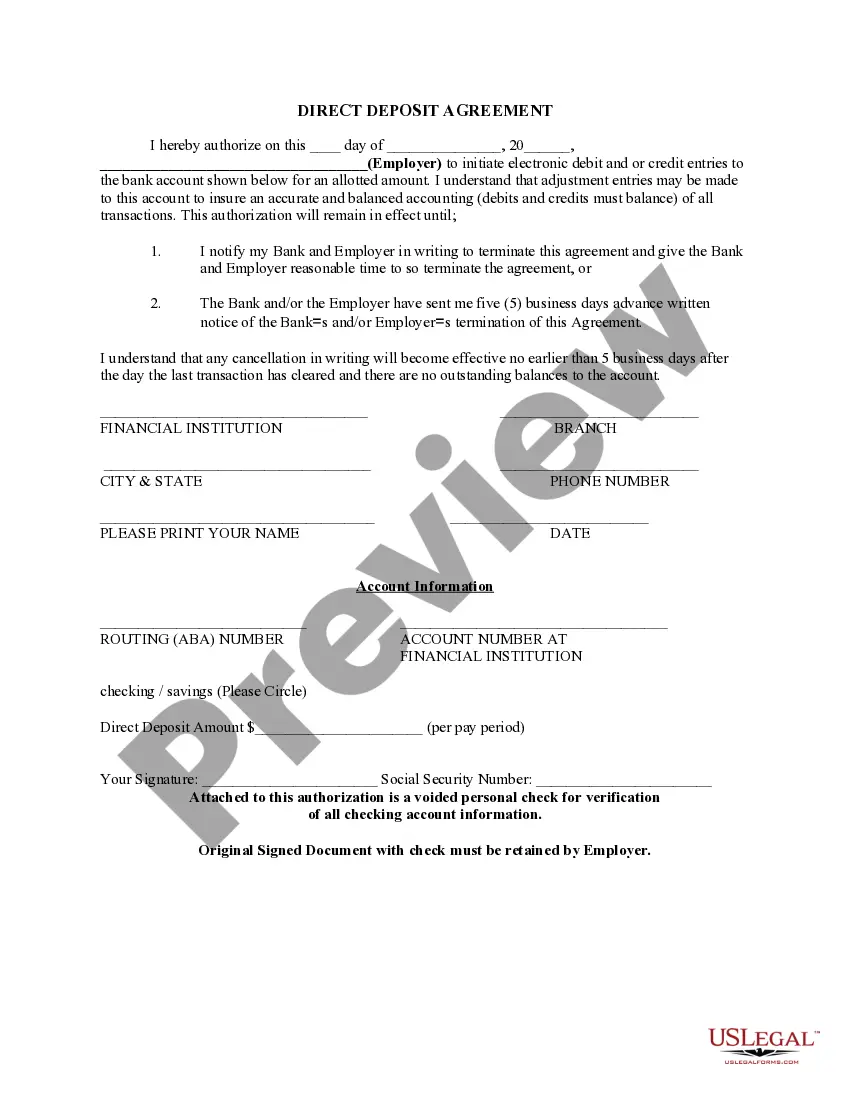
Caregiver Form Sample With Time In Pima
Description






Get your form ready online
Our built-in tools help you complete, sign, share, and store your documents in one place.
Make edits, fill in missing information, and update formatting in US Legal Forms—just like you would in MS Word.
Download a copy, print it, send it by email, or mail it via USPS—whatever works best for your next step.
Sign and collect signatures with our SignNow integration. Send to multiple recipients, set reminders, and more. Go Premium to unlock E-Sign.
If this form requires notarization, complete it online through a secure video call—no need to meet a notary in person or wait for an appointment.
We protect your documents and personal data by following strict security and privacy standards.

Make edits, fill in missing information, and update formatting in US Legal Forms—just like you would in MS Word.

Download a copy, print it, send it by email, or mail it via USPS—whatever works best for your next step.

Sign and collect signatures with our SignNow integration. Send to multiple recipients, set reminders, and more. Go Premium to unlock E-Sign.

If this form requires notarization, complete it online through a secure video call—no need to meet a notary in person or wait for an appointment.

We protect your documents and personal data by following strict security and privacy standards.
Looking for another form?








Form popularity
FAQ
The average workweek for caregivers is between 30 and 40 hours (BLS).
A sample day to day routine may look like this: Wake up at a.m. Take care of personal hygiene needs and get dressed. Enjoy breakfast in the sunroom while listening to favorite music. Take a walk. Tackle a puzzle or art project. Pack a picnic lunch to take to the neighborhood park. Run an errand.
A caregiver in the morning may assist with a daily routine — helping with bathing, dressing, putting on makeup, eating breakfast, and engaging in other daytime tasks. At night, a caregiver may assist with bedtime or simply be there to offer comfort and support.
What to Include in a Checklist for Caregivers Name of caregiver on duty. Date the checklist is being used. Name of patients. Patient's morning, afternoon, and evening routines, such as: Taking medication and vital signs. Eating food and drinking water. Housekeeping tasks to do. Changes in patient's condition, if any.
PLAN AHEAD: The first step in mastering caregiver scheduling is to create a master schedule. This plan should contain all necessary caring duties and the times they must be accomplished. If the person you care for needs medicine at 8 a.m., 12 p.m., and 8 p.m., those times should be mentioned in the master schedule.
4 legal documents every family caregiver needs A Will. A will is one of the most important legal documents that family caregivers should have. Advance Health Care Plan. Durable Power of Attorney for Health Care. Durable Power of Attorney for Finances.