Caregiver Consent Form For Medical Treatment In Pima
Description

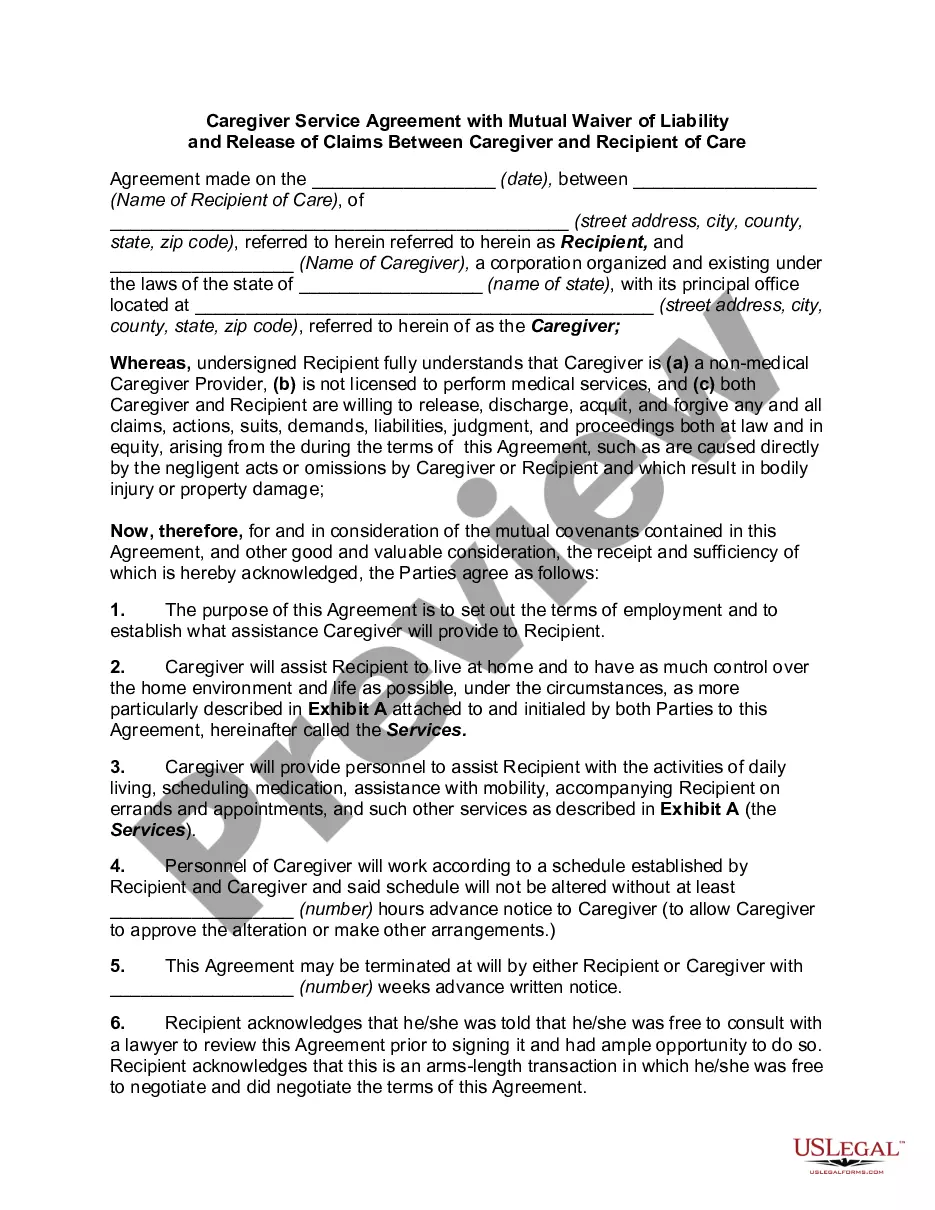
Get your form ready online
Our built-in tools help you complete, sign, share, and store your documents in one place.
Make edits, fill in missing information, and update formatting in US Legal Forms—just like you would in MS Word.
Download a copy, print it, send it by email, or mail it via USPS—whatever works best for your next step.
Sign and collect signatures with our SignNow integration. Send to multiple recipients, set reminders, and more. Go Premium to unlock E-Sign.
If this form requires notarization, complete it online through a secure video call—no need to meet a notary in person or wait for an appointment.
We protect your documents and personal data by following strict security and privacy standards.

Make edits, fill in missing information, and update formatting in US Legal Forms—just like you would in MS Word.

Download a copy, print it, send it by email, or mail it via USPS—whatever works best for your next step.

Sign and collect signatures with our SignNow integration. Send to multiple recipients, set reminders, and more. Go Premium to unlock E-Sign.

If this form requires notarization, complete it online through a secure video call—no need to meet a notary in person or wait for an appointment.

We protect your documents and personal data by following strict security and privacy standards.
Looking for another form?




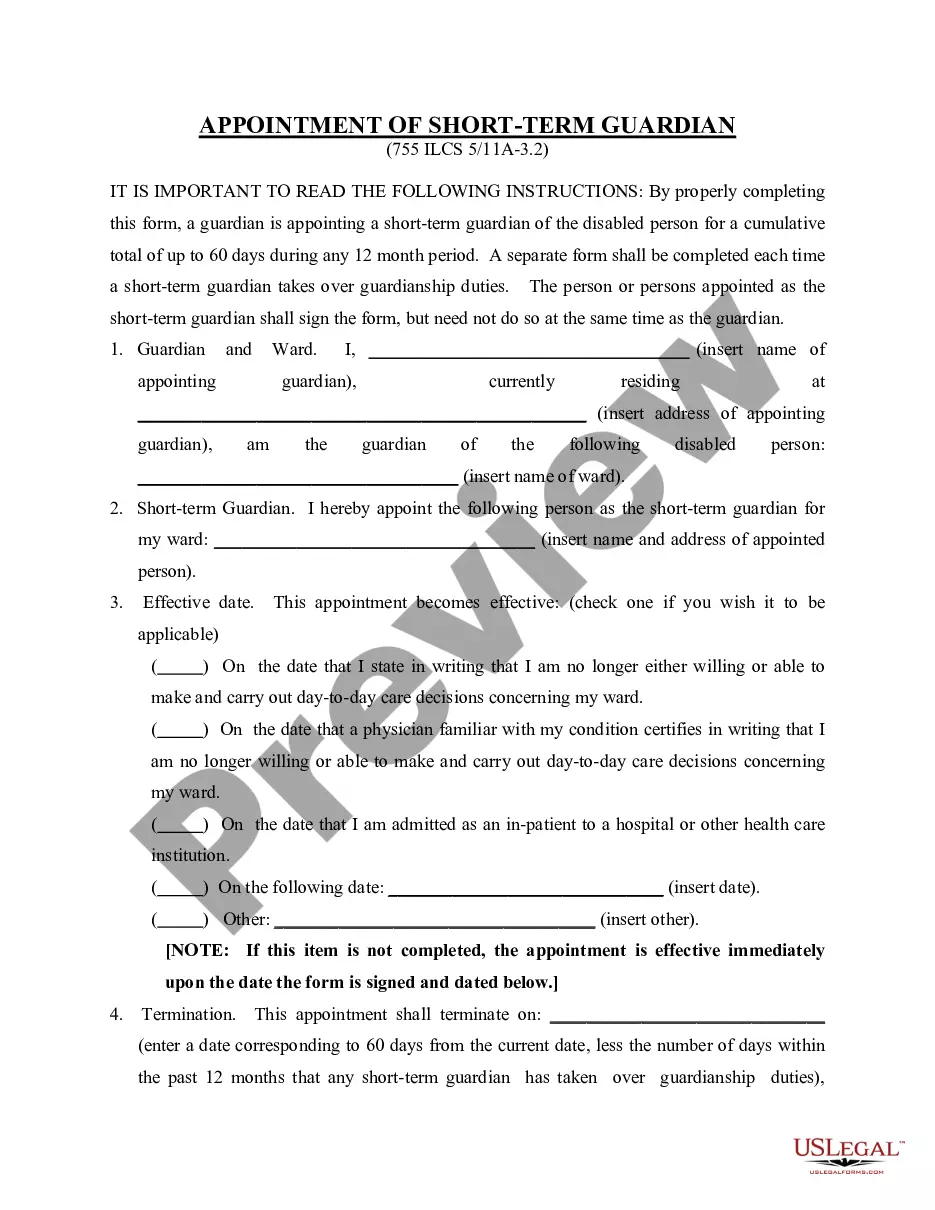




Form popularity
FAQ
A Caregiver Consent Form, prepared in advance, assures that the caregiver will be able to make medical decisions guided by health care professionals in your absence. You can create these forms without the need for a lawyer. Place prepared consent form copies next to emergency phone numbers.
Consent forms are intended to outline the terms and conditions regarding a type of participation or acknowledge some type of release of information. Without a consent form, it's considered unethical and in some cases illegal to allow a person to participate in an event or study or for the release of their information.
A healthcare consent form is a legal document that outlines a patient's agreement to receive a particular treatment, procedure, or disclosure of their medical information.
Consent must be freely given, informed, specific, unambiguous, and verifiable.
The consent form is intended, in part, to provide information for the potential subject's current and future reference and to document the interaction between the subject and the investigator. However, even if a signed consent form is required, it alone does not constitute an adequate consent process.
Informed consent is the process in which a health care provider educates a patient about the risks, benefits, and alternatives of a treatment. The patient must be competent to make a voluntary decision about the treatment. Written informed consent is required for the use of psychotropic medications.
There are various types of consent, including explicit consent, implied consent, opt-in consent, and opt-out consent.
