Care Caregiver Form For Elderly In Palm Beach
Description

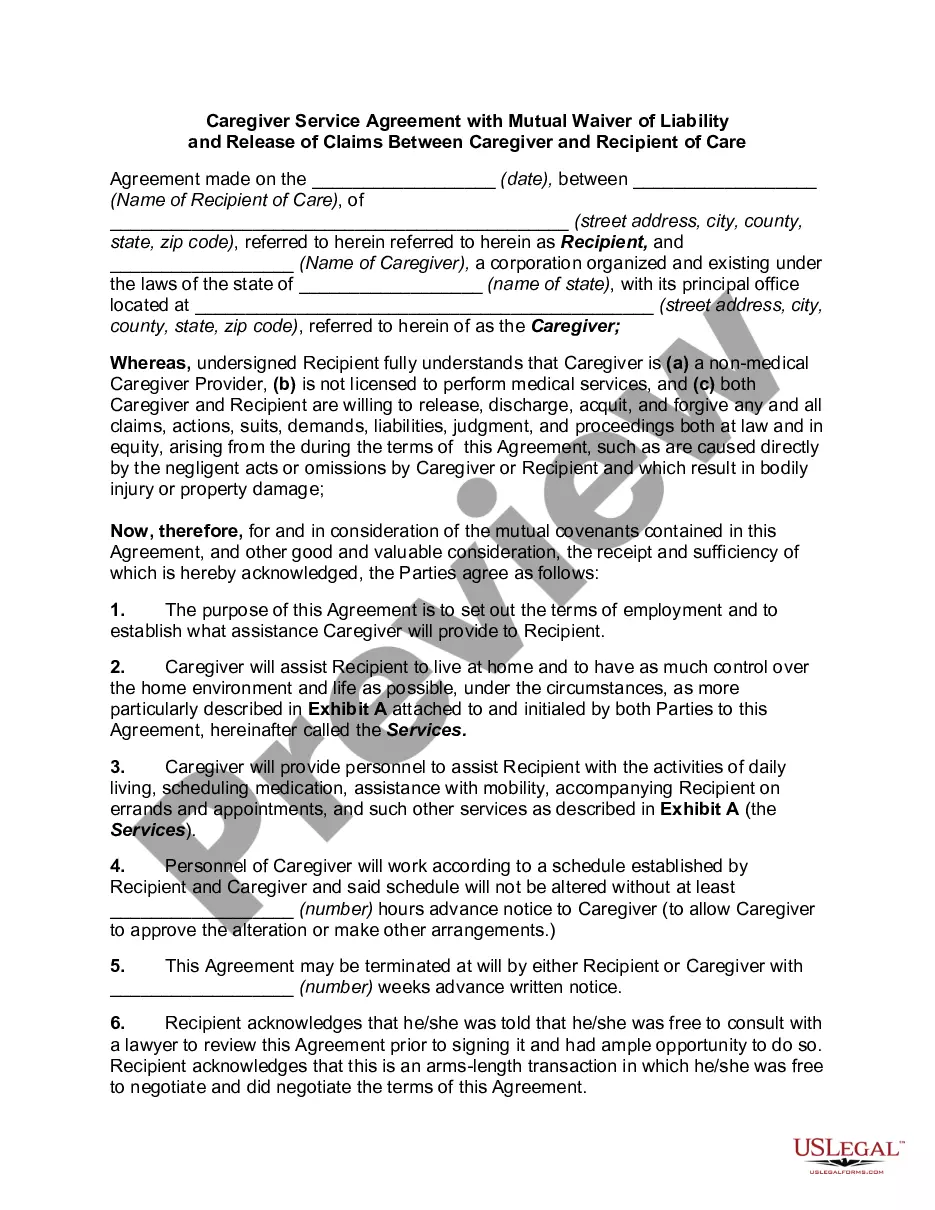
Get your form ready online
Our built-in tools help you complete, sign, share, and store your documents in one place.
Make edits, fill in missing information, and update formatting in US Legal Forms—just like you would in MS Word.
Download a copy, print it, send it by email, or mail it via USPS—whatever works best for your next step.
Sign and collect signatures with our SignNow integration. Send to multiple recipients, set reminders, and more. Go Premium to unlock E-Sign.
If this form requires notarization, complete it online through a secure video call—no need to meet a notary in person or wait for an appointment.
We protect your documents and personal data by following strict security and privacy standards.

Make edits, fill in missing information, and update formatting in US Legal Forms—just like you would in MS Word.

Download a copy, print it, send it by email, or mail it via USPS—whatever works best for your next step.

Sign and collect signatures with our SignNow integration. Send to multiple recipients, set reminders, and more. Go Premium to unlock E-Sign.

If this form requires notarization, complete it online through a secure video call—no need to meet a notary in person or wait for an appointment.

We protect your documents and personal data by following strict security and privacy standards.
Looking for another form?








Form popularity
FAQ
An elder care caregiver (sometimes also called a personal care aide) is a non-medical professional who assists an elderly person in a way that allows them to live as independently as possible in their own home. Though caregivers are non-medical, some do have extra licensing and are referred to as home health aides.
The Home Care for the Elderly (HCE) program supports care for Floridians age 60 and older in family-type living arrangements within private homes, as an alternative to institutional or nursing home care. A basic subsidy is provided for support and maintenance of the elder, including some medical costs.
As a home health care nurse, you'll work one-on-one with your patients in the comfort of their homes. This allows you to develop deeper relationships and work in a more personal setting than a medical office or hospital.
Senior care, which is also sometimes referred to as elder care, is a broad term that includes a myriad of services that can be provided to seniors.
Someone who takes care of a very young, elderly, or ill person is called a caregiver. If you make sure your ailing friend eats every day and is relatively comfortable, you are her caregiver. Being a caregiver is sometimes a paying job — a home health aid and a nurse in a hospital both work as caregivers.
A Senior/Elderly Caregiver is someone who helps older adults with daily activities, health needs, and personal care. They assist with tasks like bathing, dressing, cooking, cleaning, and medication reminders.
In conclusion, there are 4 types of caregivers: family caregivers, professional caregivers, volunteer caregivers, and informal caregivers. Each caregiver faces unique challenges, including physical and emotional exhaustion, financial strain, and balancing personal and caregiving responsibilities.
What Are the Criteria for Assisted Living in Florida? Seniors over the age of 65 are eligible to live in an assisted living community in the state of Florida. Residents who need assistance with at least one activity of daily living (ADL) are typically quite successful in an assisted living setting.
Paper-Based Florida Caregiver Requirements You must be 18 or older. A high school diploma or its equivalent. Clear criminal background check. Clean DMV records and valid driver's license. Reliable car with valid insurance. Clear health check. Caregiver training/certification (optional)
(a) “Senior citizen” means a person who is 60 years of age or older.
