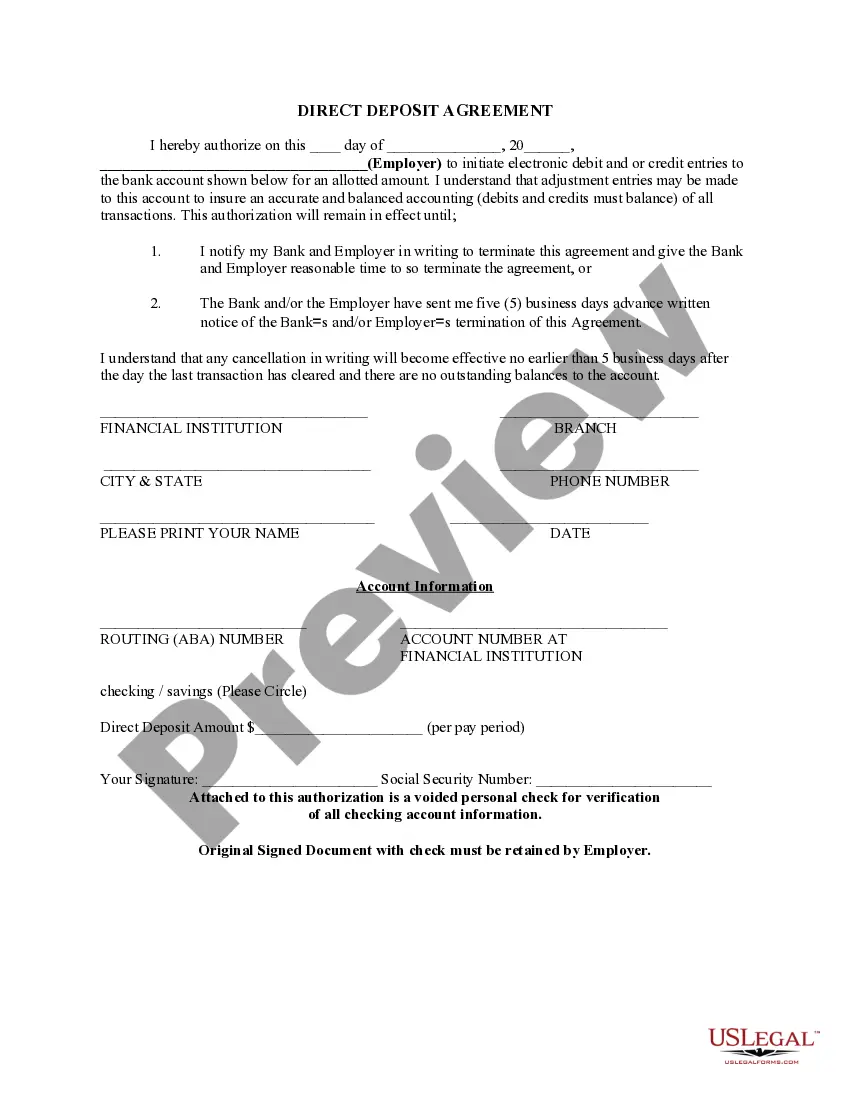
Caregiver Form Sample With Questions And Answers In Orange
Description






Get your form ready online
Our built-in tools help you complete, sign, share, and store your documents in one place.
Make edits, fill in missing information, and update formatting in US Legal Forms—just like you would in MS Word.
Download a copy, print it, send it by email, or mail it via USPS—whatever works best for your next step.
Sign and collect signatures with our SignNow integration. Send to multiple recipients, set reminders, and more. Go Premium to unlock E-Sign.
If this form requires notarization, complete it online through a secure video call—no need to meet a notary in person or wait for an appointment.
We protect your documents and personal data by following strict security and privacy standards.

Make edits, fill in missing information, and update formatting in US Legal Forms—just like you would in MS Word.

Download a copy, print it, send it by email, or mail it via USPS—whatever works best for your next step.

Sign and collect signatures with our SignNow integration. Send to multiple recipients, set reminders, and more. Go Premium to unlock E-Sign.

If this form requires notarization, complete it online through a secure video call—no need to meet a notary in person or wait for an appointment.

We protect your documents and personal data by following strict security and privacy standards.
Looking for another form?









Form popularity
FAQ
The most common type of caregiver is often the most accessible one: the family caregiver. This is because they are typically the individuals who love an aging individual the most and are closest in both emotional care and physical proximity.
In conclusion, there are 4 types of caregivers: family caregivers, professional caregivers, volunteer caregivers, and informal caregivers. Each caregiver faces unique challenges, including physical and emotional exhaustion, financial strain, and balancing personal and caregiving responsibilities.
What else you're not allowed to do: Sharing the client's private information without the client's consent. Unacceptable or inappropriate language towards the client. Not showing up for scheduled duties or being late to the job without prior notice to the client or employer.
Five Keys to Caregiving Let the patient lead. As a caregiver, it's natural to want to do everything for your loved one. Focus on comfort. When caring for a patient who is ill or disabled, it can be easy to lose track of your own needs. Listen to the experts. Talk to other caregivers. Take care of yourself.
Some terms, such as "home health aide" or "personal care assistant," may be more commonly used in professional caregiving settings. Understanding the scope of care required can help in determining the most suitable term. Level of Formality: Think about the level of formality desired when referring to the caregiver.
8 Questions to Ask When Interviewing a Professional Caregiver What made you become a professional caregiver? ... Do you specialize in what's ailing my loved one? ... Are you quiet or talkative? ... What kind of hobbies do you have? ... How often will you evaluate and update a written care plan?
Empathy, patience, and adaptability are the three main strengths that distinguish exceptional caregivers. By embodying these qualities, caregivers not only meet the physical needs of their clients but also provide emotional support, foster meaningful connections, and enhance overall well-being.
How to answer "Why do you want to be a caregiver?" Discuss what motivates you. When answering this question, consider discussing what motivates you to show a potential employer your commitment to the career. Show your personality. List your experience and skills. Explain your goals.
Experienced caregivers explain that they are able to stay strong by searching inside themselves and relying on their strength of character to keep them going during difficult days. Some examples of these strengths include patience, love, faith, core values, integrity, and compassion.
Compassion – The ability to translate empathic feelings into action (desire to alleviate suffering). Optimism – Expect a favourable or positive outcome. Confidence – Sure of one's self and one's abilities. Organization – Methodical and efficient in arrangement or function.