Care Caregiver Form For Uk In Orange
Description

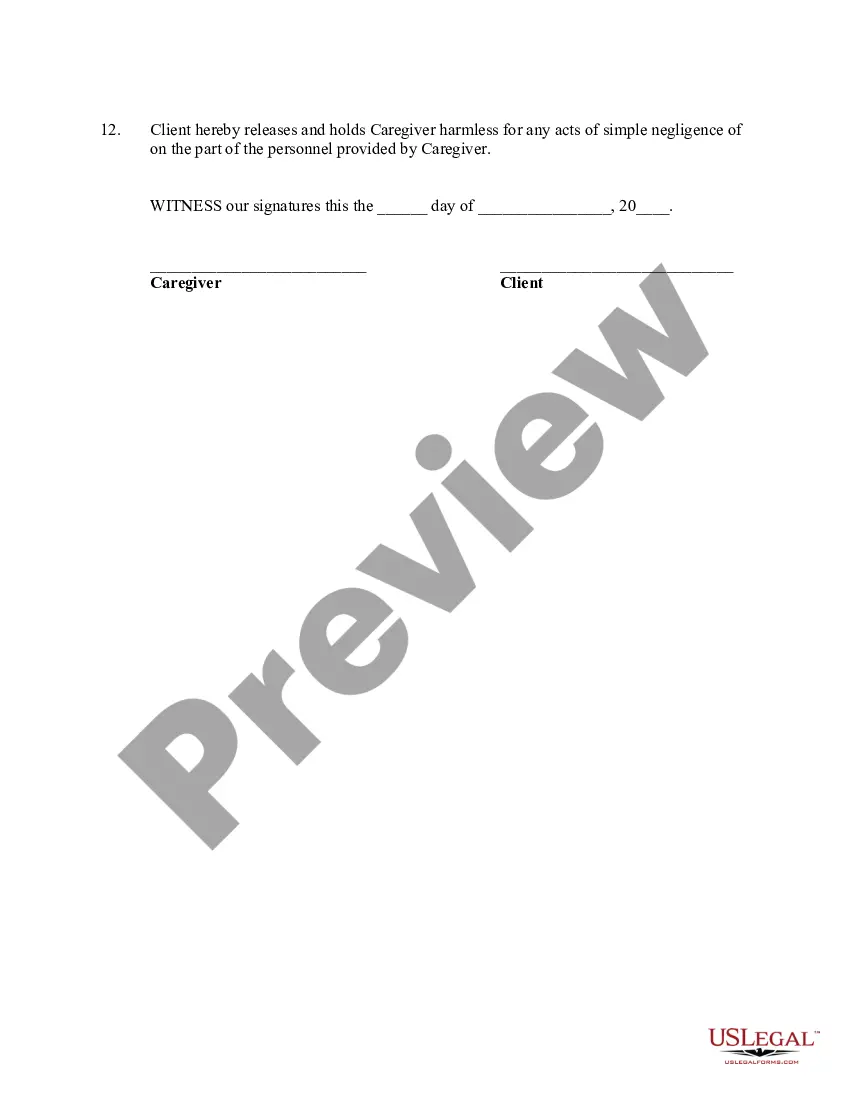
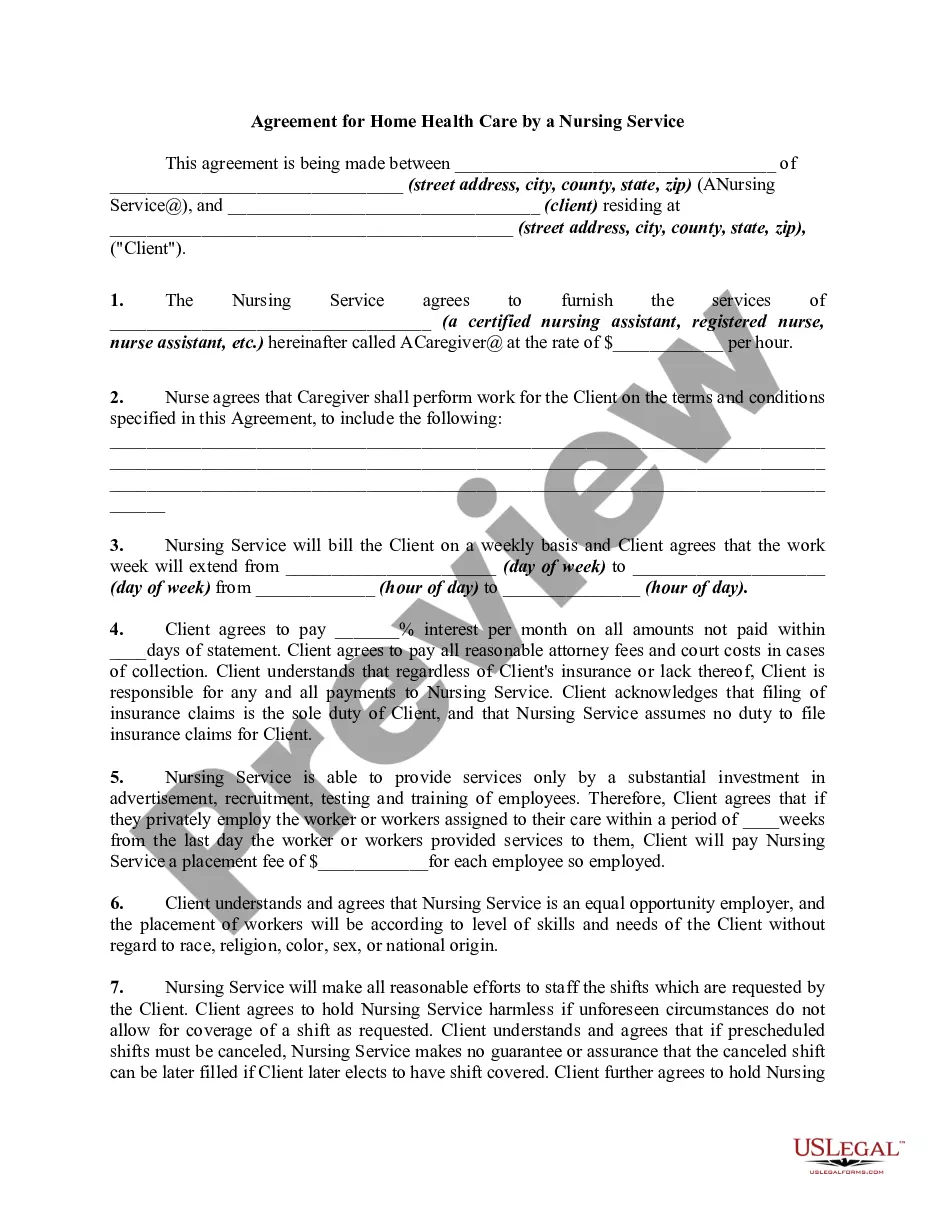
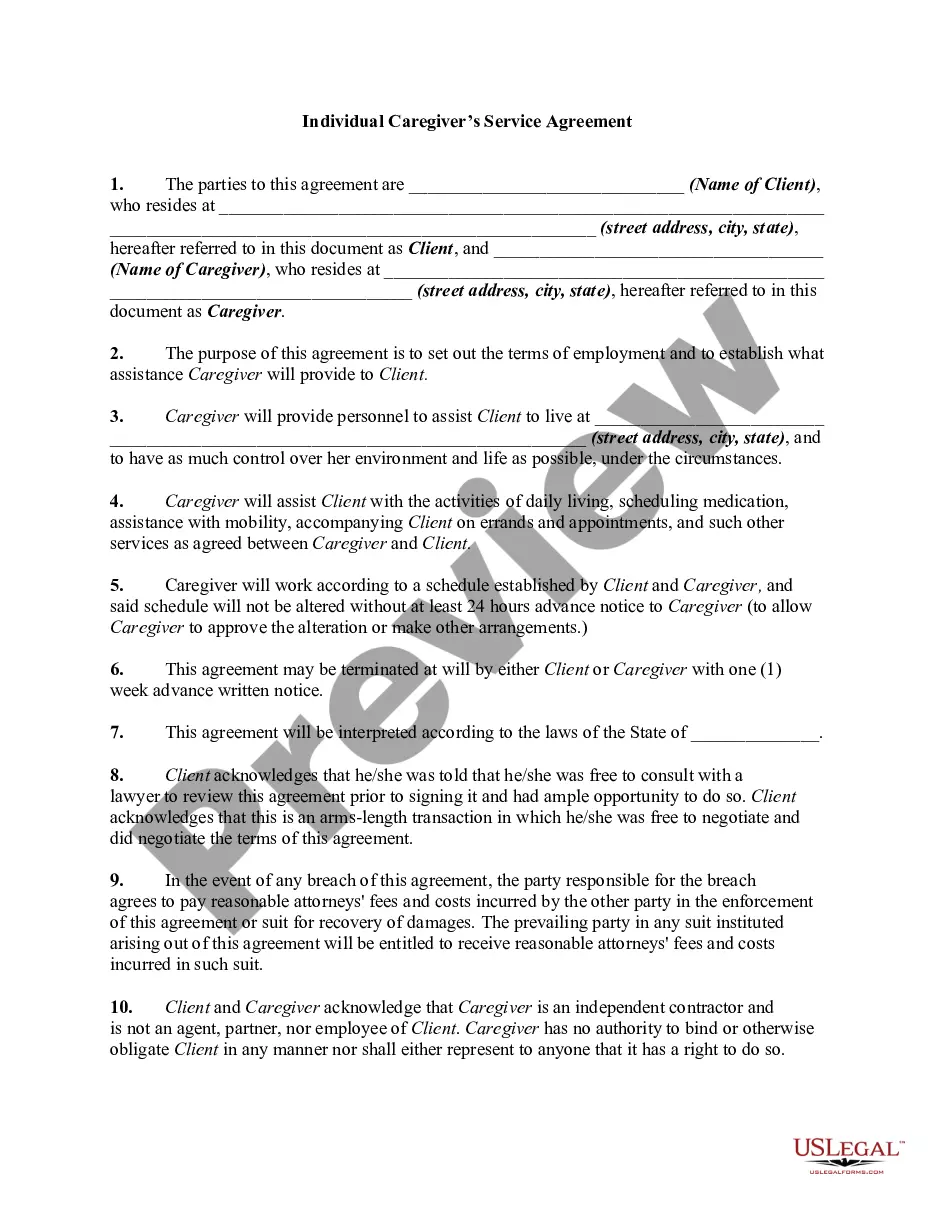
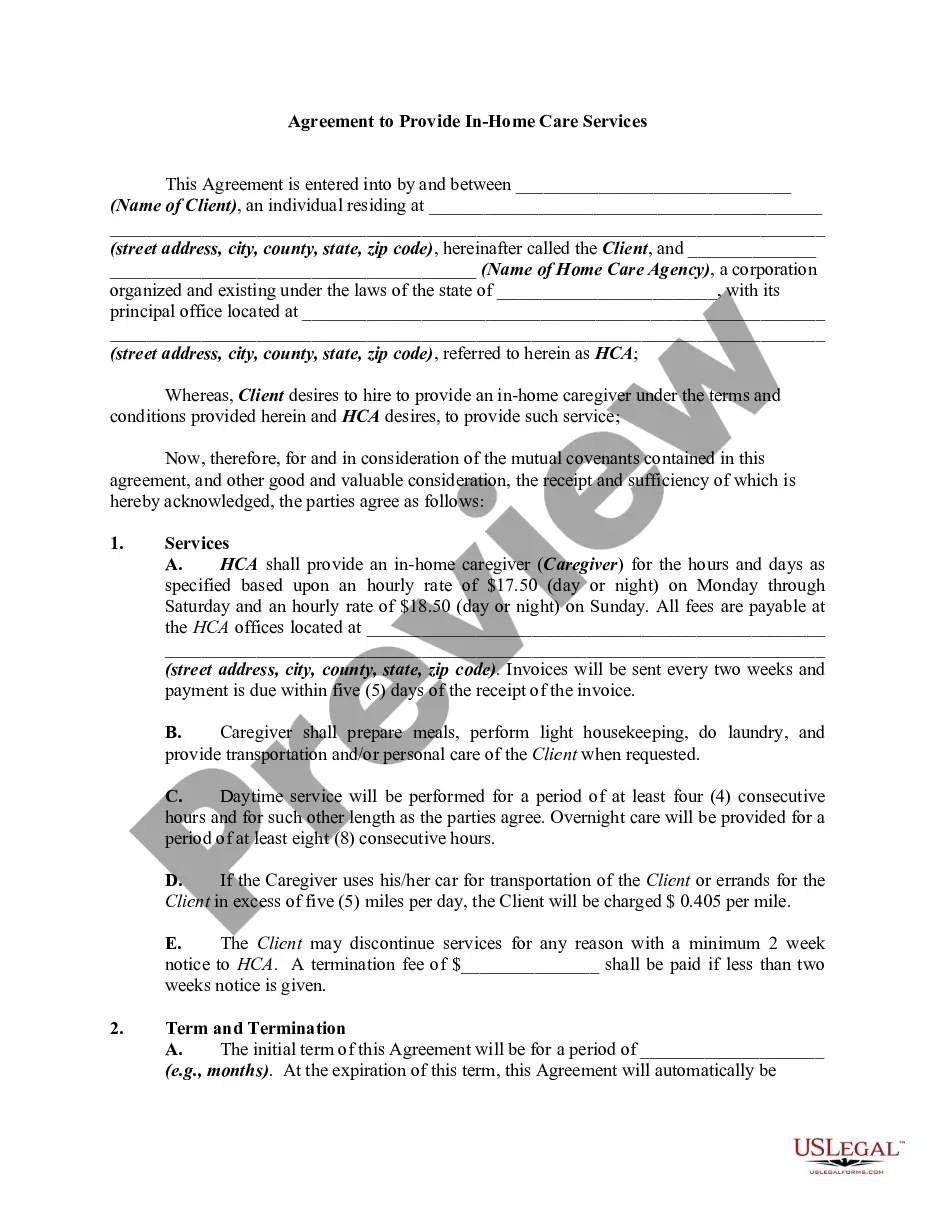
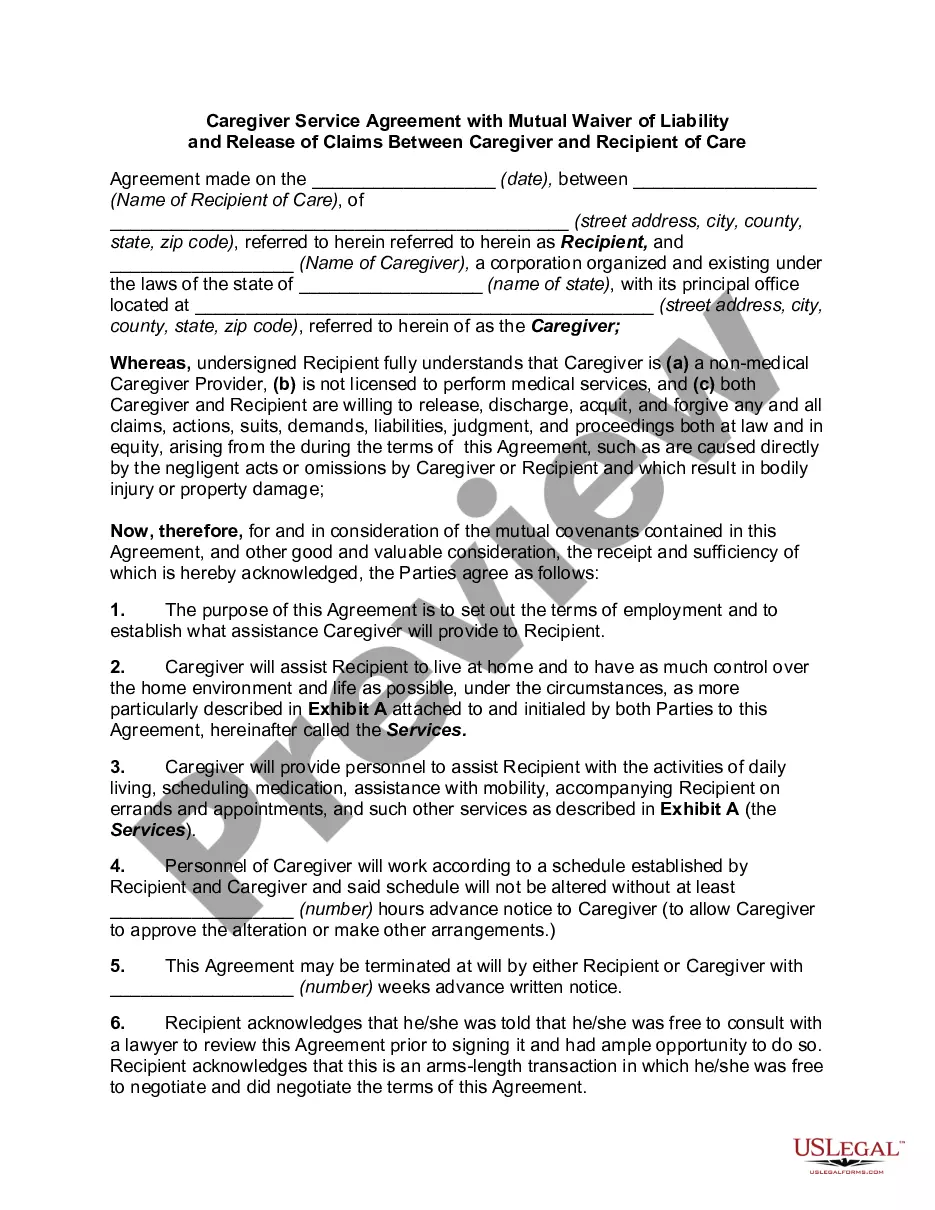
Get your form ready online
Our built-in tools help you complete, sign, share, and store your documents in one place.
Make edits, fill in missing information, and update formatting in US Legal Forms—just like you would in MS Word.
Download a copy, print it, send it by email, or mail it via USPS—whatever works best for your next step.
Sign and collect signatures with our SignNow integration. Send to multiple recipients, set reminders, and more. Go Premium to unlock E-Sign.
If this form requires notarization, complete it online through a secure video call—no need to meet a notary in person or wait for an appointment.
We protect your documents and personal data by following strict security and privacy standards.

Make edits, fill in missing information, and update formatting in US Legal Forms—just like you would in MS Word.

Download a copy, print it, send it by email, or mail it via USPS—whatever works best for your next step.

Sign and collect signatures with our SignNow integration. Send to multiple recipients, set reminders, and more. Go Premium to unlock E-Sign.

If this form requires notarization, complete it online through a secure video call—no need to meet a notary in person or wait for an appointment.

We protect your documents and personal data by following strict security and privacy standards.
Looking for another form?









Form popularity
FAQ
To qualify for a Health and Care Worker visa, you must: be a qualified doctor, nurse, health professional or adult social care professional. work in an eligible health or social care job. work for a UK employer that's been approved by the Home Office.
Whilst formal qualifications are not essential, one thing that you are required to undertake is the Care Certificate. This is a set of standards that you must adhere to if you are to be a social care worker. These requirements are set out by Skills for Care and Health Education England.
You can prove that you are an unpaid carer with your Carer's Allowance Letter of Award and proof of your ID, or with a carer's card (available from many local authorities). You can register as an unpaid carer with your GP (which can help with receiving early access to COVID-19 vaccinations, for example).
All GP practices have a carers' register – a list of patients who are providing unpaid care to someone with a long-term health condition. You can speak to the receptionist or practice manager to request a registration form.
A caregiver position usually requires some form of education or training in healthcare, nursing, or a related field. In some cases, an NVQ (National Vocational Qualification) or equivalent in Health and Social Care is beneficial. It's important to acquire these qualifications before starting your job search.
Apply from outside the UK Proving your identity and providing supporting documents. As part of your application, you'll need to prove your identity. Apply for a Health and Care Worker visa. Apply for a Skilled Worker visa. Continue your application. How long it takes to get a decision. After you apply.
Certain specialist care roles require very specific qualifications and experience. Whilst other CareGiver roles offer all the necessary training and experience in-house. So it is possible to become a professional care worker with no previous experience in the sector.
A carer is a person of any age who provides unpaid care and support to a family member, friend or neighbour who is disabled, has an illness or long-term condition, or who needs extra help as they grow older.
A care worker or carer supports a person who needs help with daily tasks, enabling them to live their best life. A care worker can work in a care home with the elderly or people with learning disabilities.
One alternative name for a caregiver is a "care provider." This term emphasizes the role of the caregiver in providing essential care and assistance to individuals in need. Care providers offer support, comfort, and aid to individuals who require assistance with daily tasks or specialized care.
