Illinois Caregiver Application Form California In Nassau
Description


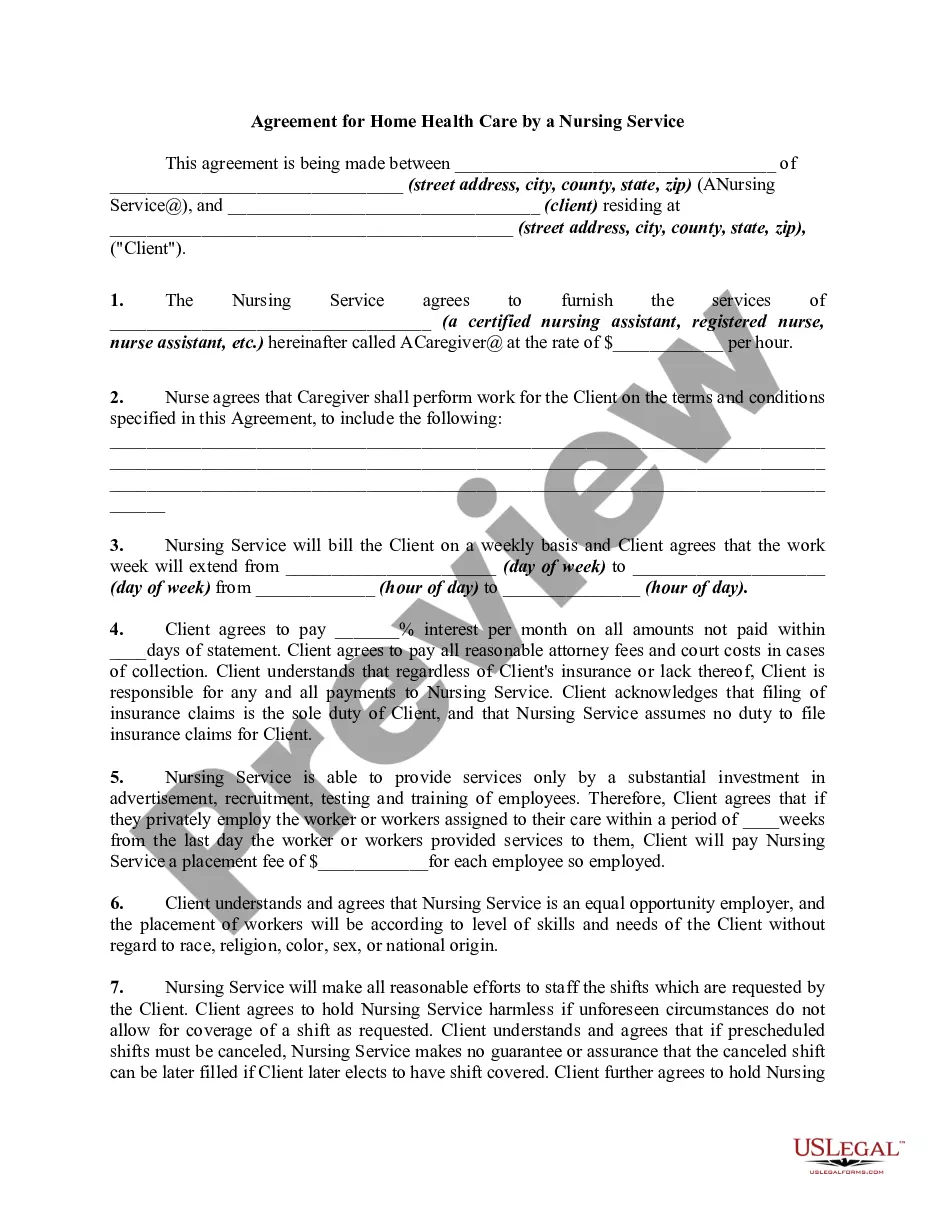
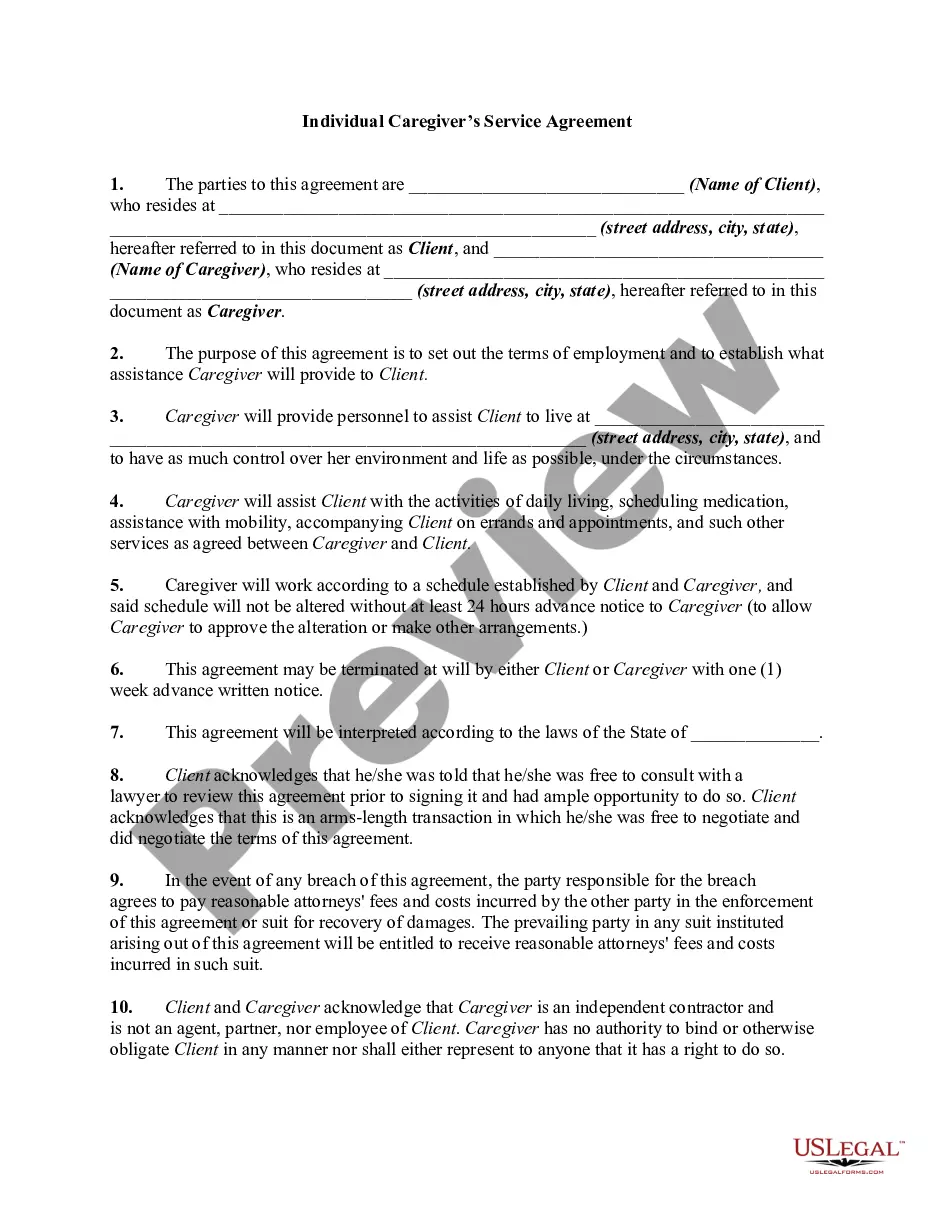
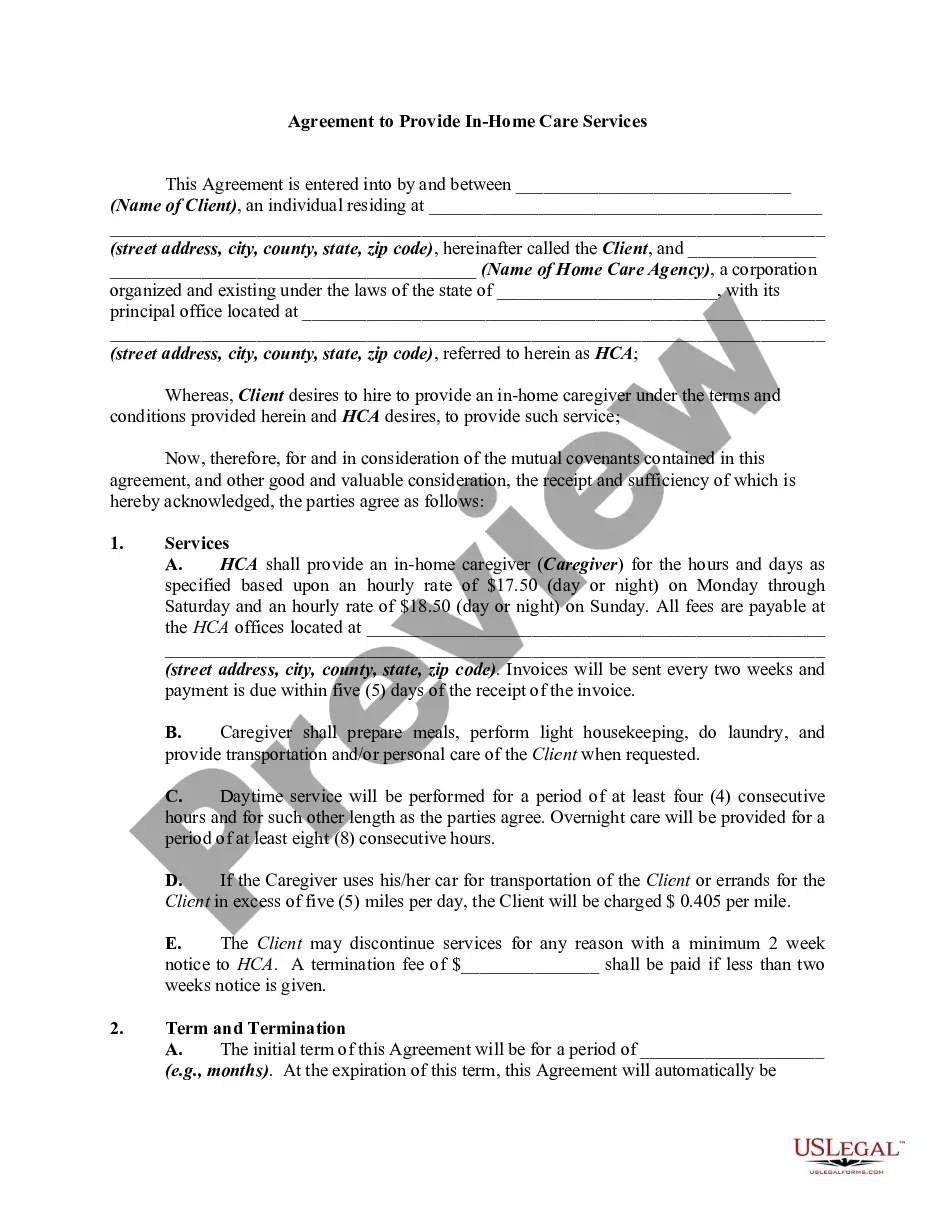
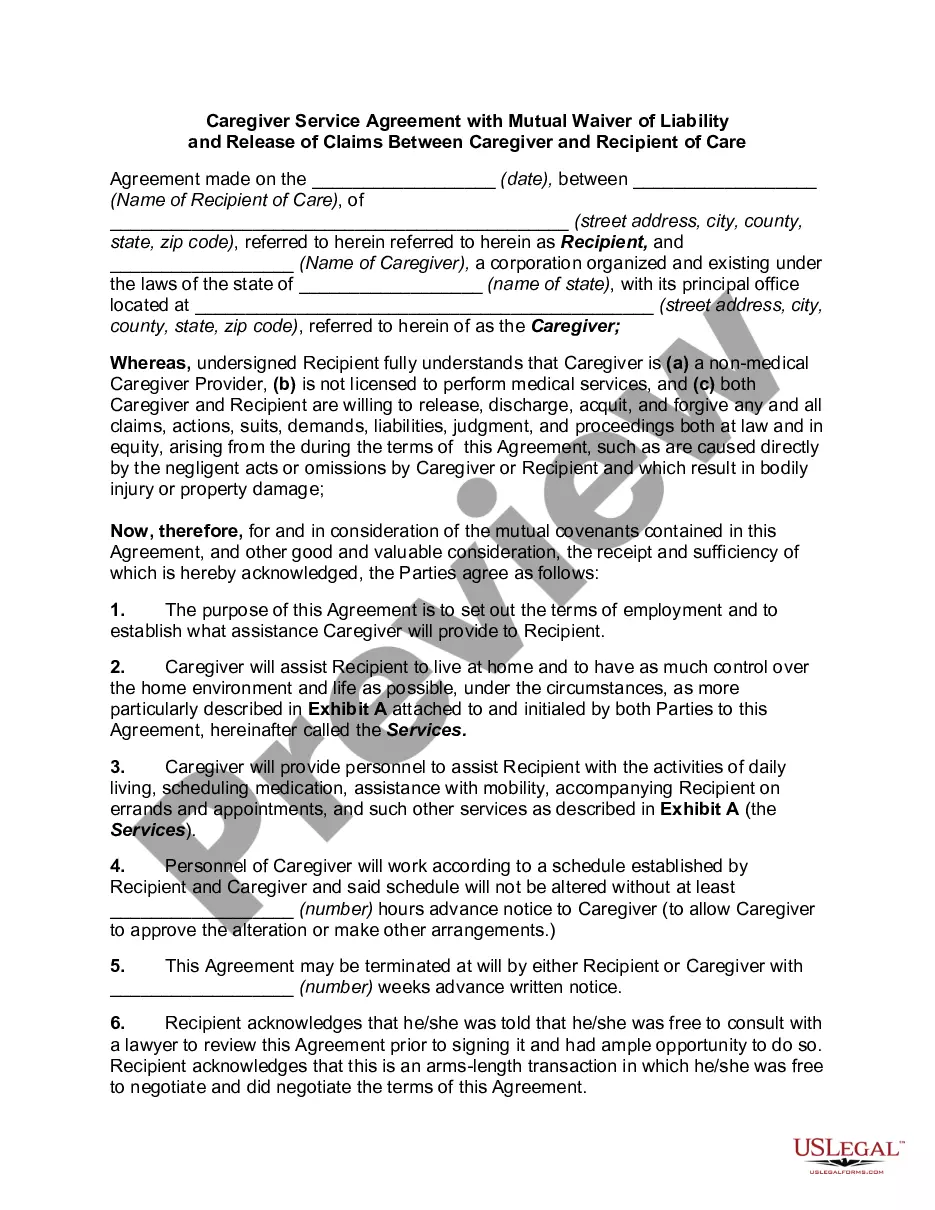
Get your form ready online
Our built-in tools help you complete, sign, share, and store your documents in one place.
Make edits, fill in missing information, and update formatting in US Legal Forms—just like you would in MS Word.
Download a copy, print it, send it by email, or mail it via USPS—whatever works best for your next step.
Sign and collect signatures with our SignNow integration. Send to multiple recipients, set reminders, and more. Go Premium to unlock E-Sign.
If this form requires notarization, complete it online through a secure video call—no need to meet a notary in person or wait for an appointment.
We protect your documents and personal data by following strict security and privacy standards.

Make edits, fill in missing information, and update formatting in US Legal Forms—just like you would in MS Word.

Download a copy, print it, send it by email, or mail it via USPS—whatever works best for your next step.

Sign and collect signatures with our SignNow integration. Send to multiple recipients, set reminders, and more. Go Premium to unlock E-Sign.

If this form requires notarization, complete it online through a secure video call—no need to meet a notary in person or wait for an appointment.

We protect your documents and personal data by following strict security and privacy standards.
Looking for another form?



Form popularity
FAQ
EB-3 Visa for Caregivers The EB-3 (Other Worker) visa is a permanent US visa that allows the caregiver to live and work in America permanently. The EB-3 visa does not require any specific skills, credentials, or experience on the caregiver's behalf in order for you to be given the visa to work in the United States.
How do you become a professional caregiver in Illinois? 8-Hour Caregiver Certification course with the basic skills for caregiving, including Elder Abuse Identification and Reporting and HIPAA (Health Insurance Portability and Accountability Act) topics.
In general, caregivers in the United States work an average of 30 to 40 hours a week, ing to data from the Bureau of Labor Statistics (BLS). However, these numbers can vary widely depending on the care provided, whether an agency employs the caregiver or if they're self-employed.
Alternatively, if the caregiver intends to be employed in the U.S., an H-2B Temporary Non-Agricultural Work Visa or J-1 Visa for cultural exchange and domestic assistance might apply. However, for immediate and personal caregiving needs, the B-2 visa is the most practical option.
To become a caregiver in California, meet state requirements (work authorization, background check, good health), complete a Home Care Aide certification course and provide proof of vaccinations and a negative TB test.
What are common caregiver qualifications? Having relevant work experience and skills. Completing any required training. Passing a background check and general health check. Earning basic health certifications. Meeting age requirements. Possessing a valid driver's license, insurance and a good driving record.
California doesn't require a license for individual caregivers, but professional certification as a Home Care Aide (HCA) is highly recommended. This involves completing a state-approved training program and passing a state exam.
What are common caregiver qualifications? Having relevant work experience and skills. Completing any required training. Passing a background check and general health check. Earning basic health certifications. Meeting age requirements. Possessing a valid driver's license, insurance and a good driving record.
In conclusion, there are 4 types of caregivers: family caregivers, professional caregivers, volunteer caregivers, and informal caregivers. Each caregiver faces unique challenges, including physical and emotional exhaustion, financial strain, and balancing personal and caregiving responsibilities.
Illinois enacted a law prohibiting discrimination against employees who must care for family members at home. The law will not require employers to make accommodations or modifications to reasonable workplace rules and policies to allow employees to fulfill their caregiving responsibilities.
