Caregiver Form Sample For Elderly In Montgomery
Description






Get your form ready online
Our built-in tools help you complete, sign, share, and store your documents in one place.
Make edits, fill in missing information, and update formatting in US Legal Forms—just like you would in MS Word.
Download a copy, print it, send it by email, or mail it via USPS—whatever works best for your next step.
Sign and collect signatures with our SignNow integration. Send to multiple recipients, set reminders, and more. Go Premium to unlock E-Sign.
If this form requires notarization, complete it online through a secure video call—no need to meet a notary in person or wait for an appointment.
We protect your documents and personal data by following strict security and privacy standards.

Make edits, fill in missing information, and update formatting in US Legal Forms—just like you would in MS Word.

Download a copy, print it, send it by email, or mail it via USPS—whatever works best for your next step.

Sign and collect signatures with our SignNow integration. Send to multiple recipients, set reminders, and more. Go Premium to unlock E-Sign.

If this form requires notarization, complete it online through a secure video call—no need to meet a notary in person or wait for an appointment.

We protect your documents and personal data by following strict security and privacy standards.
Looking for another form?






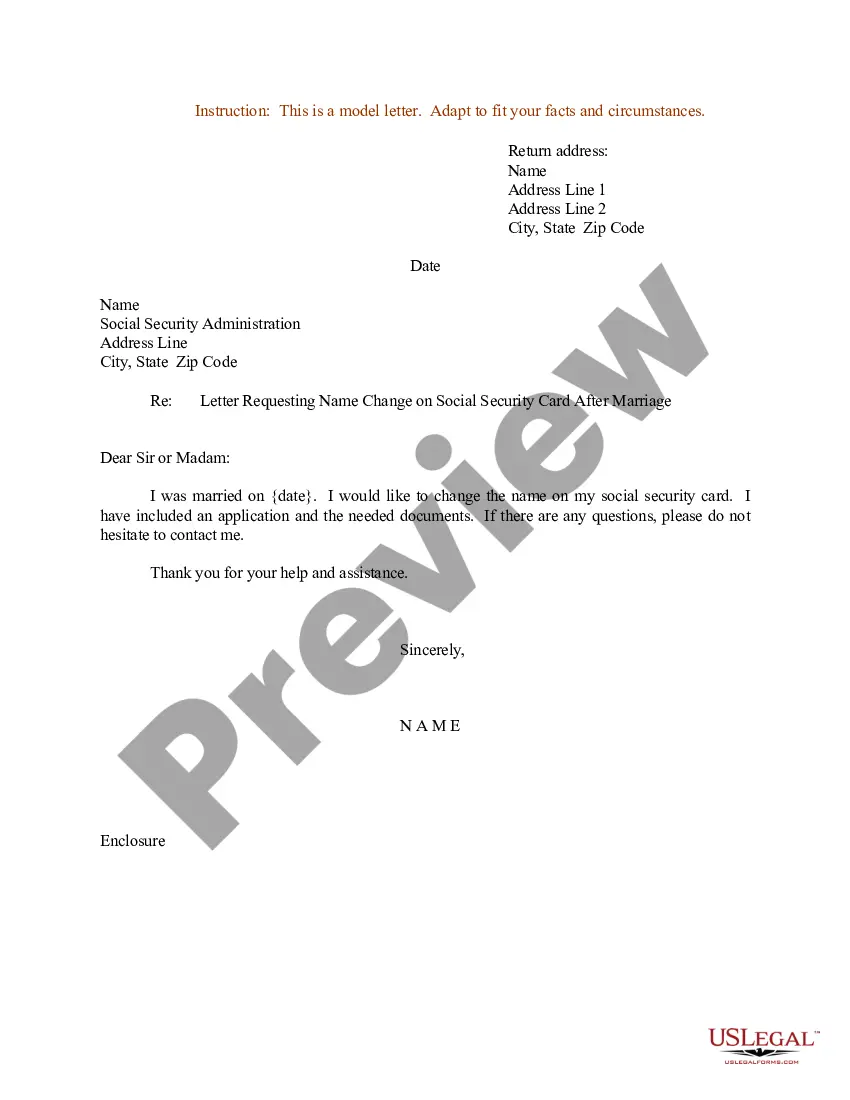
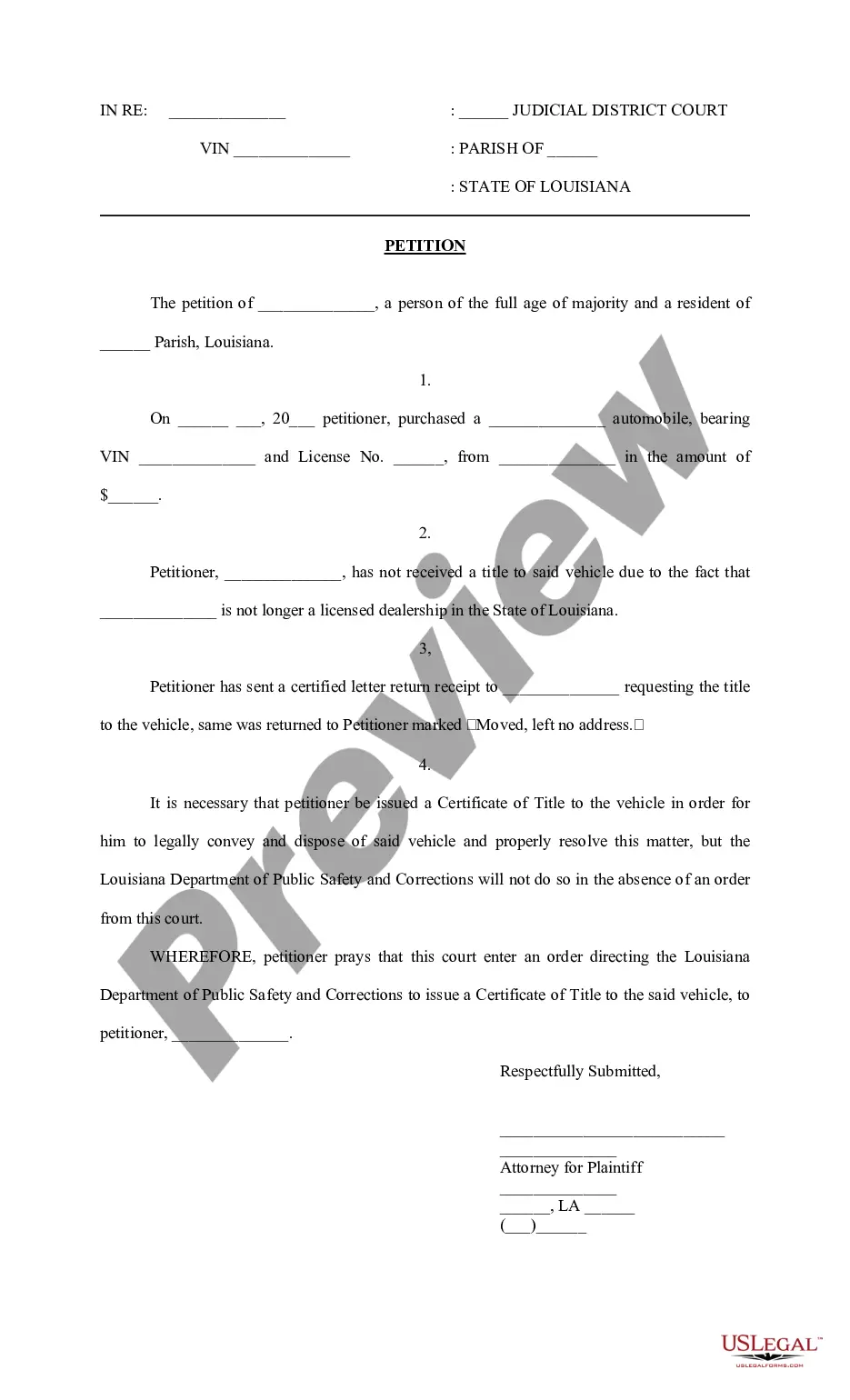


Form popularity
FAQ
What to Include in a Checklist for Caregivers Name of caregiver on duty. Date the checklist is being used. Name of patients. Patient's morning, afternoon, and evening routines, such as: Taking medication and vital signs. Eating food and drinking water. Housekeeping tasks to do. Changes in patient's condition, if any.
The Maryland Commission on Caregiving was originally established in 2001 as the Maryland Caregivers Support Coordinating Council. The Council was charged with identifying the needs and challenges faced by informal family caregivers caring for those across the lifespan.
Employment Insurance (EI) family caregiver benefits provide temporary financial assistance to eligible individuals who are away from work to care for or support a critically ill or injured family member.
Obtaining the license Applicant must be 21 years or older. Applicant must submit a valid, US government-issued photo ID and a clear, recent photo. If the applicant is registering to be a caregiver for a registered minor patient, applicant must be a parent or legal guardian of the minor patient.
Informal caregivers of older adults play a vital role in improving the degree to which older adults access community and healthcare services in a seamless and timely manner. They are fulfilling important navigation and support roles for their older care recipients.
A family and friends care arrangement, also known as kinship care, is one in which a child who cannot be cared for by their parent(s) or another person with parental responsibility goes to live with a relative, friend, or other connected person.
But realistically, if you take a loved one regularly to the doctor, or buy their groceries, or have a sibling with special needs whom you support, advocate for an ill spouse, or engage in long-distance care of a loved one, you are a caregiver. The important thing to recognize is that your caring role is important.
Family caregiving is the act of providing at-home care for a relative, friend, or other loved one with a physical or mental health problem. As life expectancies increase, medical treatments advance, and more people live with chronic illnesses and disabilities, many of us find ourselves caring for a loved one at home.
