Illinois Caregiver Application With Medicaid In Minnesota
Description

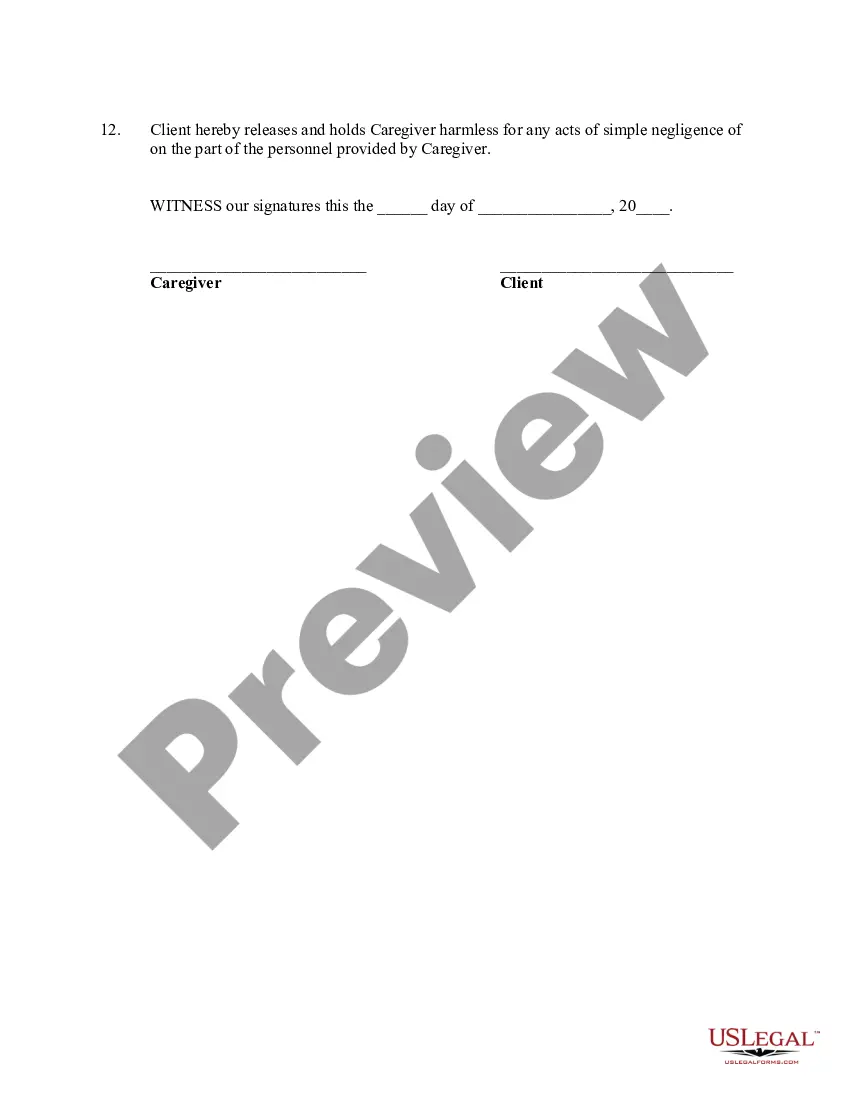

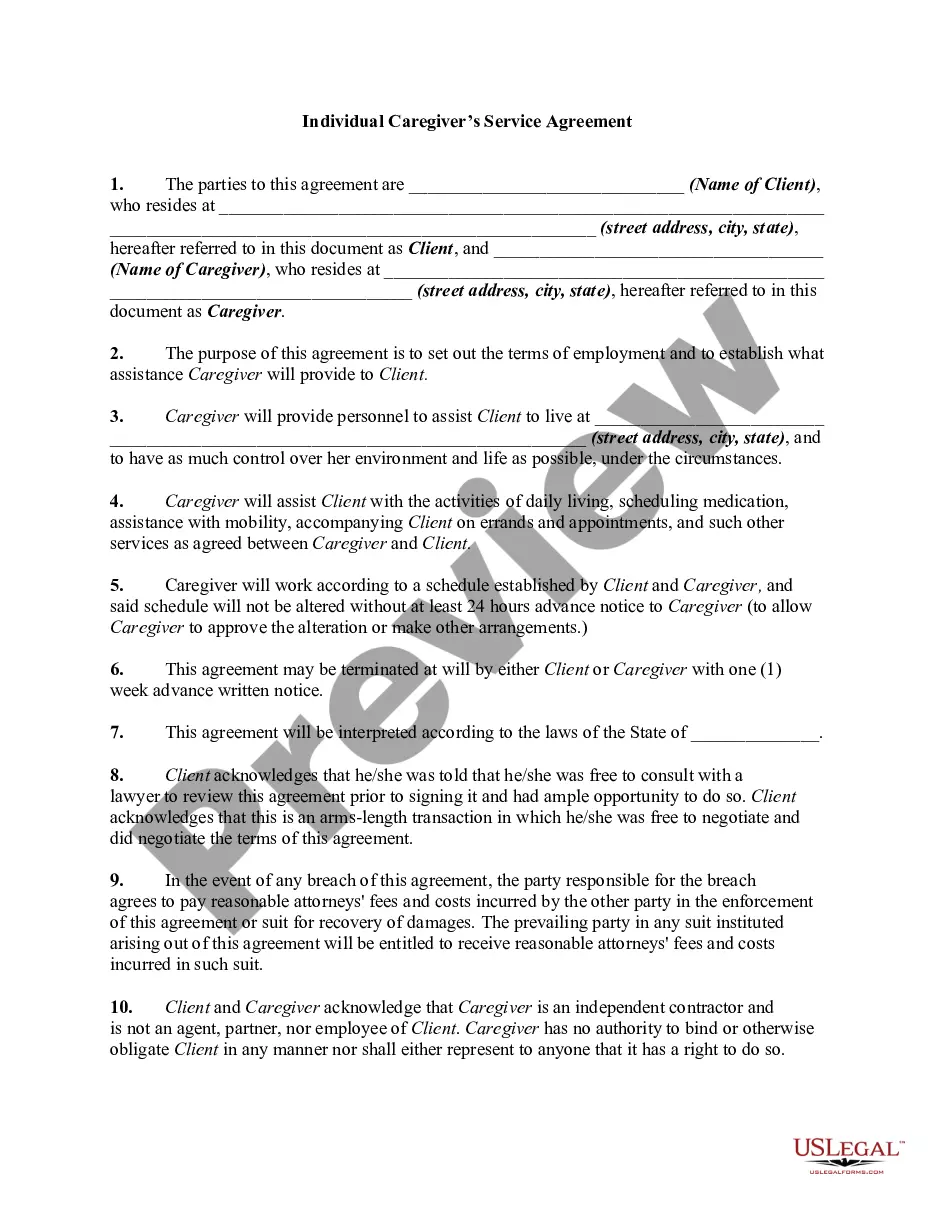
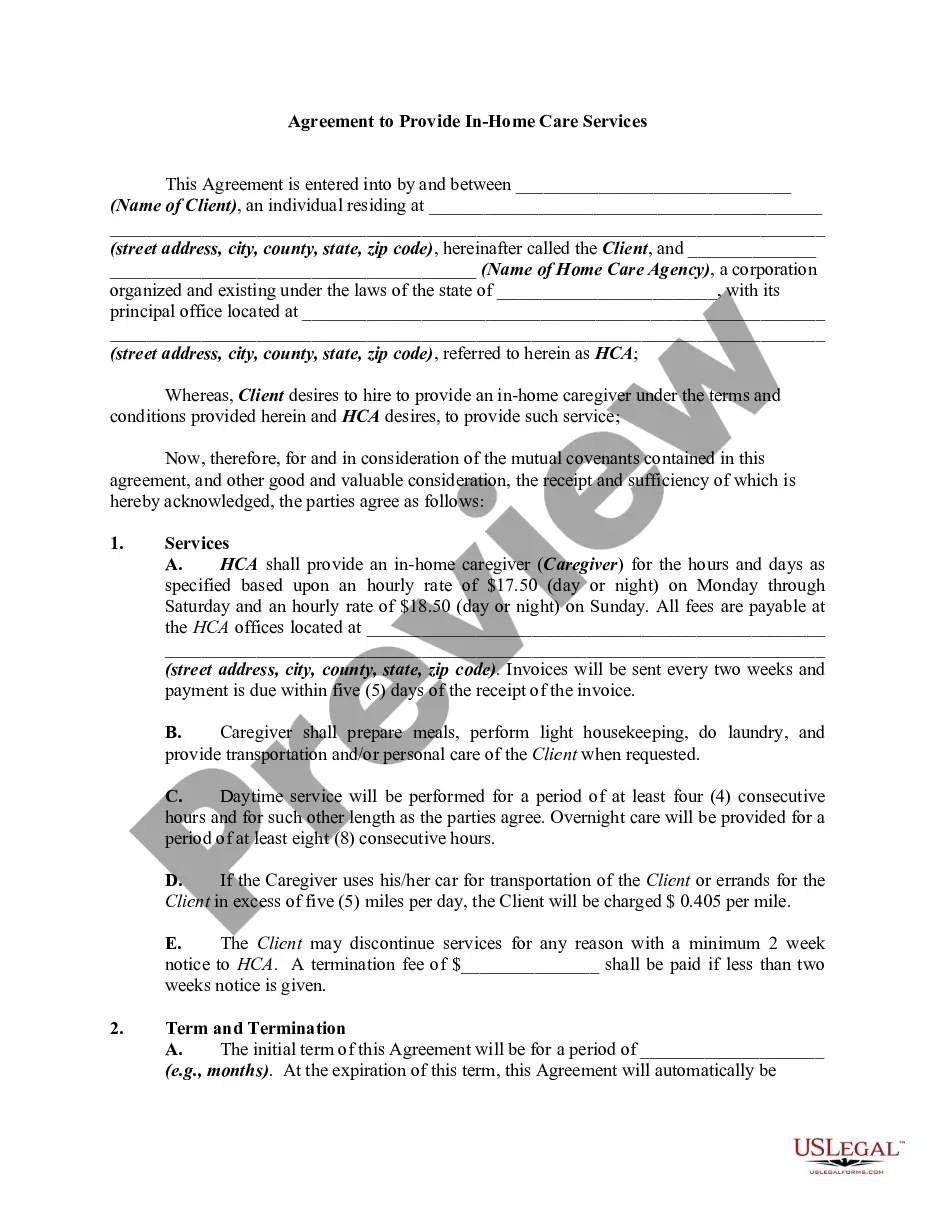
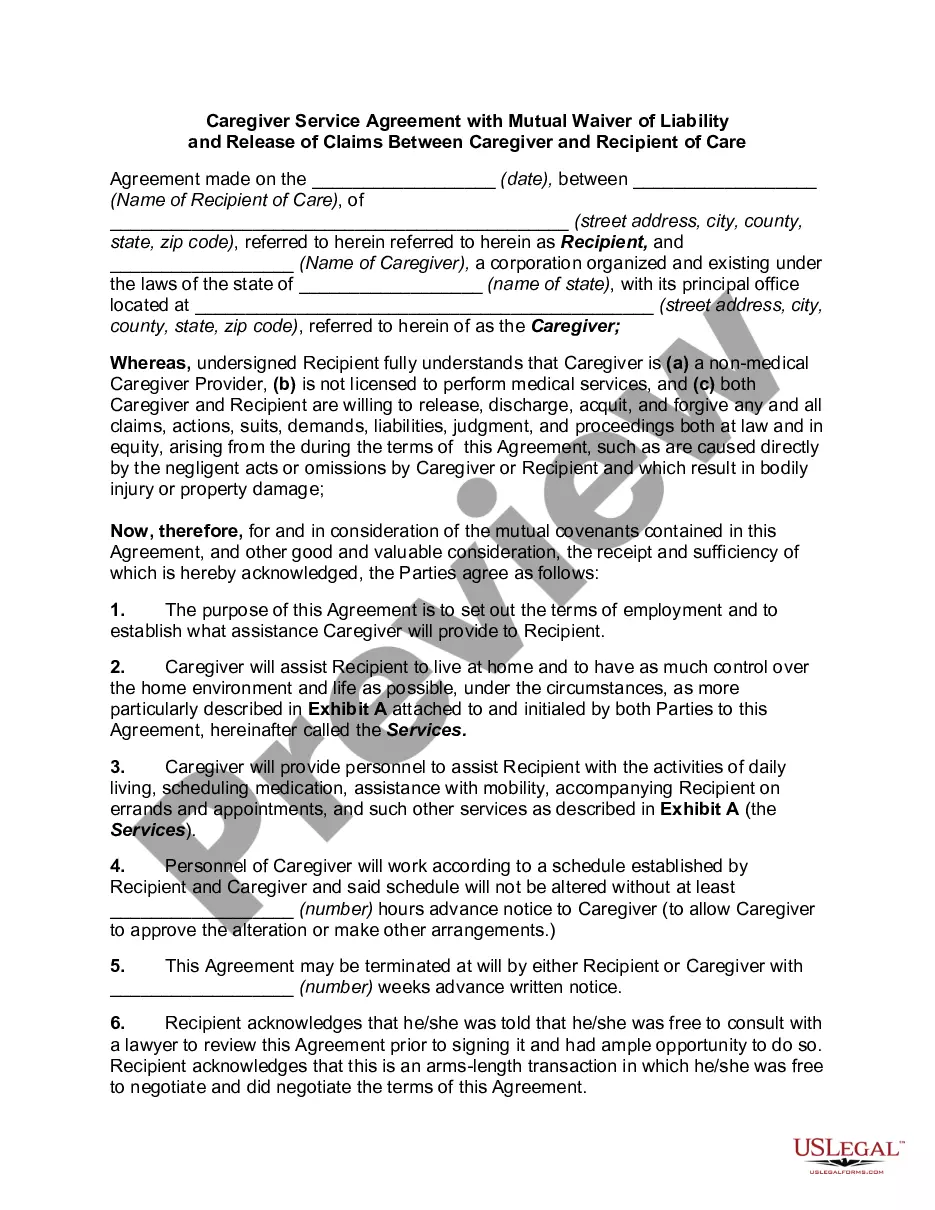
Get your form ready online
Our built-in tools help you complete, sign, share, and store your documents in one place.
Make edits, fill in missing information, and update formatting in US Legal Forms—just like you would in MS Word.
Download a copy, print it, send it by email, or mail it via USPS—whatever works best for your next step.
Sign and collect signatures with our SignNow integration. Send to multiple recipients, set reminders, and more. Go Premium to unlock E-Sign.
If this form requires notarization, complete it online through a secure video call—no need to meet a notary in person or wait for an appointment.
We protect your documents and personal data by following strict security and privacy standards.

Make edits, fill in missing information, and update formatting in US Legal Forms—just like you would in MS Word.

Download a copy, print it, send it by email, or mail it via USPS—whatever works best for your next step.

Sign and collect signatures with our SignNow integration. Send to multiple recipients, set reminders, and more. Go Premium to unlock E-Sign.

If this form requires notarization, complete it online through a secure video call—no need to meet a notary in person or wait for an appointment.

We protect your documents and personal data by following strict security and privacy standards.
Looking for another form?









Form popularity
FAQ
Most people who enroll are covered for comprehensive services, including, but not limited to; doctor visits and dental care, well-child care, immunizations for children, mental health and substance abuse services, hospital care, emergency services, prescription drugs and medical equipment and supplies.
The Caregiver Child Exemption is a specific policy provision within Medicaid law designed to assist older adults who are either recipients or potential recipients of Medicaid. It allows an adult child of an elderly parent to become the caregiver without jeopardizing the parent's eligibility for Medicaid.
The Caregiver Child Exemption, also known as the Caretaker Child Exception and the Adult Child Caregiving Exemption, enables an elderly individual to transfer their home to their adult child without violating Medicaid's Look Back Period on asset transfers.
Who can receive these services? We serve people with severe disabilities under age 60 who need help with daily living activities in their homes. Many of these people are at risk of moving into a nursing home or other facility. (For those 60 and over, please contact the Illinois Department on Aging.)
