Caregiver Form Sample With Experience In Minnesota
Description

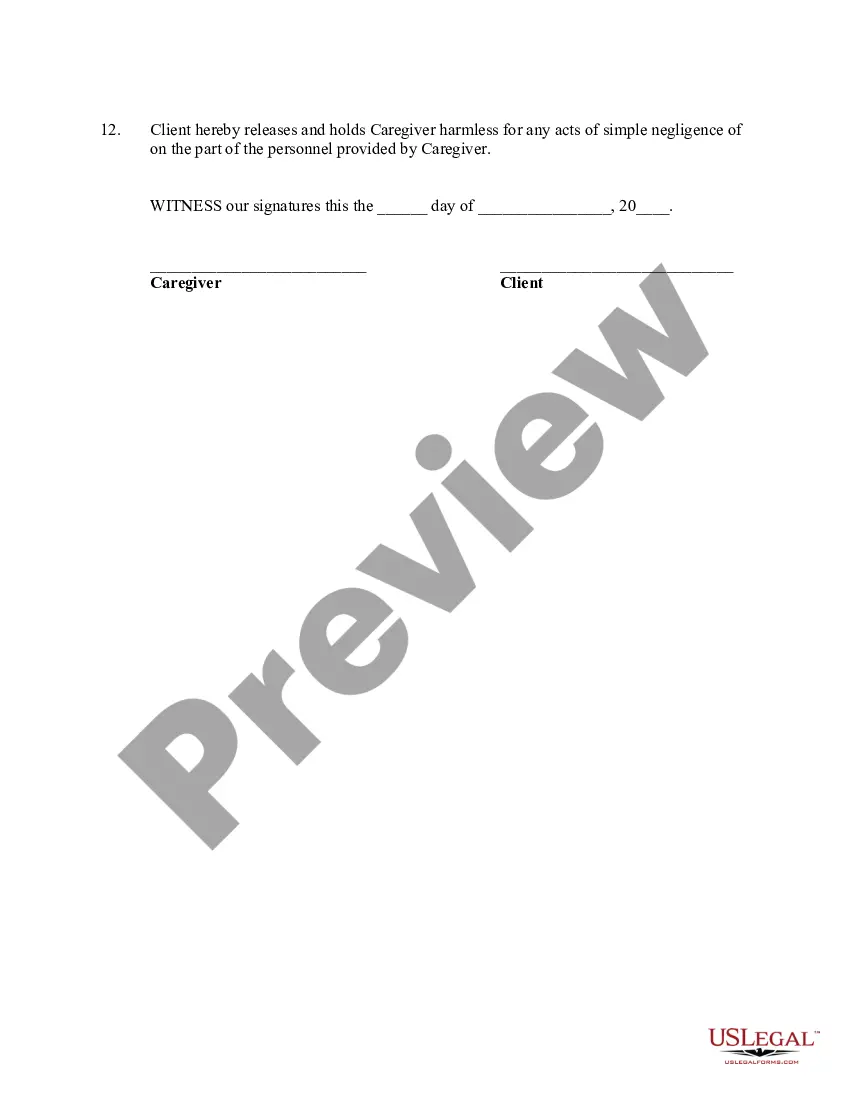
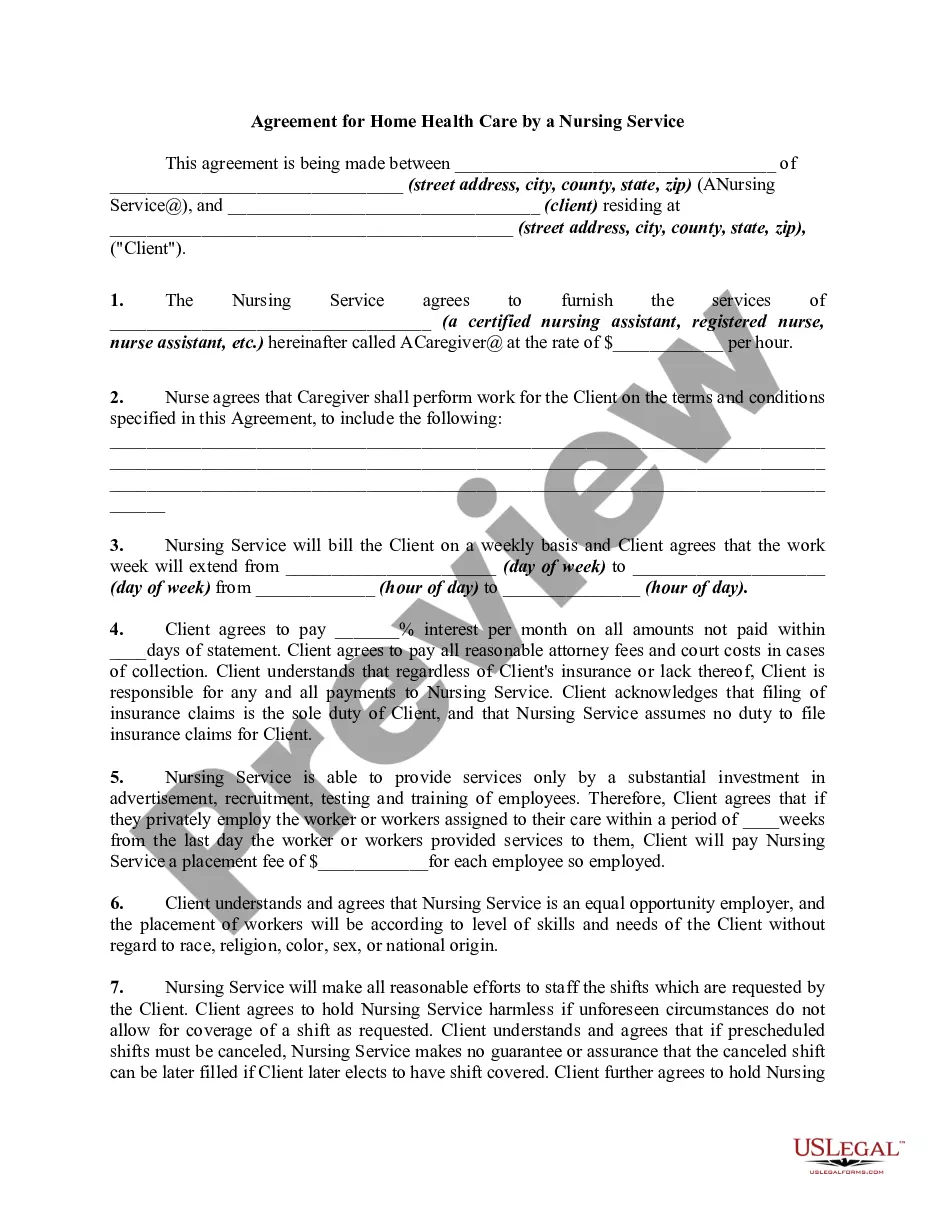
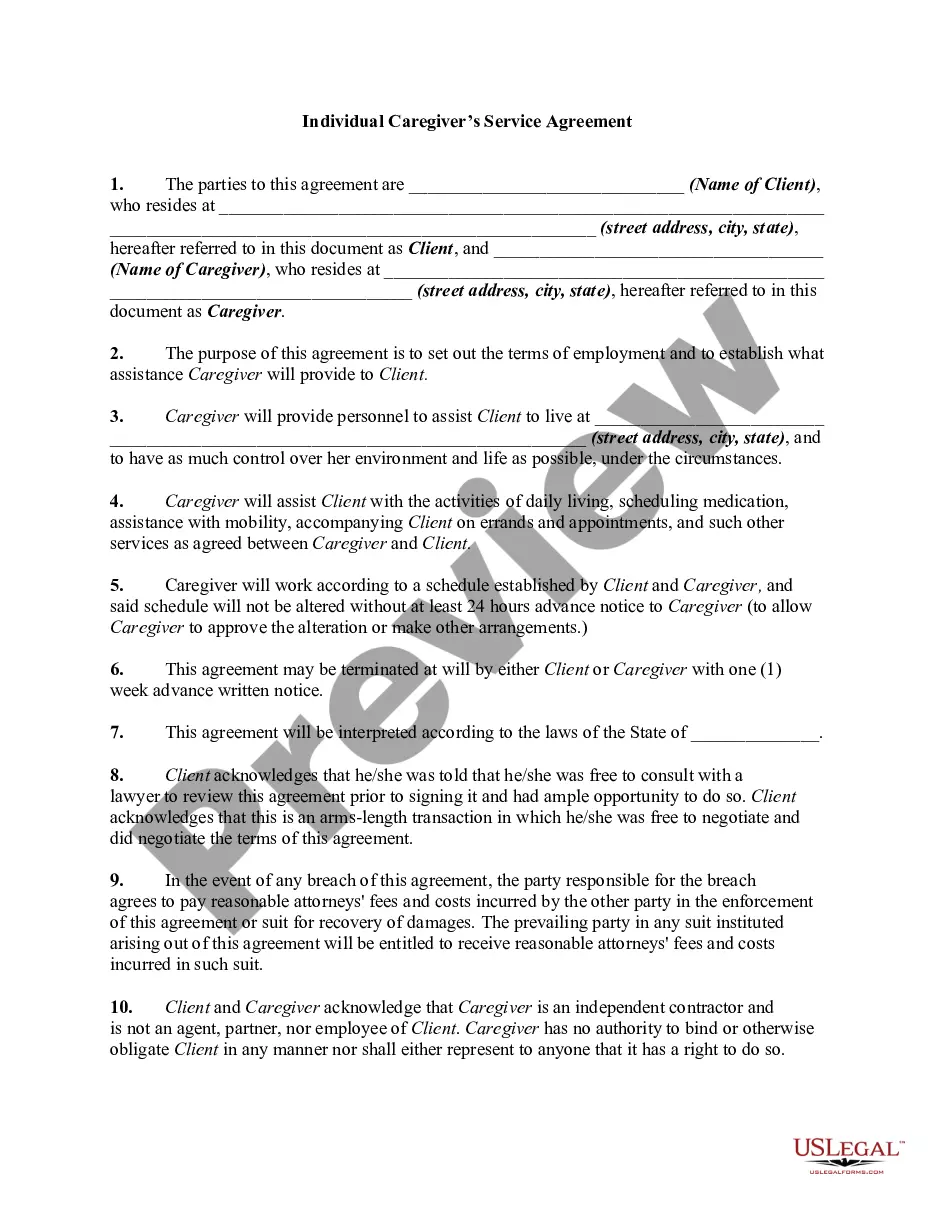
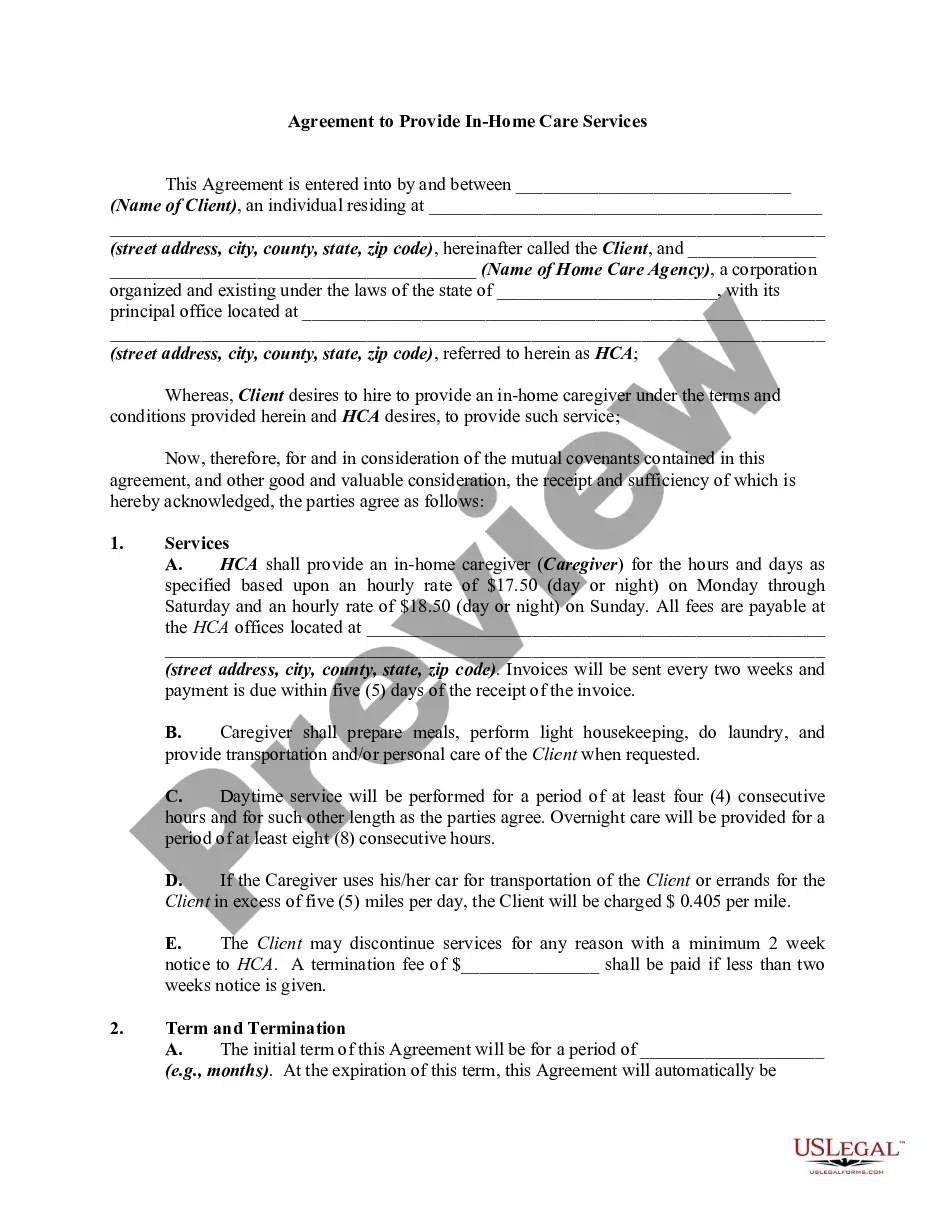
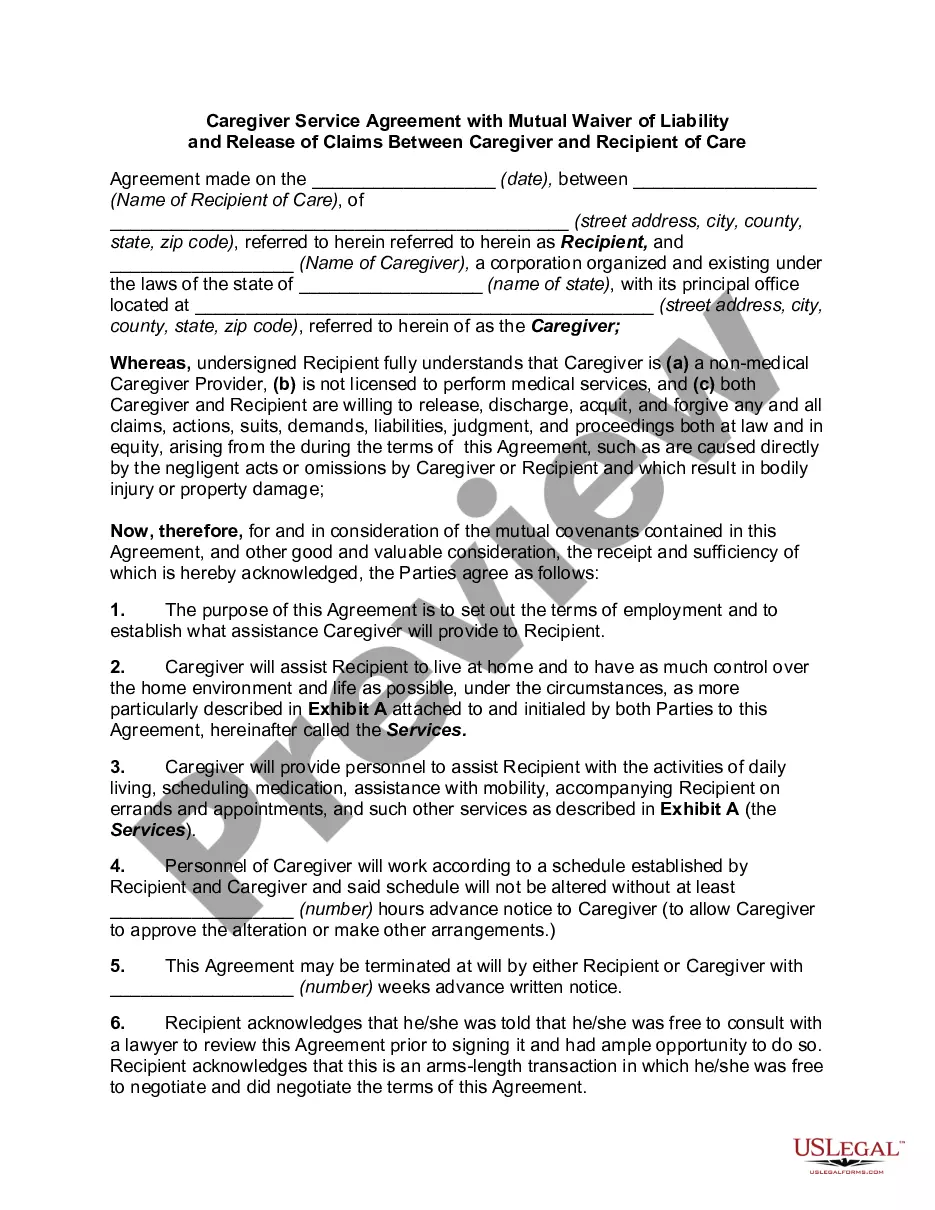
Get your form ready online
Our built-in tools help you complete, sign, share, and store your documents in one place.
Make edits, fill in missing information, and update formatting in US Legal Forms—just like you would in MS Word.
Download a copy, print it, send it by email, or mail it via USPS—whatever works best for your next step.
Sign and collect signatures with our SignNow integration. Send to multiple recipients, set reminders, and more. Go Premium to unlock E-Sign.
If this form requires notarization, complete it online through a secure video call—no need to meet a notary in person or wait for an appointment.
We protect your documents and personal data by following strict security and privacy standards.

Make edits, fill in missing information, and update formatting in US Legal Forms—just like you would in MS Word.

Download a copy, print it, send it by email, or mail it via USPS—whatever works best for your next step.

Sign and collect signatures with our SignNow integration. Send to multiple recipients, set reminders, and more. Go Premium to unlock E-Sign.

If this form requires notarization, complete it online through a secure video call—no need to meet a notary in person or wait for an appointment.

We protect your documents and personal data by following strict security and privacy standards.
Looking for another form?









Form popularity
FAQ
Minnesota law requires all individual personal care assistance (PCA) providers to take the Department of Human Service's (DHS) Individual PCA training and pass a one-time online test. Individual PCAs may take the training and test as often as needed.
I am very passionate about being a caregiver and my positive and cheery disposition makes me very much suited to work. If you hire me, I will be available to work the hours needed, cover additional shifts to help when needed and support my co-workers to ensure the best possible care is always afforded to your clients.”
Compassion – The ability to translate empathic feelings into action (desire to alleviate suffering). Optimism – Expect a favourable or positive outcome. Confidence – Sure of one's self and one's abilities. Organization – Methodical and efficient in arrangement or function.
Experienced caregivers explain that they are able to stay strong by searching inside themselves and relying on their strength of character to keep them going during difficult days. Some examples of these strengths include patience, love, faith, core values, integrity, and compassion.
Given the nature of their job, truly great caregivers are naturally dependable, compassionate, and trustworthy. They should be able to empathize with the needs of their patients and identify them even before their families do.
Empathy, patience, and adaptability are the three main strengths that distinguish exceptional caregivers. By embodying these qualities, caregivers not only meet the physical needs of their clients but also provide emotional support, foster meaningful connections, and enhance overall well-being.
Emotional and physical stress: Studies have confirmed that family caregivers have higher levels of stress, anxiety, depression and other mental health challenges compared to those who don't do companion care. A loss of self-identity: Caregivers feel like they have less control over their own lives.
Minnesota law requires all individual personal care assistance (PCA) providers to take the Department of Human Service's (DHS) Individual PCA training and pass a one-time online test. Individual PCAs may take the training and test as often as needed.
Becoming a PCA in Minnesota: A Step-by-Step Guide Step 1: Understand the Role. Step 2: Apply with HealthMax Home Healthcare. Step 3: Pass a Background Check. Step 4: Complete PCA Training. Step 5: Pass the PCA Test and Receive Certification. Step 6: Begin Working with HealthMax!
Minnesota Specific: Kinship Family Support Services, a program of Lutheran Social Service of Minnesota, offers education and support to those who are caring for the child of a sibling, daughter, son, extended family member, family friend or neighbor.
