Caregiver Form Printable With Answers In Kings
Description

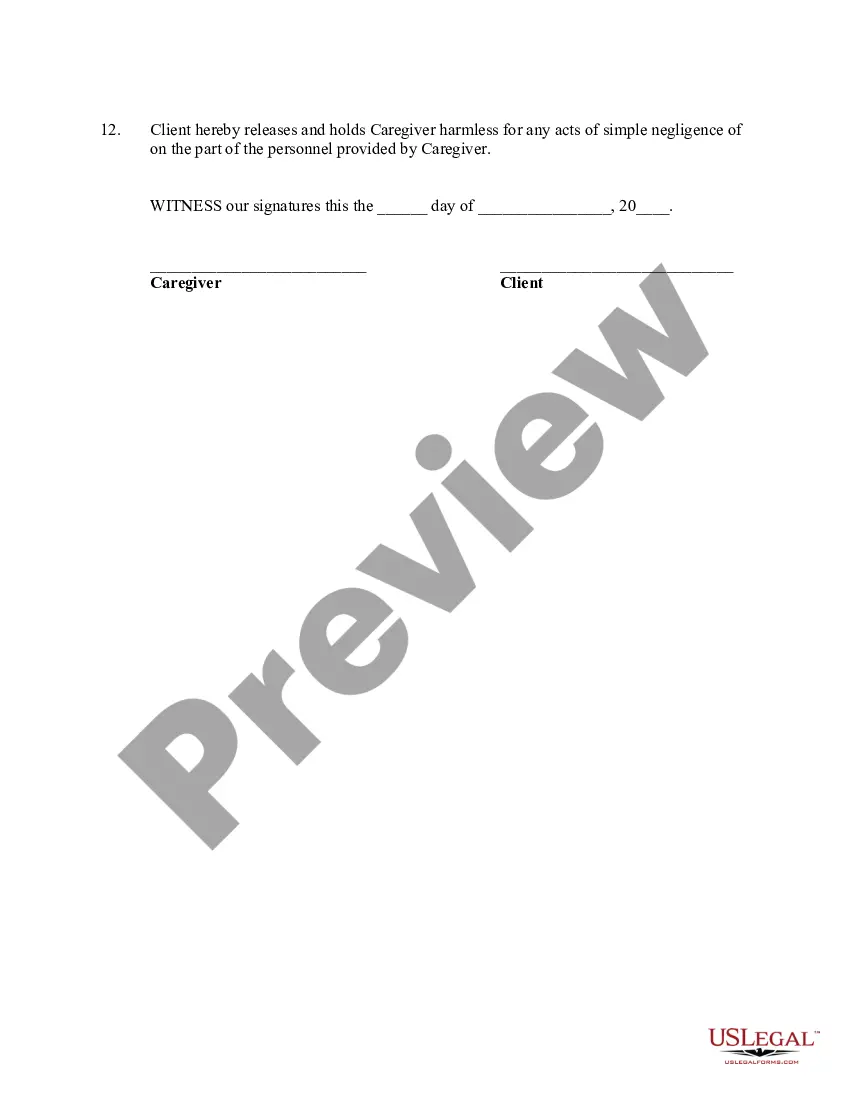
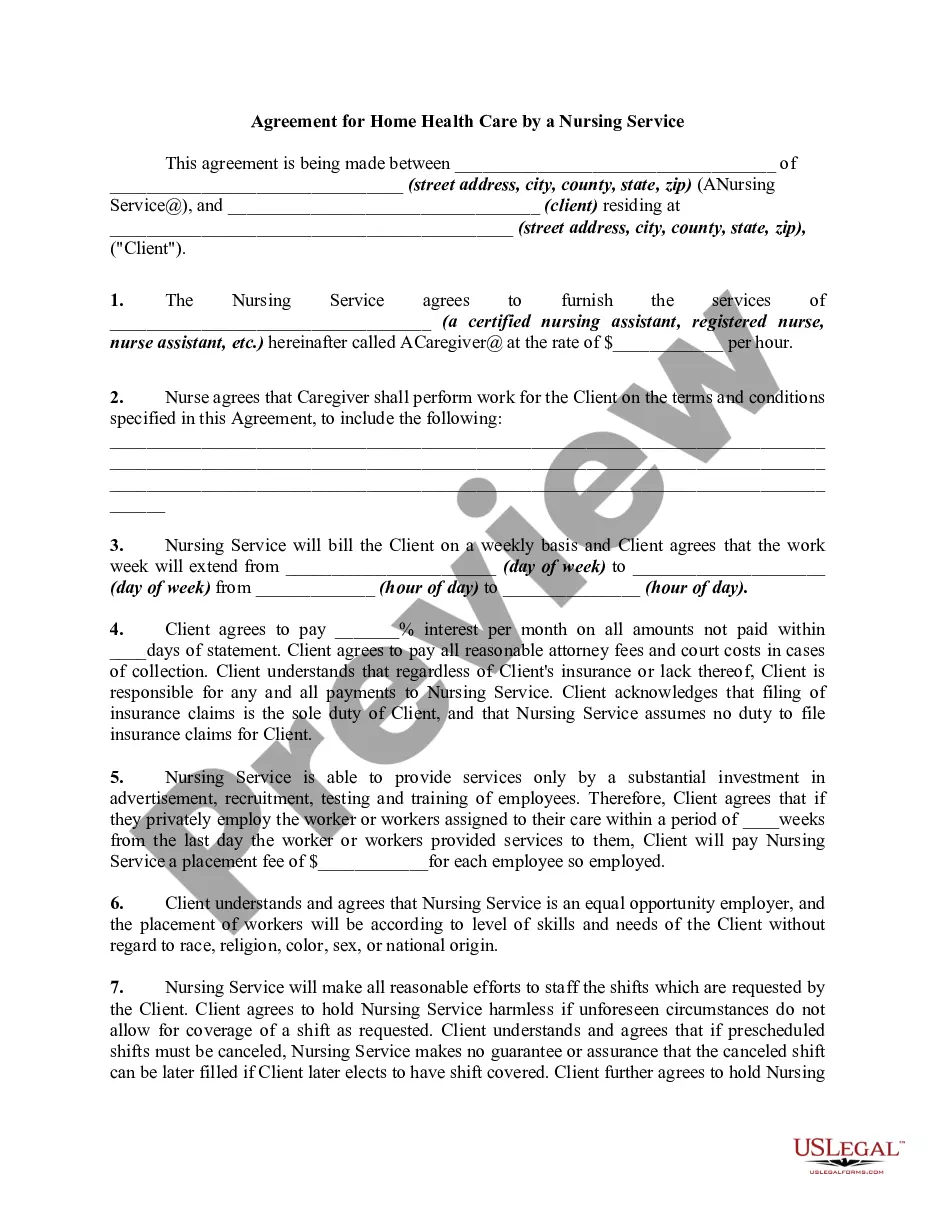
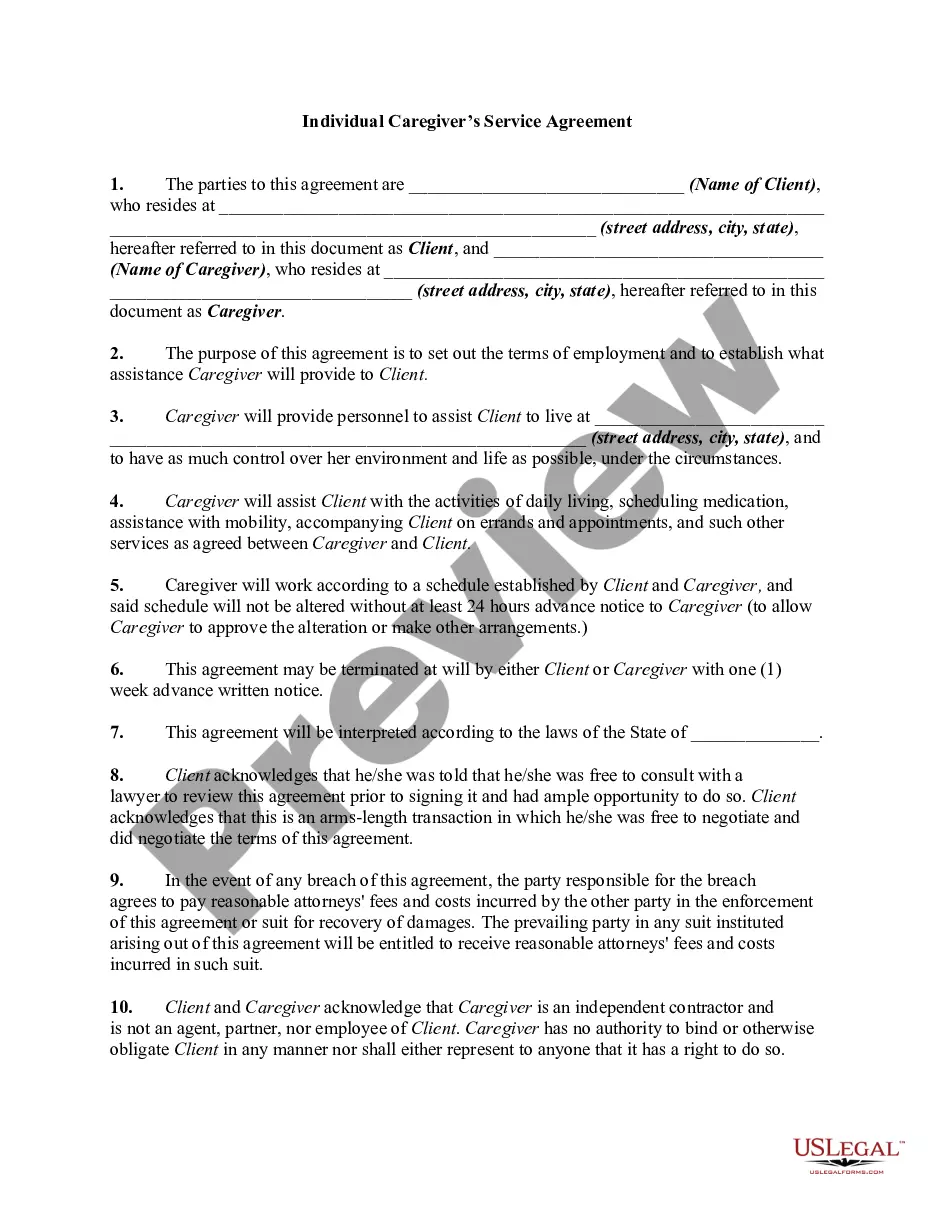
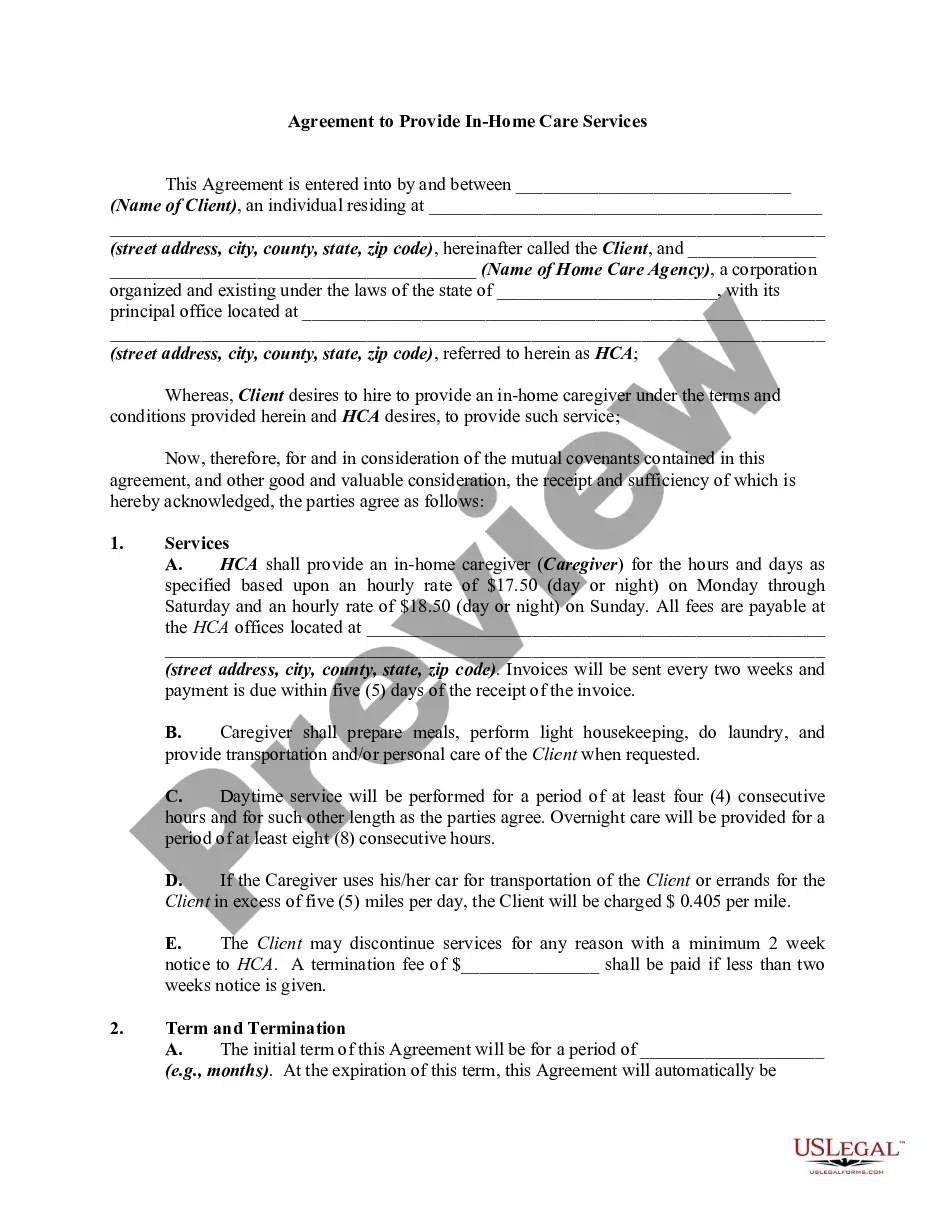
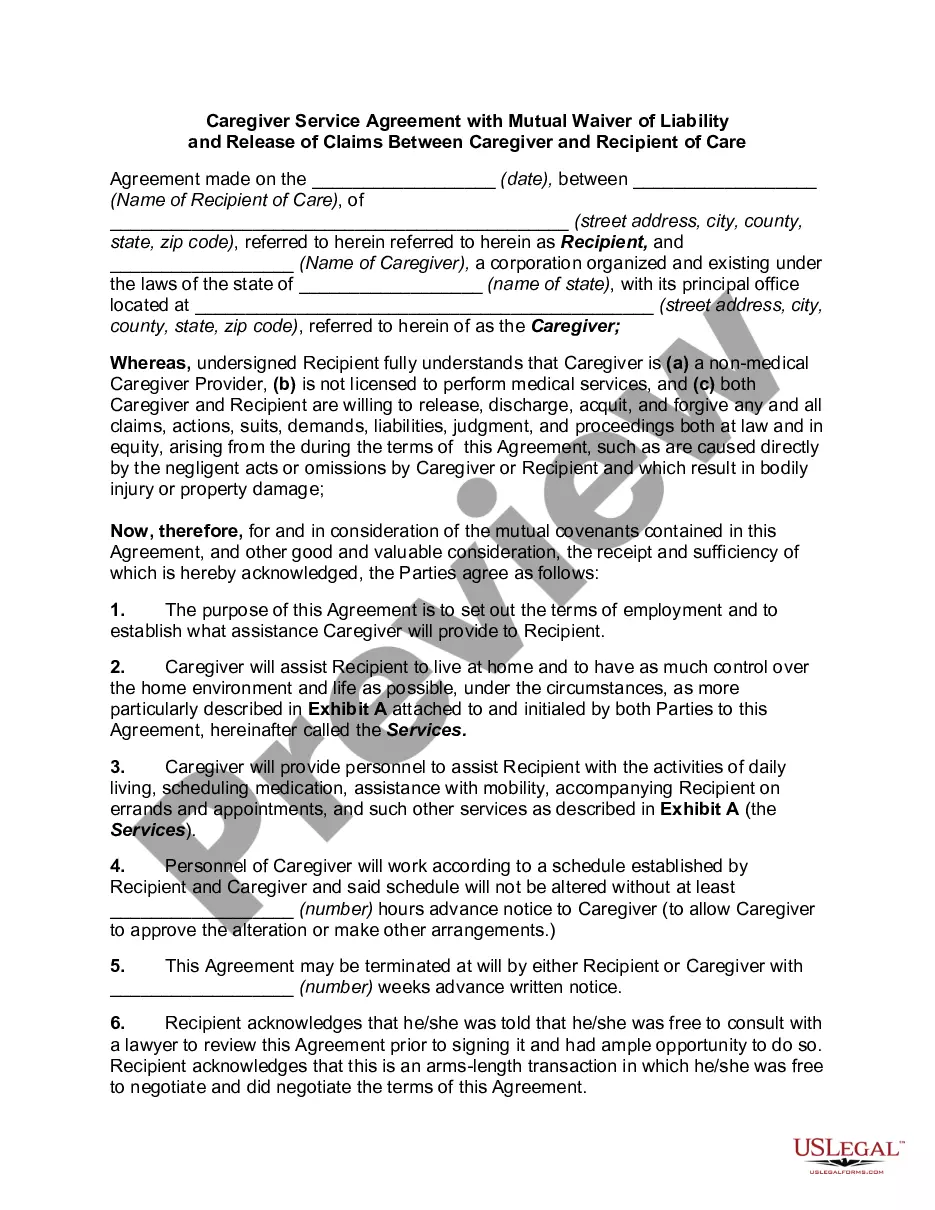
Get your form ready online
Our built-in tools help you complete, sign, share, and store your documents in one place.
Make edits, fill in missing information, and update formatting in US Legal Forms—just like you would in MS Word.
Download a copy, print it, send it by email, or mail it via USPS—whatever works best for your next step.
Sign and collect signatures with our SignNow integration. Send to multiple recipients, set reminders, and more. Go Premium to unlock E-Sign.
If this form requires notarization, complete it online through a secure video call—no need to meet a notary in person or wait for an appointment.
We protect your documents and personal data by following strict security and privacy standards.

Make edits, fill in missing information, and update formatting in US Legal Forms—just like you would in MS Word.

Download a copy, print it, send it by email, or mail it via USPS—whatever works best for your next step.

Sign and collect signatures with our SignNow integration. Send to multiple recipients, set reminders, and more. Go Premium to unlock E-Sign.

If this form requires notarization, complete it online through a secure video call—no need to meet a notary in person or wait for an appointment.

We protect your documents and personal data by following strict security and privacy standards.
Looking for another form?
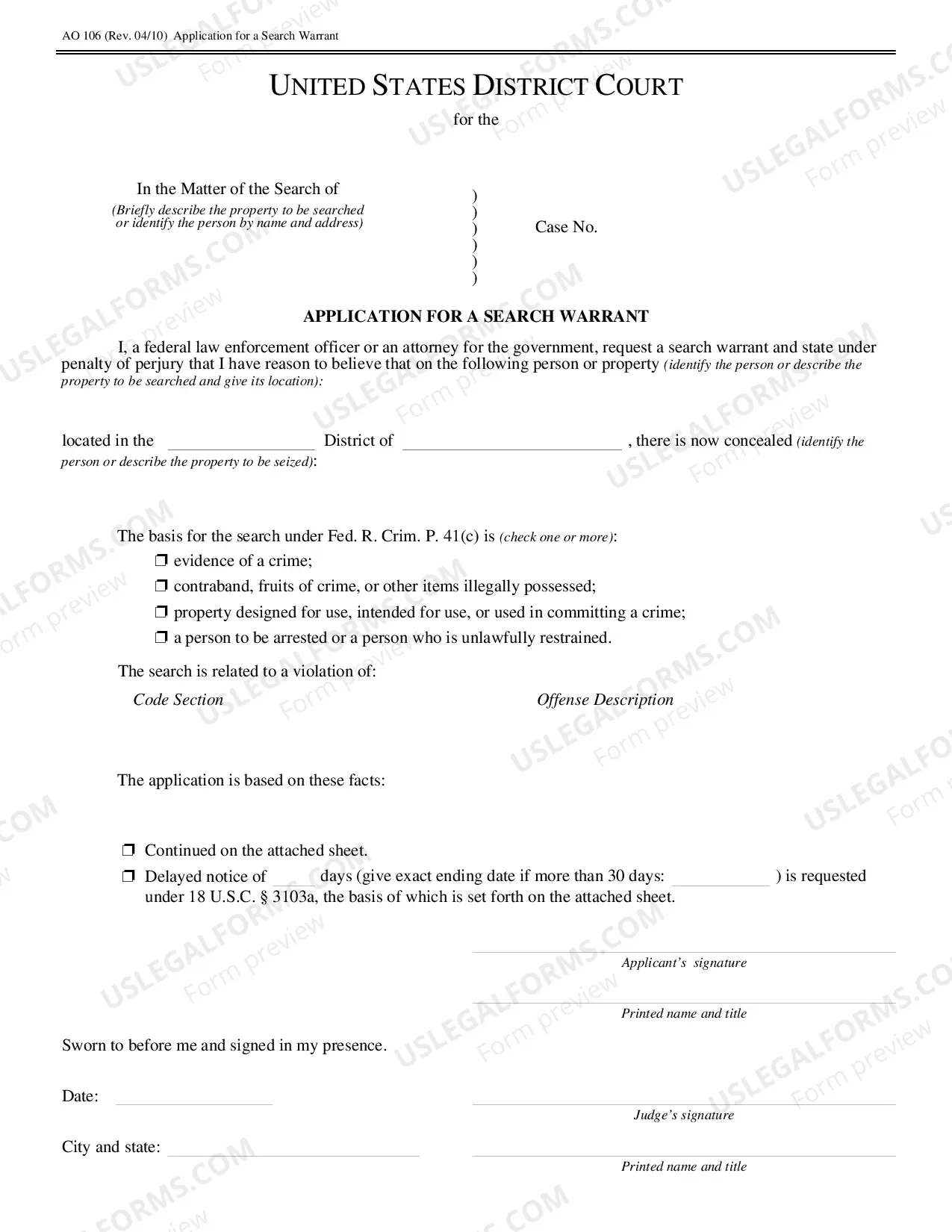



Form popularity
FAQ
Caregiving can also result in feeling a loss of self identity, lower levels of self esteem, constant worry, or feelings of uncertainty. Caregivers have less self-acceptance and feel less effective and less in control of their lives than noncaregivers.
Self-care offers numerous benefits for your overall well-being. Here are some key benefits: Improved physical health: Engaging in activities like regular exercise, getting enough sleep and eating nutritious meals can enhance your physical health, boost your energy levels and strengthen your immune system.
What Qualifications Do I Need to Become a Professional Caregiver in the UK? Basic Educational Requirements. Caregiver Training and Certification. Specialized Training and Certifications. Background Checks and Registration. Soft Skills and Personal Qualities. Continuous Professional Development.
When a dementia patient refuses to get out of bed, it can be due to cognitive decline, which can cause confusion and disorientation. This makes it challenging for individuals to navigate their surroundings.
The signs of caregiver stress include: Feeling burdened or worrying all the time. Feeling tired often. Sleeping too much or not enough. Gaining or losing weight. Becoming easily irked or angry. Losing interest in activities you used to enjoy. Feeling sad. Having frequent headaches or other pains or health problems.
Caregiving has all the features of a chronic stress experience: It creates physical and psychological strain over extended periods of time, is accompanied by high levels of unpredictability and uncontrollability, has the capacity to create secondary stress in multiple life domains such as work and family relationships, ...
Caring for Yourself When Caring for Another Caregivers of people with Alzheimer's and related dementias are at greater risk for anxiety, depression, and a poorer quality of life than other caregivers. Self-care isn't selfish. It's crucial to look after your own health.
Caregivers of people with Alzheimer's and related dementias are at greater risk for anxiety, depression, and a poorer quality of life than other caregivers.
Over time, the accumulated stress of being a caregiver can begin to negatively affect your physical and mental health. Caregivers may develop conditions that include: Depression and anxiety. A weakened immune system.
Family caregivers are at greater risk for higher levels of hostility than noncaregivers. Spousal caregivers who are at risk of clinical depression and are caring for a spouse with significant cognitive impairment and/or physical care needs are more likely to engage in harmful behavior toward their loved one.
