Care Caregiver Form Application For Disability In Kings
Description

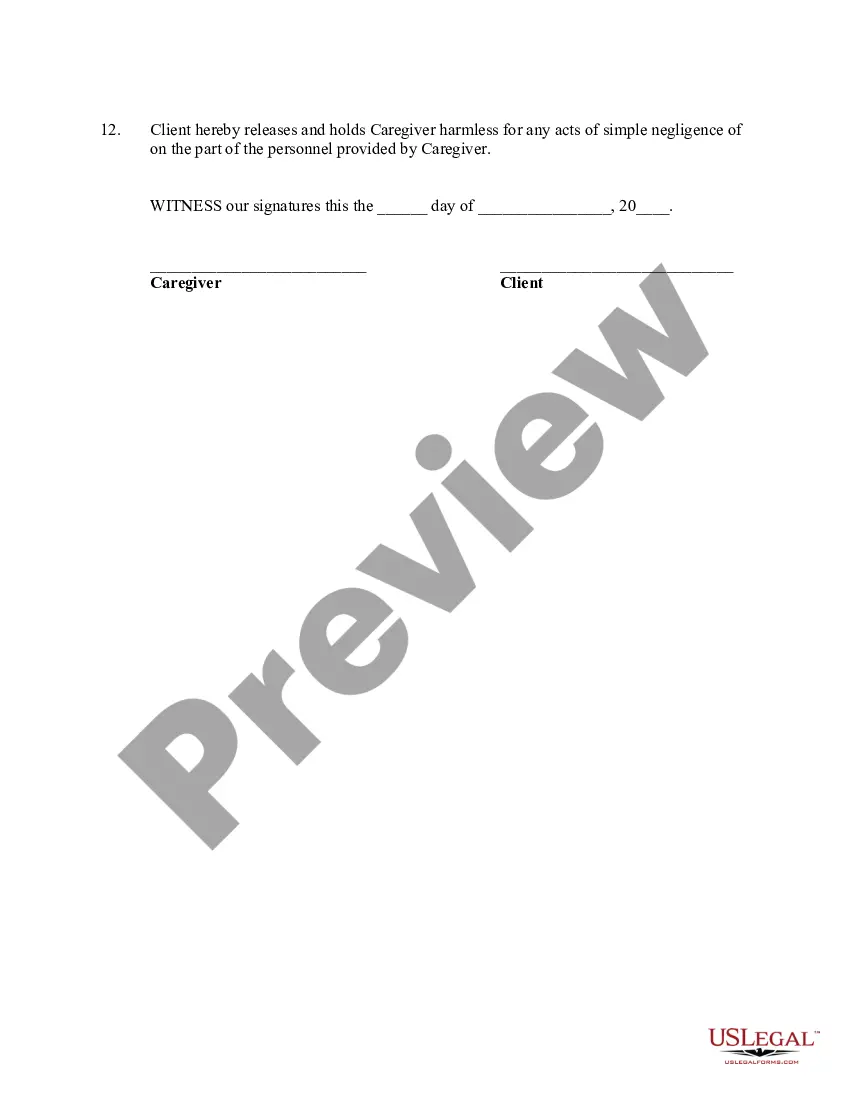
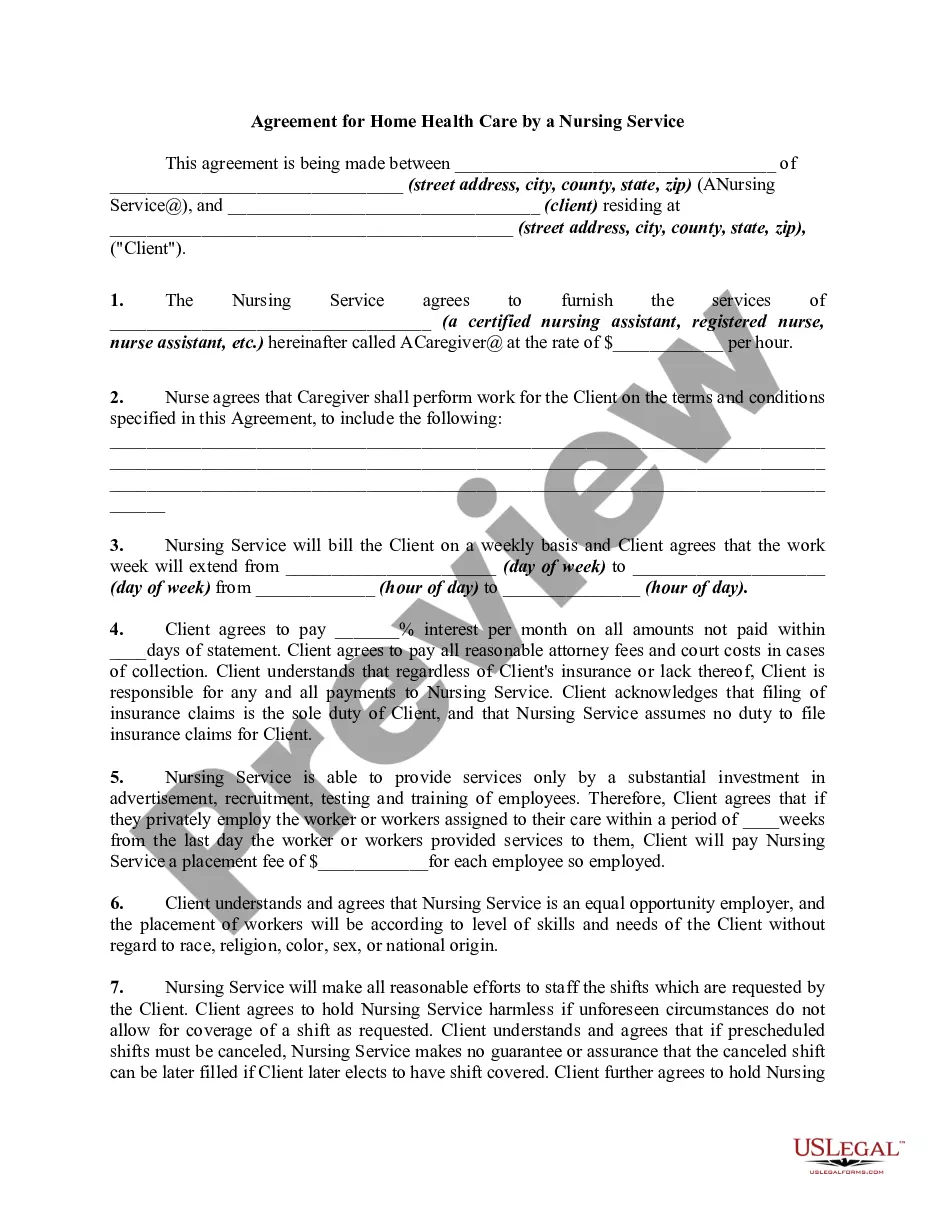
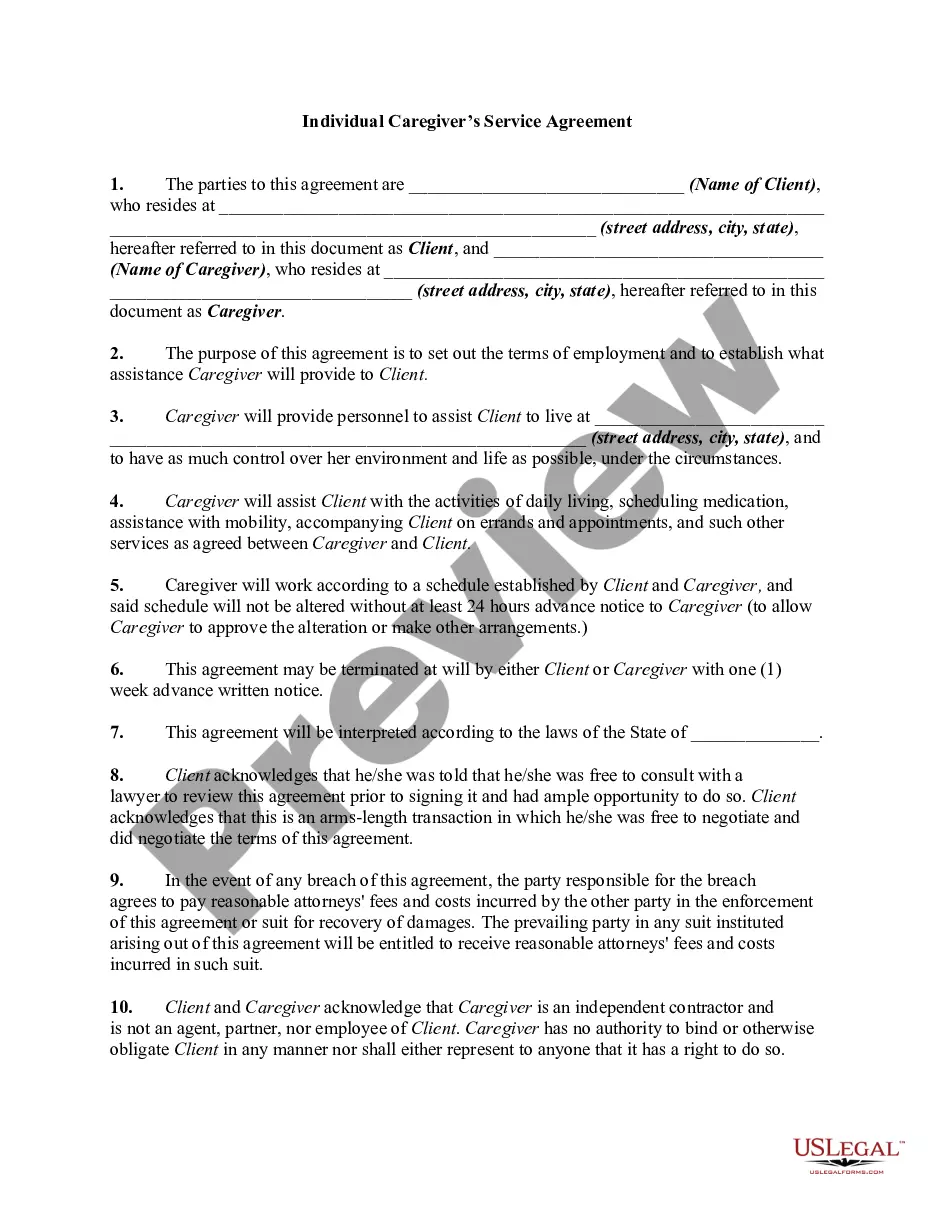
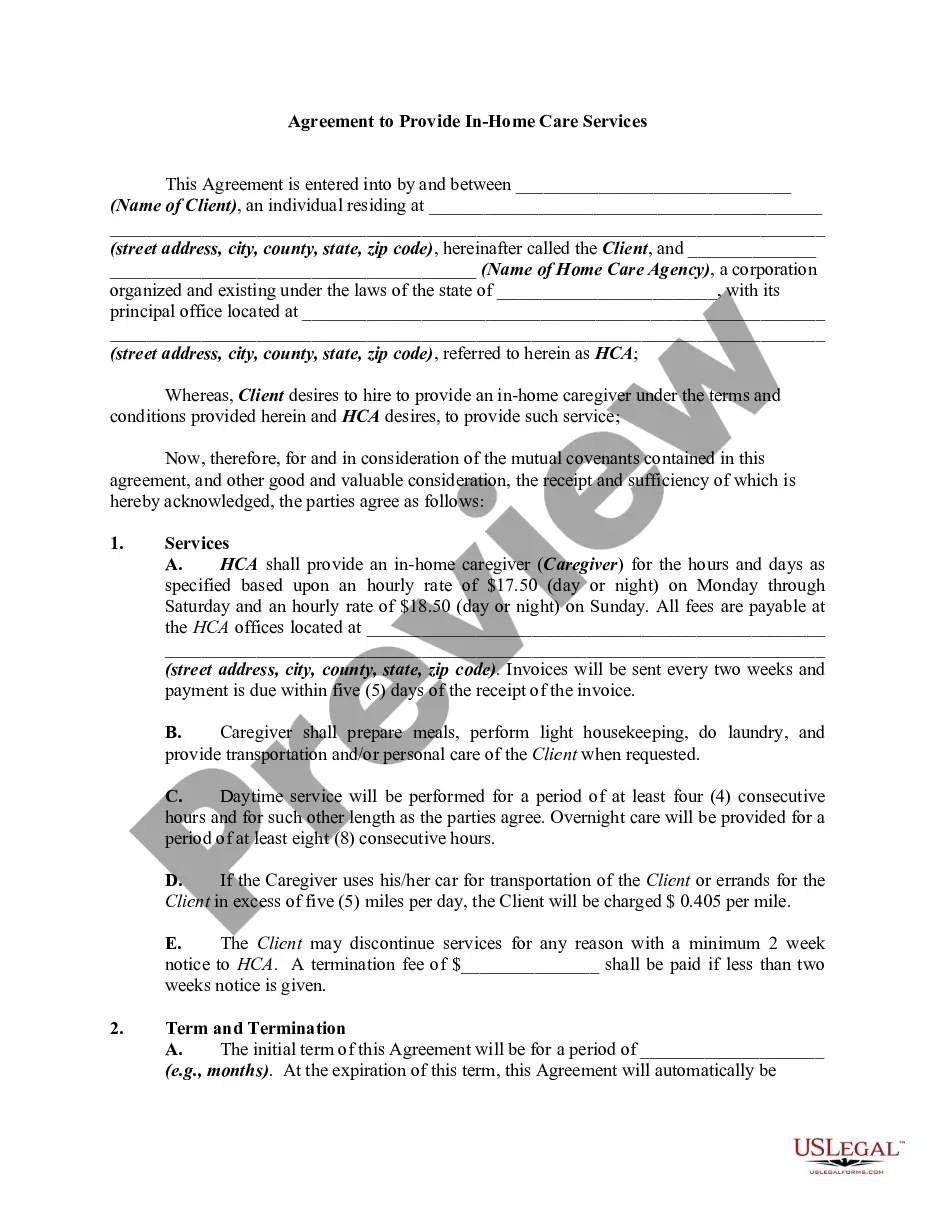
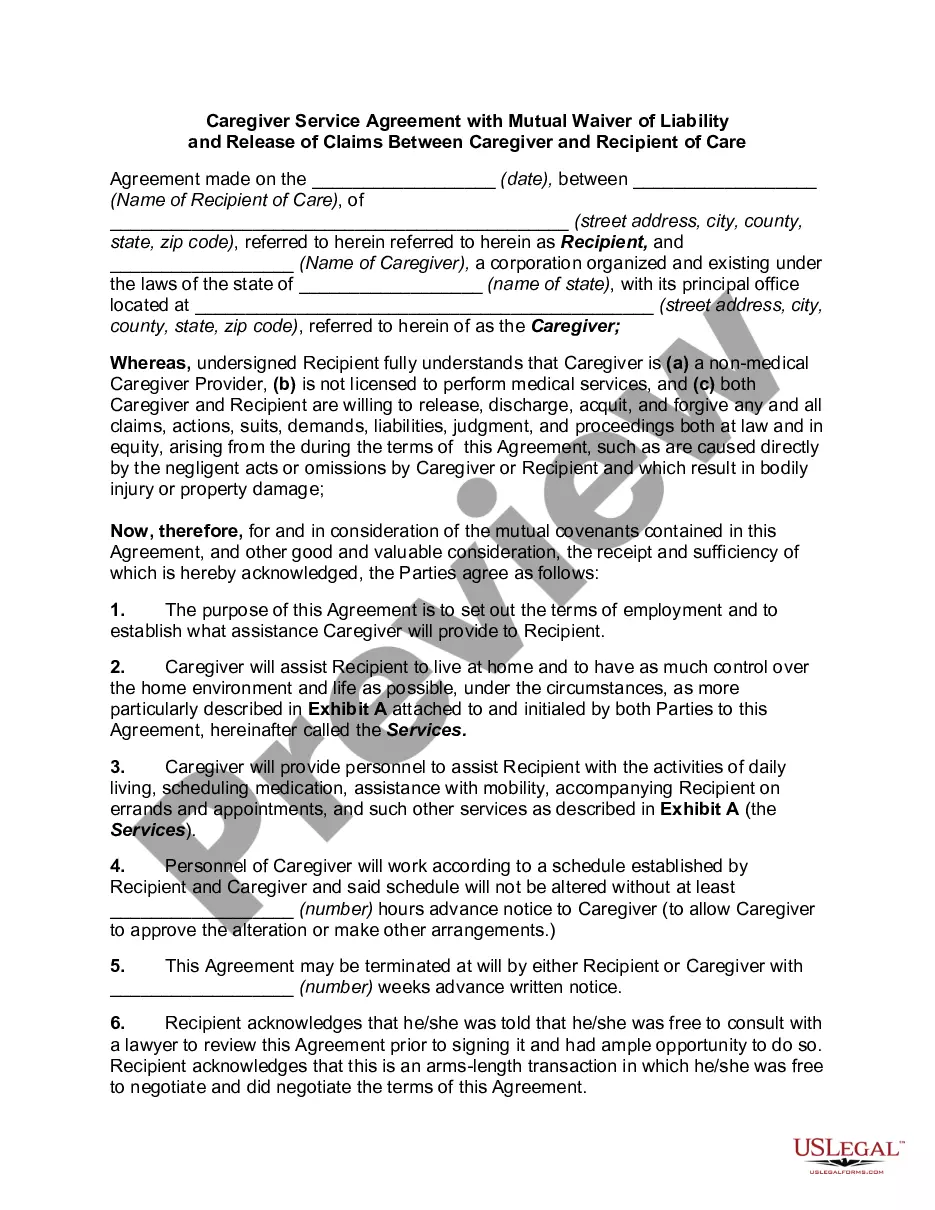
Get your form ready online
Our built-in tools help you complete, sign, share, and store your documents in one place.
Make edits, fill in missing information, and update formatting in US Legal Forms—just like you would in MS Word.
Download a copy, print it, send it by email, or mail it via USPS—whatever works best for your next step.
Sign and collect signatures with our SignNow integration. Send to multiple recipients, set reminders, and more. Go Premium to unlock E-Sign.
If this form requires notarization, complete it online through a secure video call—no need to meet a notary in person or wait for an appointment.
We protect your documents and personal data by following strict security and privacy standards.

Make edits, fill in missing information, and update formatting in US Legal Forms—just like you would in MS Word.

Download a copy, print it, send it by email, or mail it via USPS—whatever works best for your next step.

Sign and collect signatures with our SignNow integration. Send to multiple recipients, set reminders, and more. Go Premium to unlock E-Sign.

If this form requires notarization, complete it online through a secure video call—no need to meet a notary in person or wait for an appointment.

We protect your documents and personal data by following strict security and privacy standards.
Looking for another form?

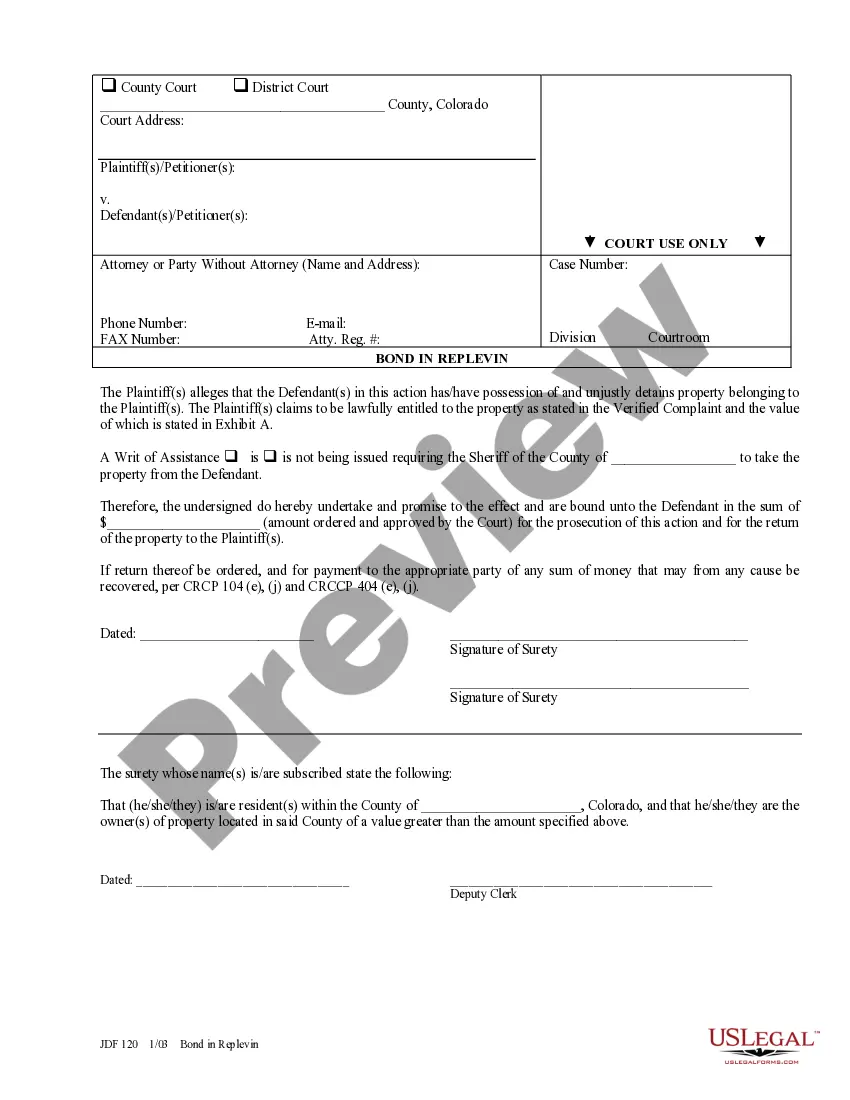






Form popularity
FAQ
Various conditions can qualify you for disability benefits. Among disabled workers, the most commonly approved conditions are musculoskeletal issues and nervous system and sense organ issues. Among disabled adult children (DACs), the most commonly approved conditions are intellectual disabilities.
Do Any Conditions Automatically Qualify for Social Security Disability? Musculoskeletal Disorders, such as arthritis, fibromyalgia, and back pain. Special Senses and Speech, such as blindness and hearing loss. Respiratory Disorders, such as cystic fibrosis and respiratory failure.
We consider your medical conditions, age, education, past work experience, and any transferable skills you may have. If you can't do other work, we'll decide you are eligible for disability benefits. If you can do other work, we'll decide that you don't have a qualifying disability and your claim will be denied.
If you or someone you love is dealing with a medical condition that prevents them from working or earning a sufficient income, there is help available.As a caregiver, once you have collected all necessary information and documentation, you can apply for disability benefits on behalf of the person you are caring for.
Disability judges want to know how your medical issues impact your ability to perform everyday activities, like going grocery shopping and traveling to medical appointments.
Isolation – Caregivers can often feel cut off from the outside world. So much time and energy is spent caring for someone else, caregivers often don't have time to take care of themselves. If you start to feel isolated, reach out to close friends and family to see if they are able to help.
Who is eligible for the Canada caregiver amount? You can claim the caregiver allowance in Canada if, at any time during the tax year, you provide support to your spouse or common-law partner who has an impairment in physical or mental functions.
Live-in caregivers must work for two years in Canada on a temporary visa, without their family, after which, if they meet all the requirements, they can apply for permanent residence in Canada. They include their children and spouse on their application.
Caregiver Support: 5 Tips for Providing Compassionate Care for Family Caregivers Act from love, not from a sense of duty. Caregiving is about one person helping another. Educate yourself about health conditions. Take time to listen. Care for yourself. Honor your loved one's spiritual needs.
Family caregiving is the act of providing at-home care for a relative, friend, or other loved one with a physical or mental health problem. As life expectancies increase, medical treatments advance, and more people live with chronic illnesses and disabilities, many of us find ourselves caring for a loved one at home.
