Caregiver Form Sample For Employer In Illinois
Description


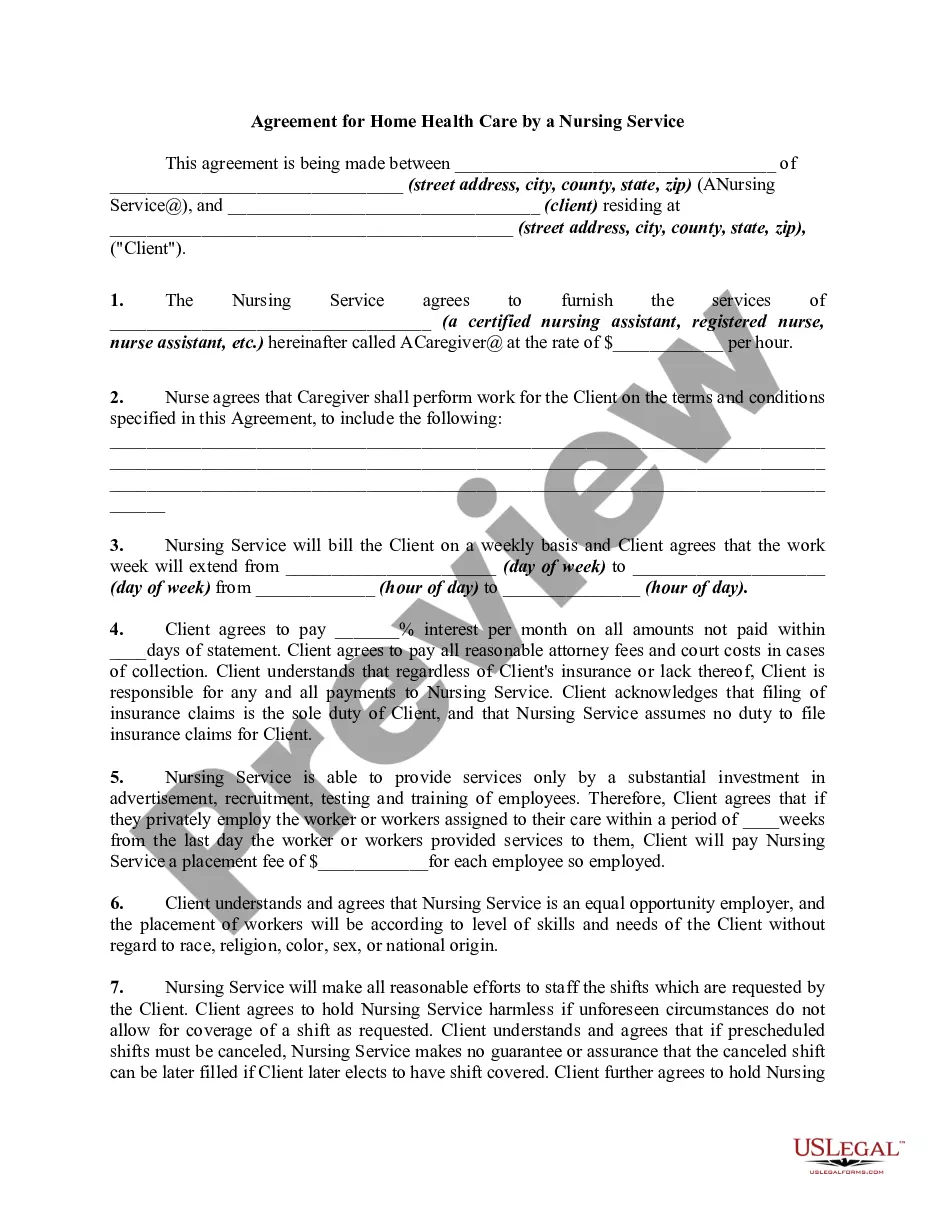
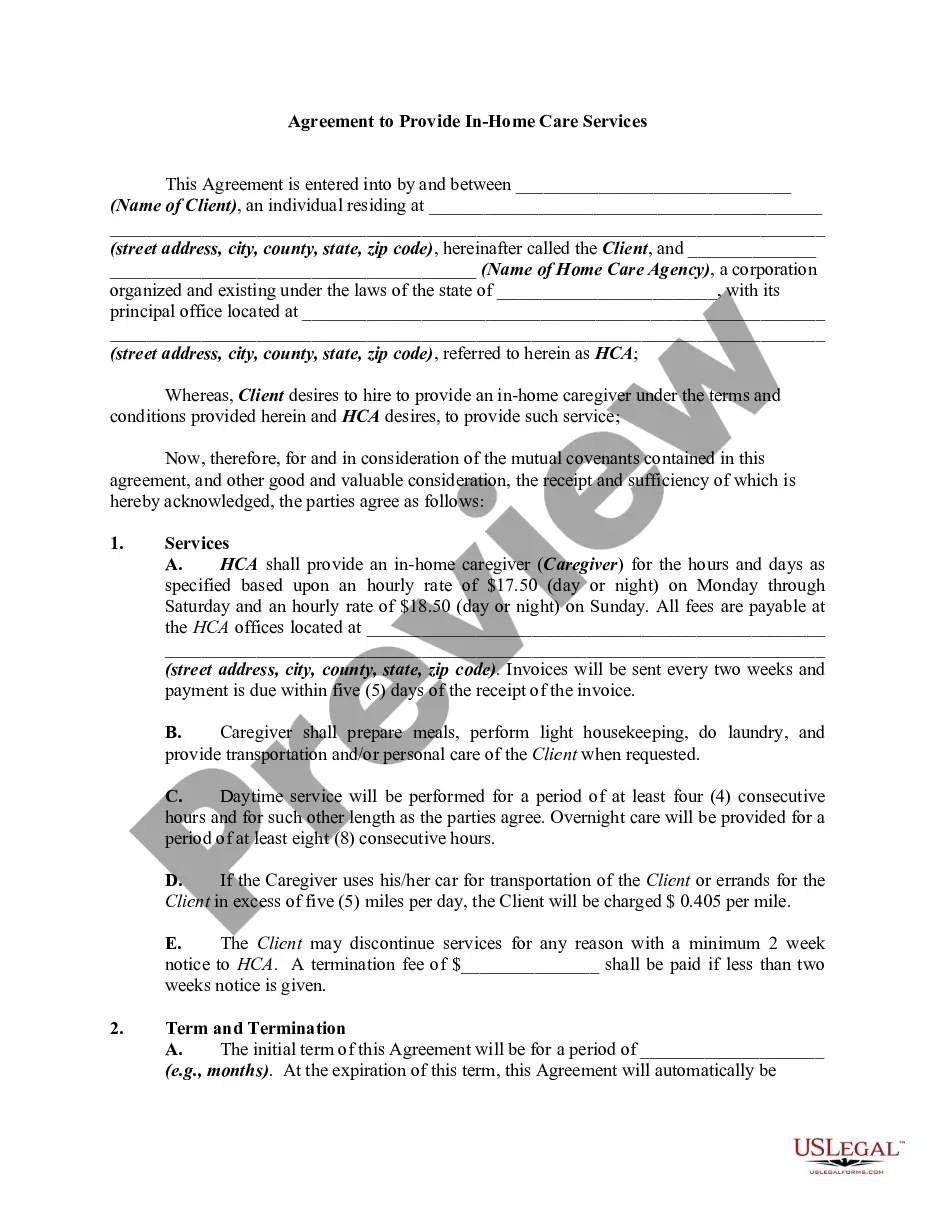
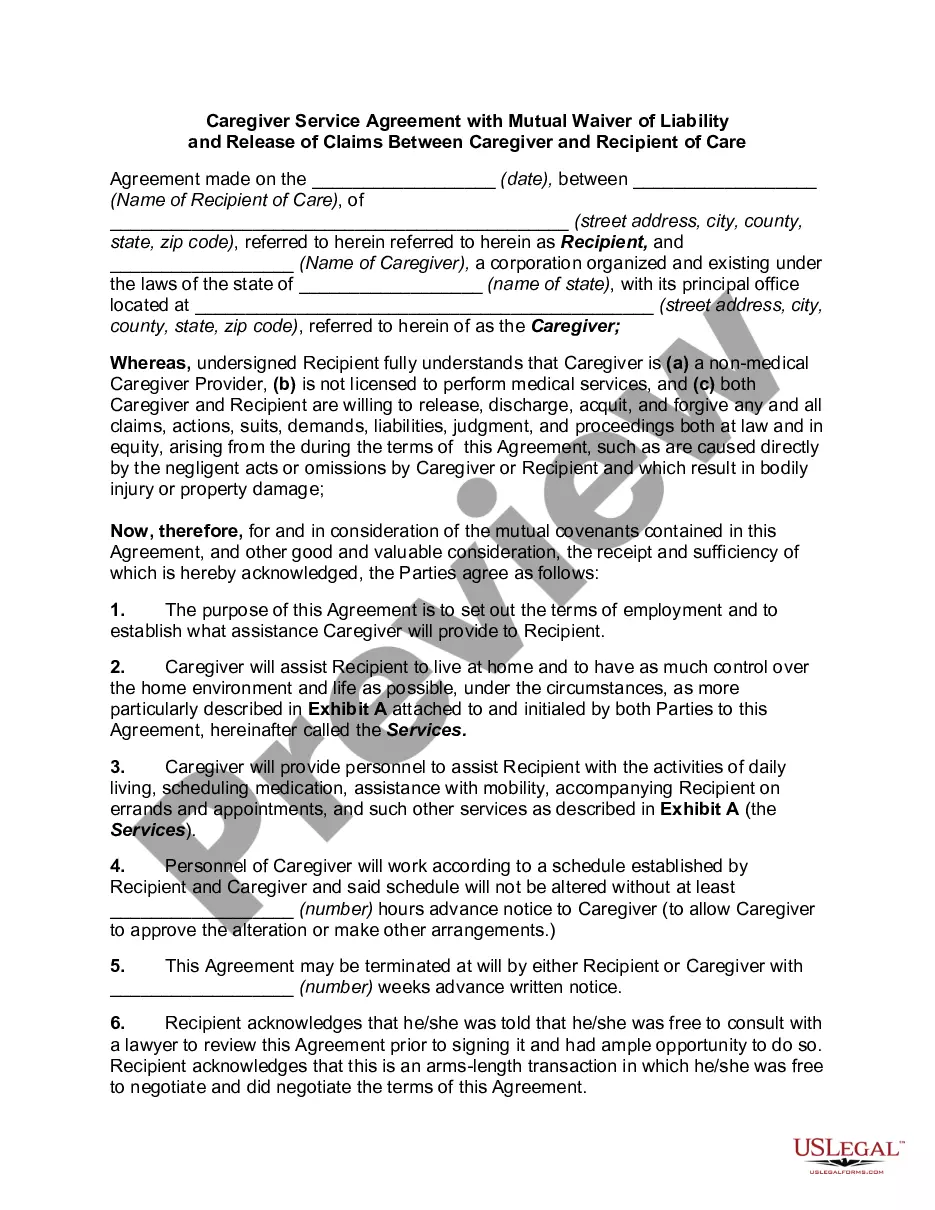
Get your form ready online
Our built-in tools help you complete, sign, share, and store your documents in one place.
Make edits, fill in missing information, and update formatting in US Legal Forms—just like you would in MS Word.
Download a copy, print it, send it by email, or mail it via USPS—whatever works best for your next step.
Sign and collect signatures with our SignNow integration. Send to multiple recipients, set reminders, and more. Go Premium to unlock E-Sign.
If this form requires notarization, complete it online through a secure video call—no need to meet a notary in person or wait for an appointment.
We protect your documents and personal data by following strict security and privacy standards.

Make edits, fill in missing information, and update formatting in US Legal Forms—just like you would in MS Word.

Download a copy, print it, send it by email, or mail it via USPS—whatever works best for your next step.

Sign and collect signatures with our SignNow integration. Send to multiple recipients, set reminders, and more. Go Premium to unlock E-Sign.

If this form requires notarization, complete it online through a secure video call—no need to meet a notary in person or wait for an appointment.

We protect your documents and personal data by following strict security and privacy standards.
Looking for another form?
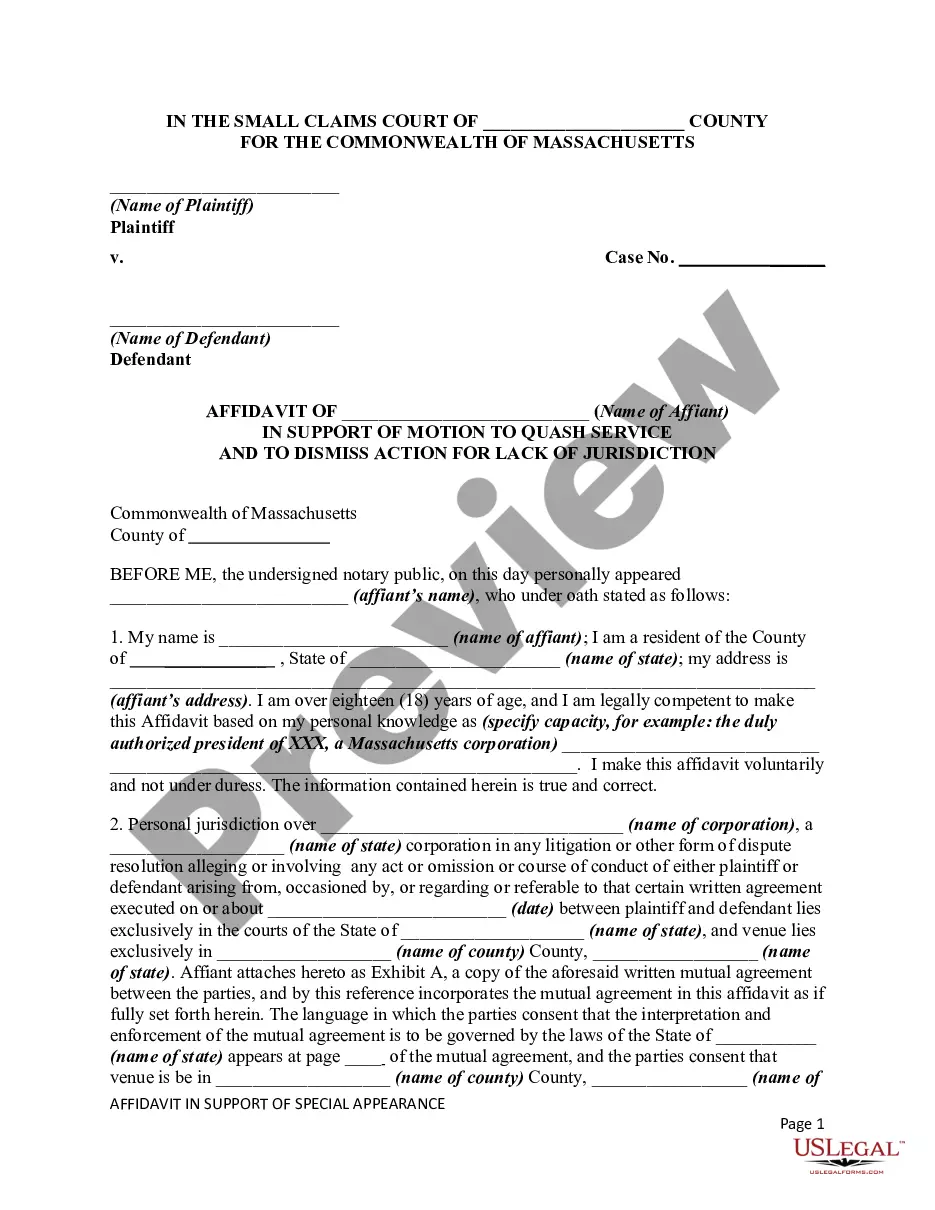

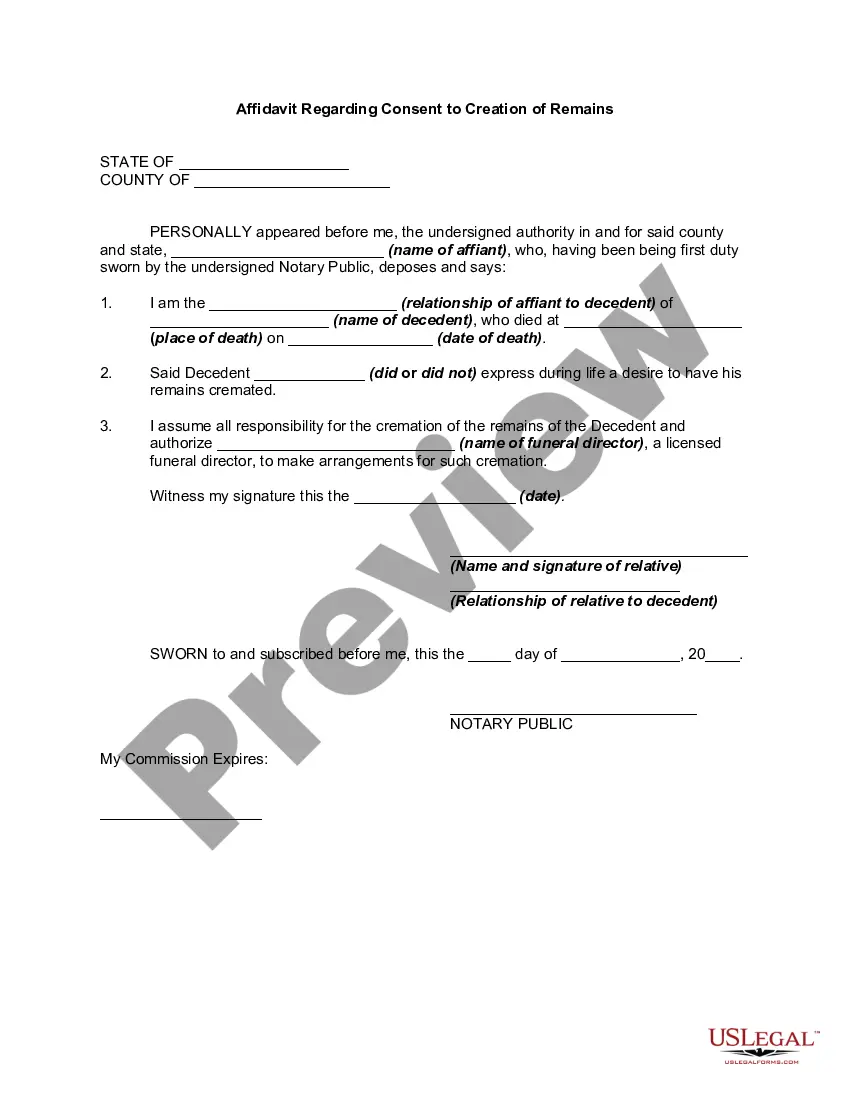
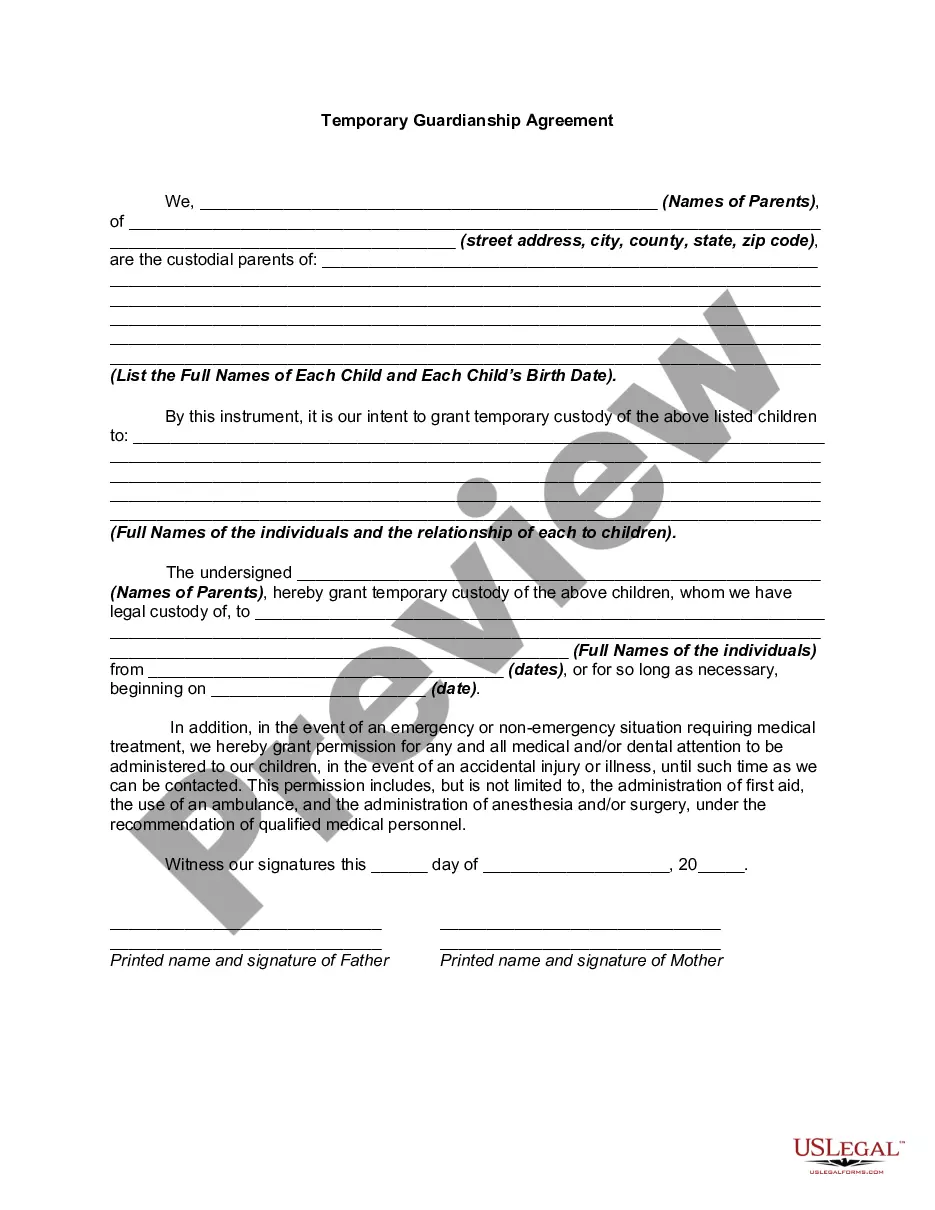

Form popularity
FAQ
Support for caregivers can come in various forms, including respite care, caregiver support groups, and training and educational resources - all of these provide support, and contribute to the sustainability and quality of care they provide.
Offer to help Often being a carer involves tasks including cleaning, cooking, or just sitting and having a conversation with the person they care for. You can help to take the strain off them by offering to spend some time with the person they care for, even if it is just for a few hours.
The most obvious and immediate type of employer support comes in the form of flexibility. Companies can help their parent and caregiver employees by offering more flexible working arrangements: school-day aligned hours (e.g. – ), four-day workweeks, telecommuting, and the like.
Illinois enacted a law prohibiting discrimination against employees who must care for family members at home. The law will not require employers to make accommodations or modifications to reasonable workplace rules and policies to allow employees to fulfill their caregiving responsibilities.
Listen to their concerns without judgment or advice. It's the best way to let them know that you care about how they feel and that you want to help. Show understanding, empathy, and compassion for them as a caregiver and as a person. Be supportive by asking ``how can I help?'' or ``what do you need me to do?''
CHICAGO - Workers in Illinois who provide personal care to family members are protected from employment discrimination based on family responsibilities as of January 1, 2025. Illinois is now one of fewer than 10 states to provide employment protections for family caregivers.
How to become a caregiver Evaluate whether being a caregiver suits you. Determine whether offering care to vulnerable people is right for you. Obtain education and training. Seek a part-time role or apprenticeship. Gain experience. Develop care skills. Find a caregiver role.
Certified caregiver training in the state of Illinois was mandated by state law in 2008. Then shortly after this, an additional mandate for Alzheimer's disease caregiver training was added. Illinois caregivers are required to annually renew training for both basic caregiving skills and dementia caregiving skills.
Illinois Caregiver Training Requirements. In-home Service Workers: Required to complete 8 hours of topic specific initial training and a minimum of 8 hours CE annually. Homecare Aides: Required to complete 2 hours of agency specific orientation, 22 hours of topic specific training, and 12 hours CE annually.
