Caregiver Form For Elderly In Houston
Description


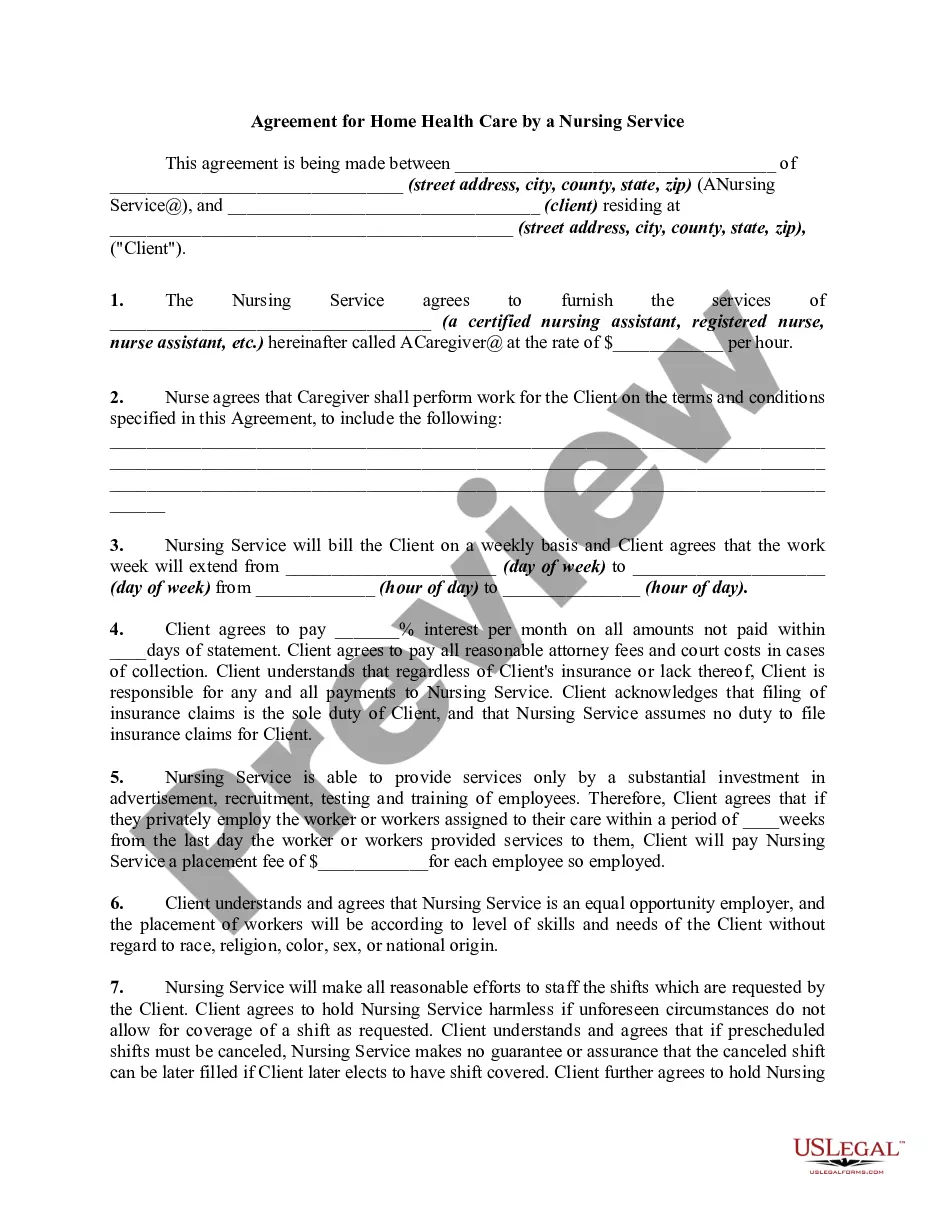
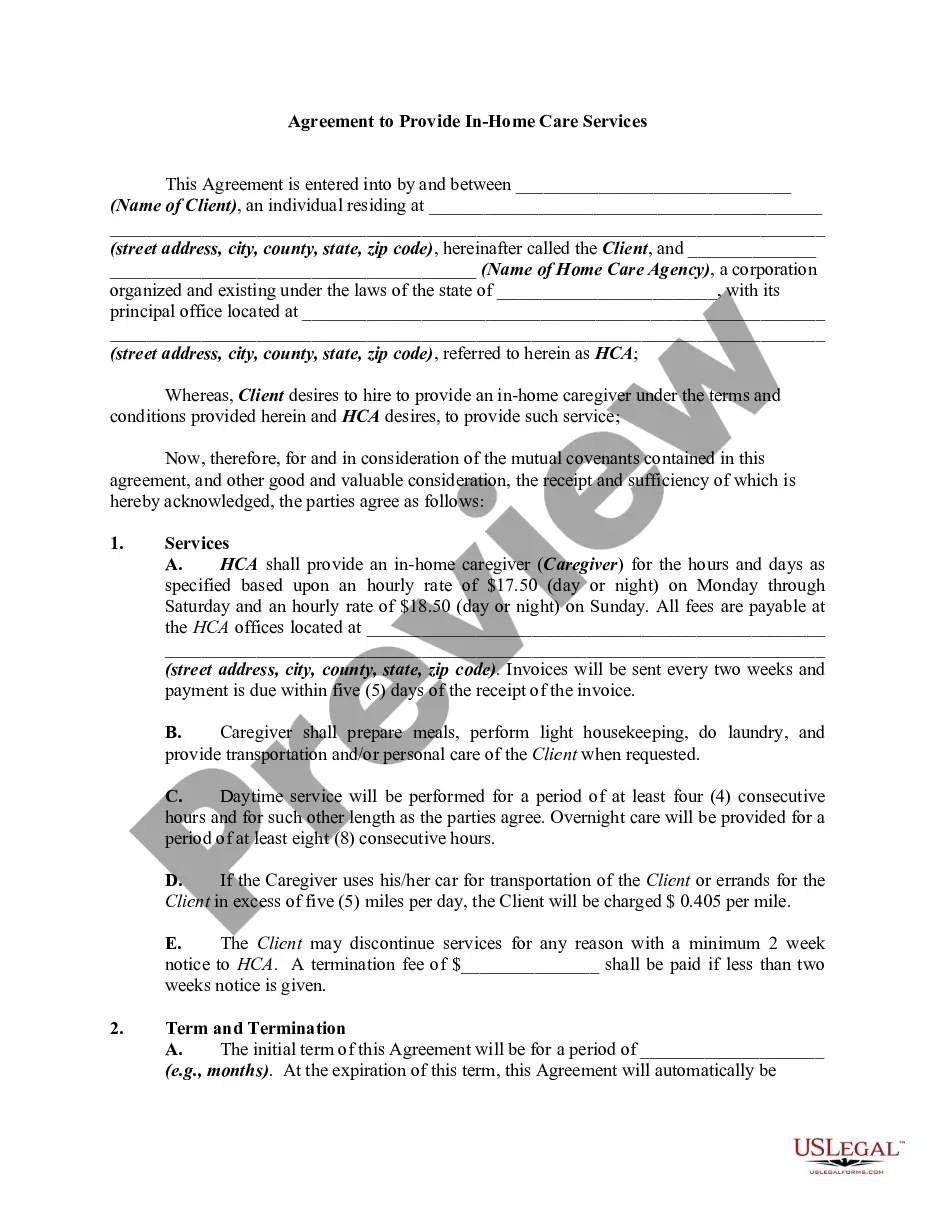
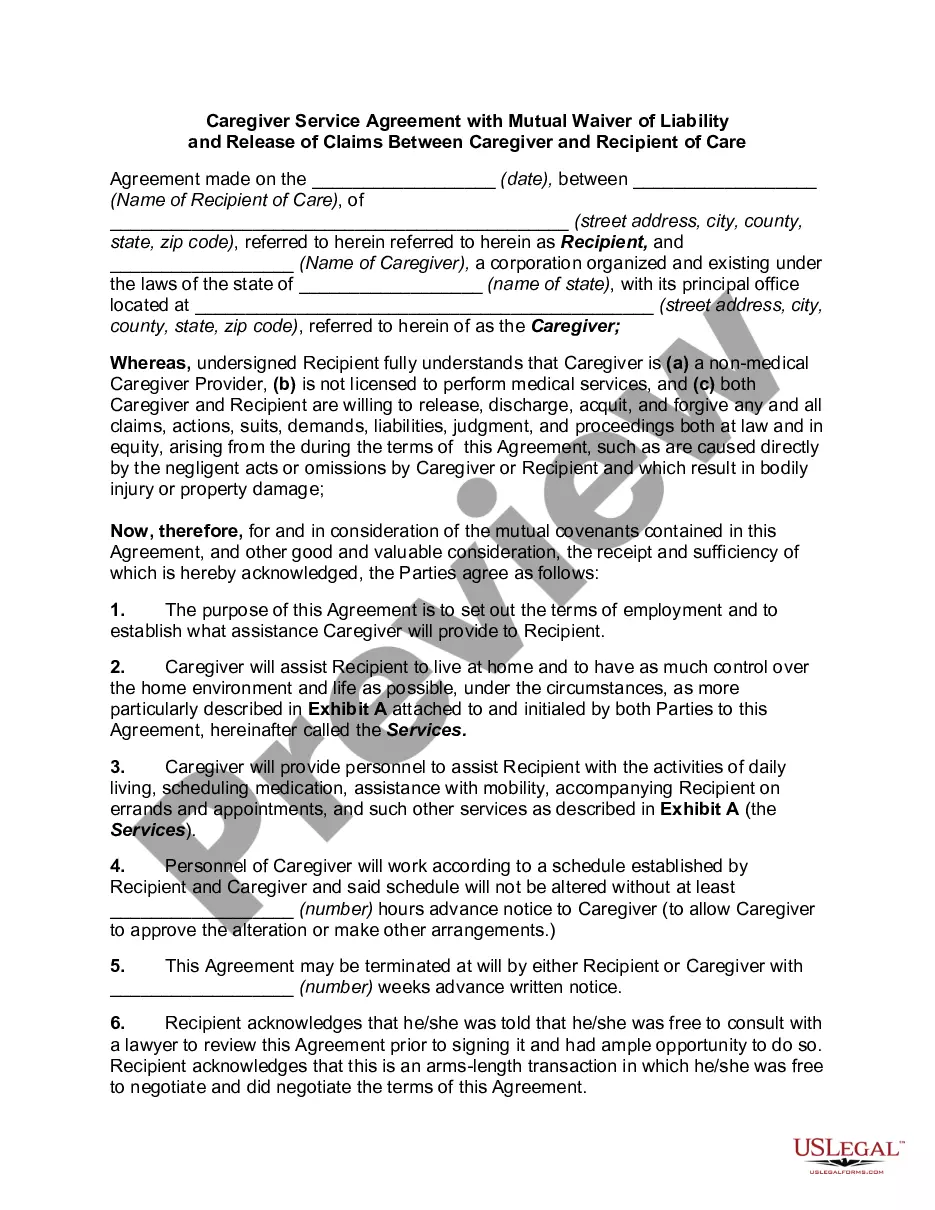
Get your form ready online
Our built-in tools help you complete, sign, share, and store your documents in one place.
Make edits, fill in missing information, and update formatting in US Legal Forms—just like you would in MS Word.
Download a copy, print it, send it by email, or mail it via USPS—whatever works best for your next step.
Sign and collect signatures with our SignNow integration. Send to multiple recipients, set reminders, and more. Go Premium to unlock E-Sign.
If this form requires notarization, complete it online through a secure video call—no need to meet a notary in person or wait for an appointment.
We protect your documents and personal data by following strict security and privacy standards.

Make edits, fill in missing information, and update formatting in US Legal Forms—just like you would in MS Word.

Download a copy, print it, send it by email, or mail it via USPS—whatever works best for your next step.

Sign and collect signatures with our SignNow integration. Send to multiple recipients, set reminders, and more. Go Premium to unlock E-Sign.

If this form requires notarization, complete it online through a secure video call—no need to meet a notary in person or wait for an appointment.

We protect your documents and personal data by following strict security and privacy standards.
Looking for another form?
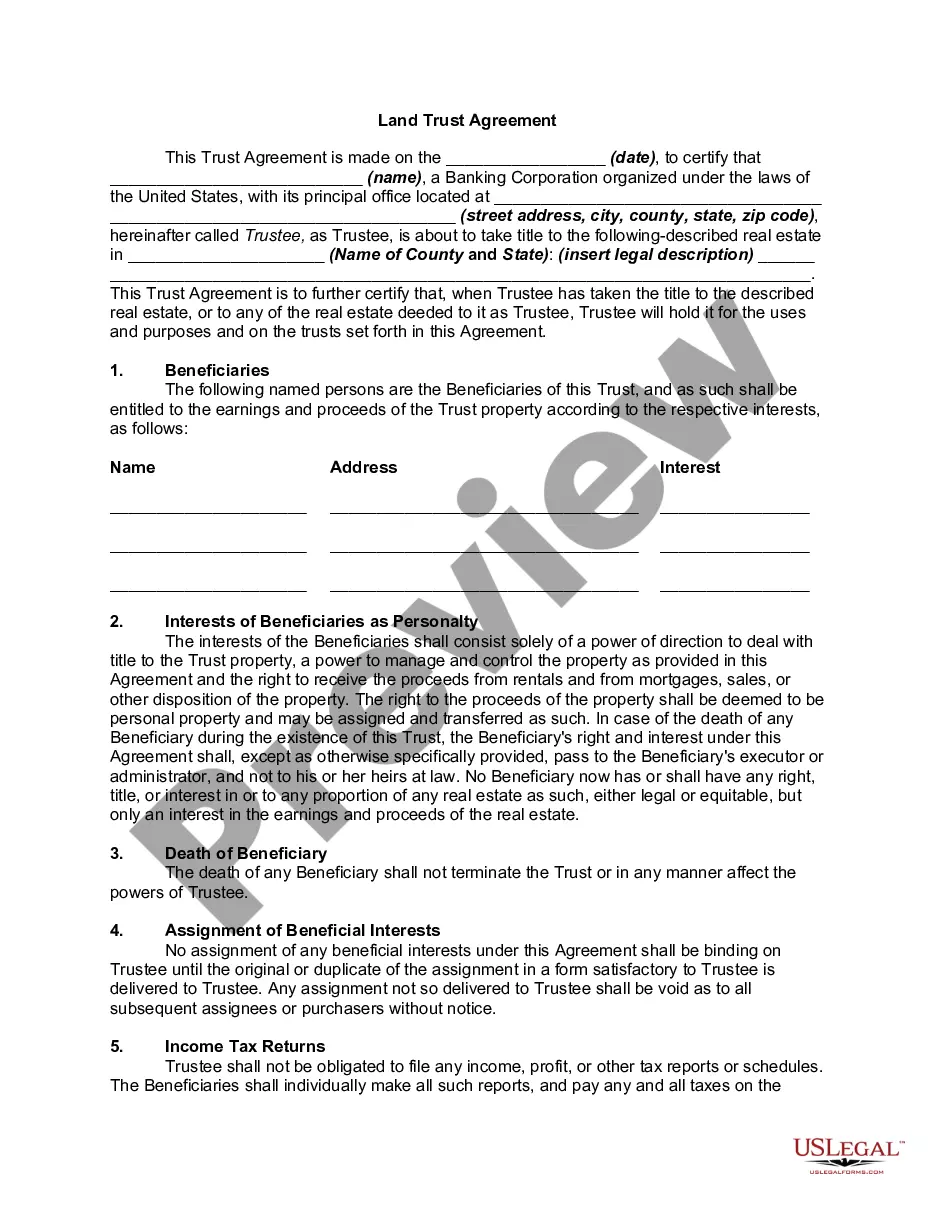


Form popularity
FAQ
Family caregiving is the act of providing at-home care for a relative, friend, or other loved one with a physical or mental health problem. As life expectancies increase, medical treatments advance, and more people live with chronic illnesses and disabilities, many of us find ourselves caring for a loved one at home.
A family and friends care arrangement, also known as kinship care, is one in which a child who cannot be cared for by their parent(s) or another person with parental responsibility goes to live with a relative, friend, or other connected person.
But realistically, if you take a loved one regularly to the doctor, or buy their groceries, or have a sibling with special needs whom you support, advocate for an ill spouse, or engage in long-distance care of a loved one, you are a caregiver. The important thing to recognize is that your caring role is important.
If you are looking for long-term care services, and want to know your options Call 2-1-1, the hotline service for people looking to get help and find the services they need. Aging and Disability Resource Centers (ADRCs) can help you find and apply for long-term care programs for seniors and people with disabilities.
To be eligible for the PHC program, Texas residents must be 21+ years old and require assistance to perform at least one of the activities of daily living, such as bathing, grooming, eating, or toileting. Their functional limitation must result from a medical condition and must be documented by a medical professional.
Isolation poses severe risks for mental and emotional well-being. Loneliness is a common experience for elderly people without family or friends nearby. Without companionship or daily engagement, they may struggle with motivation, leading to poor self-care habits such as neglecting exercise, nutrition, or hygiene.
Texas' In-Home and Family Support Program (IH/FSP) is also referred as the Community Services IHFS Grant. These grants are intended to provide support to physically disabled individuals who do not also have intellectual disabilities in the interest of preserving their independence.