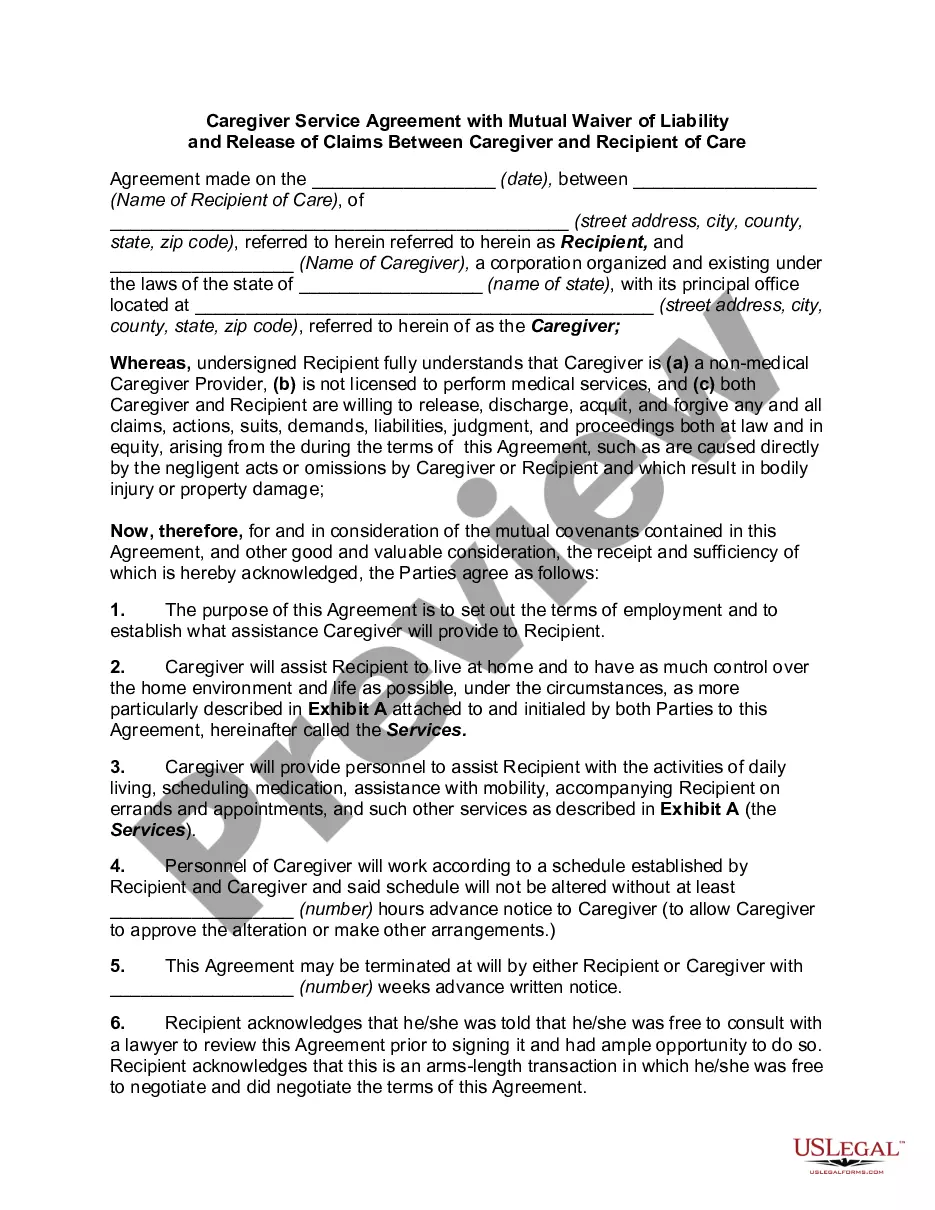
Caregiver Form Sample For Child In California
Description

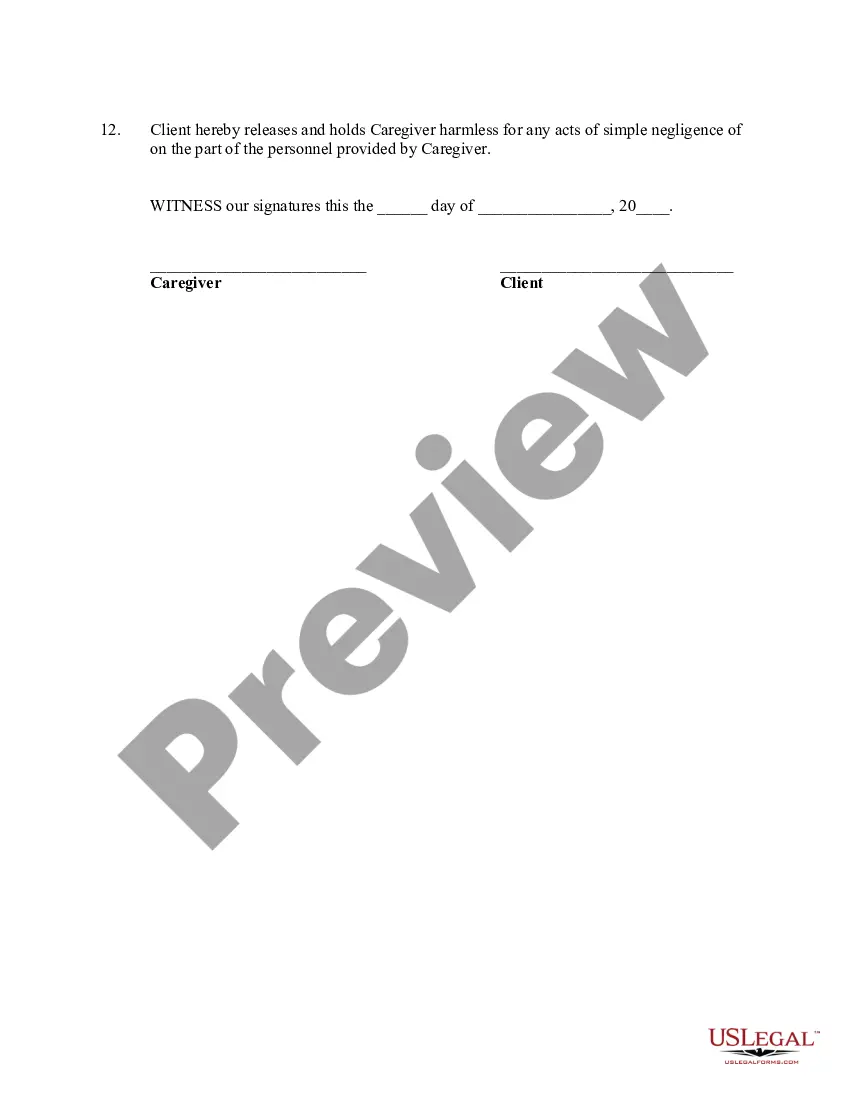
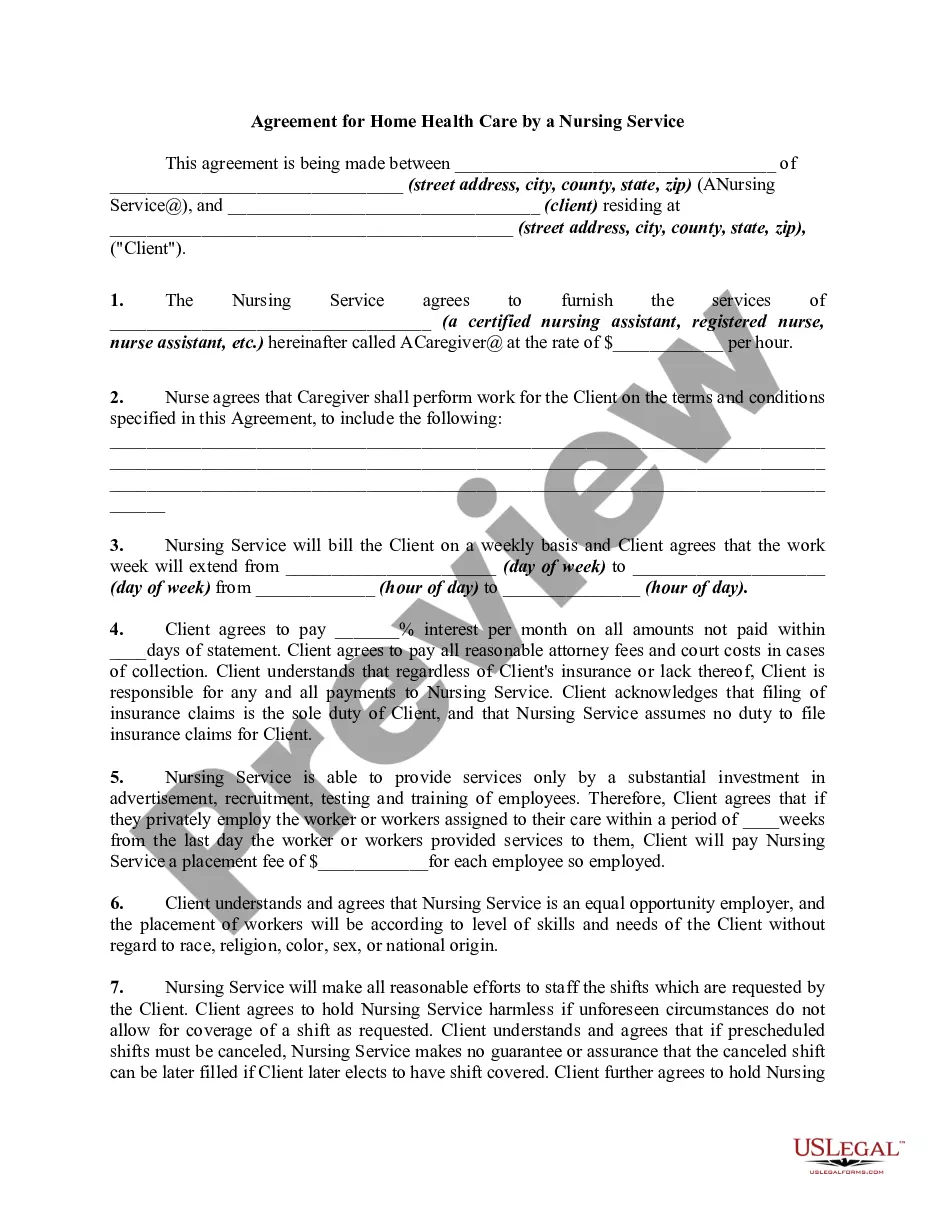
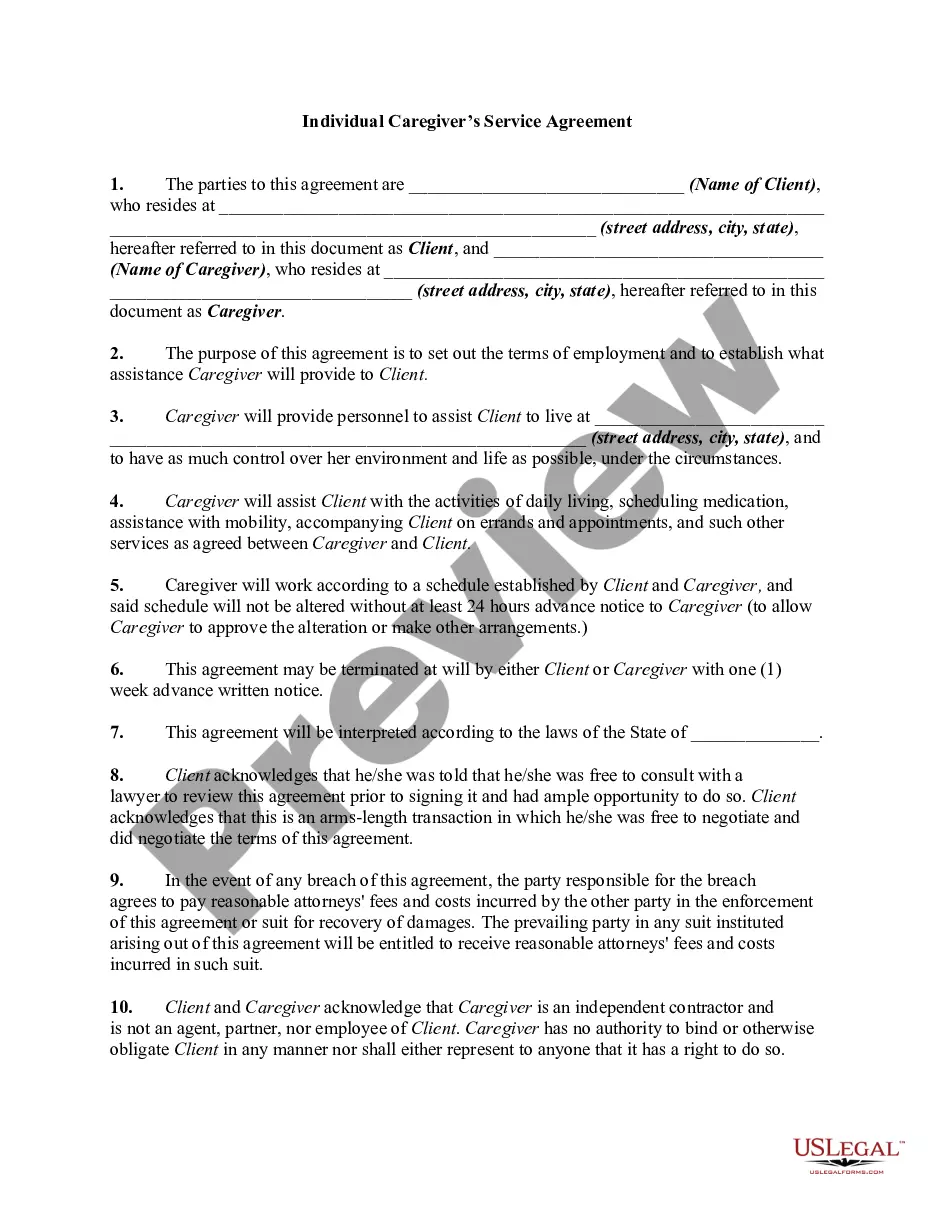
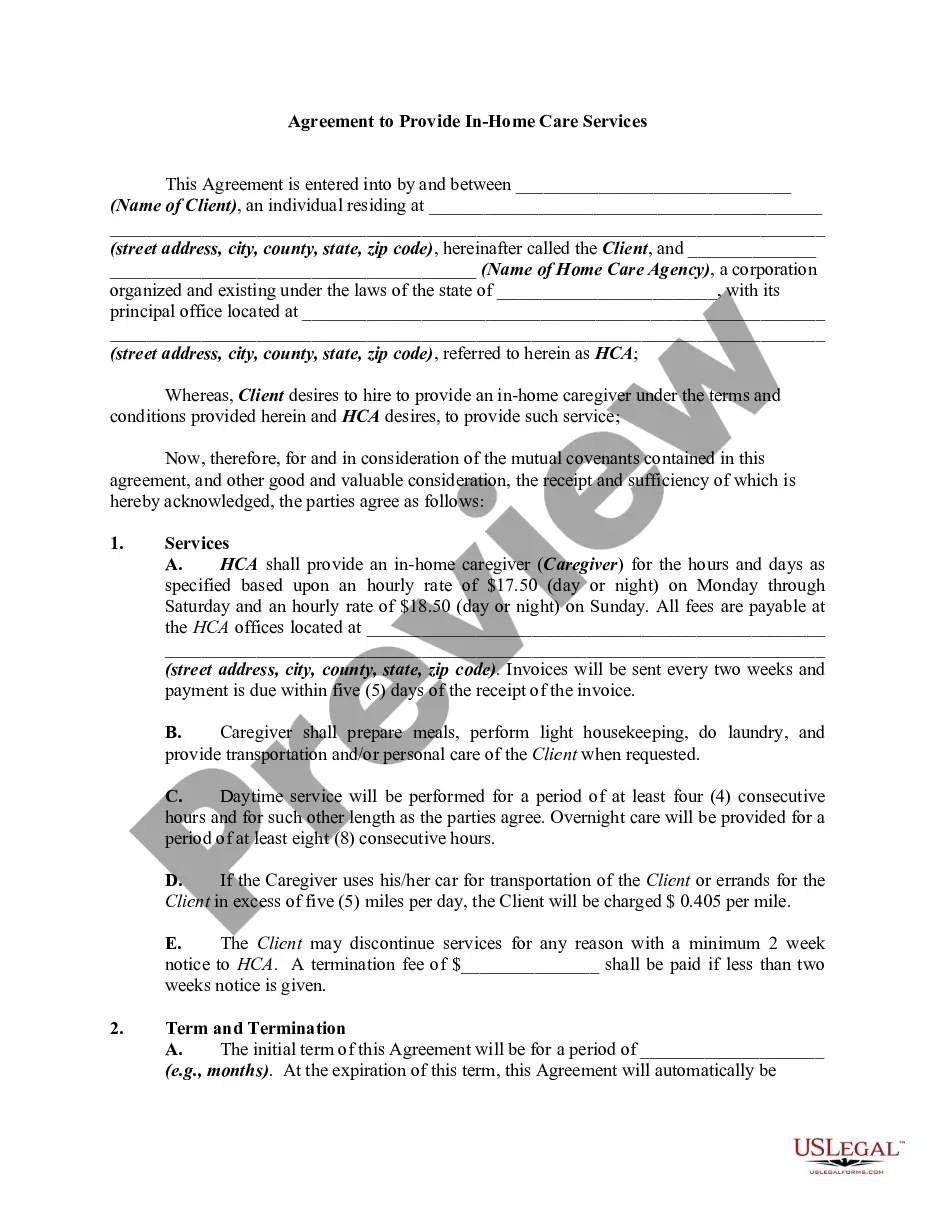
Get your form ready online
Our built-in tools help you complete, sign, share, and store your documents in one place.
Make edits, fill in missing information, and update formatting in US Legal Forms—just like you would in MS Word.
Download a copy, print it, send it by email, or mail it via USPS—whatever works best for your next step.
Sign and collect signatures with our SignNow integration. Send to multiple recipients, set reminders, and more. Go Premium to unlock E-Sign.
If this form requires notarization, complete it online through a secure video call—no need to meet a notary in person or wait for an appointment.
We protect your documents and personal data by following strict security and privacy standards.

Make edits, fill in missing information, and update formatting in US Legal Forms—just like you would in MS Word.

Download a copy, print it, send it by email, or mail it via USPS—whatever works best for your next step.

Sign and collect signatures with our SignNow integration. Send to multiple recipients, set reminders, and more. Go Premium to unlock E-Sign.

If this form requires notarization, complete it online through a secure video call—no need to meet a notary in person or wait for an appointment.

We protect your documents and personal data by following strict security and privacy standards.
Looking for another form?






Form popularity
FAQ
To become a caregiver in California, meet state requirements (work authorization, background check, good health), complete a Home Care Aide certification course and provide proof of vaccinations and a negative TB test.
An application for temporary guardianship includes filing forms with the court. These include the Petition for Appointment of Temporary Guardian of the Person and Letters of Guardianship. These, along with other forms the court requires must be filled out and filed.
Since 1994, California has had a consent law that allows an "informal" relative caregiver to submit the same affidvait to enroll the child in school and consent to the child's medical treatment.
To become a caregiver in California, meet state requirements (work authorization, background check, good health), complete a Home Care Aide certification course and provide proof of vaccinations and a negative TB test.
In conclusion, there are 4 types of caregivers: family caregivers, professional caregivers, volunteer caregivers, and informal caregivers. Each caregiver faces unique challenges, including physical and emotional exhaustion, financial strain, and balancing personal and caregiving responsibilities.
A Caregiver's Authorization Affidavit is an official form based on California's recognition that adults who have minors living with them are “caregivers” who often want and need to take some responsibility for the minor's education and other care.
The Family & Medical Leave Act (FMLA) and the California Family Rights Act (CFRA) both can provide protections to caregivers, such as leave of absence and claims for interference with these rights, as well as claims for retaliation against exercising rights to FMLA and CFRA leaves.
A guardian is different from a caregiver because when a child has a caregiver, either the caregiver or the parent can make decisions for the child. When a child has a guardian, only the guardian, not the parent, can make decisions.
In order to protect seniors from undue influence by their caregivers, California enacted the Care Custodian Statute under California Probate Code section 21350. This statute is designed to prevent financial elder abuse by making testamentary gifts to care custodians presumptively invalid.
