Social Security Form For Caregiver For Parents In Bexar
Description



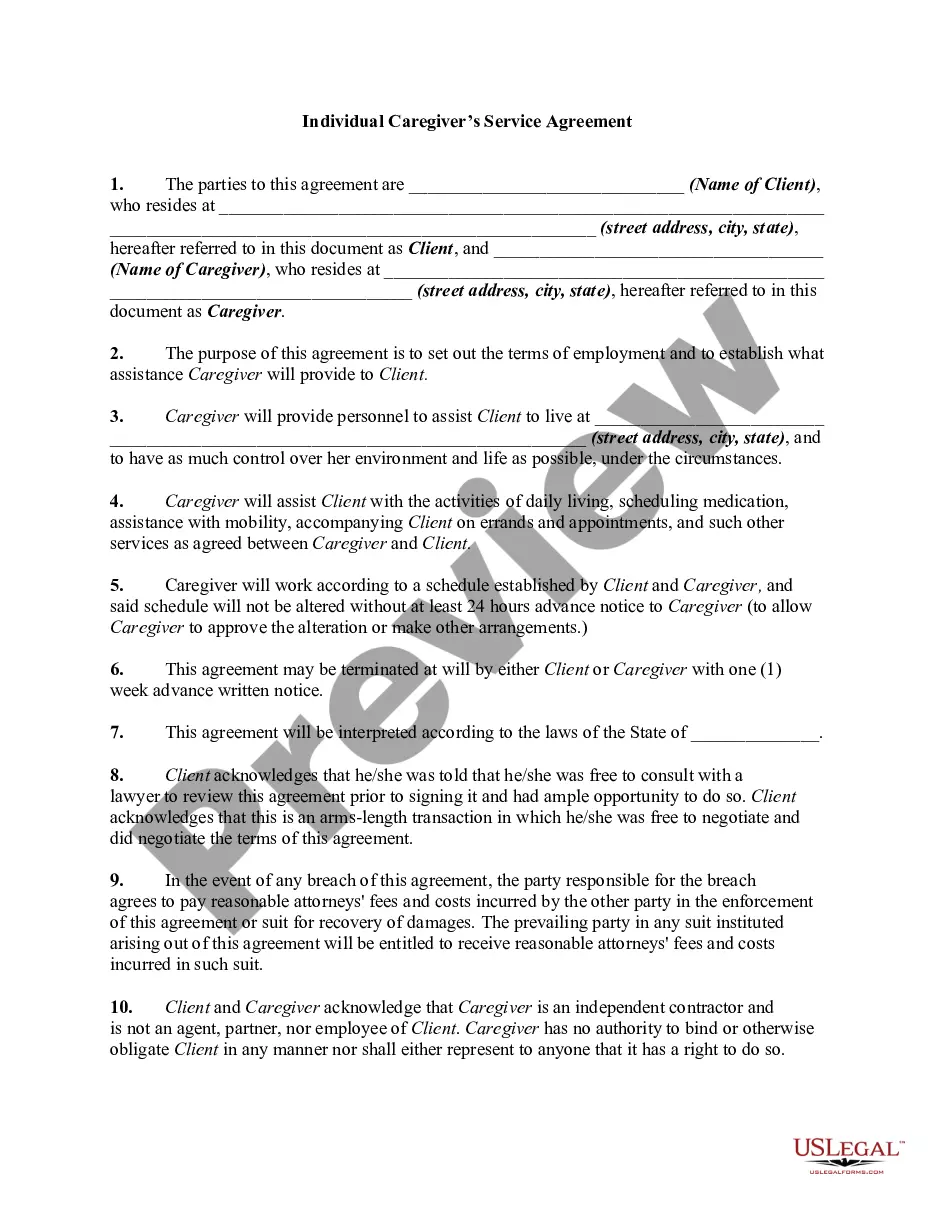


Get your form ready online
Our built-in tools help you complete, sign, share, and store your documents in one place.
Make edits, fill in missing information, and update formatting in US Legal Forms—just like you would in MS Word.
Download a copy, print it, send it by email, or mail it via USPS—whatever works best for your next step.
Sign and collect signatures with our SignNow integration. Send to multiple recipients, set reminders, and more. Go Premium to unlock E-Sign.
If this form requires notarization, complete it online through a secure video call—no need to meet a notary in person or wait for an appointment.
We protect your documents and personal data by following strict security and privacy standards.

Make edits, fill in missing information, and update formatting in US Legal Forms—just like you would in MS Word.

Download a copy, print it, send it by email, or mail it via USPS—whatever works best for your next step.

Sign and collect signatures with our SignNow integration. Send to multiple recipients, set reminders, and more. Go Premium to unlock E-Sign.

If this form requires notarization, complete it online through a secure video call—no need to meet a notary in person or wait for an appointment.

We protect your documents and personal data by following strict security and privacy standards.
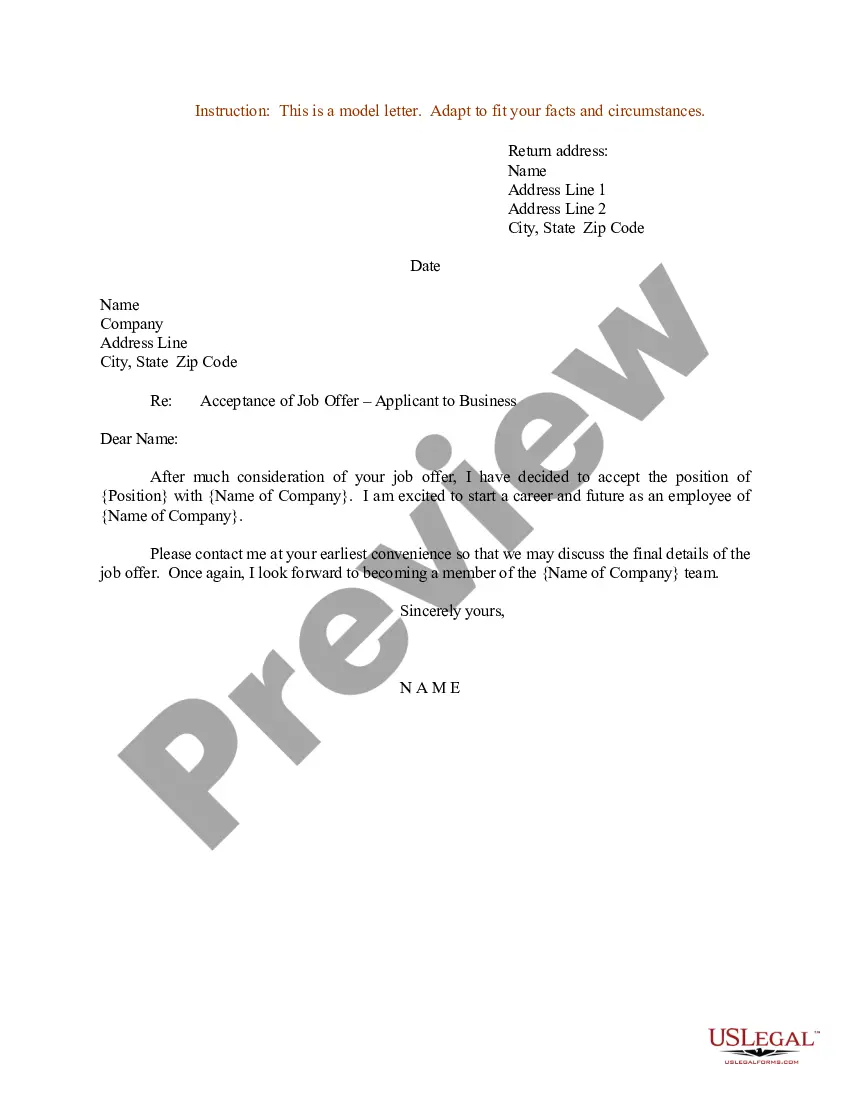
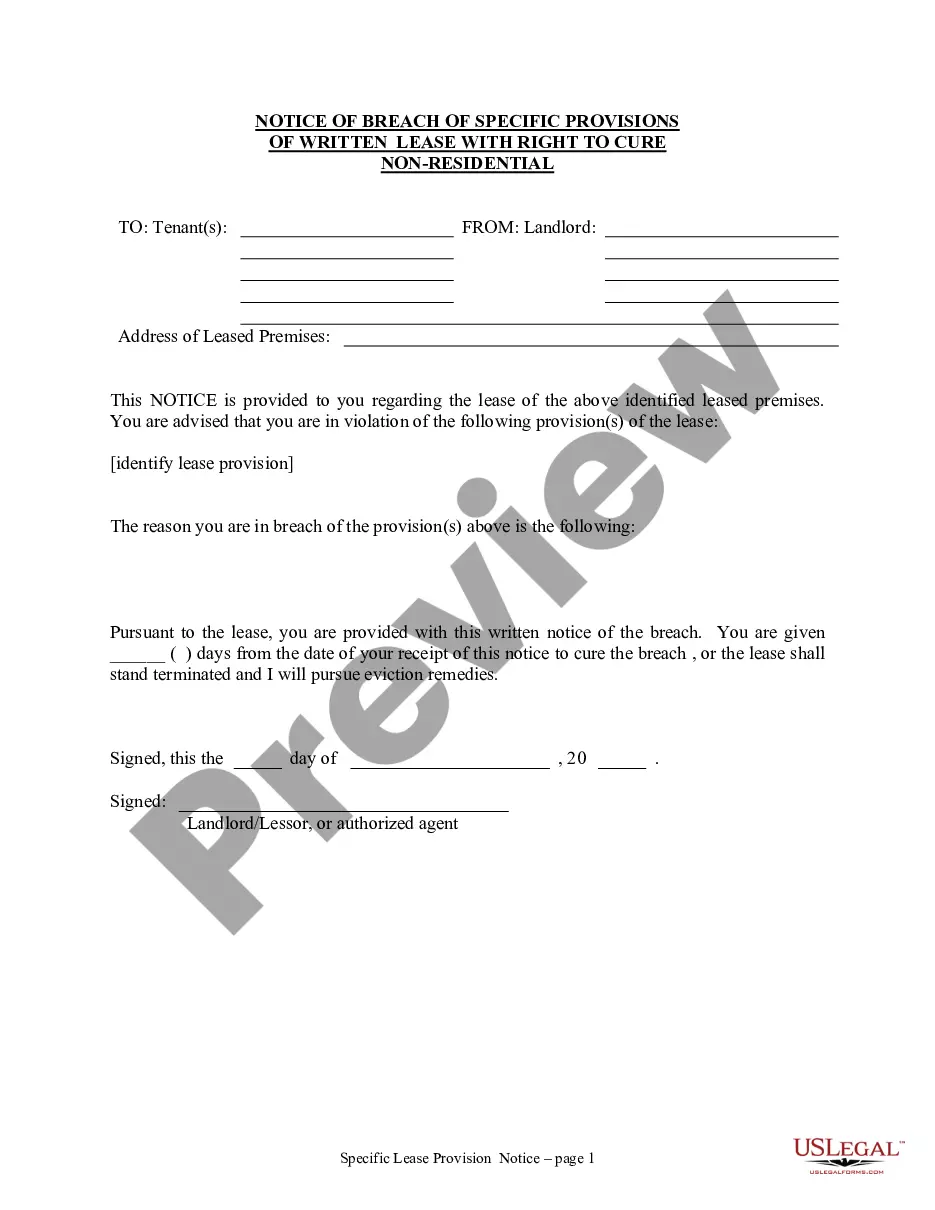
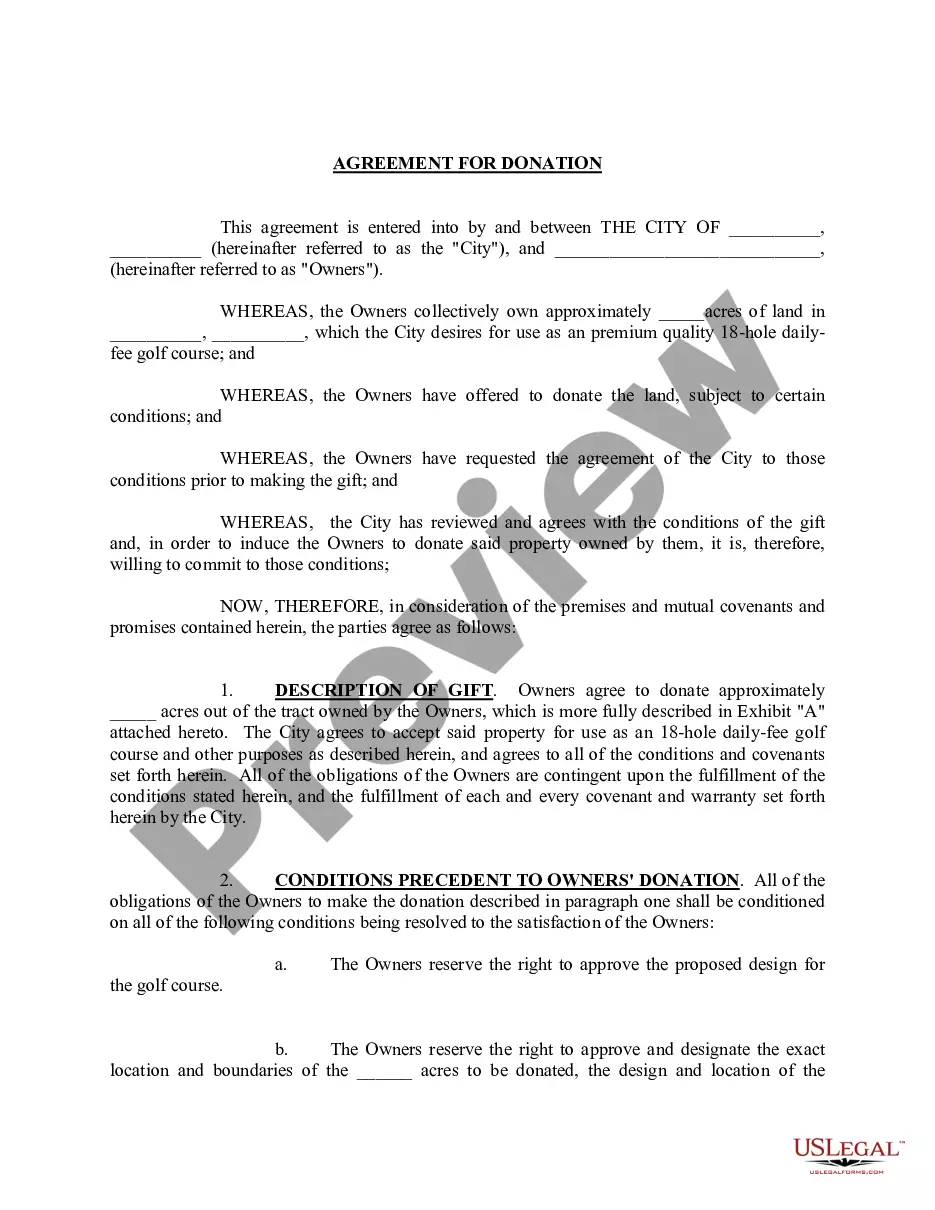
Looking for another form?







Form popularity
FAQ
Specifically, a rumored $16,728 bonus that had people wondering if it was true or not in 2024? Sadly, there's no real “bonus” that retirees who receive Social Security can collect.
7 Mistakes That Can Mess Up Your Social Security Benefits Claiming Benefits Too Early. Overlooking the Earnings Limit. Misunderstanding Spousal and Survivor Benefits. Failing to Review Your Earnings Record. Overlooking the Tax Implications of Benefits. Misjudging the Impact of Medicare Premiums. Ignoring the Impact of Divorce.
If you claim your regular Social Security benefit before your higher-earning spouse does, you have the option of switching to spousal benefits at a later date when (or after) your spouse decides to file.
What you may not realize is that your spouse may also be able to receive Social Security benefits. In fact, they don't even have to have reached retirement age to qualify for these benefits. They may be eligible, through this loophole, if they are serving as a caregiver at home for your child with disabilities.
In addition, to be eligible for spouse's benefits, you must be one of the following: 62 years of age or older. Any age if you have a child who is younger than 16 in your care or has a disability and is entitled to benefits on your spouse's record.
If you are retired you can get your own social security benefits. You cannot get your parent's benefits. When one parents dies, the other parent gets their SS and when the last parent dies, then nobody gets their SS.
