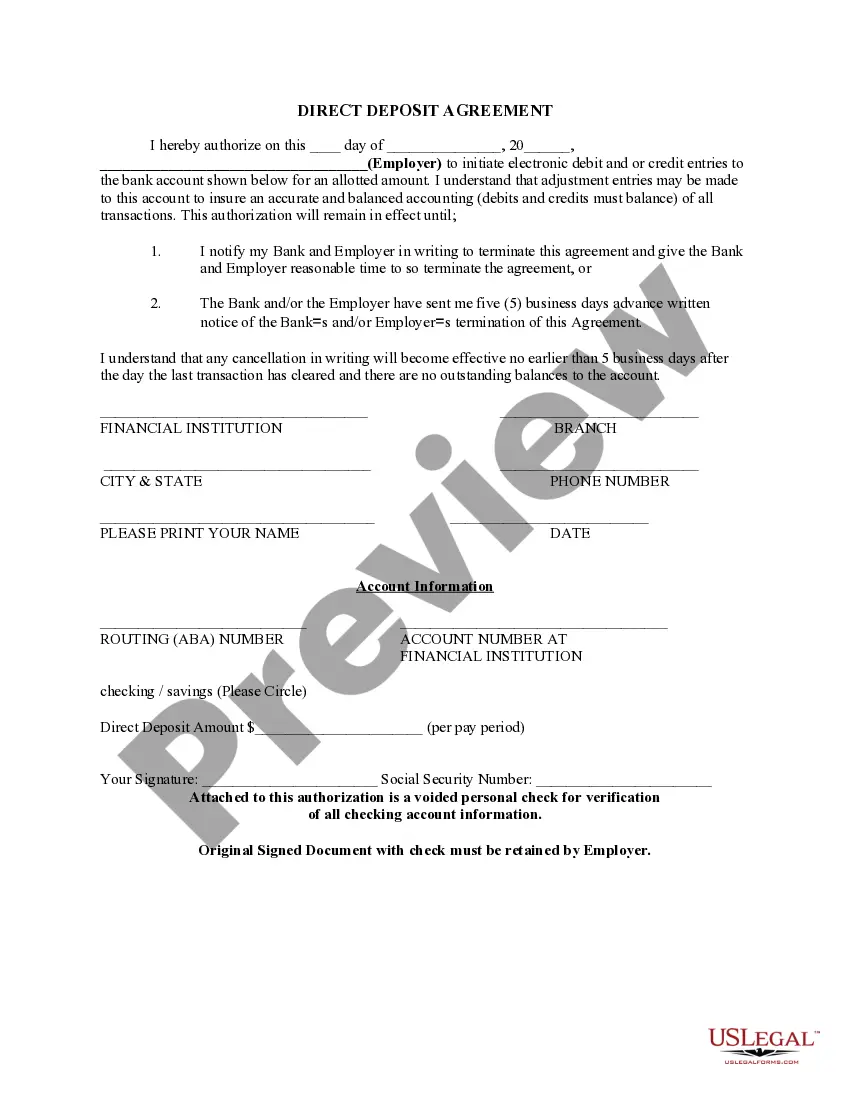
Caregiver Form Sample With Time In Allegheny
Description



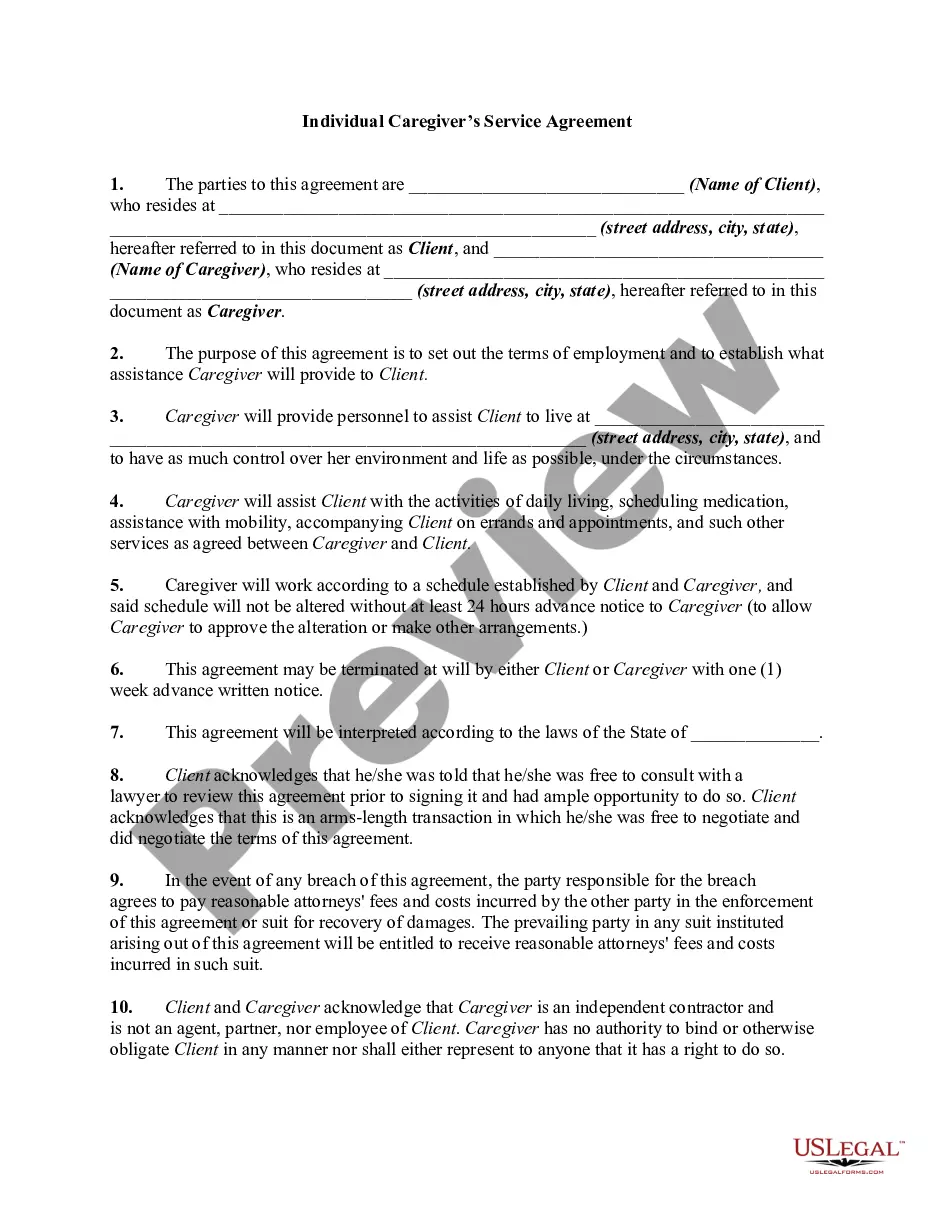


Get your form ready online
Our built-in tools help you complete, sign, share, and store your documents in one place.
Make edits, fill in missing information, and update formatting in US Legal Forms—just like you would in MS Word.
Download a copy, print it, send it by email, or mail it via USPS—whatever works best for your next step.
Sign and collect signatures with our SignNow integration. Send to multiple recipients, set reminders, and more. Go Premium to unlock E-Sign.
If this form requires notarization, complete it online through a secure video call—no need to meet a notary in person or wait for an appointment.
We protect your documents and personal data by following strict security and privacy standards.

Make edits, fill in missing information, and update formatting in US Legal Forms—just like you would in MS Word.

Download a copy, print it, send it by email, or mail it via USPS—whatever works best for your next step.

Sign and collect signatures with our SignNow integration. Send to multiple recipients, set reminders, and more. Go Premium to unlock E-Sign.

If this form requires notarization, complete it online through a secure video call—no need to meet a notary in person or wait for an appointment.

We protect your documents and personal data by following strict security and privacy standards.
Looking for another form?







Form popularity
FAQ
Self-Care for Caregivers Take time for yourself and your own needs. Eat a well-balanced diet. Exercise by taking short walks daily or at least three times a week. Listen to guided relaxation recordings or relaxing music. Schedule short rest periods between activities. Set limits for what you can do.
He is a caregiver for his autistic son. She is able to take care of her husband at home with the help of several caregivers. Unless you have been a caregiver or a close family member or friend to someone with Alzheimer's, it's hard to really understand what it's like.
A person who gives care to people who need help taking care of themselves. Examples include children, the elderly, or patients who have chronic illnesses or are disabled. Caregivers may be health professionals, family members, friends, social workers, or members of the clergy.
Set Priorities. The first step to effective time management is setting priorities. Caregivers often have a lot on their plates, so it's important to identify the most important tasks and focus on those first. Make a to-do list each day and prioritize tasks based on urgency and importance.
A caregiver provides assistance in meeting the daily needs of another person. Responsibilities may range from bathing, dressing, feeding, transportation, grocery shopping, housework, managing incontinence, assisting with mobility, preparing meals, dispensing medicines, and communicating with medical staff.
Here are the most widely seen 4 types of caregivers: Professional caregivers. Those who are trained, certified, and employed to provide care services are known as professional caregivers. Family caregivers. Volunteer caregivers. Informal caregivers.
The certification and caregiver training requirements for different caregiving positions in Pennsylvania are as follows: Personal Aide/Caregiver: An in-home caregiver in Pennsylvania is required to complete an 8 hour course and pass an exam to become a certified caregiver.
Here are the most widely seen 4 types of caregivers: Professional caregivers. Those who are trained, certified, and employed to provide care services are known as professional caregivers. Family caregivers. Volunteer caregivers. Informal caregivers.
The Pennsylvania Caregiver Support Program helps people who take care of others. It offers resources and support to make caregiving easier and to keep a good relationship with the person being cared for. The program aims to reduce caregiver stress by focusing on the caregiver's well-being.