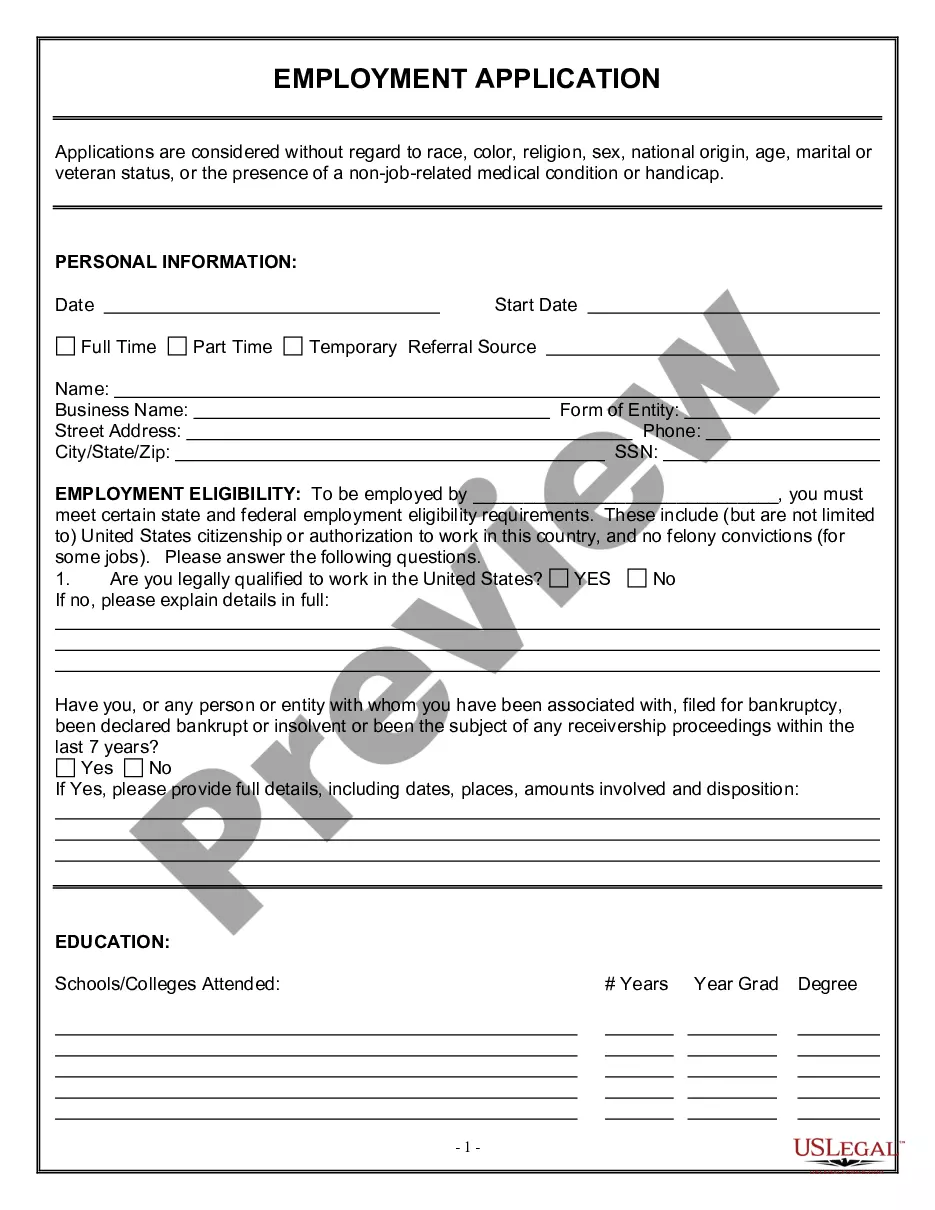
Release Of Information Form Mn In Philadelphia
Description
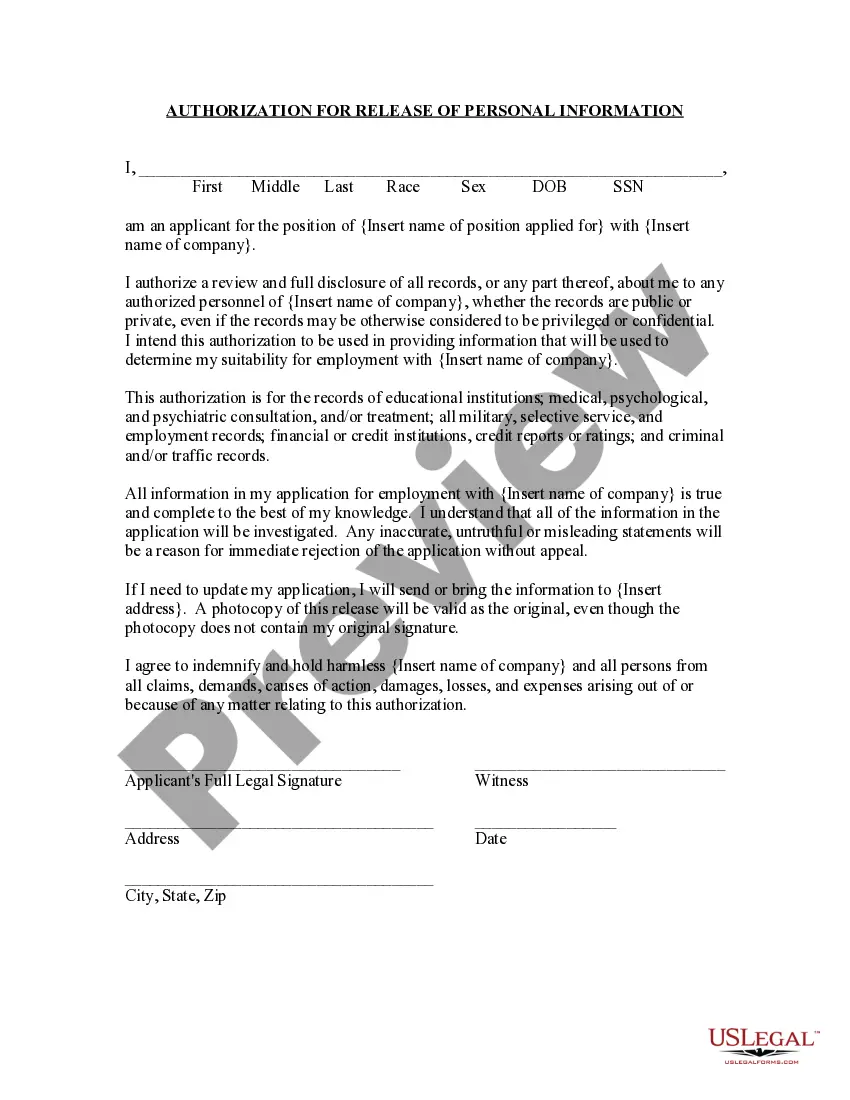
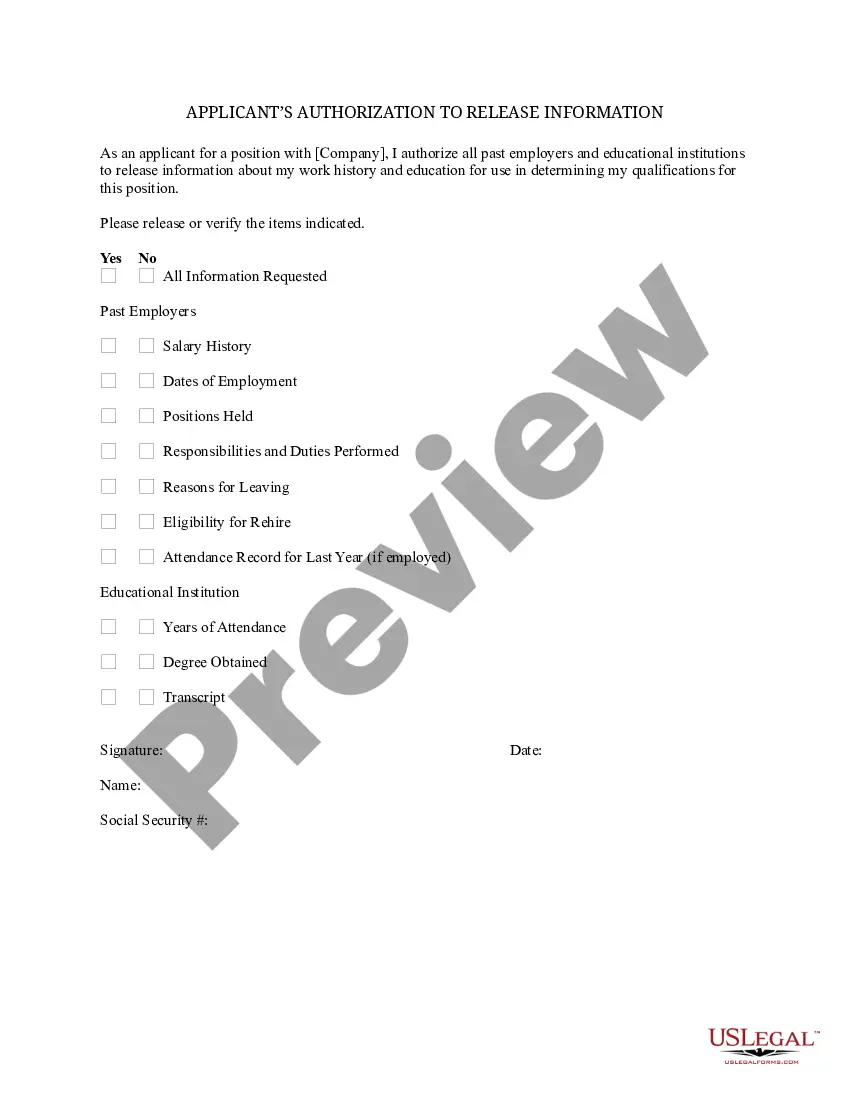
Get your form ready online
Our built-in tools help you complete, sign, share, and store your documents in one place.
Make edits, fill in missing information, and update formatting in US Legal Forms—just like you would in MS Word.
Download a copy, print it, send it by email, or mail it via USPS—whatever works best for your next step.
Sign and collect signatures with our SignNow integration. Send to multiple recipients, set reminders, and more. Go Premium to unlock E-Sign.
If this form requires notarization, complete it online through a secure video call—no need to meet a notary in person or wait for an appointment.
We protect your documents and personal data by following strict security and privacy standards.

Make edits, fill in missing information, and update formatting in US Legal Forms—just like you would in MS Word.

Download a copy, print it, send it by email, or mail it via USPS—whatever works best for your next step.

Sign and collect signatures with our SignNow integration. Send to multiple recipients, set reminders, and more. Go Premium to unlock E-Sign.

If this form requires notarization, complete it online through a secure video call—no need to meet a notary in person or wait for an appointment.

We protect your documents and personal data by following strict security and privacy standards.
Looking for another form?



Form popularity
FAQ
In Pennsylvania, physicians must retain an adult patient's medical records for at least seven years from the last date of service. Requirements differ slightly for minor patients.
Contact the state department of health: Reach out to the Pennsylvania Department of Health by calling 877.774. 4748 or emailing pasiis@state.pa. Any records for vaccines given in Philadelphia must be obtained by contacting 215.685.
To obtain a copy of your medical record in Pennsylvania, start by asking your healthcare provider about their specific procedure. In most cases, you'll need to fill out a form and then make a request in writing.
You do not automatically have the right to get a deceased person's medical records, even if you are a close relative of theirs.
You may be able to request your record through your provider's patient portal. You may have to fill out a form — called a health or medical record release form, or request for access—send an email, or mail or fax a letter to your provider.
The patient may enter a date range of information to be shared. If no expiration date is specified, this authorization is good for 12 months from the date signed in Section IX.
1. A description of the information to be used or disclosed that identifies the information in a specific and meaningful fashion. 2. The name or other specific identification of the person or class of persons, authorized to make the requested use or disclosure.
An authorization document must include all of the following: Description of information to be use or disclose, identification of person authorized to use or disclose information, name of person(s) or group to whom PHI may be given, purpose of use or disclosure, expiration date, valid signature and date.
A HIPAA release form is a document that – when signed – allows healthcare providers to share a patient's protected health information (PHI) with specified individuals or organizations, ing to the details stipulated in the form.
The exact requirements to obtain authorization differ, depending on the type of undertaking. Most of the overlapping requirements can be grouped as follows: Integrity and suitability requirements – Managing directors and supervisory board members of financial institutions must be trustworthy and suitable.