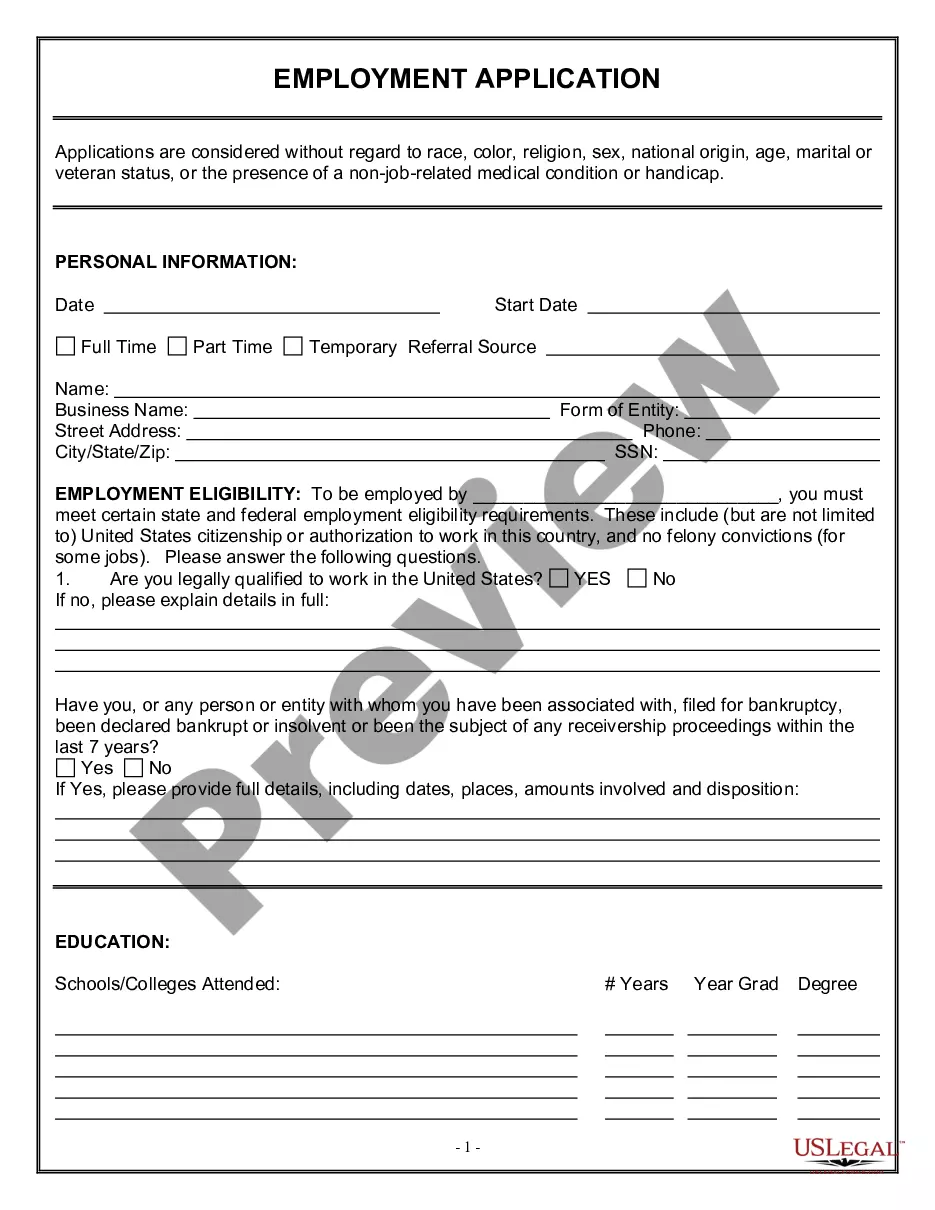
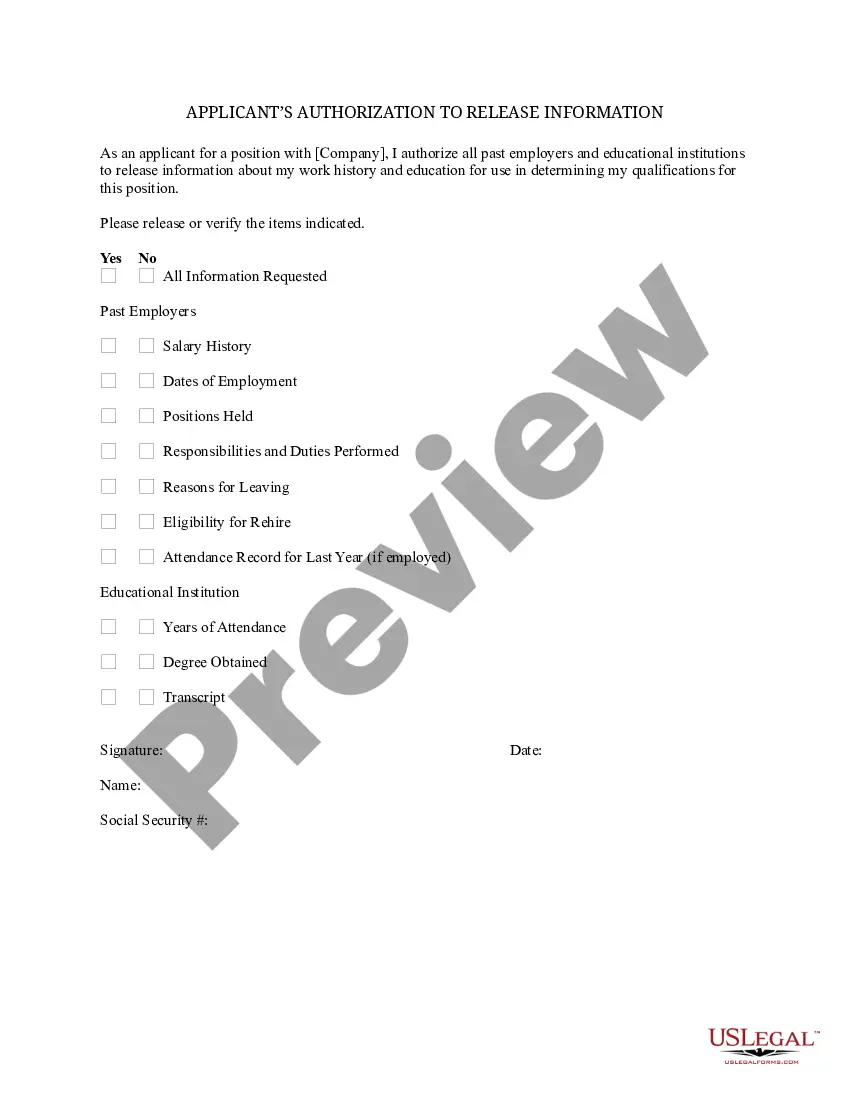
Employee Consent Form Personal Information In Pennsylvania
Description
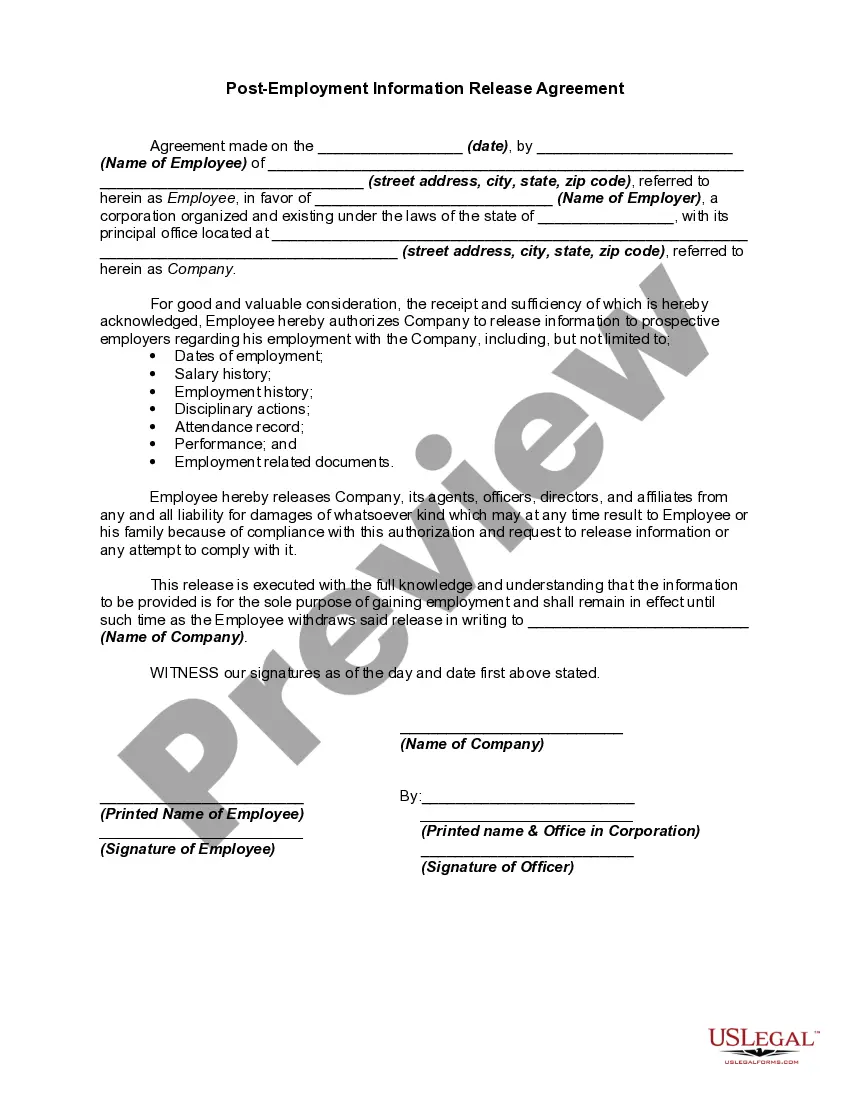
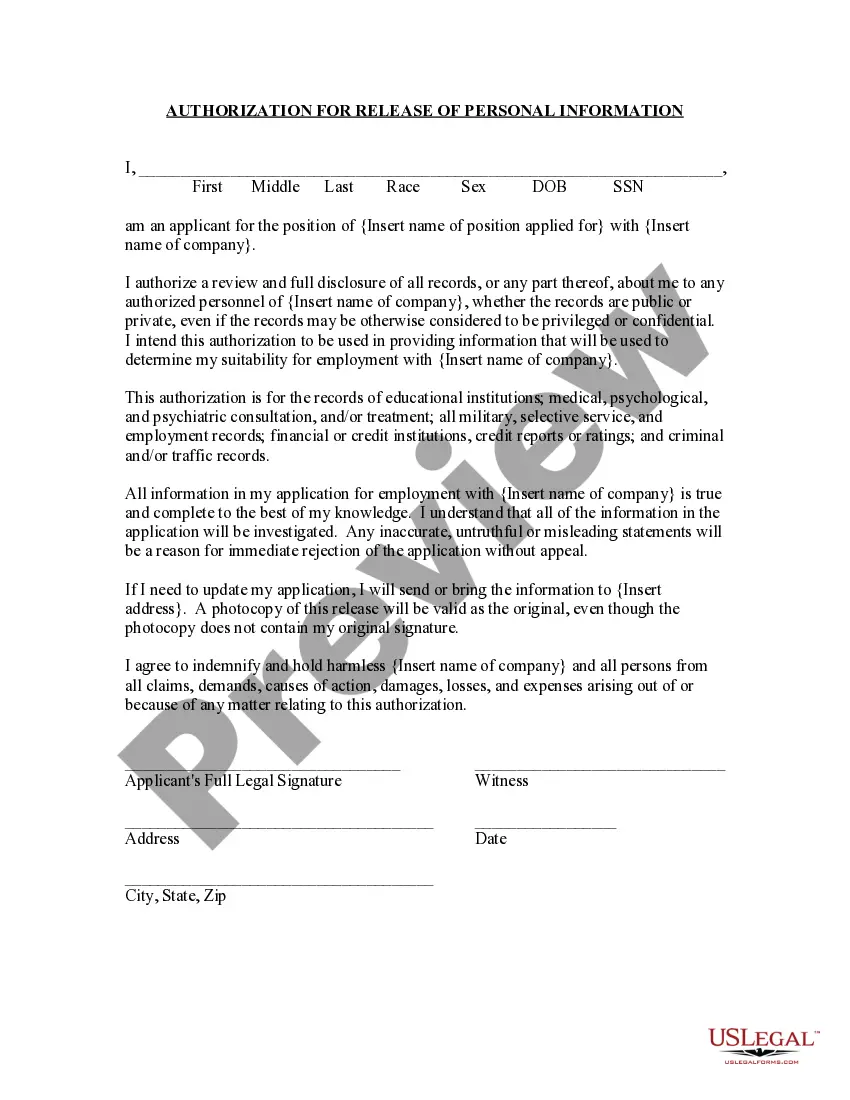
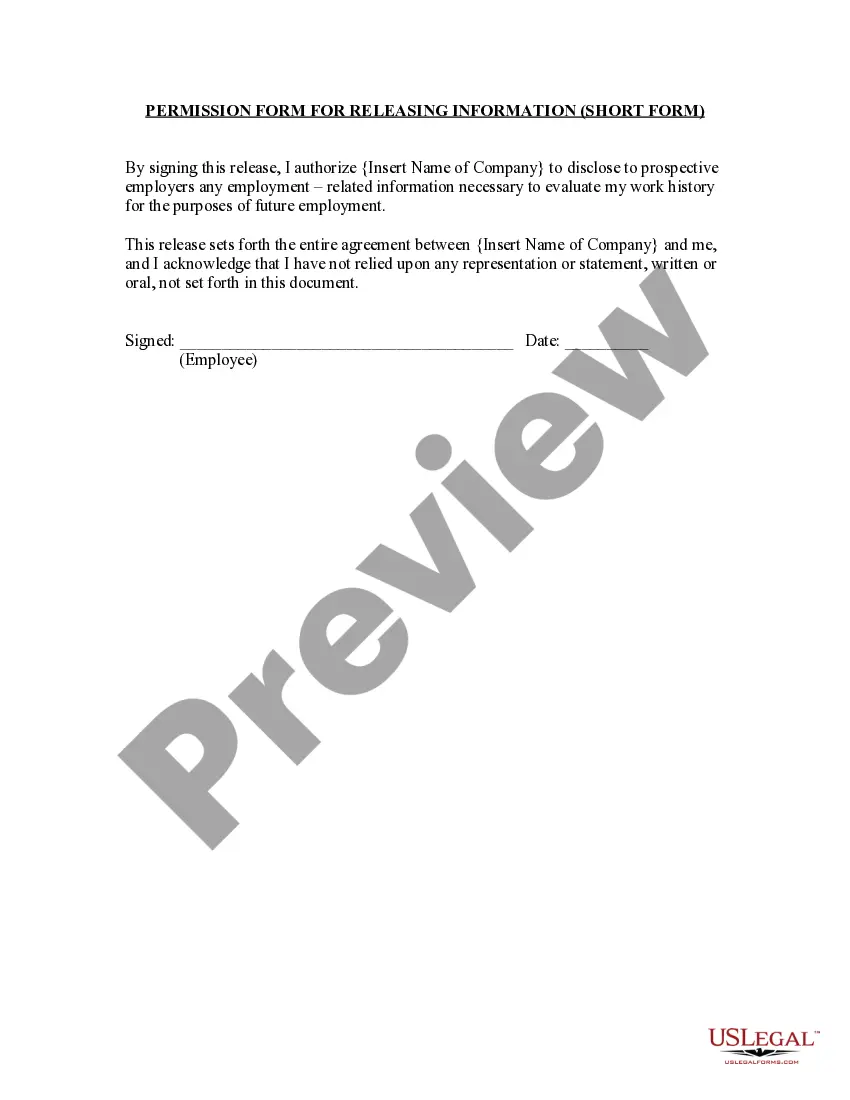
Get your form ready online
Our built-in tools help you complete, sign, share, and store your documents in one place.
Make edits, fill in missing information, and update formatting in US Legal Forms—just like you would in MS Word.
Download a copy, print it, send it by email, or mail it via USPS—whatever works best for your next step.
Sign and collect signatures with our SignNow integration. Send to multiple recipients, set reminders, and more. Go Premium to unlock E-Sign.
If this form requires notarization, complete it online through a secure video call—no need to meet a notary in person or wait for an appointment.
We protect your documents and personal data by following strict security and privacy standards.

Make edits, fill in missing information, and update formatting in US Legal Forms—just like you would in MS Word.

Download a copy, print it, send it by email, or mail it via USPS—whatever works best for your next step.

Sign and collect signatures with our SignNow integration. Send to multiple recipients, set reminders, and more. Go Premium to unlock E-Sign.

If this form requires notarization, complete it online through a secure video call—no need to meet a notary in person or wait for an appointment.

We protect your documents and personal data by following strict security and privacy standards.
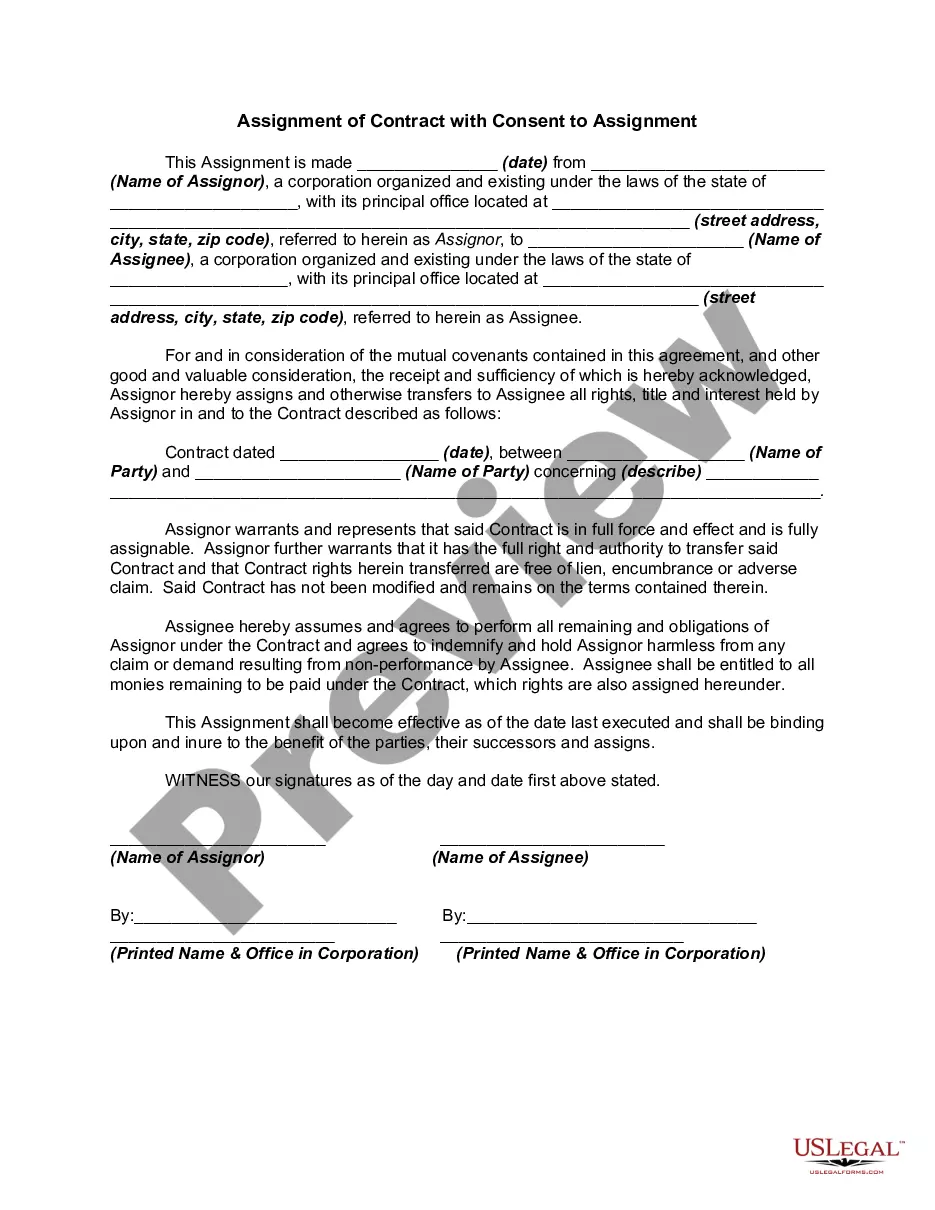
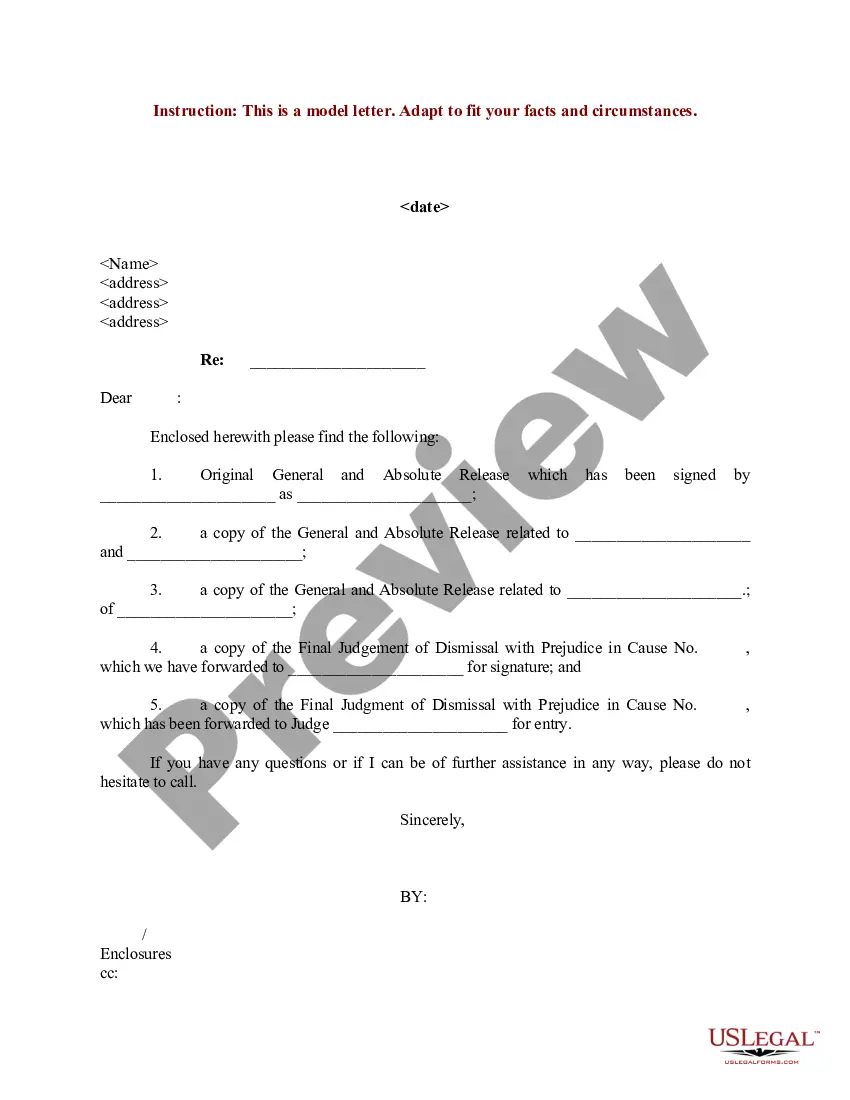
Looking for another form?








Form popularity
FAQ
(b) Informed consent. (1) Licensees shall inform clients/patients in writing of: (i) The purpose of the services being provided. (ii) Risks and limits related to the services that are known to the licensee.
Under the Pennsylvania Personnel Files Act, 43 P.S. §§ 1321 – 1324, Pennsylvania workers have the right to view files held by their employers that contains information about themselves.
The Department of Labor and Industry, through the Bureau of Labor Law Compliance, administers the Inspection of Employment Records Law (Act of 1978, No. 286), which authorizes an employee to inspect certain information from their own personnel files maintained by an employer.
The Pennsylvania's Personnel File Inspection Act, 43 P.S. §1332, grants employees the right to inspect only certain portions of their employment records.
Public Employee Relations Act of 1970 (Act 195): Establishes the rights of public employees to organize and bargain collectively through selected representatives. Sets policy and procedures for arbitration and collective bargaining.
Pennsylvania New Hire Paperwork I-9 form for employee eligibility requirements. W-4 form for federal tax reporting. Pennsylvania New Hire Reporting form. Disability Self-Identification (required for companies doing business with the government) PA New Hire Reporting Form.
The Personnel File Inspection Act provides that an employer shall, at reasonable times, upon an employee's request, permit the employee to inspect the employee's personnel file used to determine qualifications for employment, promotion, additional compensation, termination or disciplinary action.
In short, without explicit consent from all the participants, an audio recording is illegal. This is true whether the conversation is captured on surveillance video, a tape recorder, or a smartphone app.
Illegally recording an in-person, telephone or electronic communication is a felony offense, punishable by up to seven years in prison and up to a $15,000 fine. 18 Pa. Cons. Stat.
In an all-party consent state, this means that you must have explicit permission to record someone during a private conversation. Pennsylvania falls under this category.