Release Of Information Form Pdf In Ohio
Description
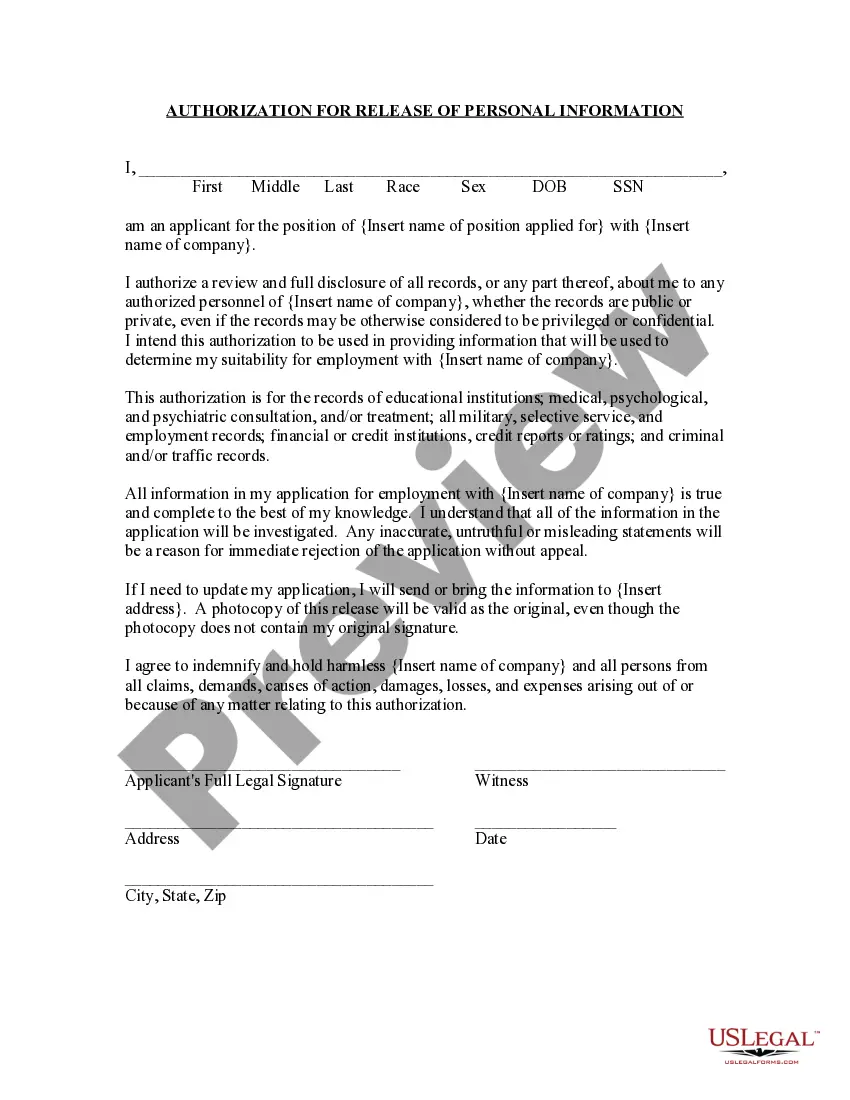
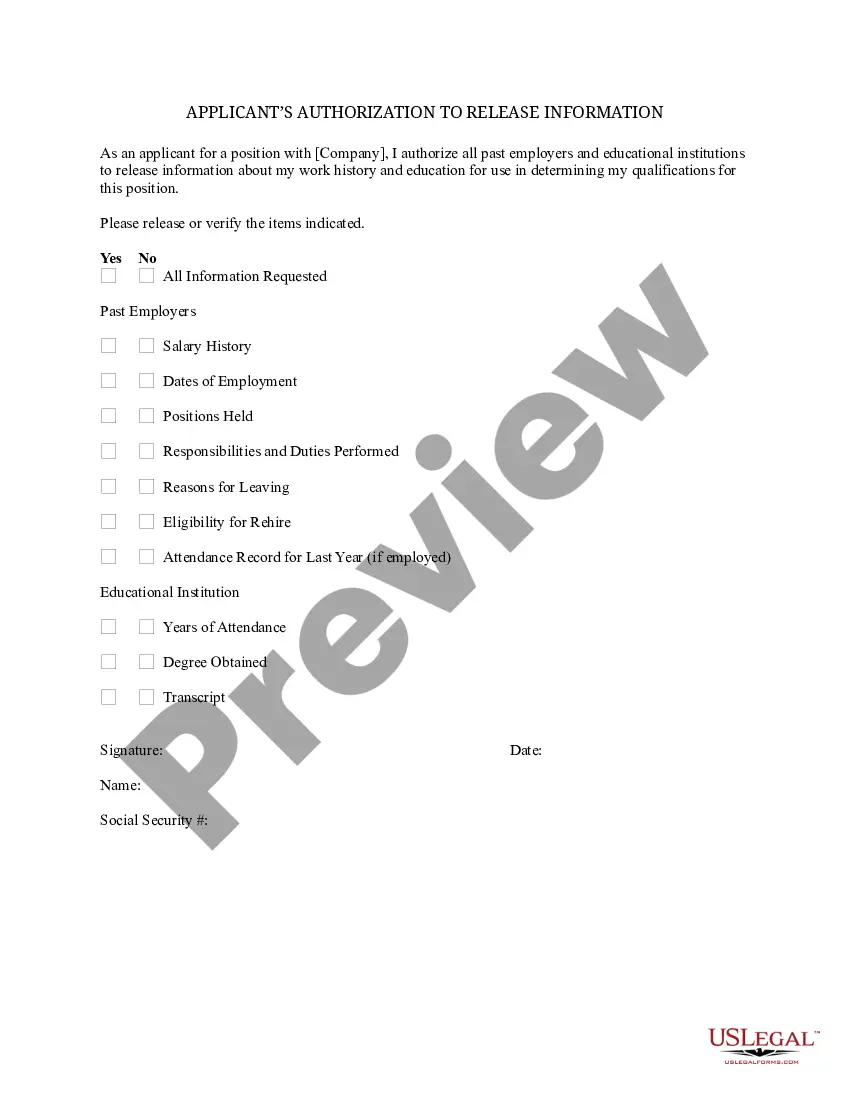
Get your form ready online
Our built-in tools help you complete, sign, share, and store your documents in one place.
Make edits, fill in missing information, and update formatting in US Legal Forms—just like you would in MS Word.
Download a copy, print it, send it by email, or mail it via USPS—whatever works best for your next step.
Sign and collect signatures with our SignNow integration. Send to multiple recipients, set reminders, and more. Go Premium to unlock E-Sign.
If this form requires notarization, complete it online through a secure video call—no need to meet a notary in person or wait for an appointment.
We protect your documents and personal data by following strict security and privacy standards.

Make edits, fill in missing information, and update formatting in US Legal Forms—just like you would in MS Word.

Download a copy, print it, send it by email, or mail it via USPS—whatever works best for your next step.

Sign and collect signatures with our SignNow integration. Send to multiple recipients, set reminders, and more. Go Premium to unlock E-Sign.

If this form requires notarization, complete it online through a secure video call—no need to meet a notary in person or wait for an appointment.

We protect your documents and personal data by following strict security and privacy standards.
Looking for another form?


Form popularity
FAQ
Retention of Medical Records Most states, including Ohio, do not have specific laws mandating the minimum record retention period for patient medical records. However, HIPAA and the Ohio Medicaid rules mandates the retention of records for a period of at least six (6) years after payment of the claim to the provider.
(A) No person, by deception, shall cause another to execute any writing that disposes of or encumbers property, or by which a pecuniary obligation is incurred. (B)(1) Whoever violates this section is guilty of securing writings by deception.
Option 1: Request medical records online (eRequest) through HealthMark. Request fulfilled in approximately 3 days. Option 2: Submit a written request: Step 1: Fill out Authorization – Release of Information form.
Section 121.22 | Public meetings - exceptions. (A) This section shall be liberally construed to require public officials to take official action and to conduct all deliberations upon official business only in open meetings unless the subject matter is specifically excepted by law.
With limited exceptions, the HIPAA Privacy Rule (the Privacy Rule) provides individuals with a legal, enforceable right to see and receive copies upon request of the information in their medical and other health records maintained by their health care providers and health plans.
Rule 5122-27-06 | Release of information. (A) Each request for information regarding a current or previous client shall be accompanied by an authorization for release of information, except as specified in sections 5119.27, 5119.28, and 5122.31 of the Revised Code.
A physician who treated a patient should not refuse for any reason to make records of that patient promptly available on request to another physician presently treating the patient, or, except in limited circumstances, refuse to make them available to the patient or a patient's representative (not an insurer).
The Health Insurance Portability and Accountability Act (HIPAA) of 1996 is a federal law impacting both consumers and providers of health care services. It does the following: specifies the types of measures required to protect the security and privacy of personally identifiable health care information.
compliant HIPAA release form must, at the very least, contain the following information: A description of the information that will be used/disclosed. The purpose for which the information will be disclosed. The name of the person or entity to whom the information will be disclosed.
