Release Of Information Form In Nevada
Description
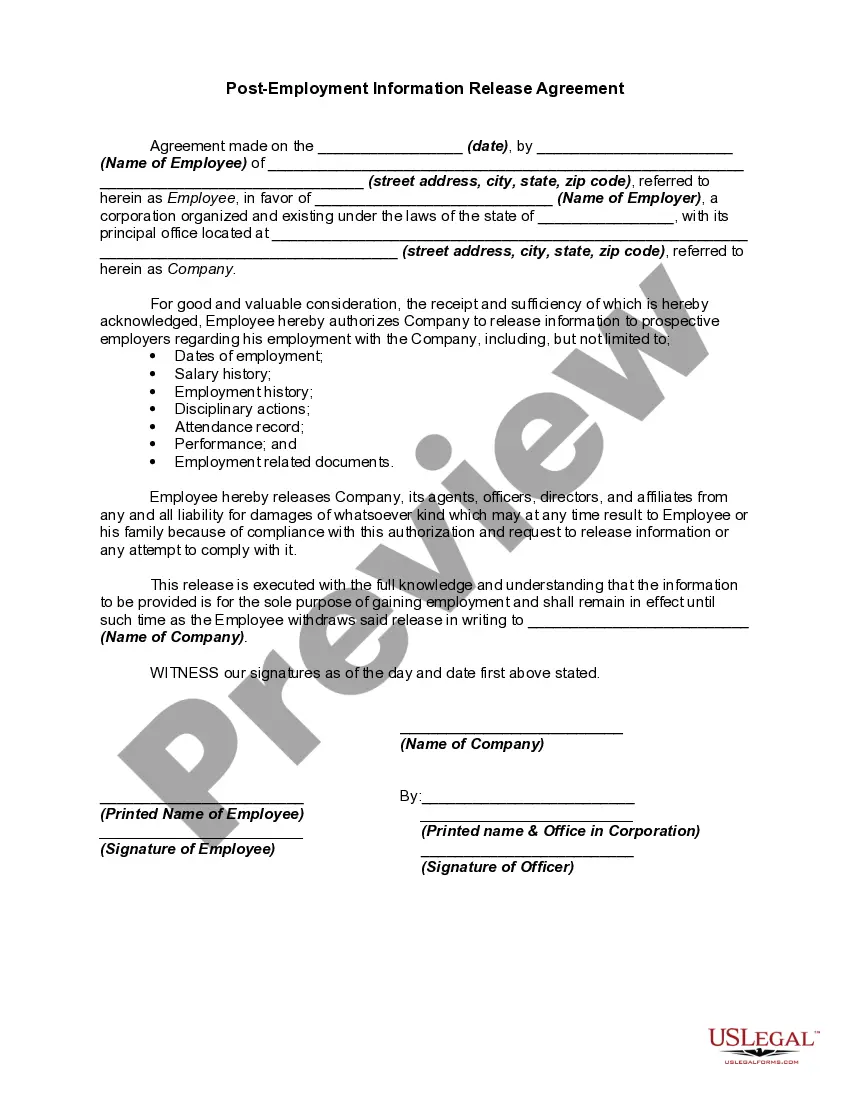
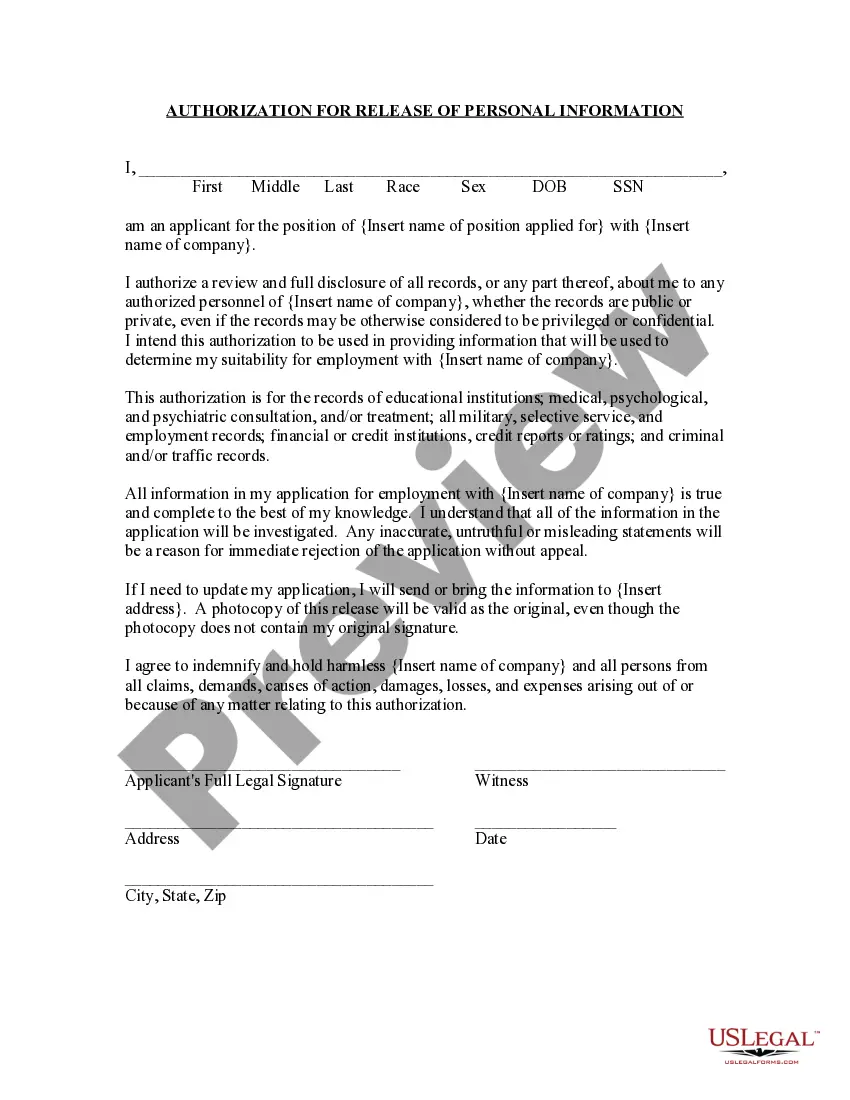
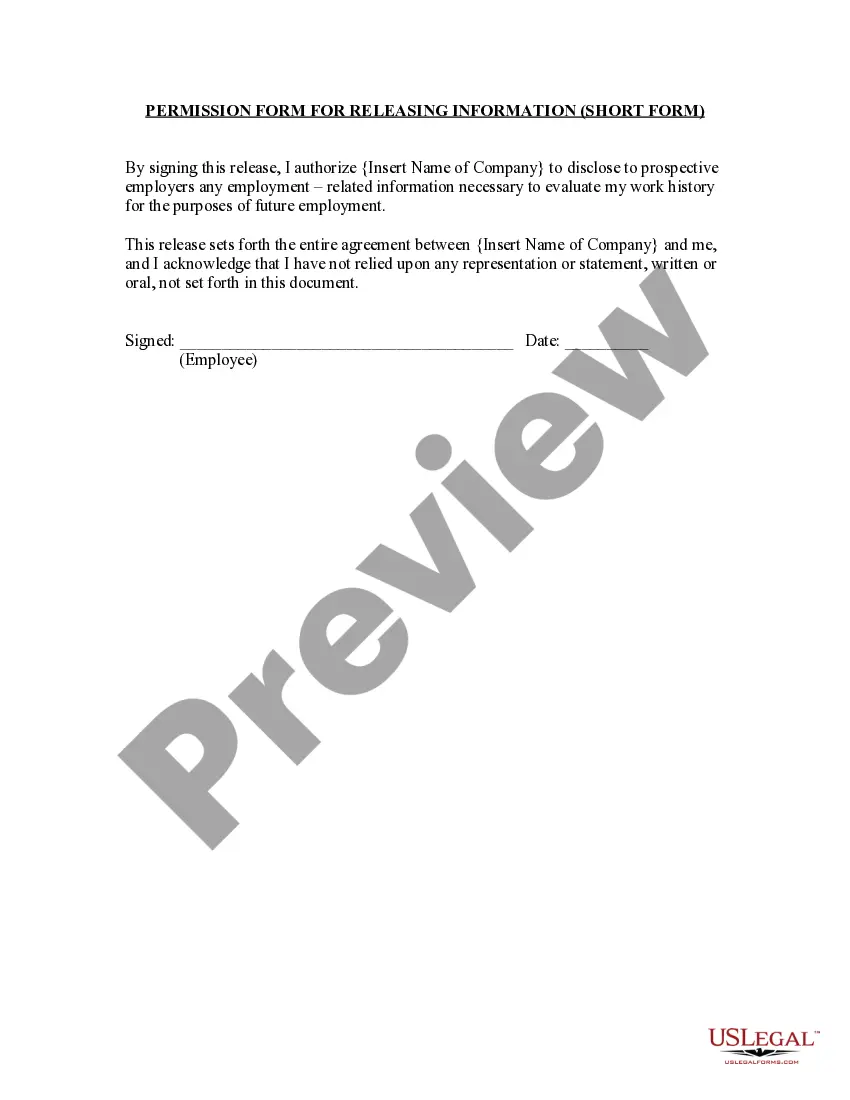
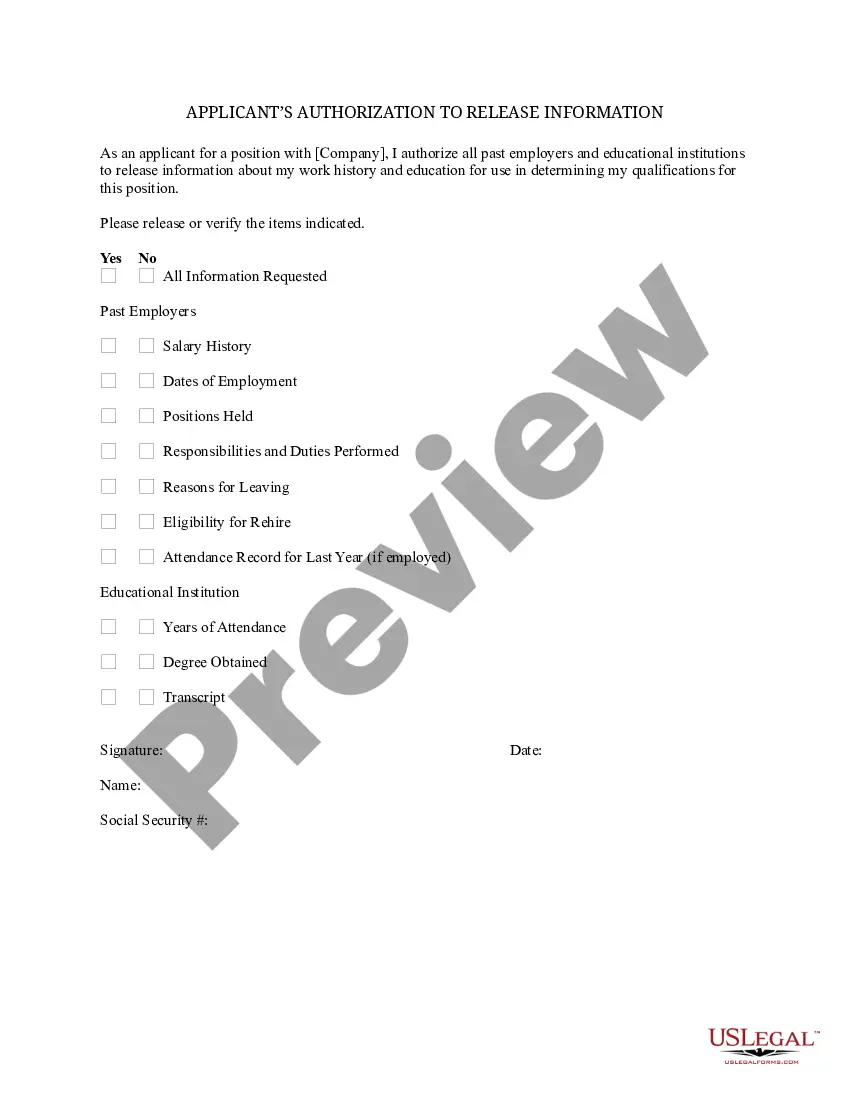
Get your form ready online
Our built-in tools help you complete, sign, share, and store your documents in one place.
Make edits, fill in missing information, and update formatting in US Legal Forms—just like you would in MS Word.
Download a copy, print it, send it by email, or mail it via USPS—whatever works best for your next step.
Sign and collect signatures with our SignNow integration. Send to multiple recipients, set reminders, and more. Go Premium to unlock E-Sign.
If this form requires notarization, complete it online through a secure video call—no need to meet a notary in person or wait for an appointment.
We protect your documents and personal data by following strict security and privacy standards.

Make edits, fill in missing information, and update formatting in US Legal Forms—just like you would in MS Word.

Download a copy, print it, send it by email, or mail it via USPS—whatever works best for your next step.

Sign and collect signatures with our SignNow integration. Send to multiple recipients, set reminders, and more. Go Premium to unlock E-Sign.

If this form requires notarization, complete it online through a secure video call—no need to meet a notary in person or wait for an appointment.

We protect your documents and personal data by following strict security and privacy standards.
Looking for another form?




Form popularity
FAQ
Nevada Public Records Act The Nevada Open Records Act is a series of laws designed to guarantee that the public has access to public records of government bodies at all levels. Public records includes all books and records of all government entities.
If unsuccessful, contact the State at: izit@health.nv or (775) 684-5954. Once you have spoken with someone at the State you will be able to download your records immediately via the State of Nevada's WebIZ Public Access Portal.
Rule 1.6. Confidentiality of Information. (a) A lawyer shall not reveal information relating to representation of a client unless the client gives informed consent, the disclosure is impliedly authorized in order to carry out the representation, or the disclosure is permitted by paragraphs (b) and (d).
There are a few exceptions to breaking confidentiality that we will outline here. Information from a therapy session may be shared if the therapist believes that: A client is showing a level of self-harm that indicates a serious risk of suicide. Their client shows the intention of serious harm toward another person.
NRS 49.095 General rule of privilege. A client has a privilege to refuse to disclose, and to prevent any other person from disclosing, confidential communications: 1. Between the client or the client's representative and the client's lawyer or the representative of the client's lawyer.
3 Fillable. Page 1. EMPLOYER'S REPORT OF INDUSTRIAL INJURY. OR OUPATIONAL DISEASE.
A client has a privilege to refuse to disclose, and to prevent any other person from disclosing, confidential communications among the client, the client's clinical professional counselor or any other person who is participating in the diagnosis or treatment under the direction of the clinical professional counselor.
There are specific limits to confidentiality, such as situations where disclosure is required by law, for example, in cases of suspected child abuse or when a client poses a risk to themselves or others. Health professionals must be aware of these exceptions to maintain compliance with privacy legislation.
There is a right of publicity in the name, voice, signature, photograph or likeness of every person. The right endures for a term consisting of the life of the person and 50 years after his or her death, regardless of whether the person commercially exploits the right during his or her lifetime.
Nevada Public Records Act The Nevada Open Records Act is a series of laws designed to guarantee that the public has access to public records of government bodies at all levels. Public records includes all books and records of all government entities.

