Employment Authorization With Daca In Montgomery
Description
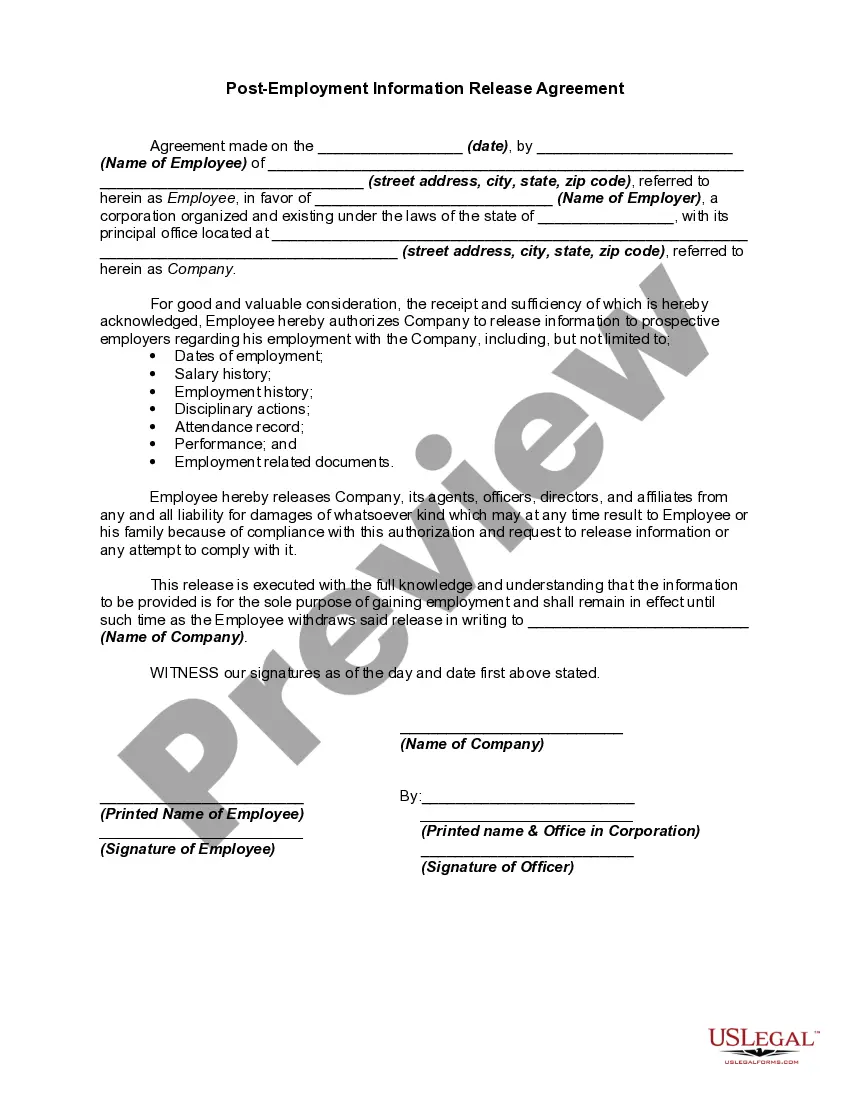
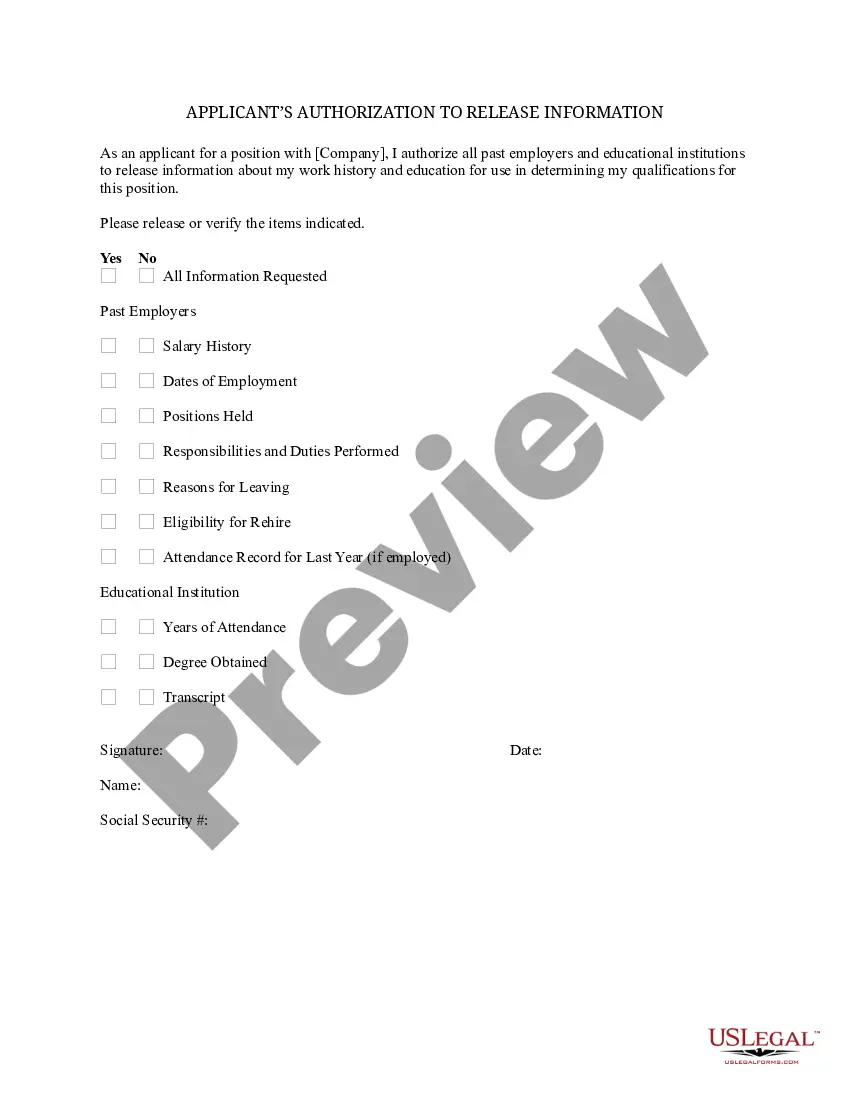
Get your form ready online
Our built-in tools help you complete, sign, share, and store your documents in one place.
Make edits, fill in missing information, and update formatting in US Legal Forms—just like you would in MS Word.
Download a copy, print it, send it by email, or mail it via USPS—whatever works best for your next step.
Sign and collect signatures with our SignNow integration. Send to multiple recipients, set reminders, and more. Go Premium to unlock E-Sign.
If this form requires notarization, complete it online through a secure video call—no need to meet a notary in person or wait for an appointment.
We protect your documents and personal data by following strict security and privacy standards.

Make edits, fill in missing information, and update formatting in US Legal Forms—just like you would in MS Word.

Download a copy, print it, send it by email, or mail it via USPS—whatever works best for your next step.

Sign and collect signatures with our SignNow integration. Send to multiple recipients, set reminders, and more. Go Premium to unlock E-Sign.

If this form requires notarization, complete it online through a secure video call—no need to meet a notary in person or wait for an appointment.

We protect your documents and personal data by following strict security and privacy standards.
Looking for another form?









Form popularity
FAQ
The spouse files Form I-130, Petition for Alien Relative, and the DACA recipient can file Form I-485, Application to Register Permanent Residence or Adjust Status, concurrently. If the DACA recipient did not enter the U.S. lawfully, they may need to leave the U.S. to apply for a green card through consular processing.
With DACA (Deferred Action for Childhood Arrivals), you are able to get a two-year employment authorization document (EAD) and legally work without sponsorship. TPS (Temporary Protected Status) recipients can also get an EAD.
One of the main benefits of the Deferred Action for Childhood Arrivals program (DACA) is the work permit that comes with it. Your employer cannot discriminate against you because you are working under DACA protection.
On January 17, 2025, the Fifth Circuit Court of Appeals agreed with Judge Hanen. The Fifth Circuit affirmed the district court's finding that part of the DACA regulation violates U.S. immigration laws by giving DACA recipients benefits not authorized by law.
DACA recipients who entered the country lawfully can apply for adjustment of status by filing Form I-485. They must have been inspected and admitted by a CBP officer and be married to a USC. Those married to an LPR cannot file for adjustment, irrespective of whether they have a lawful entry.
What happened: On January 17th, 2025 the 5th Circuit Court once again ruled against DACA, but kept renewals open–for now. This ruling is part of ongoing, deliberate attacks to undermine immigrant communities, limit opportunities, and enable mass deportation.
If you are currently a DACA (Deferred Action for Childhood Arrivals) recipient and are married to a U.S. citizen or green card holder, you may be eligible for a marriage-based green card of your own. This guide can help you understand your options, based on the most common situations.
In ance with this decision, USCIS will continue to accept and process DACA renewal requests and accompanying applications for employment authorization under the DACA regulations at 8 CFR 236.22 and 236.23, as it has since October 31, 2022.
As of April 12, 2022 The U.S. Citizenship and Immigration Services (USCIS) announced that Deferred Action for Childhood Arrivals (DACA) renewals can now be filed online. Renewing your DACA by yourself can seem like a daunting task.
Form I-765 is the physical document. Form I-766 is an EAD card, which you can keep in your wallet. Both Form I-766 and I-765 are valid EADs. You actually use Form I-765 to apply for your Form 1-766 card.

