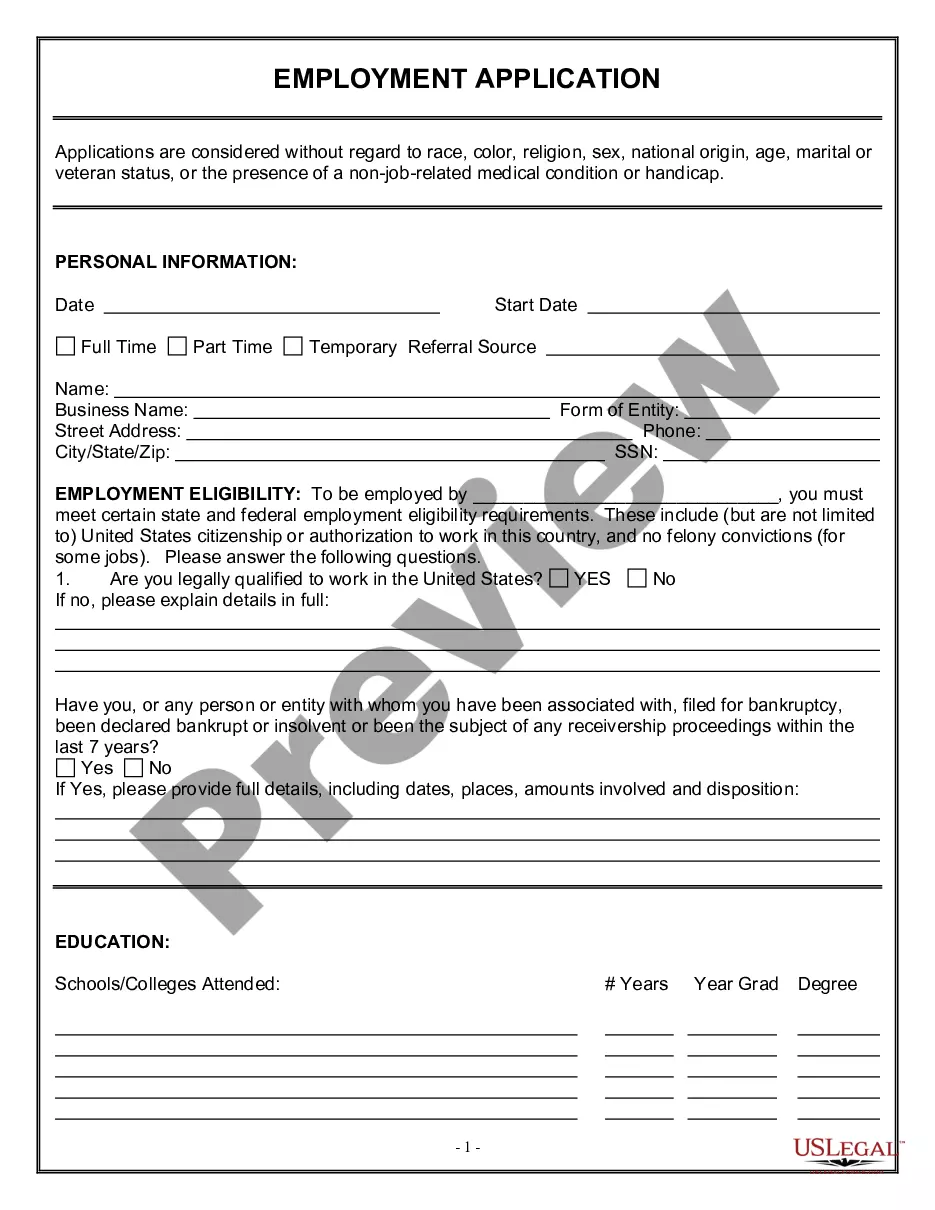
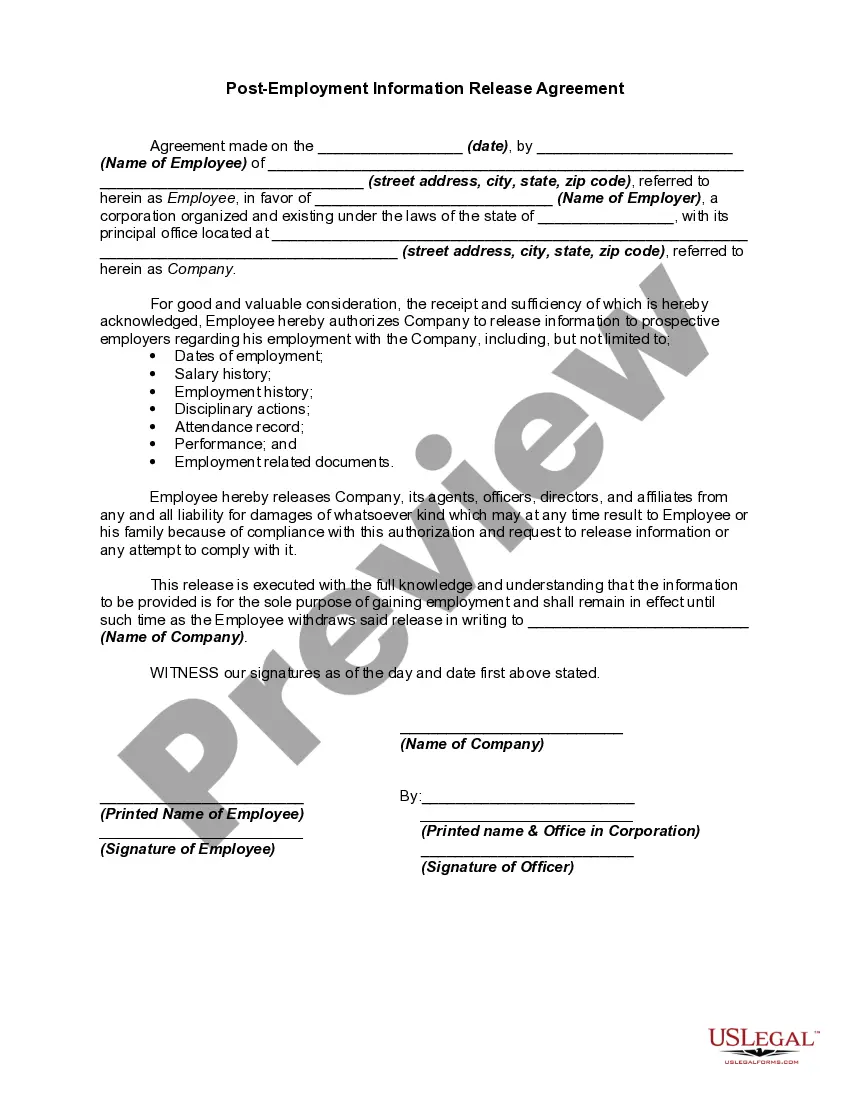
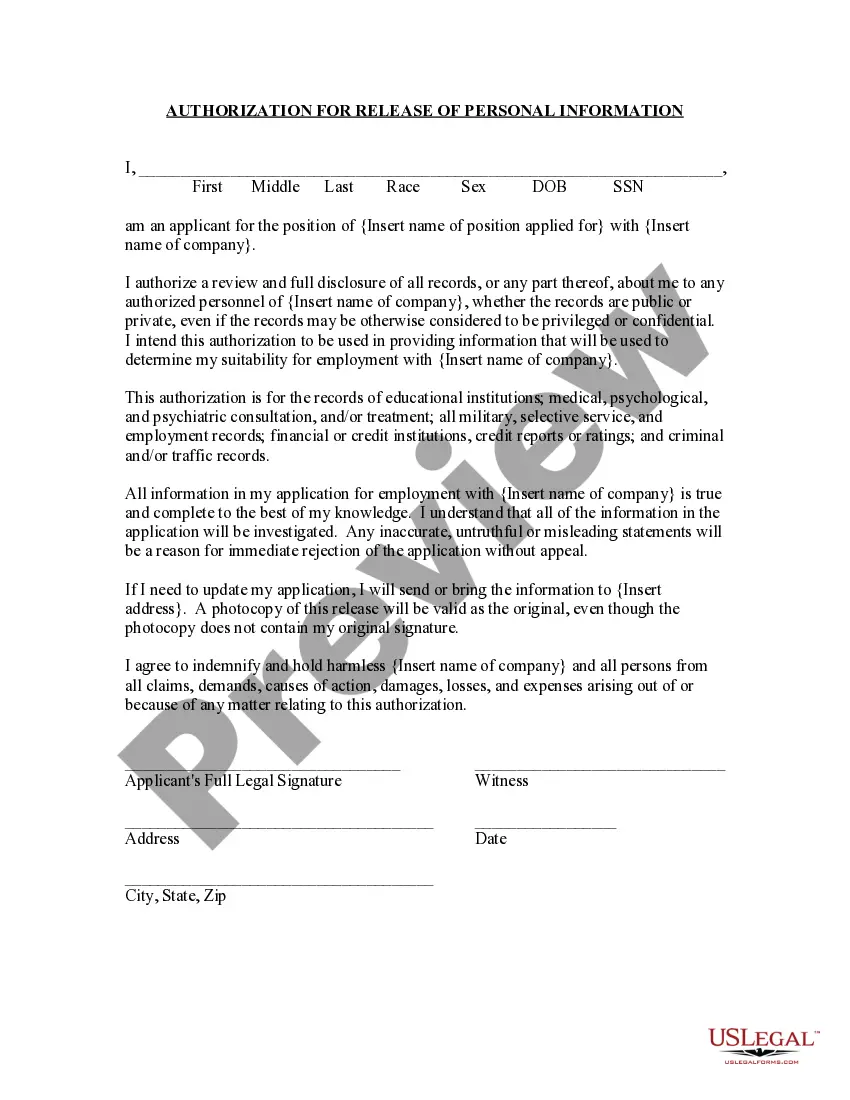
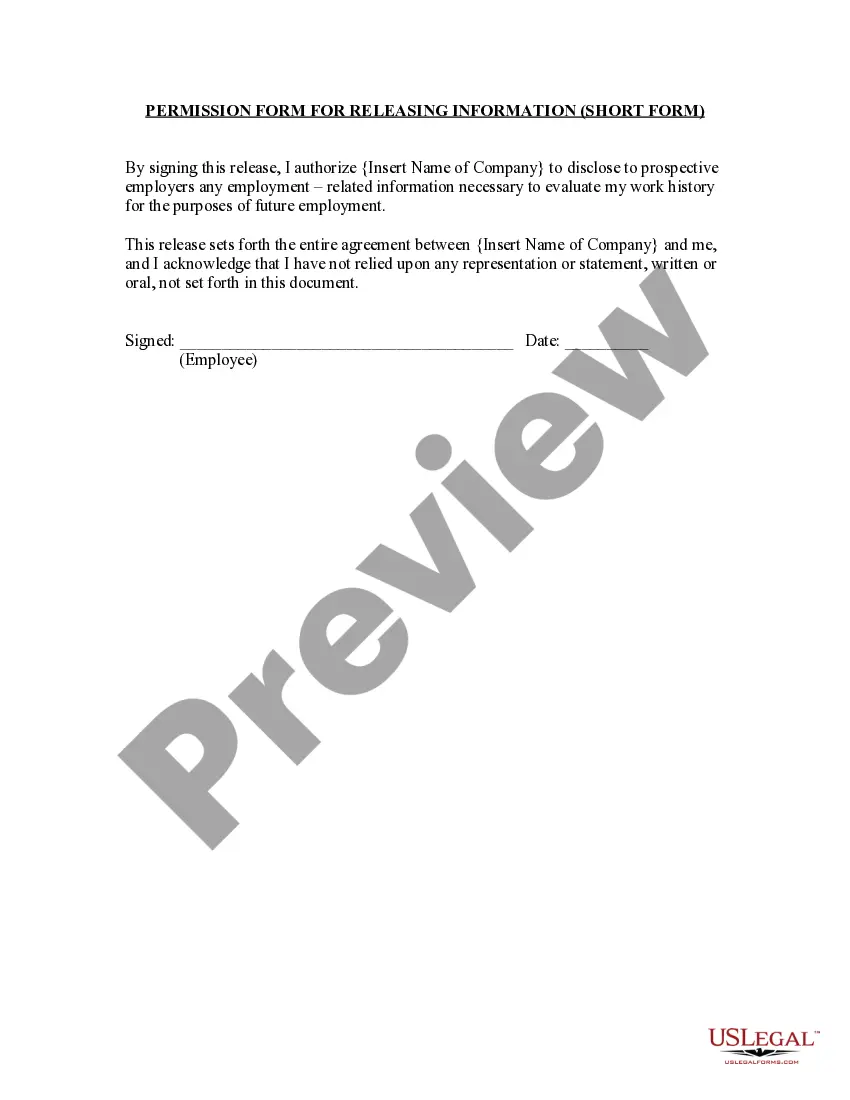
Employee Consent Form Template In Minnesota
Description
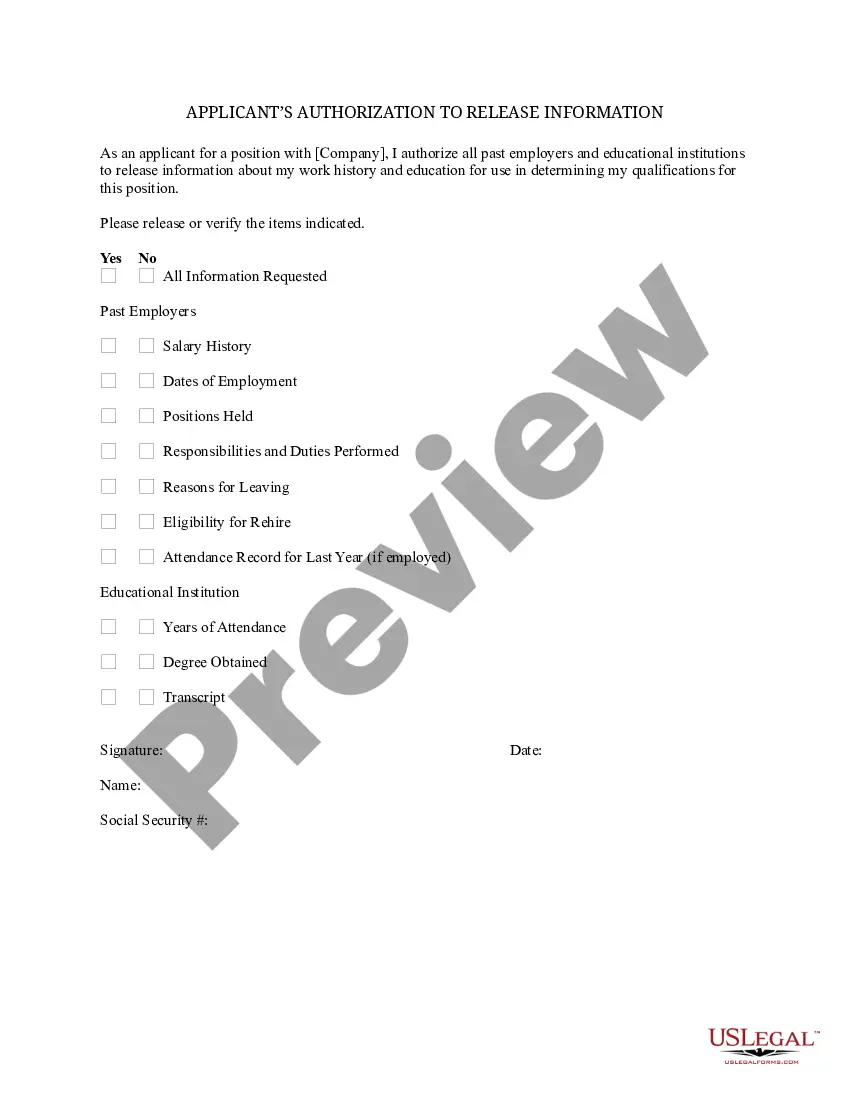
Get your form ready online
Our built-in tools help you complete, sign, share, and store your documents in one place.
Make edits, fill in missing information, and update formatting in US Legal Forms—just like you would in MS Word.
Download a copy, print it, send it by email, or mail it via USPS—whatever works best for your next step.
Sign and collect signatures with our SignNow integration. Send to multiple recipients, set reminders, and more. Go Premium to unlock E-Sign.
If this form requires notarization, complete it online through a secure video call—no need to meet a notary in person or wait for an appointment.
We protect your documents and personal data by following strict security and privacy standards.

Make edits, fill in missing information, and update formatting in US Legal Forms—just like you would in MS Word.

Download a copy, print it, send it by email, or mail it via USPS—whatever works best for your next step.

Sign and collect signatures with our SignNow integration. Send to multiple recipients, set reminders, and more. Go Premium to unlock E-Sign.

If this form requires notarization, complete it online through a secure video call—no need to meet a notary in person or wait for an appointment.

We protect your documents and personal data by following strict security and privacy standards.
Looking for another form?
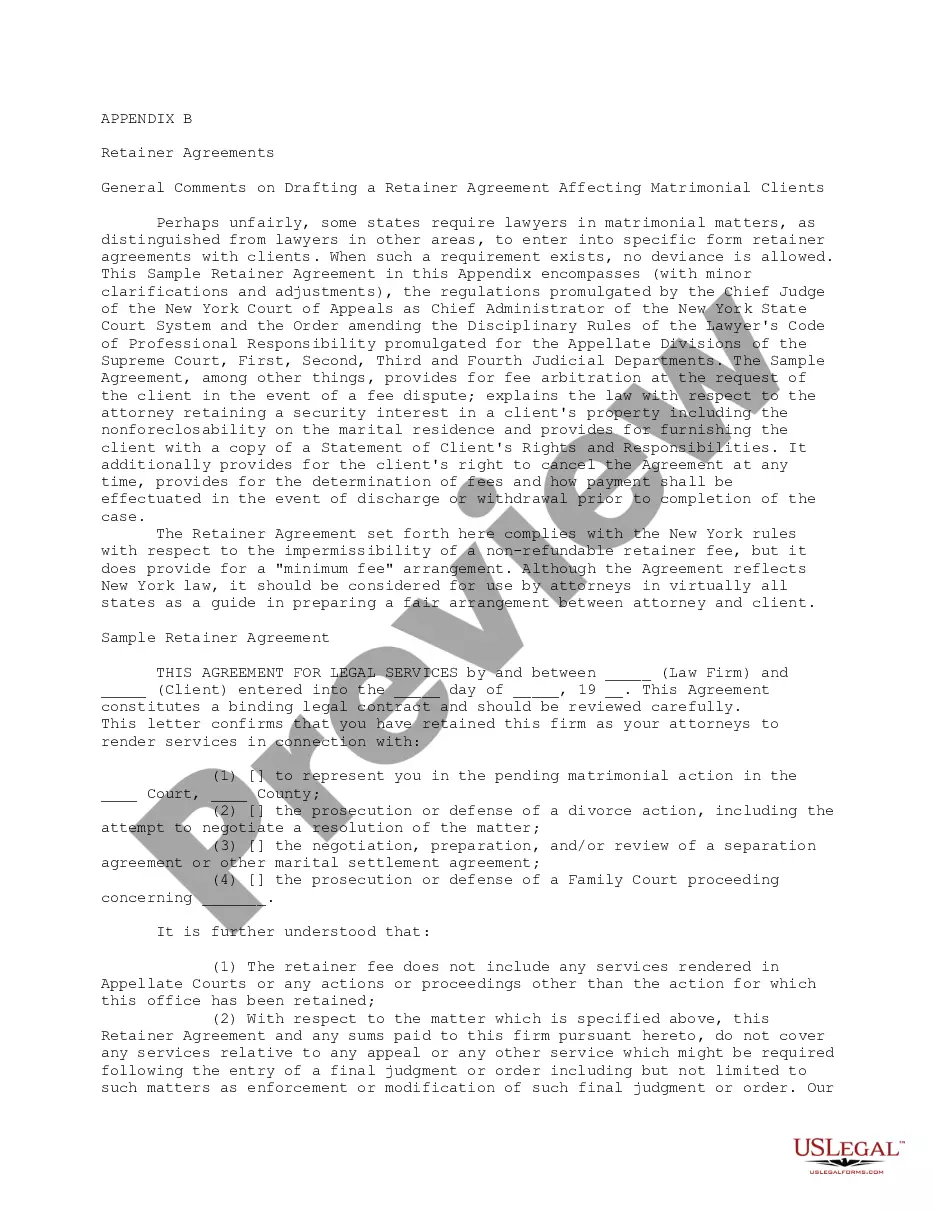



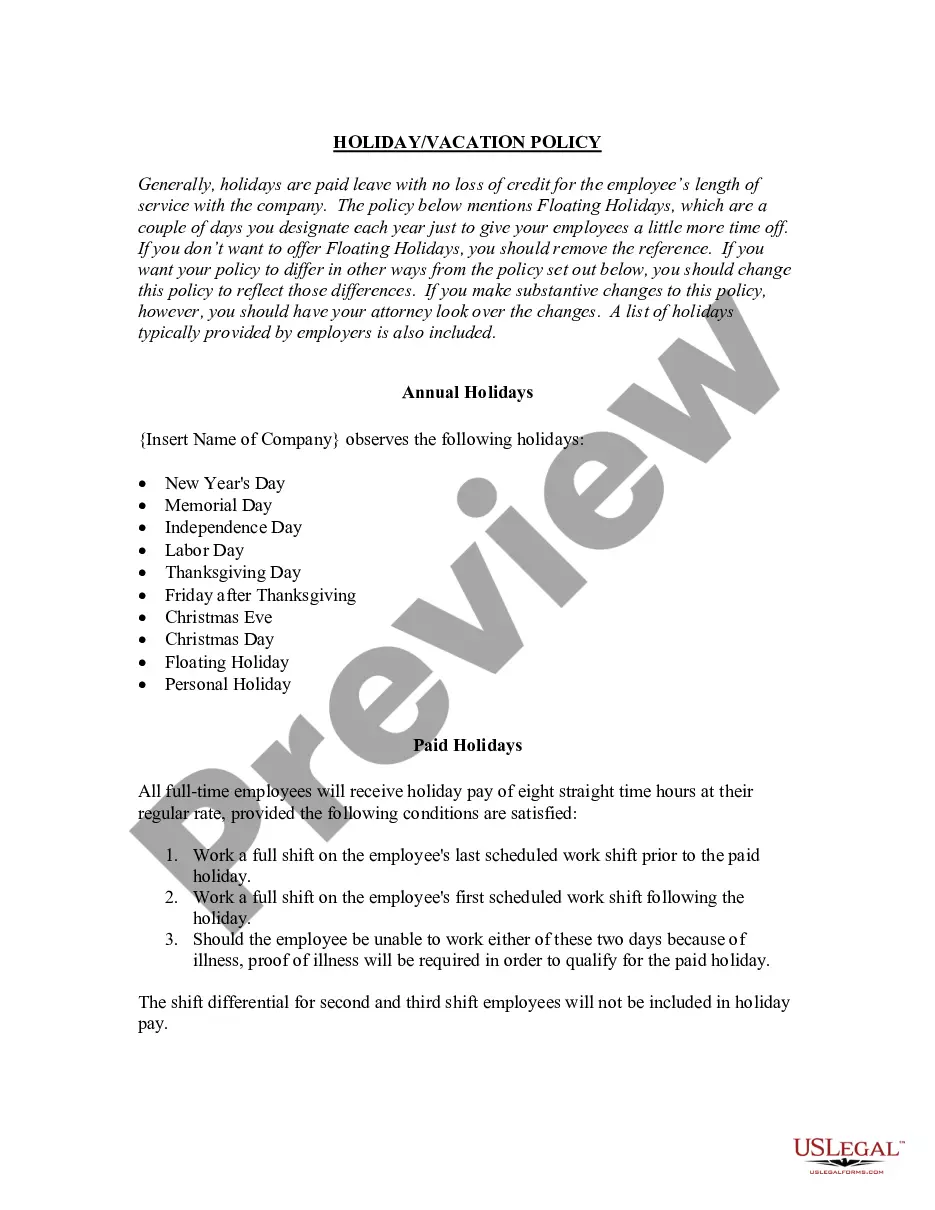




Form popularity
FAQ
All sections of the consent form, except the "Consent" section, should be written in second person ("You are invited..."). Headers should include “Informed Consent” followed by the title of the study (e.g., the header in this document). Footers should include page numbers.
To create a consent form, you need to list the consenting parties and specify the activities or data covered by the consent. It should also state the parties' rights and responsibilities and include dates, contact information, and other necessary details.
Minnesota Rules 1205.1400, subpart 3, requires that individuals giving informed consent have sufficient mental capacity to understand the consequences of their decision to give consent. Minnesota Rules 1205.1400, subpart 4, requires that a valid informed consent must: Be voluntary and not coerced. Be in writing.
Yes, you can build consent forms in Google Forms. It provides a user-friendly form builder, making it easy to add different form elements, customize questions, and set up required fields.
To be valid, consent must be voluntary, informed, specific, current, and given by a person with capacity. Unless otherwise indicated, consent can be express or implied, written or verbal.
If you prefer to write your own consent document, you may do so, but be sure to include all required elements of informed consent.
How to write a consent form: A step-by-step guide Step 1: Title and introduction. Step 2: Description of the activity. Step 3: Risks and benefits. Step 4: Confidentiality and data handling. Step 5: Voluntary participation and withdrawal. Step 6: Consent statement. Step 7: Signature and date. Step 8: Contact information.
How to Write a Consent Letter Title the Letter: Start with a clear title, such as "Consent Letter" or "Permission Letter." Include Your Contact Information: At the top of the letter, include your name, address, phone number, and email address. Date the Letter: Write the date the letter is being written.
The entire informed consent process involves giving a subject adequate information concerning the study, providing adequate opportunity for the subject to consider all options, responding to the subject's questions, ensuring that the subject has comprehended this information, obtaining the subject's voluntary agreement ...