Release Of Information Form California In Middlesex
Description
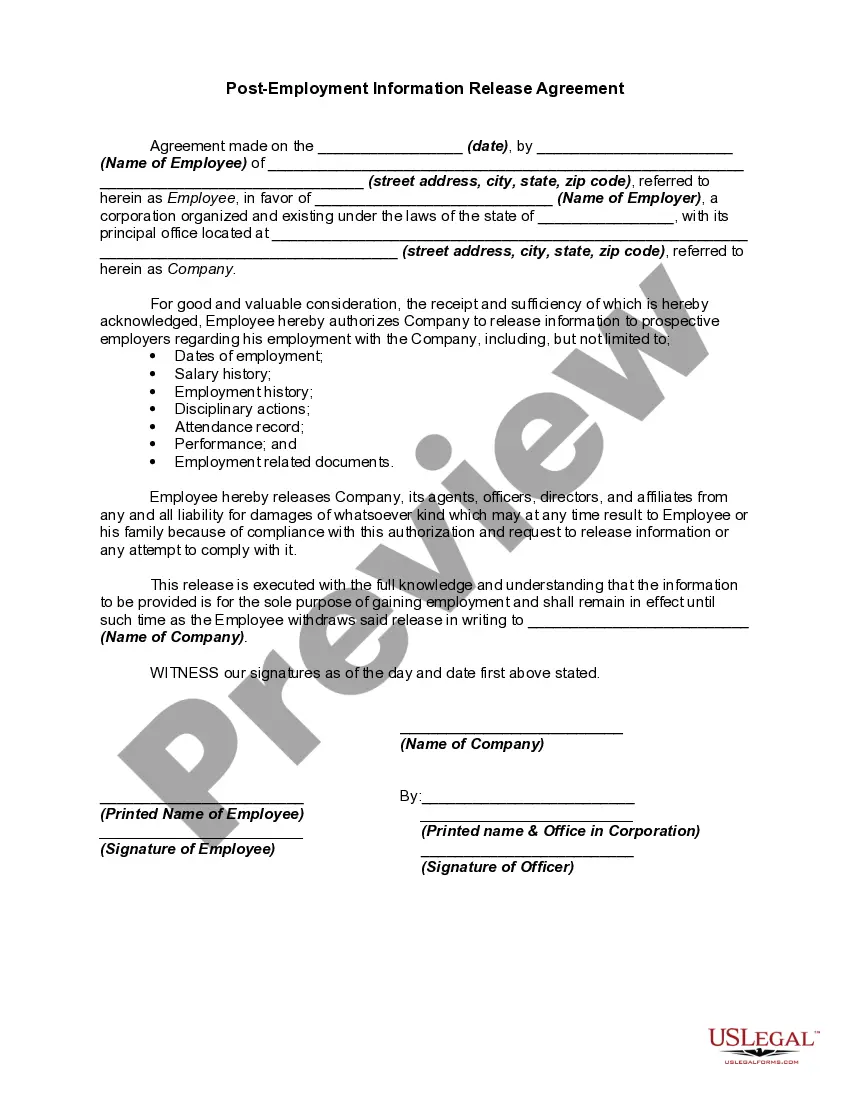
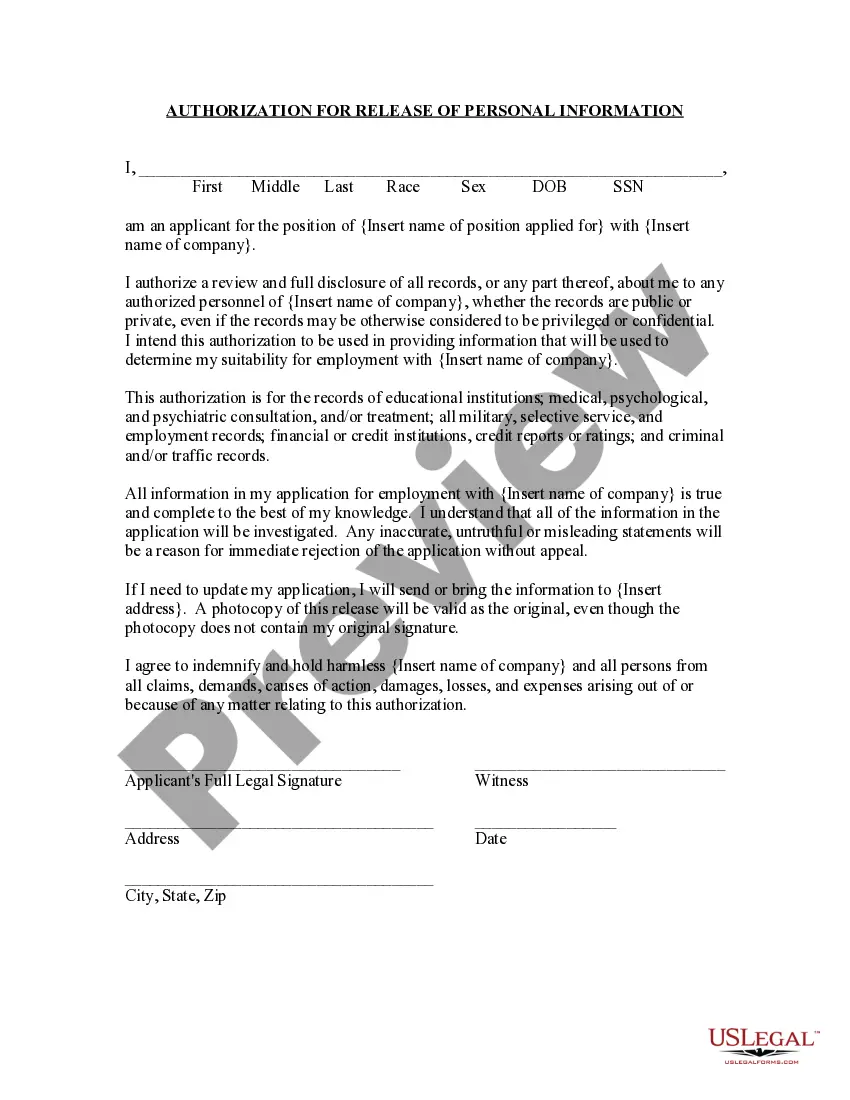
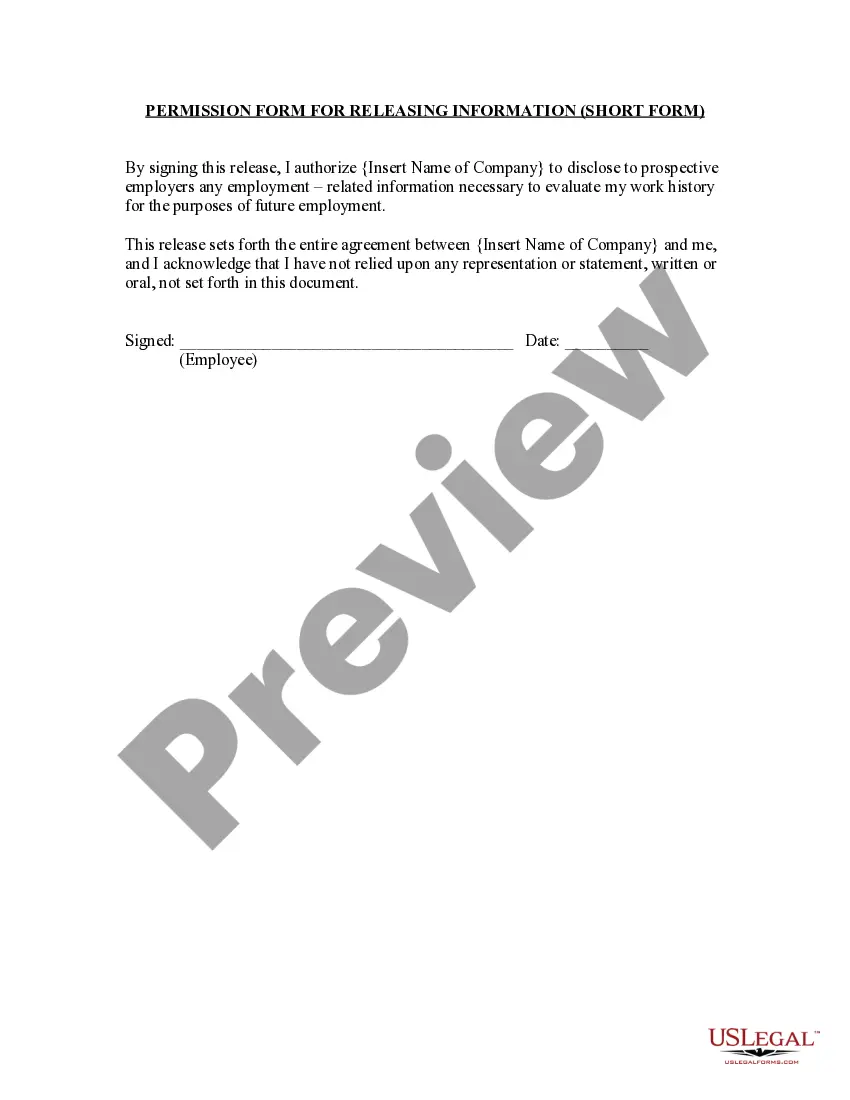
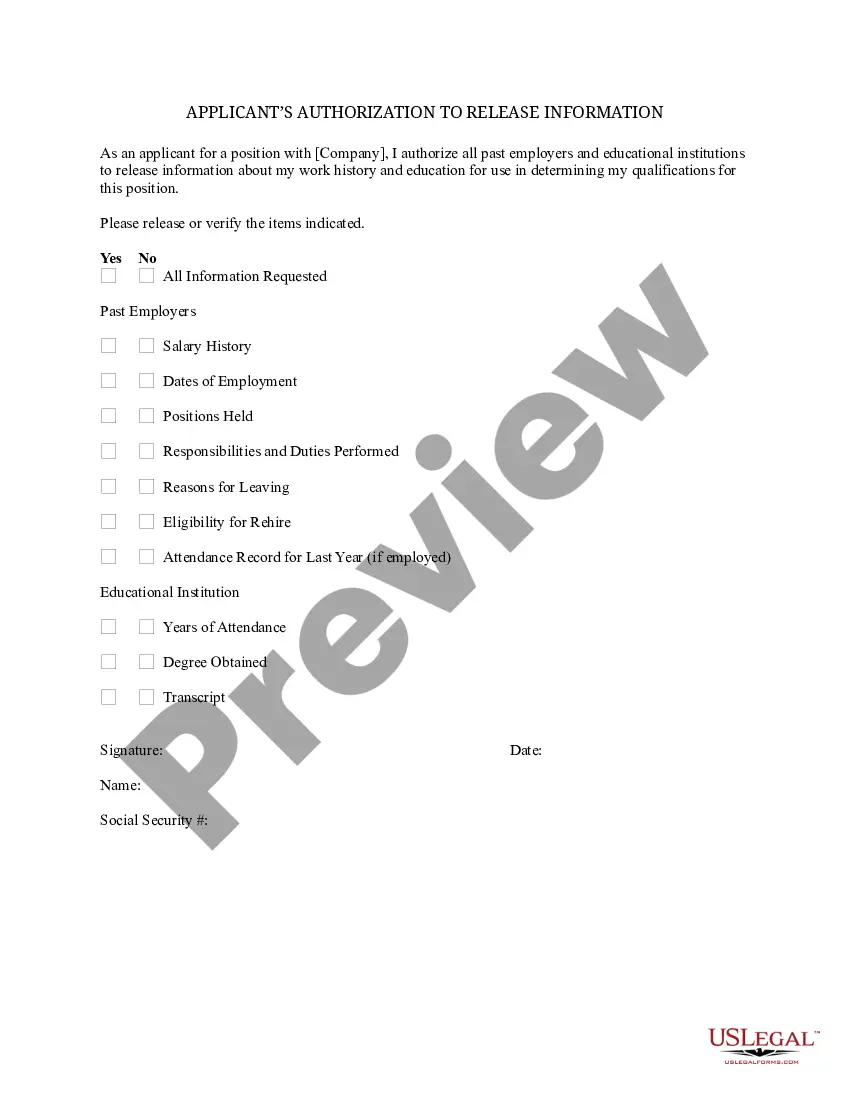
Get your form ready online
Our built-in tools help you complete, sign, share, and store your documents in one place.
Make edits, fill in missing information, and update formatting in US Legal Forms—just like you would in MS Word.
Download a copy, print it, send it by email, or mail it via USPS—whatever works best for your next step.
Sign and collect signatures with our SignNow integration. Send to multiple recipients, set reminders, and more. Go Premium to unlock E-Sign.
If this form requires notarization, complete it online through a secure video call—no need to meet a notary in person or wait for an appointment.
We protect your documents and personal data by following strict security and privacy standards.

Make edits, fill in missing information, and update formatting in US Legal Forms—just like you would in MS Word.

Download a copy, print it, send it by email, or mail it via USPS—whatever works best for your next step.

Sign and collect signatures with our SignNow integration. Send to multiple recipients, set reminders, and more. Go Premium to unlock E-Sign.

If this form requires notarization, complete it online through a secure video call—no need to meet a notary in person or wait for an appointment.

We protect your documents and personal data by following strict security and privacy standards.
Looking for another form?

Form popularity
FAQ
Q: What legal documents ensure the right to access a deceased patient's medical records? A: A combination of the patient's death certificate and a court document establishing estate executorship is sufficient to establish one's right.
Federal laws govern the privacy protection of medical records, along with some state laws. California medical records laws state that a patient's information may not be disclosed without authorization unless it is pursuant to a court order, or for purposes of communicating important medical data to other health care ...
(a) Patients may authorize the release of their health care information by completing the CDCR 7385, Authorization for Release of Protected Health Information, to allow a family member or friend to request and receive an update when there is a significant change in the patient's health care condition.
By law, a patient's records are defined as records relating to the health history, diagnosis, or condition of a patient, or relating to treatment provided or proposed to be provided to the patient. Physicians must provide patients with copies within 15 days of receipt of the request.
As long as you requested your medical records in writing, to be sent directly to you (and not to anyone else, like your new doctor), the physician is required to send you a copy within specified time limits. If you are having difficulty getting your records, you can file a complaint with the Medical Board.
All health records of discharged patients shall be completed and filed within 30 days after discharge date and such records shall be kept for a minimum of 7 years, except for minors whose records shall be kept at least until 1 year after the minor has reached the age of 18 years, but in no case less than 7 years.
Check their website: Information about how to get your health record may be found under the Contact Us section of a provider's website. It may direct you to an online portal, a phone number, an email address, or a form. Phone or visit: You can also call or visit your provider and ask them how to get your health record.
You may be able to request your record through your provider's patient portal. You may have to fill out a form — called a health or medical record release form, or request for access—send an email, or mail or fax a letter to your provider.

