Employment Agreement Format In Michigan
Description
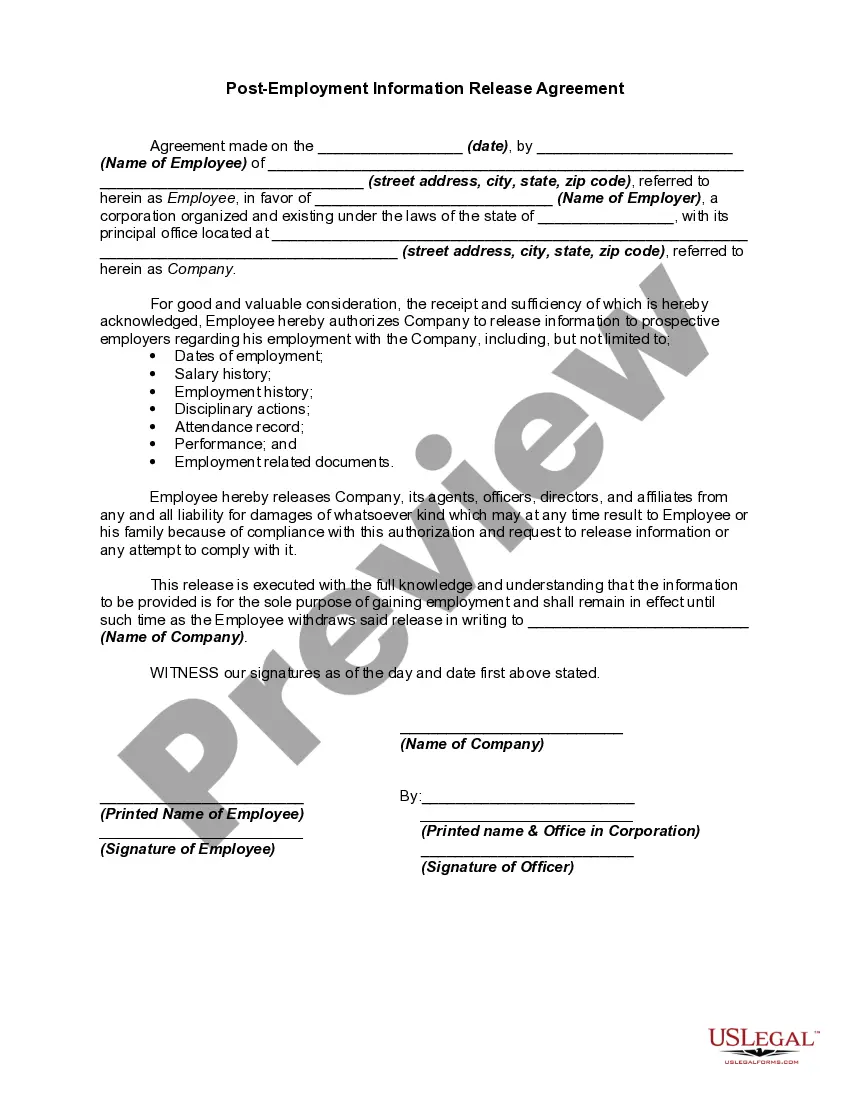
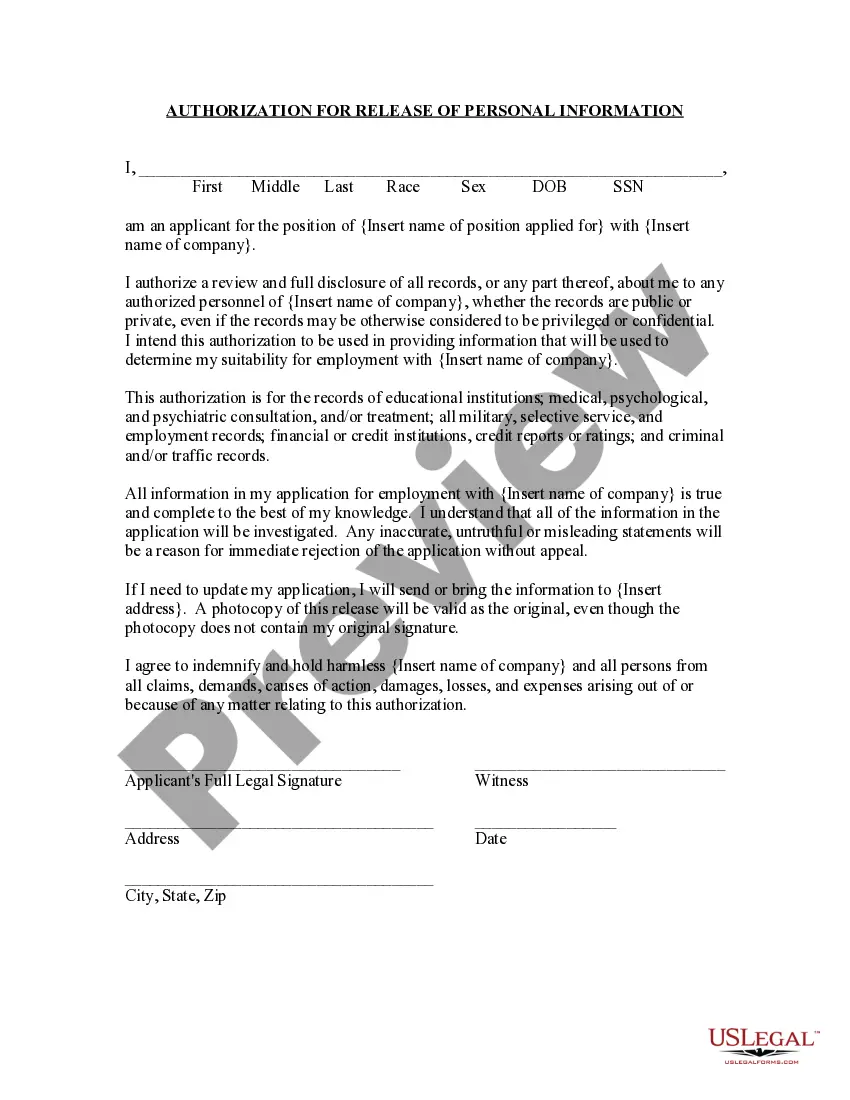
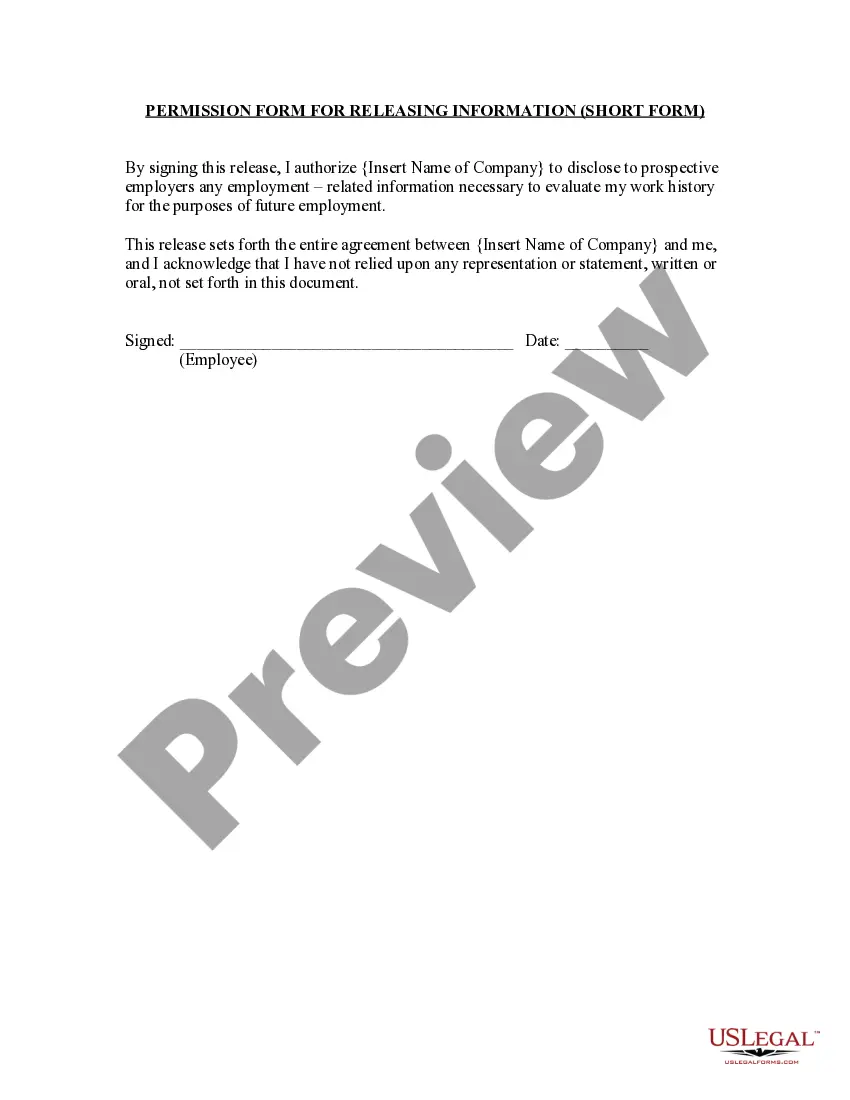
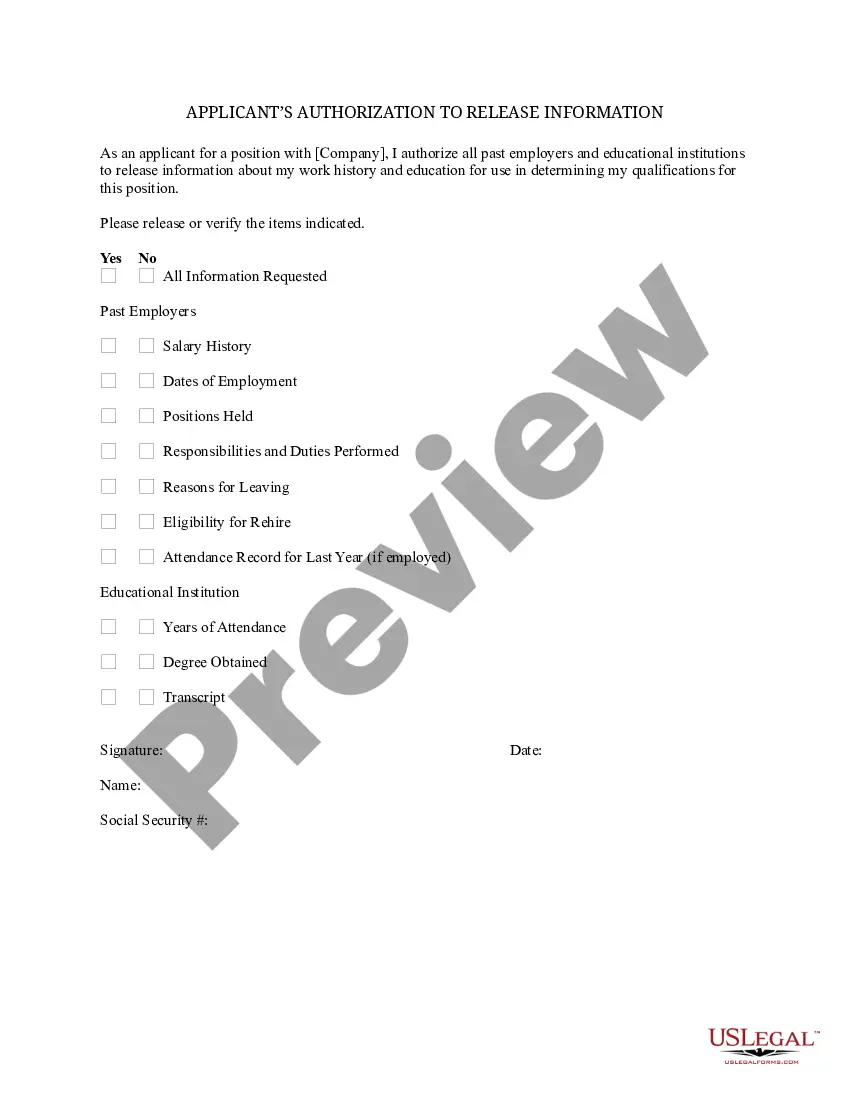
Get your form ready online
Our built-in tools help you complete, sign, share, and store your documents in one place.
Make edits, fill in missing information, and update formatting in US Legal Forms—just like you would in MS Word.
Download a copy, print it, send it by email, or mail it via USPS—whatever works best for your next step.
Sign and collect signatures with our SignNow integration. Send to multiple recipients, set reminders, and more. Go Premium to unlock E-Sign.
If this form requires notarization, complete it online through a secure video call—no need to meet a notary in person or wait for an appointment.
We protect your documents and personal data by following strict security and privacy standards.

Make edits, fill in missing information, and update formatting in US Legal Forms—just like you would in MS Word.

Download a copy, print it, send it by email, or mail it via USPS—whatever works best for your next step.

Sign and collect signatures with our SignNow integration. Send to multiple recipients, set reminders, and more. Go Premium to unlock E-Sign.

If this form requires notarization, complete it online through a secure video call—no need to meet a notary in person or wait for an appointment.

We protect your documents and personal data by following strict security and privacy standards.
Looking for another form?







Form popularity
FAQ
A comprehensive temporary employment contract template should include the following elements: Job title and description. Employment duration. Working hours and schedule. Compensation. Benefits. Probationary period. Termination conditions. Confidentiality agreement.
Elements of a work-for-hire agreement Scope of the project—exactly what is to be done or produced. Due date of the project—negotiated with regard to both parties' schedules. Rights to be sold. Payment terms. Confidentiality terms (if any) Arbitration terms (if any) Severability—getting out of the agreement.
Every effective short term contract should clearly outline several essential elements: Terms of termination: Conditions under which either party may end the agreement early. Duration: The precise start and end dates of the employment period. Responsibilities: Detailed description of expected duties and deliverables.
The following information needs to be included in a temporary employment contract. Names of the Employer and Employee. This ensures it's clear who the contract is between. Job Title and Description. Financial Compensation. Work Pattern. Start Date. The Term of Employment. Temporary Employment Contract Notice Period. Benefits.
Yes. Employment contracts are enforceable in Michigan, but certain provisions of employment contracts must follow state laws to be enforceable. The employment contract clauses that are most regulated are restrictive covenants that limit an employee's ability for future employment like a non-competition clause.
How to draft a contract between two parties: A step-by-step checklist Know your parties. Agree on the terms. Set clear boundaries. Spell out the consequences. Specify how you will resolve disputes. Cover confidentiality. Check the legality of the contract. Open it up to negotiation.
How to draft a contract in 13 simple steps Start with a contract template. Understand the purpose and requirements. Identify all parties involved. Outline key terms and conditions. Define deliverables and milestones. Establish payment terms. Add termination conditions. Incorporate dispute resolution.
Michigan workplaces are no longer governed by a “right-to-work” law, as the repeal took effect on February 13, 2024. Once again employees can be required to join a union to keep their jobs.
Notice Requirements: Michigan law does not generally require employers to provide advance notice of termination to employees, unless specified in an employment contract or collective bargaining agreement. However, employers should be aware of any notice requirements under applicable contracts or policies.
Both involve the meeting of minds and exchange of promises, but a contract typically entails a more formalized arrangement, often documented in writing, and carries legal enforceability. Conversely, an agreement can be informal and may not always be legally binding.

