Employment Agreement With In Mecklenburg
Description
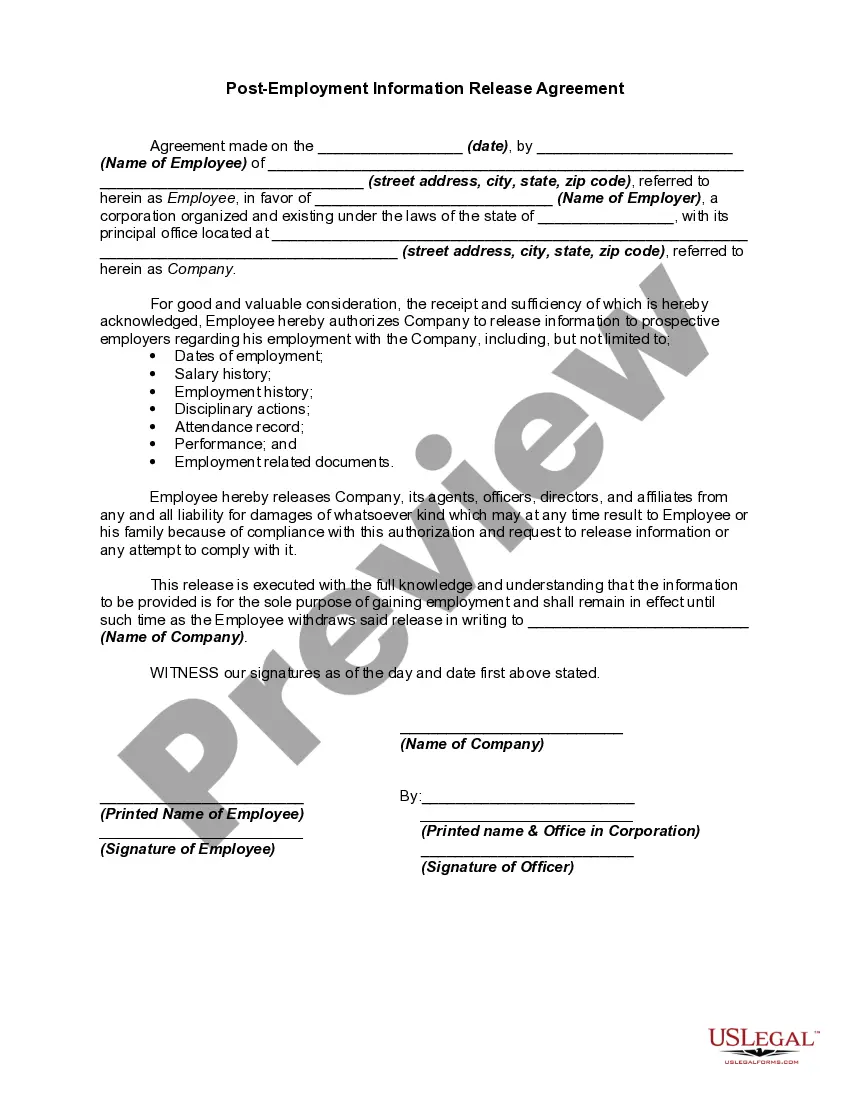
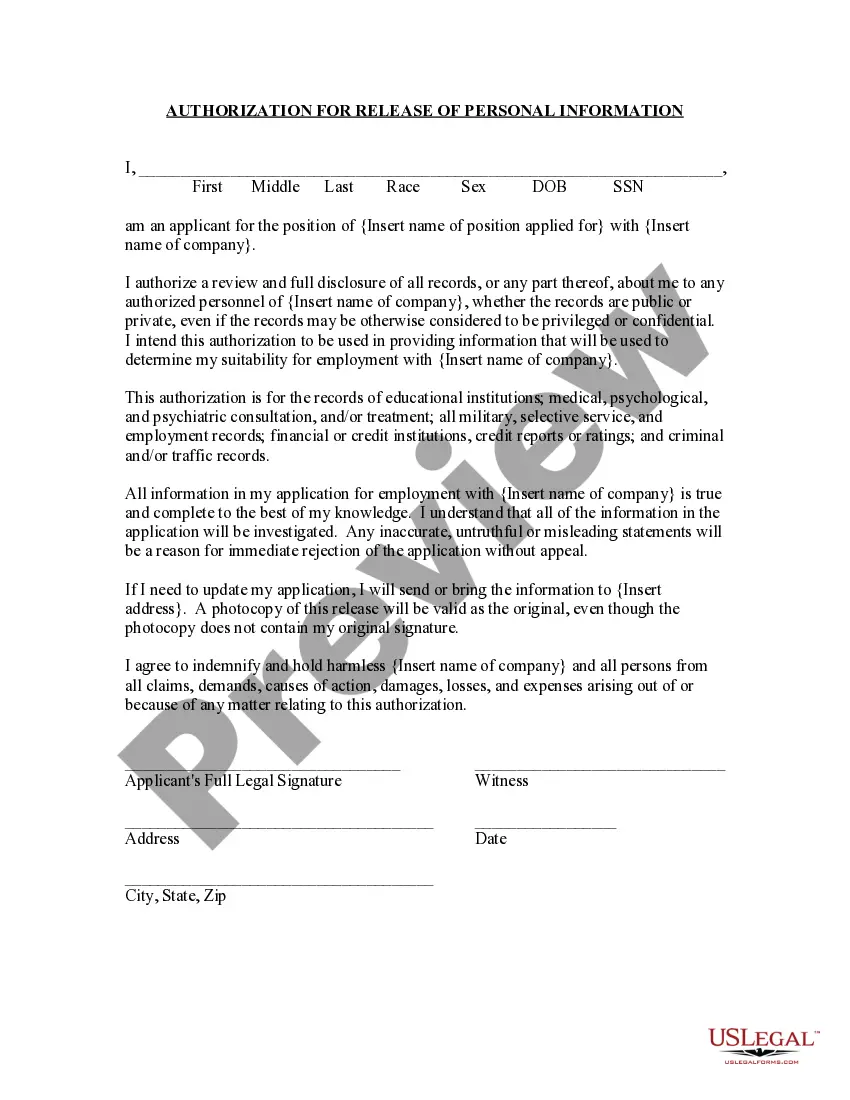
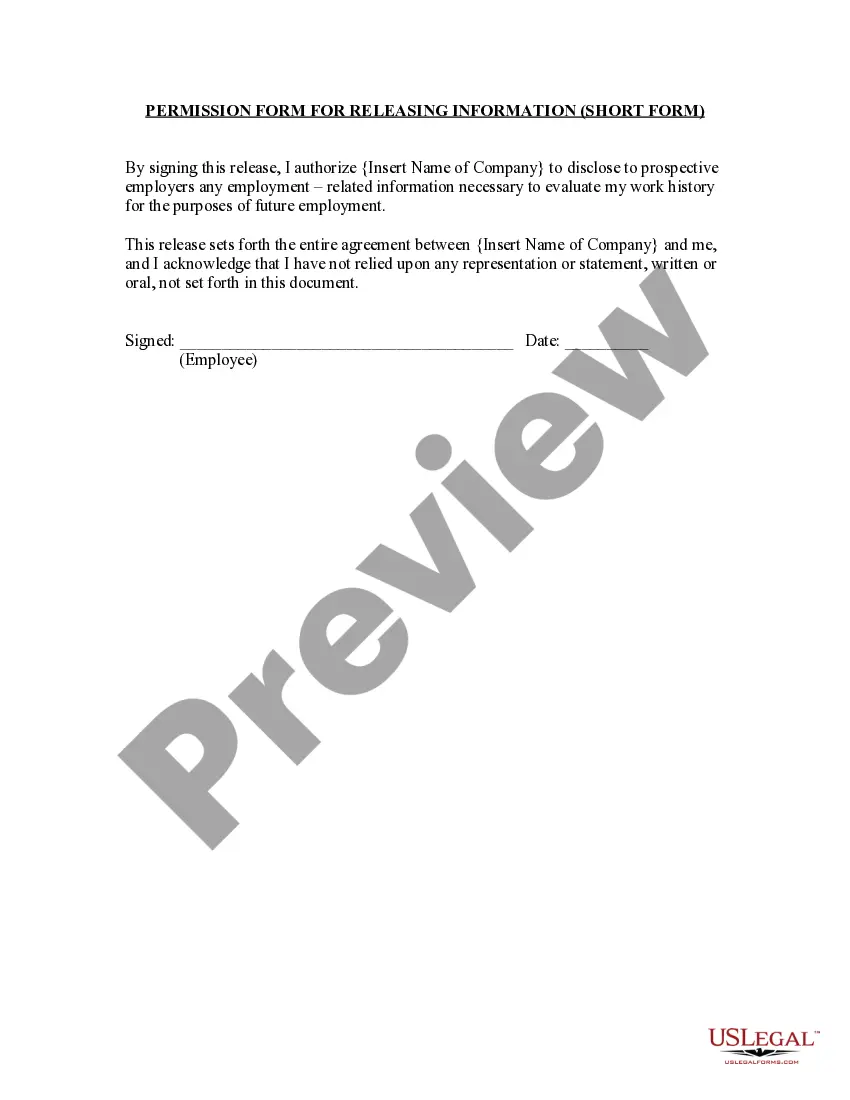
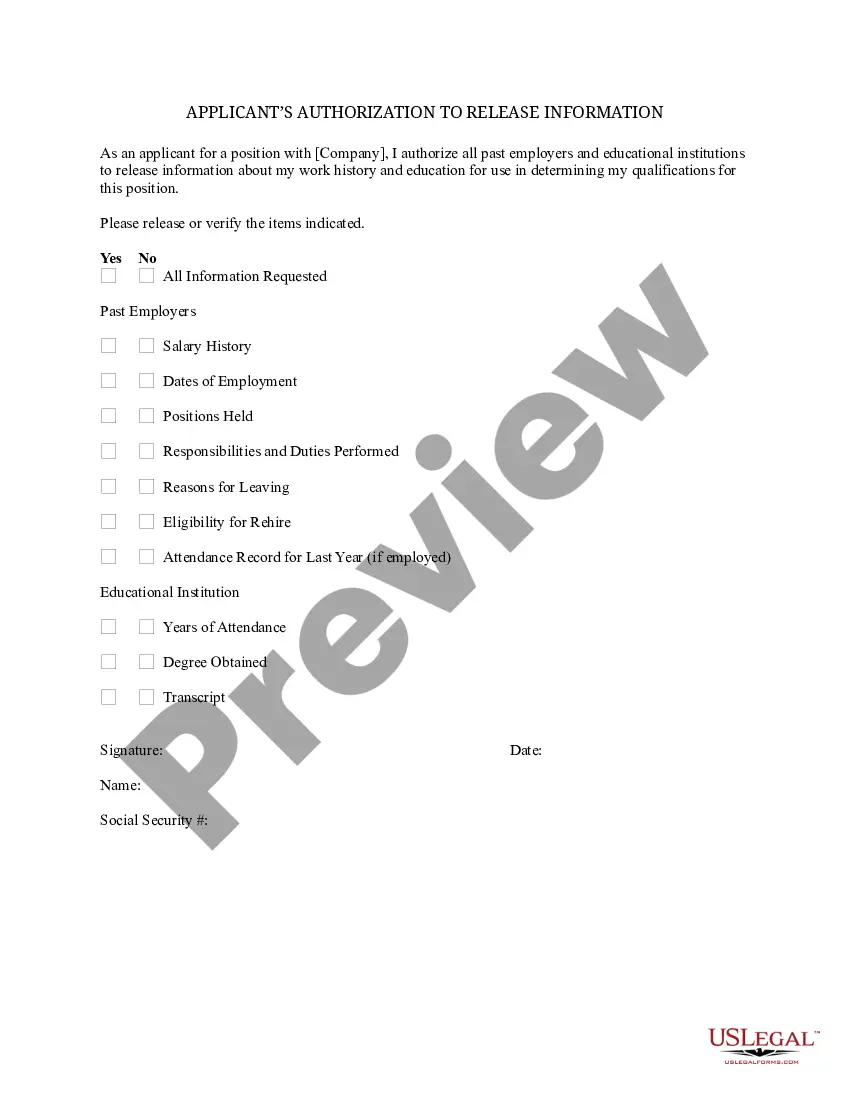
Get your form ready online
Our built-in tools help you complete, sign, share, and store your documents in one place.
Make edits, fill in missing information, and update formatting in US Legal Forms—just like you would in MS Word.
Download a copy, print it, send it by email, or mail it via USPS—whatever works best for your next step.
Sign and collect signatures with our SignNow integration. Send to multiple recipients, set reminders, and more. Go Premium to unlock E-Sign.
If this form requires notarization, complete it online through a secure video call—no need to meet a notary in person or wait for an appointment.
We protect your documents and personal data by following strict security and privacy standards.

Make edits, fill in missing information, and update formatting in US Legal Forms—just like you would in MS Word.

Download a copy, print it, send it by email, or mail it via USPS—whatever works best for your next step.

Sign and collect signatures with our SignNow integration. Send to multiple recipients, set reminders, and more. Go Premium to unlock E-Sign.

If this form requires notarization, complete it online through a secure video call—no need to meet a notary in person or wait for an appointment.

We protect your documents and personal data by following strict security and privacy standards.
Looking for another form?





Form popularity
FAQ
Generally a contract forms when one person makes an offer, and another person accepts it by communicating their assent or performing the offer's terms. If the terms are certain, and the parties can be presumed from their behaviour to have intended that the terms are binding, generally the agreement is enforceable.
Both involve the meeting of minds and exchange of promises, but a contract typically entails a more formalized arrangement, often documented in writing, and carries legal enforceability. Conversely, an agreement can be informal and may not always be legally binding.
An employee must receive a permanent contract after 3 consecutive temporary contracts or after 3 years of temporary contracts. This applies unless other arrangements have been made in the collective labour agreement (Collectieve Arbeidsovereenkomst, CAO).
Although not illegal, working with no contract of employment can be risky. Contracts exist to define the terms of employment and protect the rights of the employee – including in instances like wrongful termination. Thus, working without a contract can leave an employee in limbo.
Given that you haven't received a formal contract stating a notice period, it might be possible to leave without giving notice. However, it's always best to check local labor laws and possibly consult with a legal professional to ensure you're covered. Document everything and communicate your intentions clearly to HR.
What is included in an Employment Contract? Employer and employee information. Start date. End date, if applicable. Work location. Work hours. Job title. Employee duties and responsibilities. Probationary period length, if applicable.
Are employment contracts legally binding in Canada? To be legally binding, an employment contract must be formed by offer, acceptance and consideration. To be enforceable, the contract must fulfill the essential elements of a binding contract at common law, and must not contravene any applicable legislation.
No Requirement in Canada to use Written Employment Contracts It's not illegal to hire an employee without a written contract in Canada. Still, it's generally advisable to have a written employment contract in place to clarify terms and conditions of employment to protect your business from unneeded liability.
Generally, a contract is binding when the following is true: the parties intend to make a contract. there is an offer and an acceptance. the parties receive something in return for their promises.
How to Write a Letter of Agreement Start with Basic Information. Define Employment Terms. Outline Compensation and Benefits. Include Non-Disclosure and Non-Compete Clauses. Address the Probationary Period (if applicable). Set the Code of Conduct and Policies. Explain Termination Conditions. Detail Severance Terms:

