Release Of Information Form Mental Health In Maryland
Description
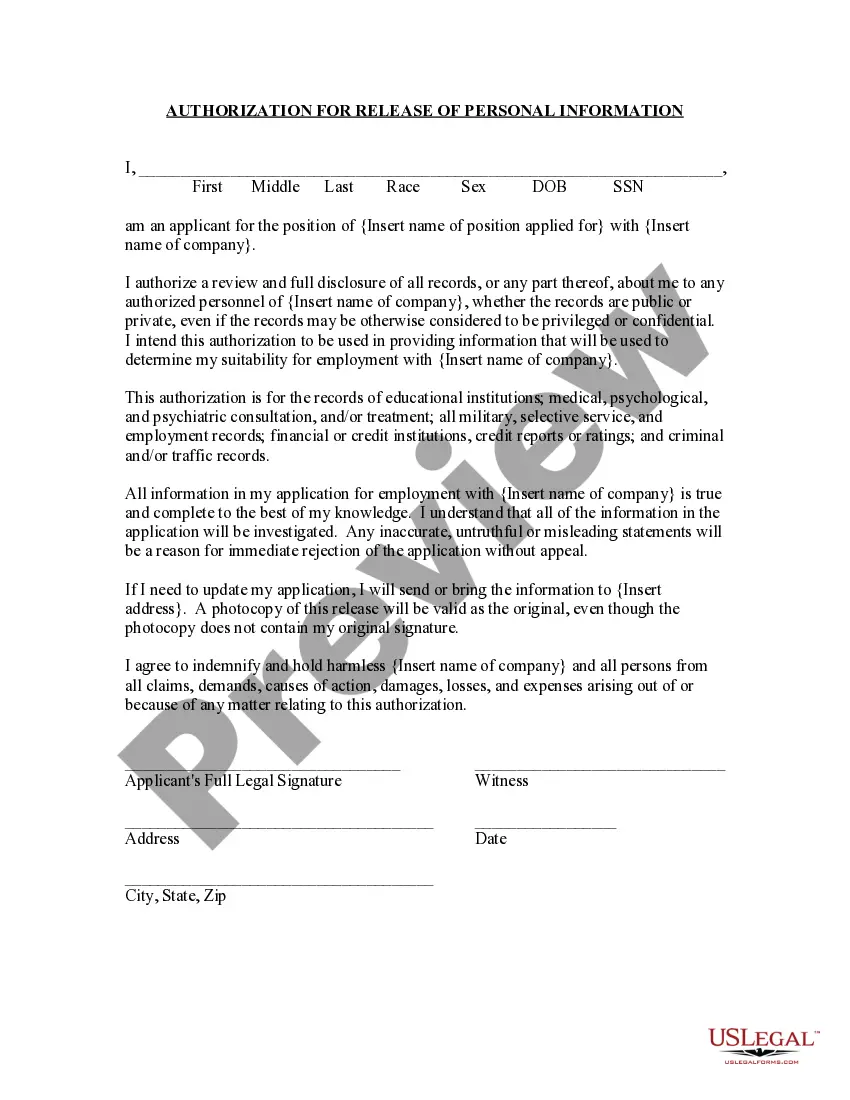
Get your form ready online
Our built-in tools help you complete, sign, share, and store your documents in one place.
Make edits, fill in missing information, and update formatting in US Legal Forms—just like you would in MS Word.
Download a copy, print it, send it by email, or mail it via USPS—whatever works best for your next step.
Sign and collect signatures with our SignNow integration. Send to multiple recipients, set reminders, and more. Go Premium to unlock E-Sign.
If this form requires notarization, complete it online through a secure video call—no need to meet a notary in person or wait for an appointment.
We protect your documents and personal data by following strict security and privacy standards.

Make edits, fill in missing information, and update formatting in US Legal Forms—just like you would in MS Word.

Download a copy, print it, send it by email, or mail it via USPS—whatever works best for your next step.

Sign and collect signatures with our SignNow integration. Send to multiple recipients, set reminders, and more. Go Premium to unlock E-Sign.

If this form requires notarization, complete it online through a secure video call—no need to meet a notary in person or wait for an appointment.

We protect your documents and personal data by following strict security and privacy standards.
Looking for another form?
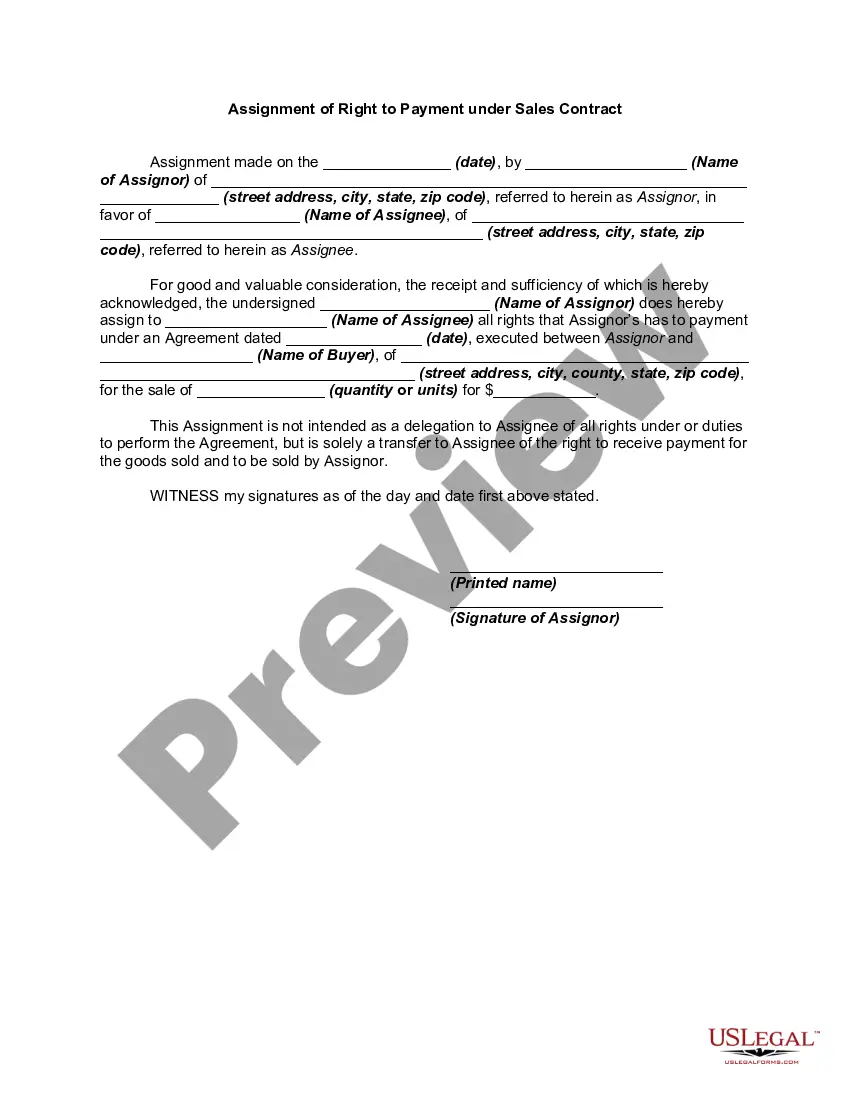
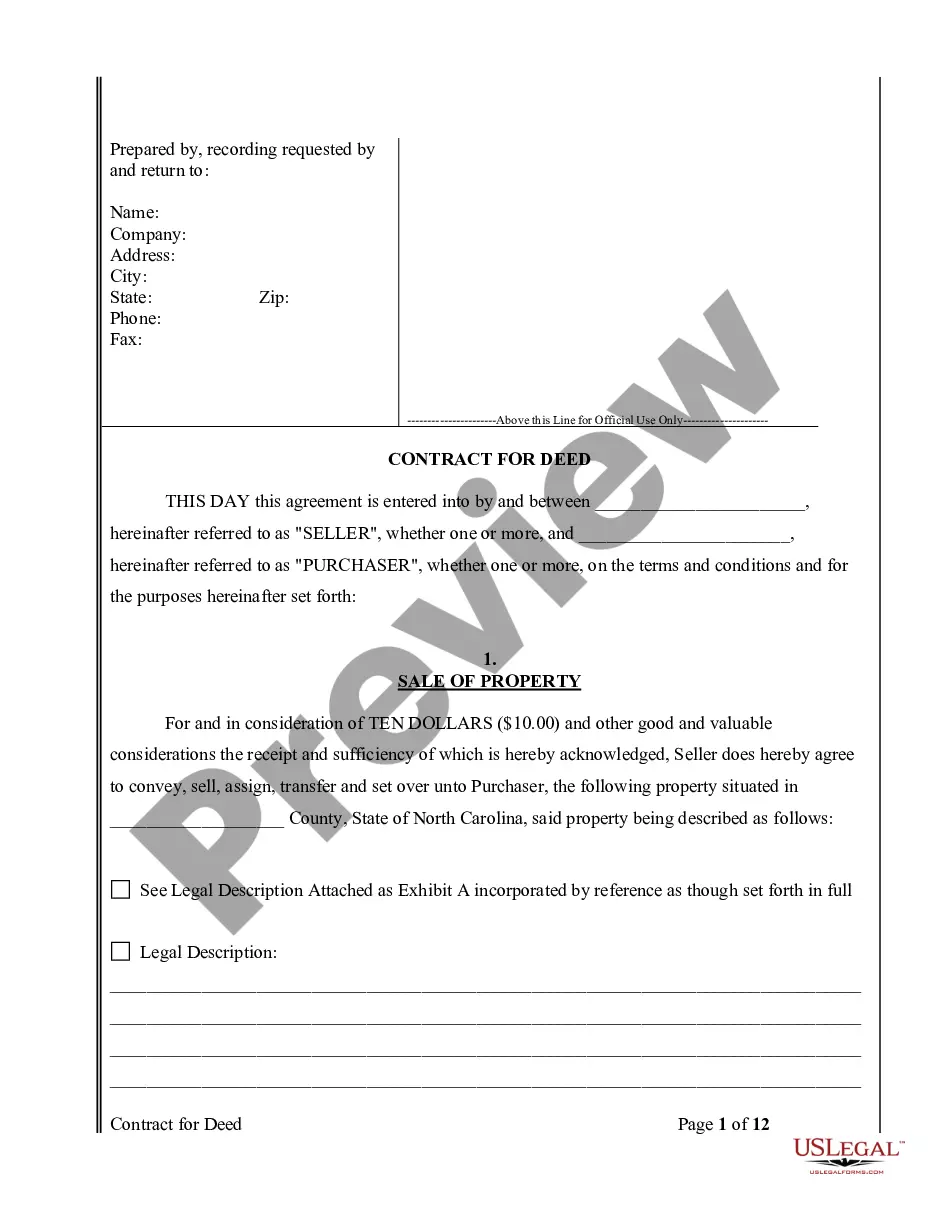
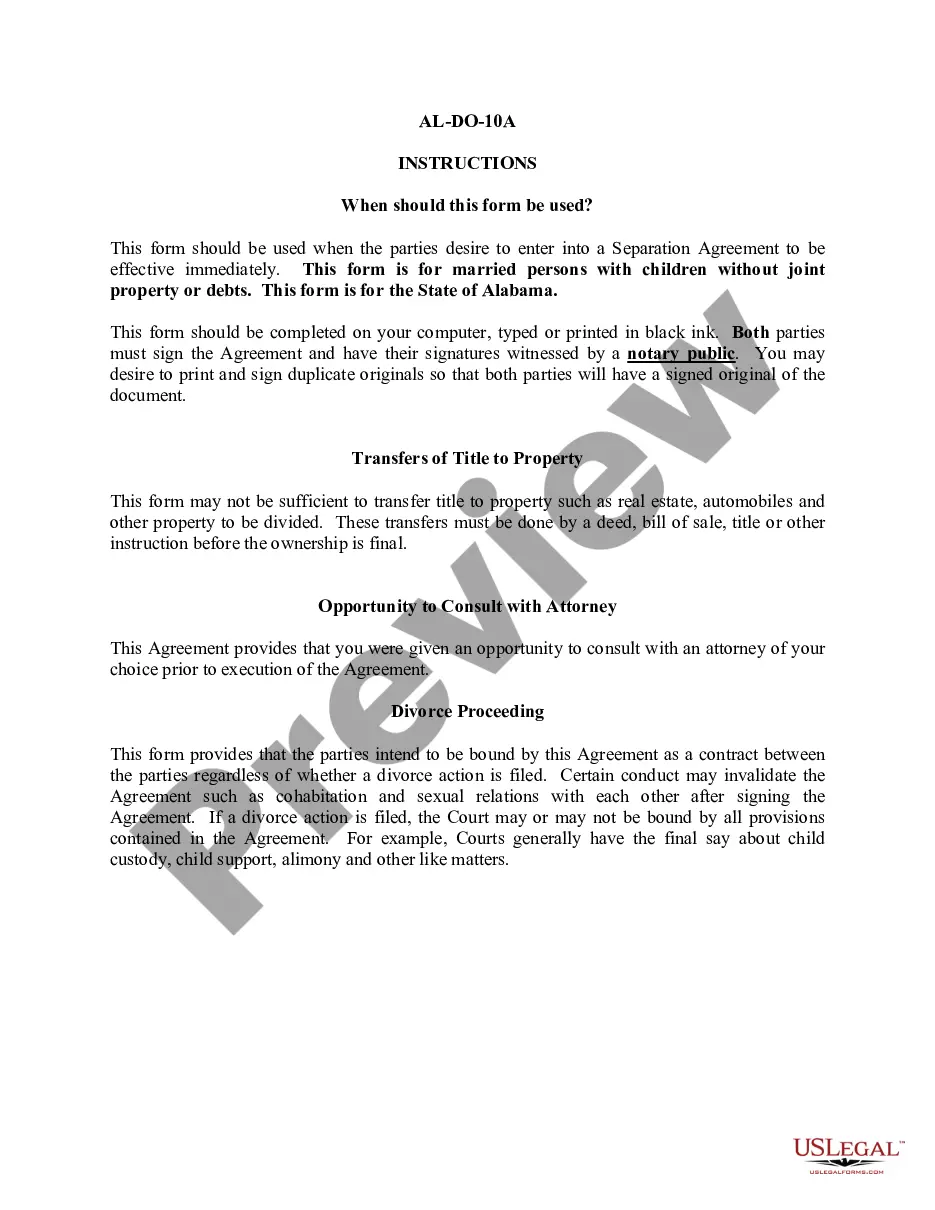
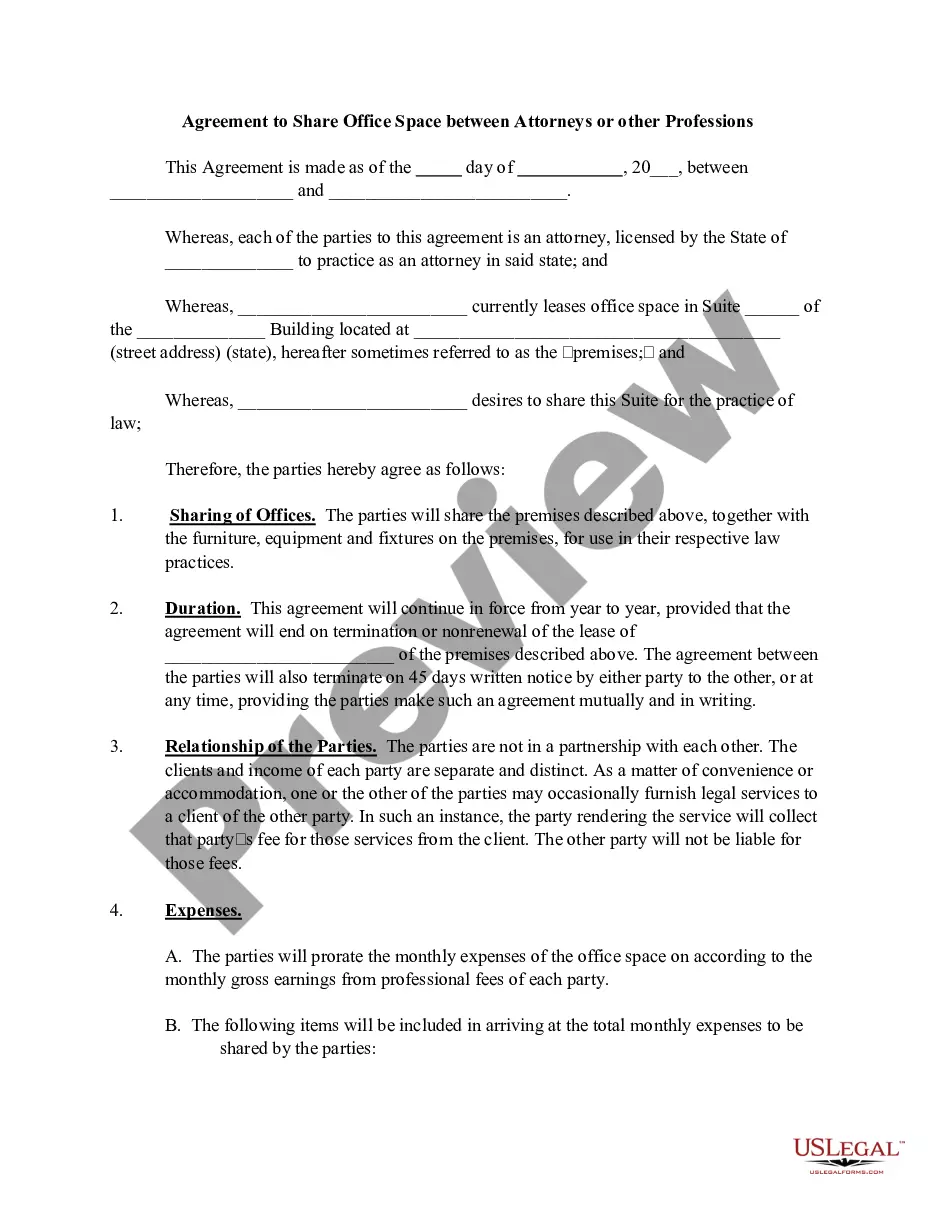

Form popularity
FAQ
It's not a specific mental condition. Instead, a mental health crisis or a breakdown of your mental health is a situation that happens when you have intense physical and emotional stress, have difficulty coping and aren't able to function effectively.
The first step in this process is the completion of the Petition for Emergency Evaluation (EP) form, which is readily available through the courts, hospitals, mental health providers, and the Internet.
The general criteria for granting an emergency hearing: A child in immediate physical danger. A child who has been kidnapped. Other situations on a case-by-case basis as determined by a Family Division Magistrate.
You may file a petition for emergency evaluation only if you have reason to believe that the person you're filing for: • has a mental disorder, which means their behavior or other symptoms indicate a clear disturbance in the person's mental functioning (mental disorder does not include intellectual disability) and • ...
The Medical Records Act states that unless a patient is a minor, medical records, laboratory and X-ray reports must be kept at least five years (see §4-403 below).
In Maryland, the process for involuntary commitment begins when an individual is identified as meeting the necessary criteria. This individual is first transported to a psychiatric facility for a thorough evaluation. Following this, a legal petition is presented in court.
Maryland law gives the right to anyone 16 years of age and over to be involved in decisions about their mental health treatment. However, a parent or guardian of a person under the age of 18 years may authorize treatment, even over the objection of the minor.
How Do You Apply for an Emergency Evaluation? Step 1: Complete the petition. Obtain a Petition for Emergency Evaluation (CC-DC-013) from the court clerk's office or online here. Step 2: File the petition. File the Petition for Emergency Evaluation during court hours. Step 3: Attend hearing the same day.
AOT laws allow for court-ordered outpatient treatment for those with SMI who meet state criteria. MD SB453 | BillTrack50 This bill authorizes each county in Maryland to establish an assisted outpatient treatment program for individuals with serious and persistent mental illness.
