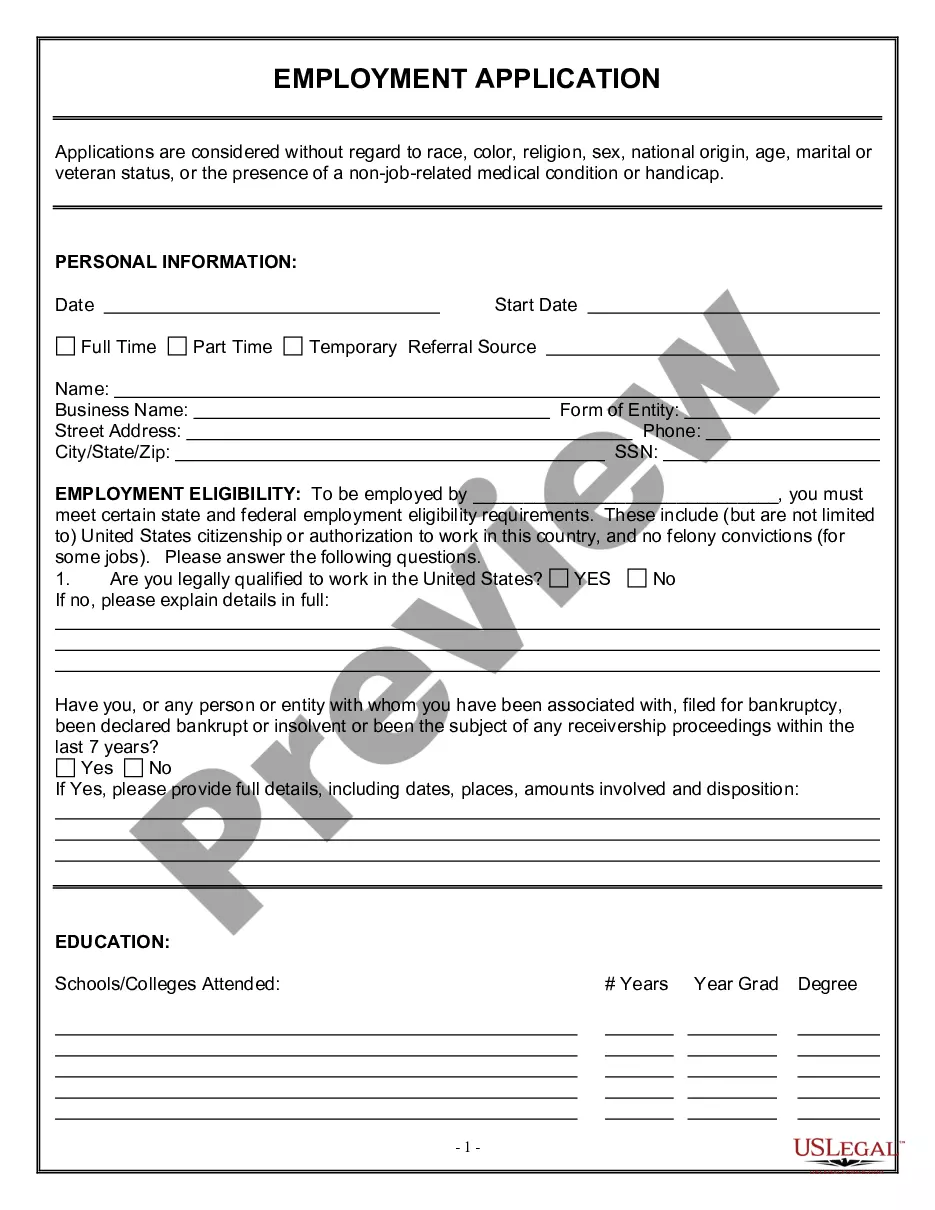
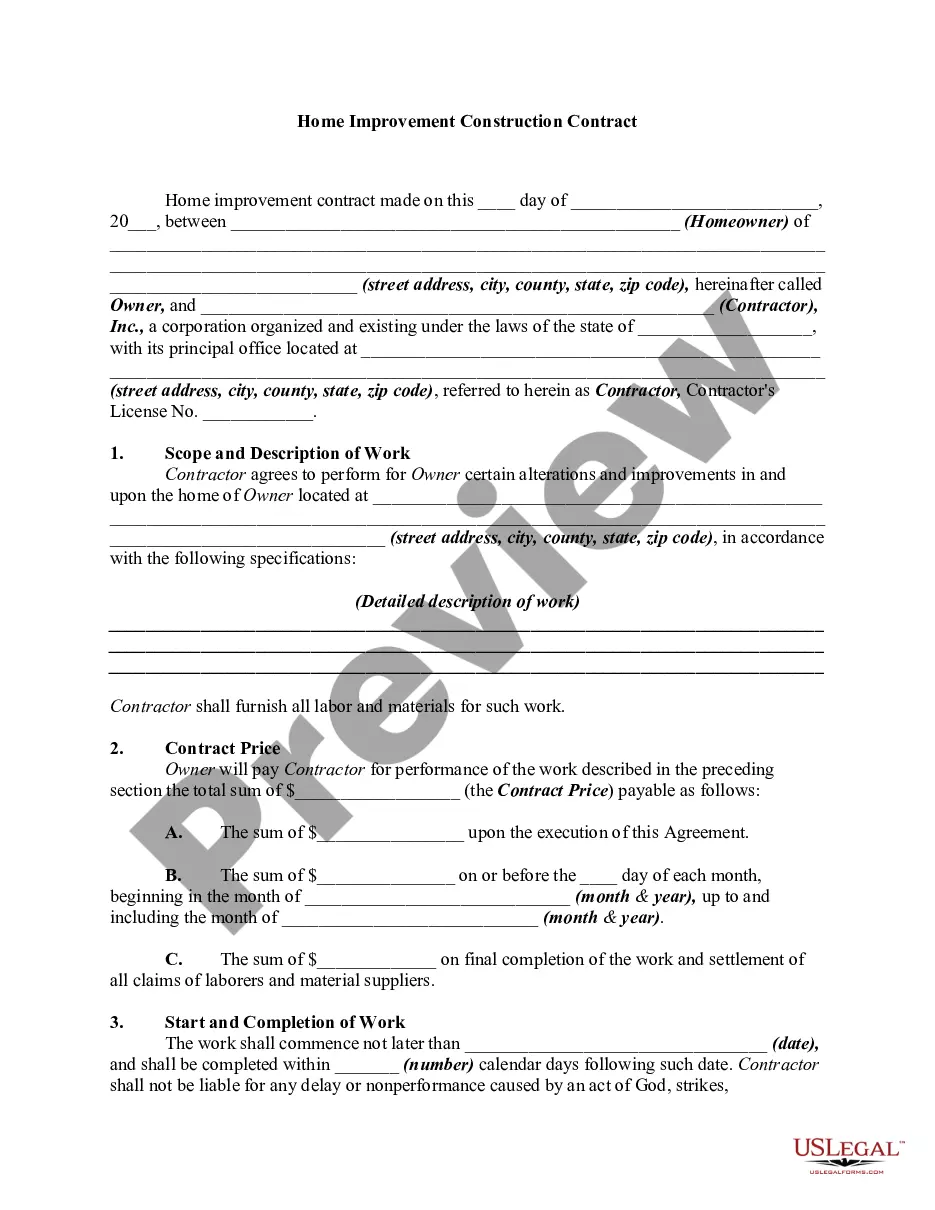
Release Of Patient Information Without Consent In King
Description
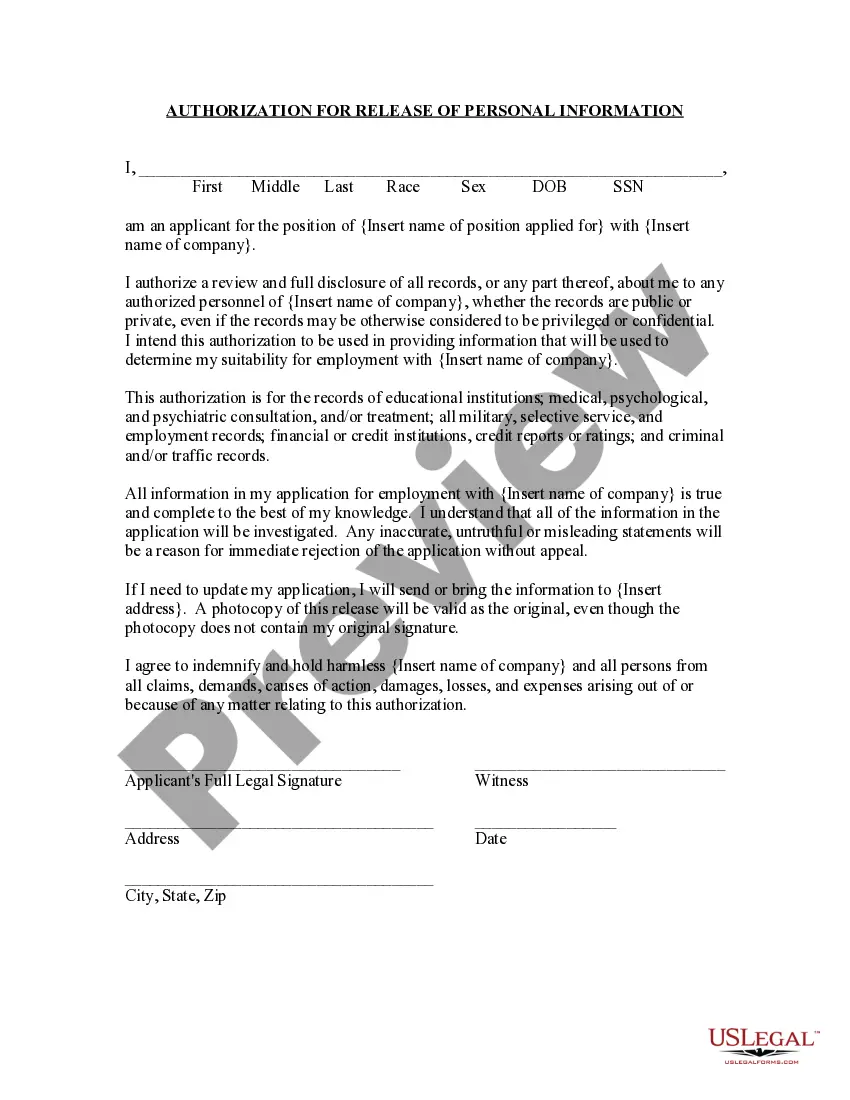
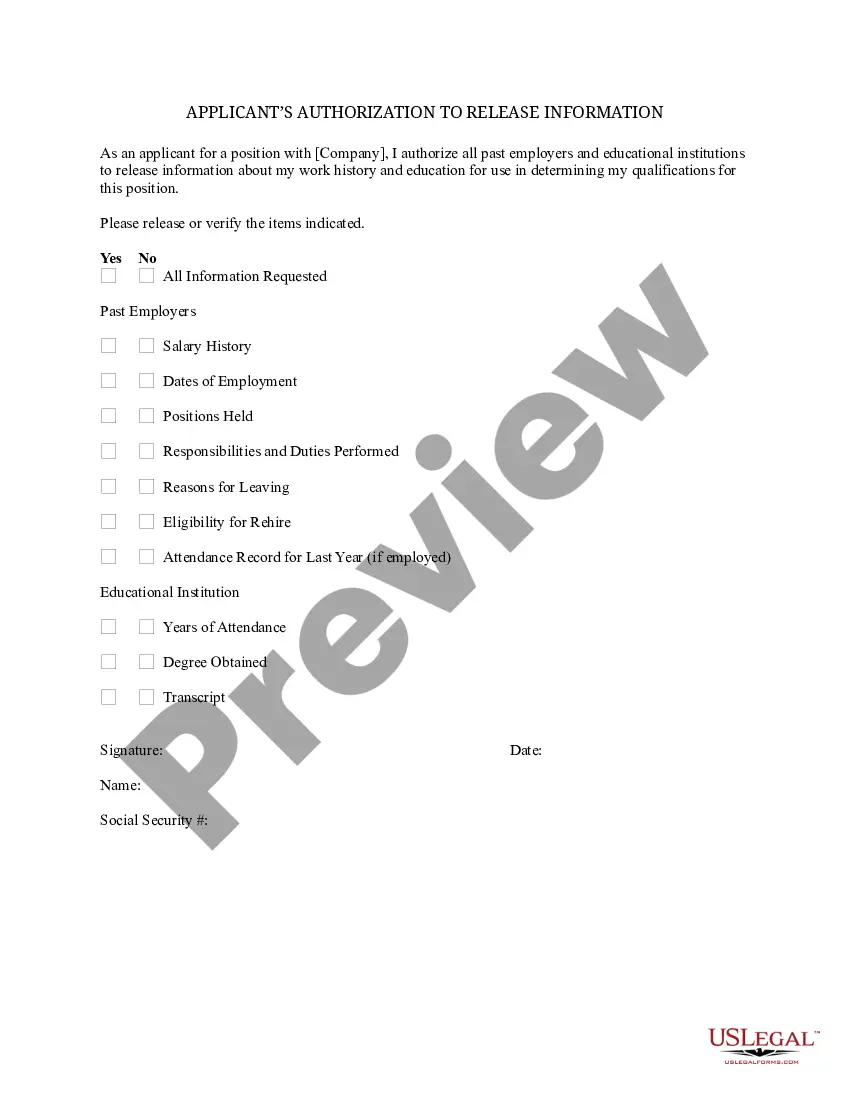
Get your form ready online
Our built-in tools help you complete, sign, share, and store your documents in one place.
Make edits, fill in missing information, and update formatting in US Legal Forms—just like you would in MS Word.
Download a copy, print it, send it by email, or mail it via USPS—whatever works best for your next step.
Sign and collect signatures with our SignNow integration. Send to multiple recipients, set reminders, and more. Go Premium to unlock E-Sign.
If this form requires notarization, complete it online through a secure video call—no need to meet a notary in person or wait for an appointment.
We protect your documents and personal data by following strict security and privacy standards.

Make edits, fill in missing information, and update formatting in US Legal Forms—just like you would in MS Word.

Download a copy, print it, send it by email, or mail it via USPS—whatever works best for your next step.

Sign and collect signatures with our SignNow integration. Send to multiple recipients, set reminders, and more. Go Premium to unlock E-Sign.

If this form requires notarization, complete it online through a secure video call—no need to meet a notary in person or wait for an appointment.

We protect your documents and personal data by following strict security and privacy standards.
Looking for another form?





Form popularity
FAQ
Under the CMIA, medical information must be released when compelled: by court order. by a board, commission or administrative agency for purposes of adjudication. by a party to a legal action before a court, arbitration, or administrative agency, by subpoena or discovery request.
A covered entity is permitted, but not required, to use and disclose protected health information, without an individual's authorization, for the following purposes or situations: (1) To the Individual (unless required for access or accounting of disclosures); (2) Treatment, Payment, and Health Care Operations; (3) ...
However, there are exceptions to HIPAA breach notifications that healthcare providers and other covered entities should be aware of, such as unintentional access, accidental disclosure, or unauthorized retention.
However, a HIPAA rule permits disclosure of PHI without prior obtained consent for healthcare operations, treatment, and payment. This includes consultation between providers regarding a patient, referring a patient, and information required by law for public health safety and reporting.
Human Clinical Studies Disclosure of information. Competency of the patient (or surrogate) to make a decision. The voluntary nature of the decision.
A covered entity is permitted, but not required, to use and disclose protected health information, without an individual's authorization, for the following purposes or situations: (1) To the Individual (unless required for access or accounting of disclosures); (2) Treatment, Payment, and Health Care Operations; (3) ...
Breach of Privacy: If your confidential medical information was disclosed without your consent, you may be able to file a lawsuit for invasion of privacy under state law.
Ask for consent to share information unless there is a compelling reason for not doing so. Information can be shared without consent if it is justified in the public interest or required by law. Do not delay disclosing information to obtain consent if that might put children or young people at risk of significant harm.
If the patient is unavailable or unable to do so, then the risk analysis committee may disclose PHI without authorization if it is a matter of life or death. Other cases where PHI may be disclosed are in cases of child abuse, elderly neglect, public health law, or where there appears to be fraudulent activity.
The collection, use or disclosure of personal health information without the consent of individuals and for purposes that are not permitted or required by the Personal Health Information Protection Act (PHIPA) is commonly referred to as unauthorized access, or “snooping.” Unauthorized access includes the viewing of ...